

This nonpartisan policy brief, written by an ACE fellow, is republished by The Fulcrum as part of our partnership with the Alliance for Civic Engagement and our NextGen initiative — elevating student voices, strengthening civic education, and helping readers better understand democracy and public policy.
The Evolution of Environmental Justice Policy in the United States
The Environmental Justice (EJ) movement in the United States emerged from civil rights struggles. The movement highlighted the disproportionate environmental burdens faced by communities of color and low-income populations. These concerns were later addressed on a larger scale by government agencies and executive policy.
Grassroots Beginnings of the Environmental Justice Movement
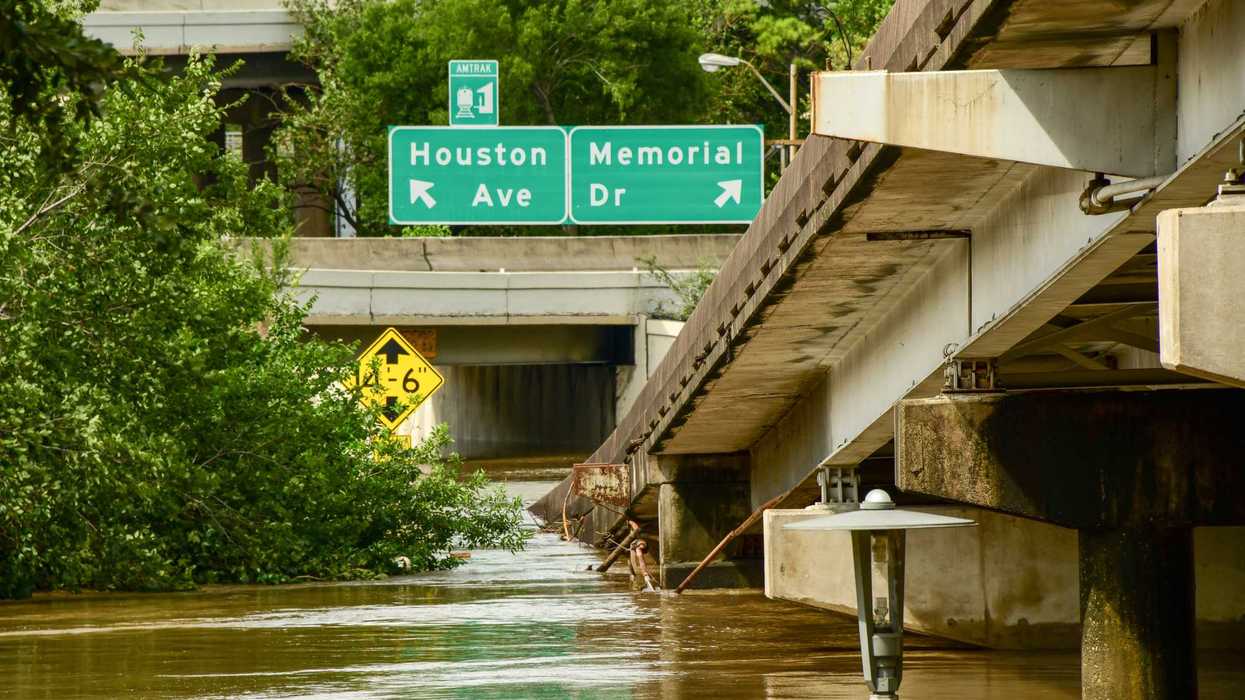
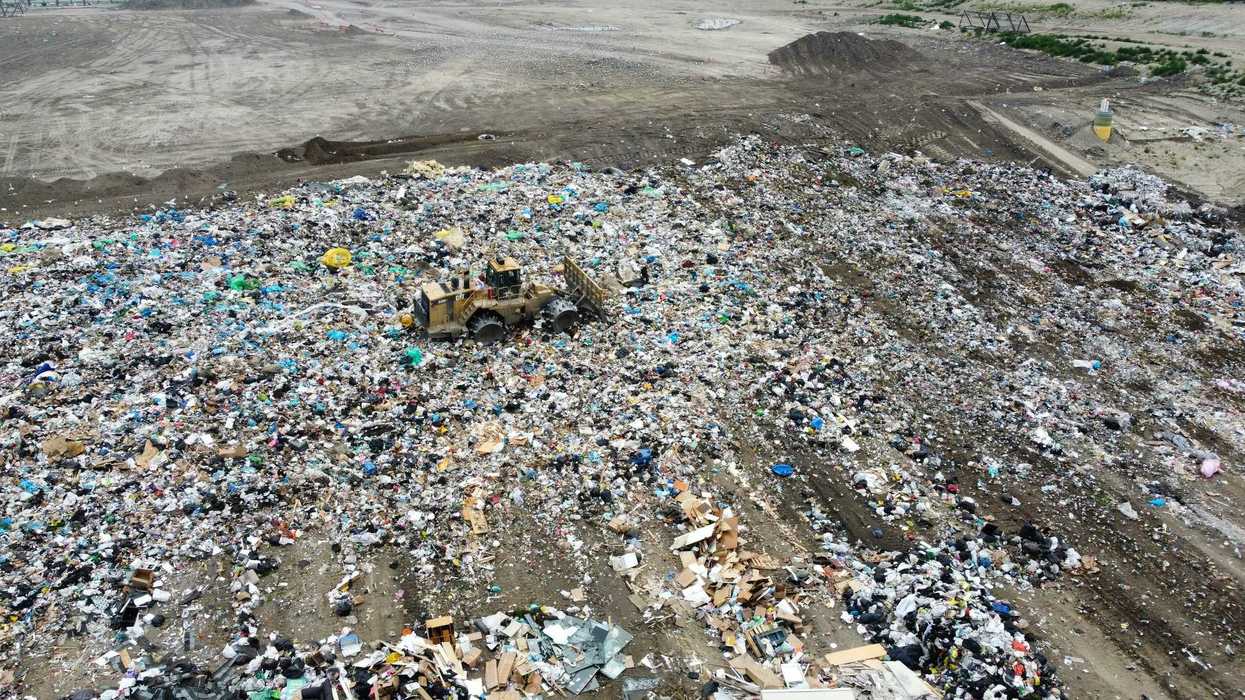
An early milestone in the movement was the 1968 Houston lawsuit challenging the discriminatory siting of waste facilities in predominantly Black neighborhoods. Dr. Robert Bullard’s 1982 study documented the concentration of landfills and incinerators in Black communities. That same year, the Warren County, North Carolina protests against the dumping of PCB-contaminated waste in a predominantly Black community brought national attention to environmental racism. Subsequent studies, including the 1983 U.S. Government Accountability Office report and the 1987 Toxic Waste and Race report, confirmed that hazardous waste facilities were disproportionately located in these communities. The movement gained further institutional direction during the 1991 First National People of Color Environmental Leadership Summit. The summit produced a foundational text and framework for the environmental justice movement: the Principles of Environmental Justice.
Policies of the 1990s and the Clinton Administration
Environmental Justice became institutionalized within federal policy in the 1990s. The U.S. Environmental Protection Agency (EPA) established an Environmental Equity Workgroup in 1990 and the Environmental Justice Advisory Council (NEJAC) in 1993. A major policy milestone came in 1994, when President Bill Clinton issued Executive Order 12898: “Federal Actions to Address Environmental Justice in Minority Populations and Low-Income Populations,” directing federal agencies to address disproportionate environmental harms in minority and low-income communities.
Policies Under the Biden Administration and Early 2020s
The federal EJ framework was expanded under President Joe Biden’s administration. Executive Order 14008: “Tackling the Climate Crisis at Home and Abroad,” in 2021 and Executive Order 14096: “Revitalizing Our Nation’s Commitment to Environmental Justice for All,” in 2023 integrated EJ considerations across federal decision-making through a collaborative whole-of-government approach across government sectors.
President Trump’s 2025 Executive Orders Rescinding EJ Programs
In January 2025, President Donald Trump issued Executive Order 14148: “Initial Rescissions of Harmful Executive Orders and Actions,” Executive Order 14173: “Ending Illegal Discrimination and Restoring Merit-Based Opportunity,” and Executive Order 14151: “Ending Radical and Wasteful Government DEI Programs and Preferencing.” These executive orders rescinded several prior Executive Orders and directed federal agencies to eliminate programs tied to Diversity, Equity, and Inclusion (DEI) initiatives, including environmental justice-related offices and programs.
Why Does the Trump Administration Say It Reversed These Policies?Eradicates “Radical and Wasteful Government Programs”
The Department of Justice (DOJ) announced in a press release in April 2025 the immediate closure of an EJ case handled by its Civil Rights Division. The Department stated the action aligns with executive directives to eliminate what the administration describes as “radical and wasteful government programs” related to DEI, including EJ. According to Assistant Attorney General Harmeet K. Dhillon of the Justice Department’s Civil Rights Division, the Department will no longer pursue EJ initiatives framed through Diversity, Equity, and Inclusion (DEI) approaches in part to prevent “expending taxpayer resources in accordance with the national interest, not arbitrary criteria.” This emphasized that the administration’s priority is to ensure government programs serve all Americans equally and that the taxpayer resources are allocated in line with what it defines as the national interest.
Enhances Merit-Based Opportunity in Government Contracting and Private Employment
The Trump administration asserts that the previously enacted EJ and DEI-related initiatives promoted discriminatory practices that conflicted with merit-based principles. According to the administration, certain EJ and DEI programs introduced preferential treatment based on race or other identity factors rather than individual qualifications. As part of the policy shift, the order rescinded affirmative action requirements in government contracting that have existed since 1965. The administration emphasizes that the changes are intended to restore equal treatment under the law and ensure that federal contracting and employment practices prioritize merit, fairness, and nondiscriminatory standards.
What Are the Implications and Critiques of Trump’s Executive Orders?
Public Health Impacts in Vulnerable Communities
Critics argue that the revocation ignores the long-documented history of environmental racism in the U.S. EJ scholars and advocates contend that the adverse health effects of environmental inequality will worsen, especially the effects of toxic and polluting industries on Indigenous, Black, and Latino communities’ health. Myrriah Gómez, Associate Professor at the University of New Mexico, criticized the move. Gomez argues that the administration’s actions demonstrate a failure to recognize the environmental dangers posed by toxic industries and instead prioritize economic interests over public health. Peggy Shepard, executive director and co-founder of WE ACT for Environmental Justice, noted that poor environmental conditions, including contaminated water and exposure to pollution, can exacerbate underlying health conditions. Shepard says this can lead to a “sicker population,” particularly in communities where polluting facilities are concentrated. Similarly, Earthjustice President Abigail Dillen issued a statement arguing that rolling back EJ initiatives could allow greater pollution in already overburdened communities, leading to increased rates of illnesses such as cancer, asthma, higher healthcare costs, and broader public health consequences.
Changes to EPA Enforcement Practices
Removing environmental justice considerations from federal enforcement practices affects how the EPA analyzes demographic and local environmental impacts. On March 16, 2025, the EPA’s Office of Enforcement and Compliance Assurance (OECA) issued a directive stating that environmental justice considerations would no longer be criteria for EPA enforcement and compliance assurance work. The directive further restricts the use of race and socio-economic status as factors in compliance and enforcement decisions. The directive also indicated that EJScreen had been disabled and would not be used for any enforcement and compliance activity. EJScreen is the EPA’s primary EJ mapping platform. The tool provides critical data on local pollution burdens and demographic indicators. The tool allowed users to conduct EJ analysis for different pollutants and populations on federal, state, and city levels.
Disregards Long-standing Concerns from Environmental Justice Movement Advocates
Reversing prior EJ executive orders overlooks three decades of efforts to address environmental racism. Previous policies specifically guided federal agencies to address disproportionate environmental burdens faced by low-income communities and communities of color. Advocates contend that reversing these policies undermines progress made in confronting environmental racism and promoting equitable environmental protections. Shepard described the move as “turning the clock back on decades of work.” According to Shepard, removing these frameworks could have harmful consequences for disadvantaged communities, whose health and well-being are closely tied to policies that reduce exposure to pollution and address environmental inequities.
Loss of Tools to Identify Environmental Disparities
Critics argue that dismantling the DEI and EJ programs will likely enhance environmental inequalities and limit public tools to identify environmental inequalities. The administration also dismantled the Justice40 program, which aimed to allocate 40% of certain federal investments to disadvantaged communities. As part of Justice40, the Council of Environmental Quality (CEQ) developed the Climate and Economic Justice Screening Tool (CJEST) to identify disadvantaged communities using indicators related to climate risk, public health, transportation, energy burden, and other socio-economic factors. As a result of rescinding Executive Order 14008, the CJEST was also removed from operation and is no longer available on any federal government website.
What Does This Mean for the Future of Environmental Justice?
The reversal signals a fundamental shift in the federal government’s role in addressing environmental inequities. Environmental justice practices may be considered less often in federal decision-making. Without an executive mandate requiring agencies to prioritize disproportionately burdened communities, environmental justice considerations are likely to become fragmented, discretionary, or deprioritized across federal agencies.
Inside the Trump Administration’s 2025 Reversal of Environmental Justice Executive Orders: Analysis and Future Prospects was first published by ACE and was republished with permission.
Judith Wanjallah, Environmental Policy Fellow and climate change expert at ACE.