



Skip to content
Search

Latest Stories

Follow Us:
Top Stories

Democrats’ Redistricting Gains Face New Court Battles Ahead of 2026 Elections

News

Democrats’ Redistricting Gains Face New Court Battles Ahead of 2026 Elections
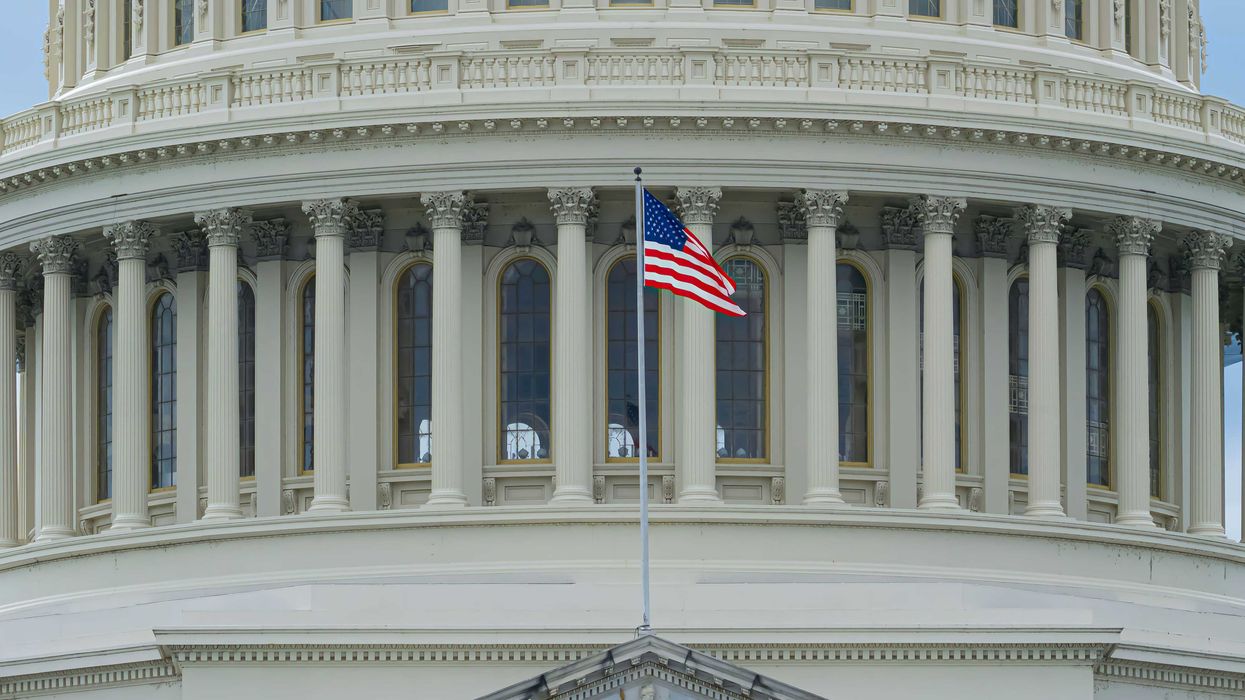
us a flag on white concrete building

Earlier this year, I reported on Democrats’ redistricting wins in 2025, highlighting gains in states like California and North Carolina. As of December 18, the landscape has shifted again, with new maps finalized, ongoing court battles, and looming implications for the 2026 midterms.

Here are some key developments since mid‑2025:

  • California: Voters approved Proposition 50 in November, allowing legislature‑drawn maps that eliminated three safe Republican seats and made two more competitive. Democrats in vulnerable districts were redrawn into friendlier territory.
  • Virginia: On December 15, Democrats in the House of Delegates pushed a constitutional amendment on redistricting during a special session. Republicans denounced the move as unconstitutional, setting up a legal and political fight ahead of the 2026 elections.
  • Other states in play:
    • Ohio, Texas, Utah, Missouri, North Carolina: New maps are already in effect, reshaping battlegrounds.
    • Florida and Maryland: Legislatures have begun steps toward redistricting, though maps are not yet finalized.
    • New York: Court challenges may force changes to existing maps before 2026.
    • National picture: According to VoteHub’s tracker, the current district breakdown stands at 189 Democratic‑leaning, 205 Republican‑leaning, and 41 highly competitive seats.

Implications for 2026

  • Democrats’ wins in California and North Carolina strengthen their position, but legal challenges in Virginia and New York could blunt momentum.
  • Republicans remain favored in Texas and Ohio, where maps were redrawn to secure GOP advantages.
  • The unusually high number of mid‑decade redistricting efforts — not seen at this scale since the 1800s — underscores how both parties are aggressively shaping the battlefield for 2026.
So, here's the BIG PICTURE: The December snapshot shows Democrats still benefiting from redistricting in key states, but the fight is far from settled. With courts weighing in and legislatures maneuvering, the balance of power heading into the 2026 House elections remains fluid. What began as clear Democratic wins earlier in 2025 has evolved into a multi‑front contest over maps, legality, and political control.

Hugo Balta is the executive editor of the Fulcrum and the publisher of the Latino News Network


Read More

U.S. Capitol.
As government shutdowns drag on, a novel idea emerges: use arbitration to break congressional gridlock and fix America’s broken budget process.
Getty Images, Douglas Rissing

Congress's productive 2025 (And don't let anyone tell you otherwise)

The media loves to tell you your government isn't working, even when it is. Don't let anyone tell you 2025 was an unproductive year for Congress. [Edit: To clarify, I don't mean the government is working for you.]

1,976 pages of new law

At 1,976 pages of new law enacted since President Trump took office, including an increase of the national debt limit by $4 trillion, any journalist telling you not much happened in Congress this year is sleeping on the job.

Keep ReadingShow less
Red elephants and blue donkeys

The ACA subsidy deadline reveals how Republican paralysis and loyalty-driven leadership are hollowing out Congress’s ability to govern.

Carol Yepes

Governing by Breakdown: The Cost of Congressional Paralysis

Picture a bridge with a clearly posted warning: without a routine maintenance fix, it will close. Engineers agree on the repair, but the construction crew in charge refuses to act. The problem is not that the fix is controversial or complex, but that making the repair might be seen as endorsing the bridge itself.

So, traffic keeps moving, the deadline approaches, and those responsible promise to revisit the issue “next year,” even as the risk of failure grows. The danger is that the bridge fails anyway, leaving everyone who depends on it to bear the cost of inaction.

Keep ReadingShow less
Who thinks Republicans will suffer in the 2026 midterms? Republican members of Congress

U.S. Speaker of the House Mike Johnson (R-LA); House Chamber at the U.S. Capitol on December 17, 2025,.

(Photo by Kevin Dietsch/Getty Images)

Who thinks Republicans will suffer in the 2026 midterms? Republican members of Congress

The midterm elections for Congress won’t take place until November, but already a record number of members have declared their intention not to run – a total of 43 in the House, plus 10 senators. Perhaps the most high-profile person to depart, Republican Rep. Marjorie Taylor Greene of Georgia, announced her intention in November not just to retire but to resign from Congress entirely on Jan. 5 – a full year before her term was set to expire.

There are political dynamics that explain this rush to the exits, including frustrations with gridlock and President Donald Trump’s lackluster approval ratings, which could hurt Republicans at the ballot box.

Keep ReadingShow less
Social Security card, treasury check and $100 bills
In swing states, both parties agree on ideas to save Social Security
JJ Gouin/Getty Images

Social Security Still Works, but Its Future Is Up to Us

Like many people over 60 and thinking seriously about retirement, I’ve been paying closer attention to Social Security, and recent changes have made me concerned.

Since its creation during the Great Depression, Social Security has been one of the most successful federal programs in U.S. history. It has survived wars, recessions, demographic change, and repeated ideological attacks, yet it continues to do what it was designed to do: provide a basic floor of income security for older Americans. Before Social Security, old age often meant poverty, dependence on family, or institutionalization. After its adoption, a decent retirement became achievable for millions.

Keep ReadingShow less