

Skip to content
Search

Latest Stories

Follow Us:
Top Stories

Probably Another Shutdown

Opinion

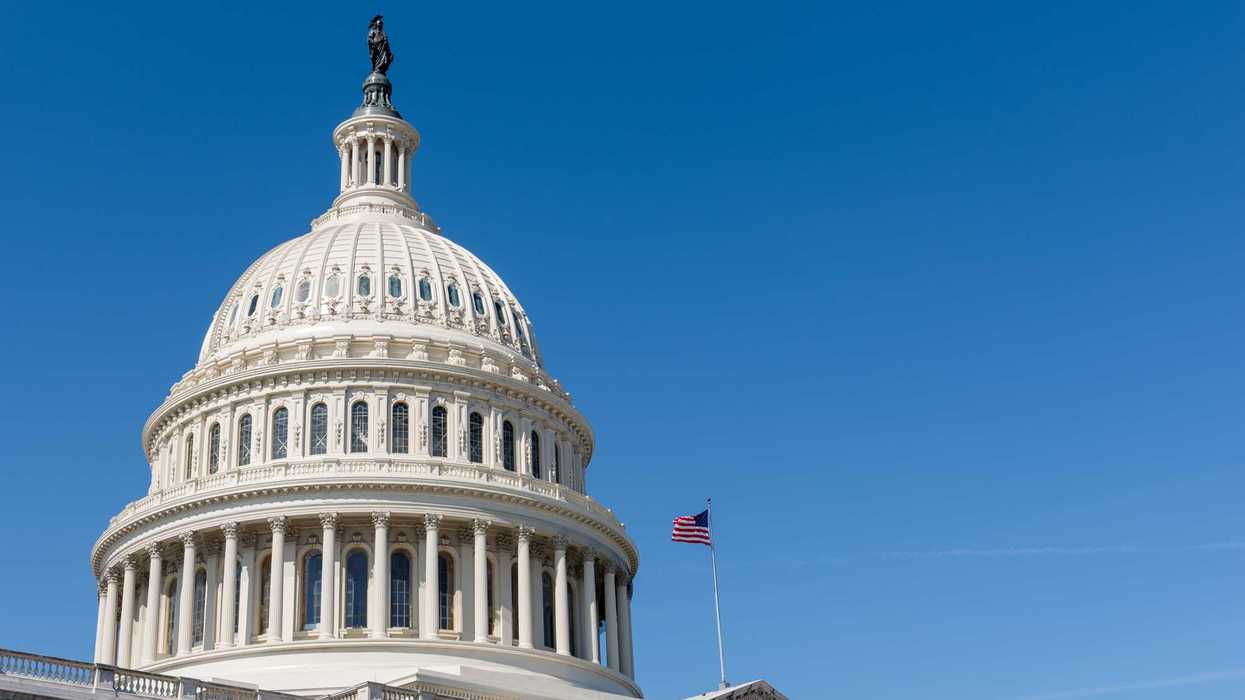
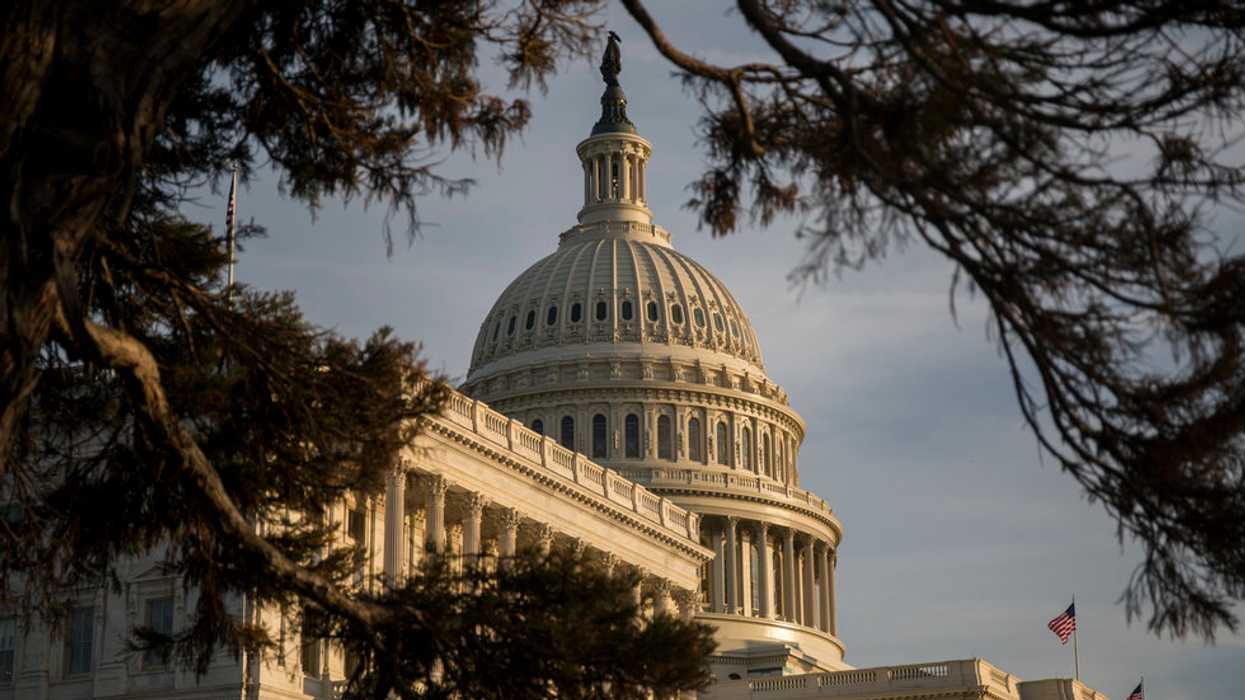
U.S. capitol.

The current continuing resolution, which keeps the government funded, ends this Friday, January 30.

Getty Images

The current continuing resolution, which keeps the government funded, ends this Friday, January 30.

It passed in November and ended the last shutdown. In addition to passage of the continuing resolution, some regular appropriations were also passed at the same time. It included funding for the remainder of the fiscal year for the food assistance program SNAP, the Department of Agriculture, the FDA, military construction, Veterans Affairs, and Congress itself (that is, through Sept. 30, 2026).


As of Friday, January 23, the House had passed the remaining appropriations for fiscal year 2026. It appeared that the Senate would then pass those bills this week and government operations would go uninterrupted.

Then, this past weekend, Department of Homeland Security agents killed yet another legal observer of their activities in Minneapolis. Alex Pretti's death brings the number of DHS shootings since September to 12. Four of those shootings have been fatal.

Pretti's death seems to have been the last straw for Senate Democrats. Since Saturday, enough of them have said that they will not vote for more funding for the Department of Homeland Security as currently proposed that, unless Republicans find a way to compromise, the government will again be shut down, albeit only partially this time.

At the moment, Senate Republicans say they are unwilling to make any changes to the existing appropriations bills.

Even if Republicans do compromise in some way, perhaps by rearranging the existing legislation to separate DHS funding from all the other agencies, there would still be a short partial shut down at the very least because the House will not return to session before January 30.

So, assuming for now that a shutdown occurs, what would that mean? Well, first of all, this time, no food support would be endangered and the VA would keep running because those agencies were among the ones whose full year appropriations were passed last November.

It might mean interruption in agencies like the Department of State, Transportation, Health and Human Services, Housing and Labor. It might mean some interruptions in the Department of Defense, but like last time, the administration would be looking for ways to shuffle existing funds to continue paying military personnel.

It almost certainly will have little or no effect on the operations of DHS even though that's the agency at the center of the dispute. Why not? Because, like last the last time around, the White House will likely designate DHS as essential and look for workaround funding without regard to the legality of that funding.

The Senate is, officially, in session from the end of the day today through the week. However, due to the big winter storm this past weekend, no votes are scheduled until tomorrow at least. There are 20 committee meetings this week, including one on Wednesday where Secretary of State Marco Rubio is expected to testify about Venezuela.

It is unclear right now where things will go right now. Our colleagues at The First Branch Forecast explain the political considerations that Democrats are mulling right now. They also provide a fascinating summary of why the Government Publishing Office was established: in short, private enterprise isn't always better or cheaper than public agencies.

See you all on Friday.


Probably Another Shutdown was originally published on GovTrack.us and is republished with permission.



Read More

The Escalation Is Institutional: One Year Into Trump’s Return to Power

U.S. President Donald Trump on January 22, 2026

(Photo by Chip Somodevilla/Getty Images)
What Really Guides Lawmakers’ Decisions on Capitol Hill
us a flag on white concrete building

What Really Guides Lawmakers’ Decisions on Capitol Hill

The following article is excerpted from "Citizen’s Handbook for Influencing Elected Officials."

Despite the efforts of high school social studies teachers, parents, journalists, and political scientists, the workings of our government remain a mystery to most Americans. Caricatures, misconceptions, and stereotypes dominate citizens’ views of Congress, contributing to our reluctance to engage in our democracy. In reality, the system works pretty much as we were taught in third grade. Congress is far more like Schoolhouse Rock than House of Cards. When all the details are burned away, legislators generally follow three voices when making a decision. One member of Congress called these voices the “Three H’s”: Heart, Head, and Health—meaning political health.

Keep ReadingShow less
Illustration of someone holding a strainer, and the words "fakes," "facts," "news," etc. going through it.

Trump-era misinformation has pushed American politics to a breaking point. A Truth in Politics law may be needed to save democracy.

Getty Images, SvetaZi

The Need for a Truth in Politics Law: De-Frauding American Politics

“Have you no sense of decency, sir, at long last?” With those words in 1954, Army lawyer Joseph Welch took Senator Joe McCarthy to task and helped end McCarthy’s destructive un-American witch hunt. The time has come to say the same to Donald Trump and his MAGA allies and stop their vile perversion of our right to free speech.

American politics has always been rife with misleading statements and, at times, outright falsehoods. Mendacity just seems to be an ever-present aspect of politics. But with the ascendency of Trump, and especially this past year, things have taken an especially nasty turn, becoming so aggressive and incendiary as to pose a real threat to the health and well-being of our nation’s democracy.

Keep ReadingShow less
Silence, Signals, and the Unfinished Story of the Abandoned Disability Rule

Waiting for the Door to Open: Advocates and older workers are left in limbo as the administration’s decision to abandon a harsh disability rule exists only in private assurances, not public record.

AI-created animation

Silence, Signals, and the Unfinished Story of the Abandoned Disability Rule

We reported in the Fulcrum on November 30th that in early November, disability advocates walked out of the West Wing, believing they had secured a rare reversal from the Trump administration of an order that stripped disability benefits from more than 800,000 older manual laborers.

The public record has remained conspicuously quiet on the matter. No press release, no Federal Register notice, no formal statement from the White House or the Social Security Administration has confirmed what senior officials told Jason Turkish and his colleagues behind closed doors in November: that the administration would not move forward with a regulation that could have stripped disability benefits from more than 800,000 older manual laborers. According to a memo shared by an agency official and verified by multiple sources with knowledge of the discussions, an internal meeting in early November involved key SSA decision-makers outlining the administration's intent to halt the proposal. This memo, though not publicly released, is said to detail the political and social ramifications of proceeding with the regulation, highlighting its unpopularity among constituents who would be affected by the changes.

Keep ReadingShow less