




This nonpartisan policy brief, written by an ACE fellow, is republished by The Fulcrum as part of our partnership with the Alliance for Civic Engagement and our NextGen initiative — elevating student voices, strengthening civic education, and helping readers better understand democracy and public policy.
How Are Religions Recognized in the U.S. Military?
Introduced in World War 1, dog tags, or metal identification tags worn by U.S. service members, are one of the primary ways the U.S. military recognizes religions. Besides including a service member’s name, Department of War (DOW) identification number, and blood type, dog tags can include a service member’s religious preference. Since 2017, service members have chosen from a list of 211 recognized religions, also known as the “Faith and Belief Codes,” for their dog tag engravings. Outside of dog tags, the U.S. military has also shared service members’ religious preferences with the Army Chaplains Corp. First established under President George Washington, three chaplain corps (Army Chaplain Corps, the Air Force Chaplain Corps, and the Navy Chaplain Corps) host commissioned officers who provide religious support to service members and their families. As of today, more than 3,000 chaplains serve in the Chaplains Corp. Among them, approximately 110 religious faith groups are represented.
Why Did the U.S. Military Reduce Its List of Recognized Religions?
In a memo first released to news outlets on June 4, 2026, the DOW announced a reduction to the list of recognized religions by the U.S. military. A notable decrease from the 211 previously recognized religions, the new list, renamed “Religious Affiliation Codes,” contains just 31 religions. Intended to “streamline the DOW’s collection of religious preferences selection for Service members,” the move follows other previously announced changes by the Department, including chaplains being instructed to wear their religious insignia in place of their rank insignia, or symbols worn on military uniforms indicting a service member’s duties, pay grade, or rank. The new list of recognized religions is expected to take effect in July.
Who Supports the New List?
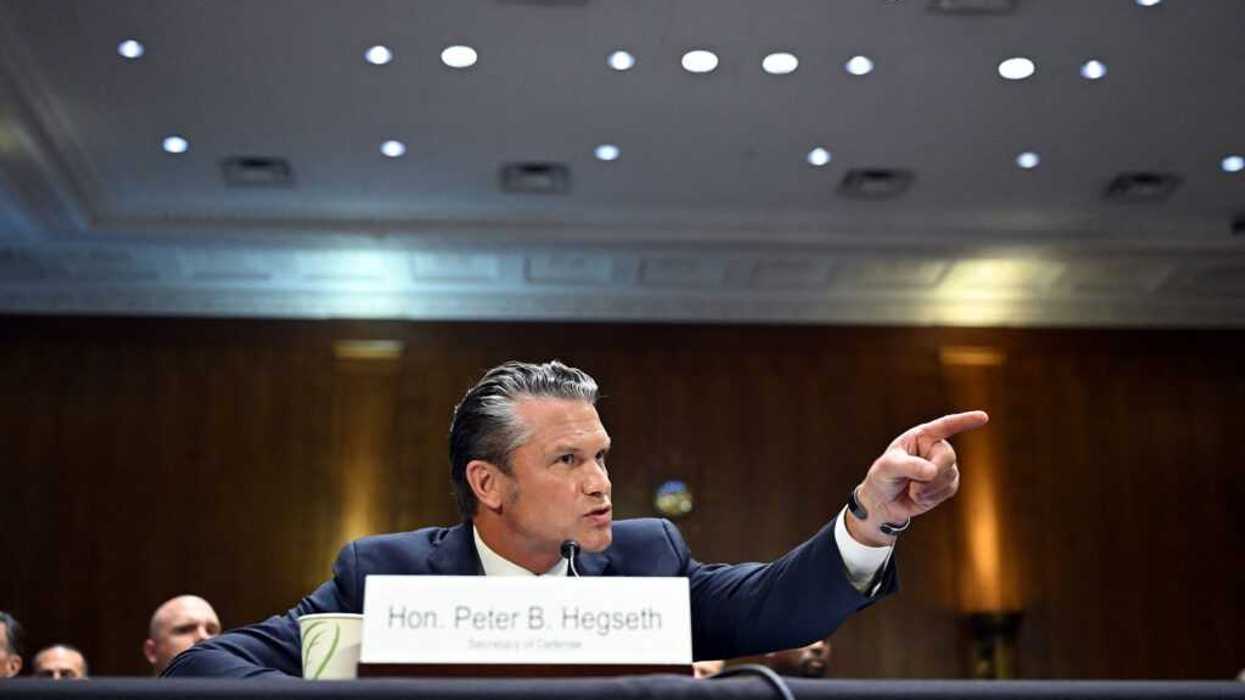
Supporters of DOW’s new, reduced list of recognized religions include Under Secretary of War for Personnel and Readiness Anthony J. Tata, who suggested the new list would “enhance the delivery of targeted religious support from the Chaplaincy.” Pentagon spokesperson Sean Parnell praised the DOW’s new list, calling it “long overdue” and beneficial to chaplains, who can now quickly respond to the spiritual needs of their units. Secretary of War’s Pete Hegseth, who hinted at reducing the list in late March, voiced his support for the new list and labeled the old list of over 200 religions “impractical and unusable.” Some veterans also supported the new list, with Retired Major General Randell E. Kitchens, who formerly served as the Air Force’s Chief of Chaplains, noting that the list "appears to represent major faith groups.”
Who Opposes the New List?
Critics of the DOW’s new, reduced list of recognized religions include lawmakers, religious organizations, and veterans. The Unitarian Universalist Association expressed concerns that, with Unitarian Universalism removed from the list, service members identifying with the religion could now face challenges accessing spiritual care. Meanwhile, co-founder of the Military Religious Freedom Foundation, Mikey Weinstein, argued that the change violated the U.S. Constitution's “separation of church and state.” Lawmakers like Senator Mike Lee (R-UT) and Senator John Curtis (R-UT) also questioned the new list, specifically the DOW’s decision to not label the Church of Jesus Christ of Latter-day Saints as a Christian denomination. Veterans protested the new list too, with a former U.S. Army Chaplain calling the new list “an excuse for the failure to provide the free exercise of religion for all people.”
What Will Happen to Chaplains and Service Members With Unrecognized Religions?
Although the DOW eventually responded to criticism of the new list by removing the labeling that stated whether a religion was a Christian denomination, 31 religions still remain on the list. That said, military experts like Retired General Steven Schaick worry chaplains of unrecognized religions could lose their ecclesiastical endorsement, an official certification from one’s religious denomination to serve as a chaplain. An ecclesiastical endorsement is required by all branches of the military. And while the memo stated service members could still put unrecognized religions on their dog tags, and many of the unrecognized religions remain on the Department of Veteran Affair’s (VA) list of approved emblems for headstones, some former military members predict that the changed policy will make some service members feel unrecognized, putting their well-being at risk.
Reclassifying Faith?: Inside the Department of War’s Revision to Its List of Religions was first published on The Alliance for Citizen Engagement and was republished with permission.
Stephanie Peterson is a senior at Purdue University Northwest.