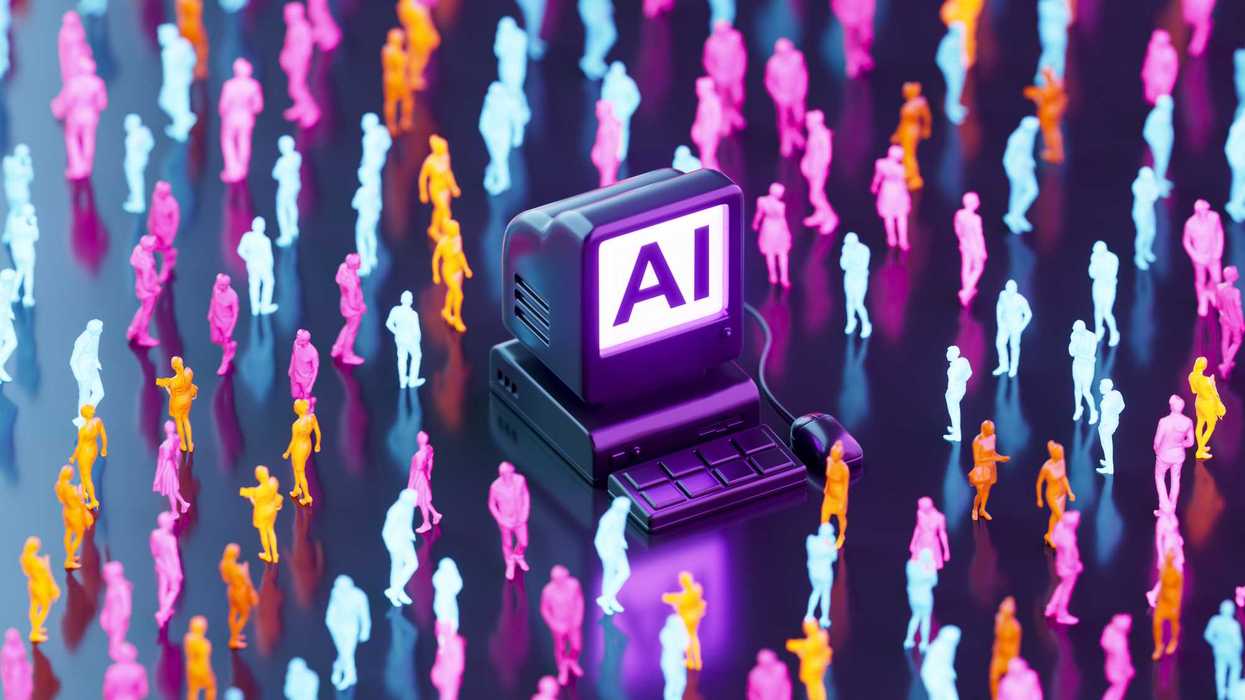




Artificial Intelligence is everywhere and can no longer be avoided. Will there ever be a ceiling for the expansion of this technology? AI companies are not just selling software. The story about the inevitability that AI will have in transforming work, education, medicine, art, government, and daily life is much more profitable. People must accept the transformation or be left behind. They are selling behind a mask of certainty.
The court of public opinion on AI has concluded that this technology is too energy-consuming for the benefits it allegedly brings and the ways many people use it. Therefore, companies have shifted their agendas to presenting efficiency as a solution to the technology’s enormous need for power. Smaller, better models and chips, and more efficient data centers may reduce the energy required for a single text-based request or generated image. If those improvements make AI cheaper to use, it will be invited into more daily life right?
In the late 19th century, a British economist named William Stanley Jevons wrote The Coal Question: An Inquiry Concerning the Progress of the Nation, and the Probable Exhaustion of Our Coal Mines. This was a revolutionary book for that time that explored the limits to growth and sustainability within an industrialized society.
From it came his paradox, the Jevons paradox, which is a description of a somewhat counterintuitive thing that happens in the world. You would think that as technological advancements continue, efficiency eventually would become so great that innovation is no longer needed. Surprisingly, the opposite is true a decent amount of the time.
The paradox claims that as systems become more efficient, the needs to sustain said systems become larger; therefore, a constant striving towards efficiency often does not lead to less consumption, but to more use, more demand, and more pressure on the very resources we thought we were saving.
A test for this concept is something most of us have in our homes and take advantage of. About 200 years ago, hot water was expensive. It was in short supply, but also time. No tanks were in your basement. You had to boil it on a stove, or you would stoke a fire under a container. So, it was only used for things that absolutely required it and not much else. Cooking occasionally, maybe laundry sometimes, and that was about it.
When home water heaters were invented, hot water in homes got dramatically cheaper. And the paradox’s claim started to test itself. People didn't just use the same amount of hot water without having to work as hard for it. There were a bunch of new uses for hot water. They started taking showers, a taken for granted action by us hundreds of years later.
Eventually, somebody invented the home dishwasher, which, as a normal household appliance, is a post-water heater invention. It is an idea that doesn't make sense unless you have affordable hot water in your home. When you make hot water cheaper, then demand for it goes up.
Suddenly people need the tanks to be way bigger. There's a bunch of uses that we didn't anticipate. So far, this just looks like pure Jevons. But here's the thing. Infinite hot water usage never became a problem. There was a ceiling that represented the amount that we needed, and hot water tanks eventually stopped getting bigger. There turned out to be a finite list of things that hot water is uniquely good for. And we found them. The paradox went on for a while, but then it settled down. This is a reminder that this paradox is not guaranteed. That nothing is guaranteed. The future is still technically uncertain; no one who bought the Gutenberg press could imagine newspapers. This is why we shouldn’t let technological advancements command our agency.
After 2030, this decade will undoubtedly be known as the decade of AI technologies. 2022 and beyond have drastically altered our lives in an unforeseeable direction. However, large companies try to convince us that if we pay them enough for giving the data to develop their technology, our quality of life will improve beyond our wildest dreams. Critics argue that the true plan is to improve products and personalize services, while masking a deeper business model built on surveillance and monetization.
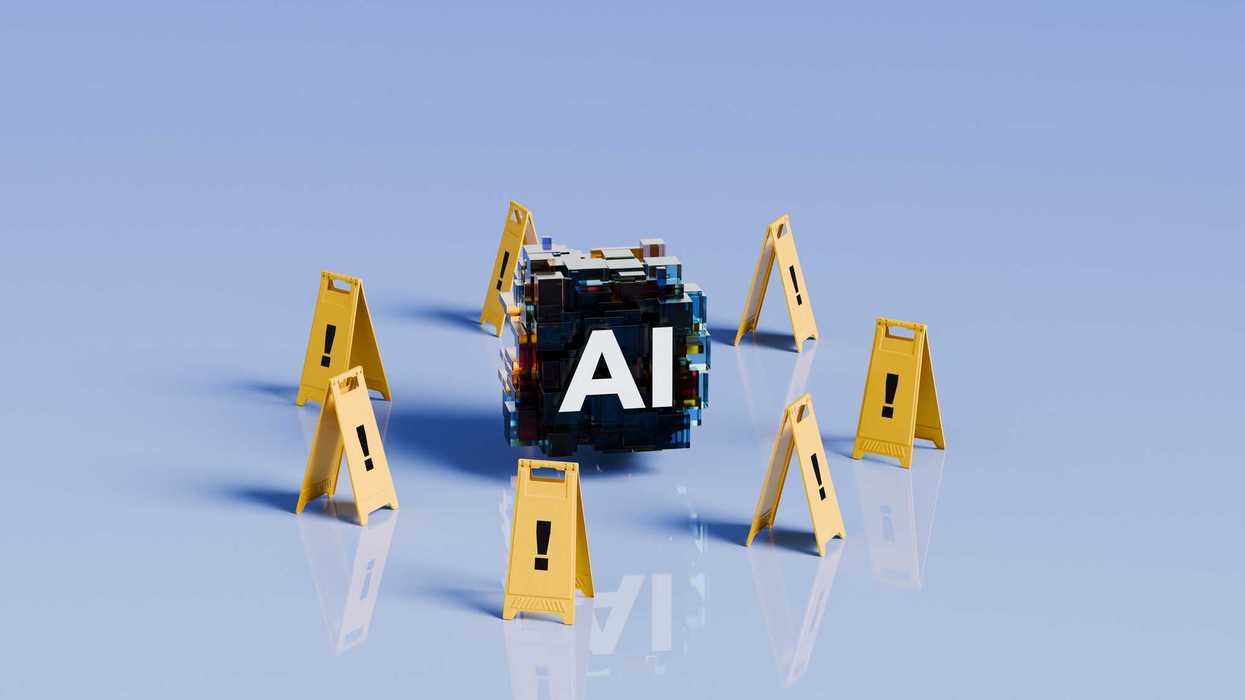
And this is what the advertisers don’t want you to realize: AI’s future is not inevitable, limitless, or fully knowable, despite what the companies selling it suggest. AI may have limits too, but nobody can reliably say where they are yet. They may be physical, such as power generation and waste disposal. They may be economic, as companies discover that not every task benefits from an expensive system. They can also be legal/political, as communities affected resist data centers, or they may be cultural, as people simply decide they do not want automated systems mediating parts of their lives.
Will AI have a ceiling? Here’s the no bs answer: nobody knows. That fact should make us as the target base, more cautious, not more passive. When companies claim to know the future by telling you what you need, what they often mean is that they want the power to create it on their own terms. We do not have to accept that bargain. It is our duty as responsible consumers to act on that free will and wake up.
Shon Eric Hernandez is a Fulcrum fellow and MDC contributor. He can be reached at shondesil06@gmail.com