When I first wrote in early July about Bruce Springsteen and the upcoming Power to the People Festival, the event was still taking shape as a hopeful but not yet fully defined effort to confront the growing tensions in our democracy through music.
A great deal has occurred since then.
The festival has now been officially announced, clearly presented to the public, and left with no doubt as being one of the most deliberate cultural interventions of the 2026 election season; Springsteen's own way of describing it as a night of "music and resistance" shows that this will not be just another concert.
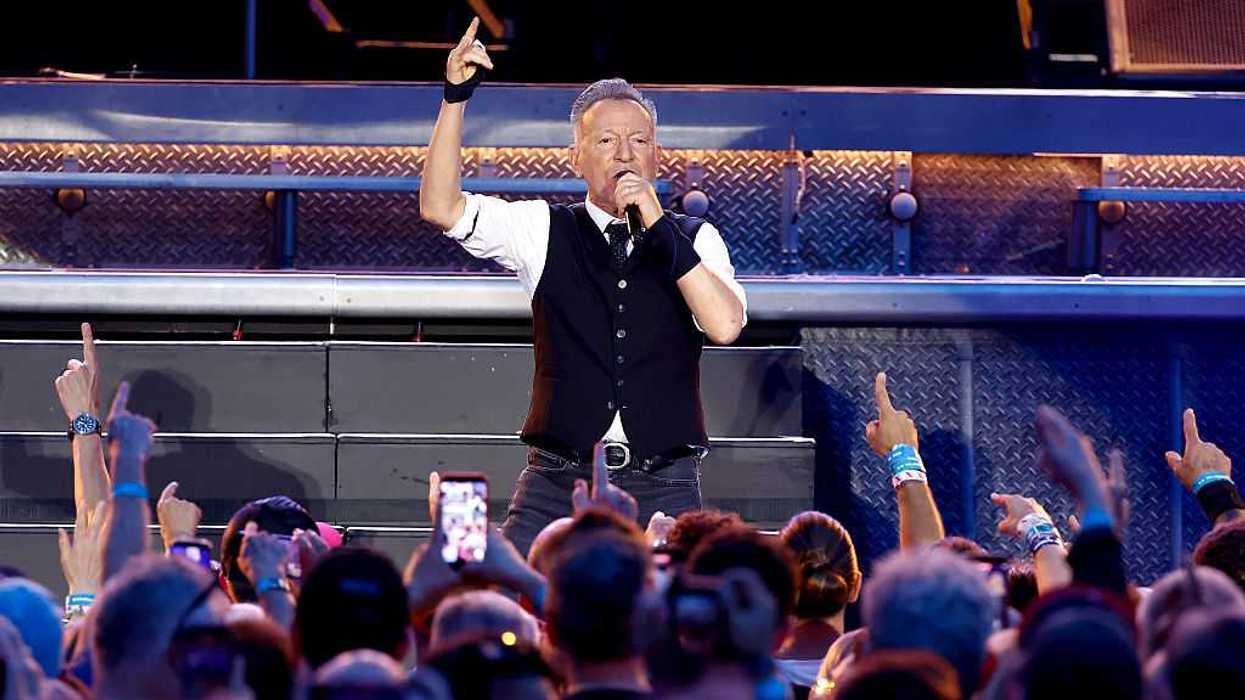
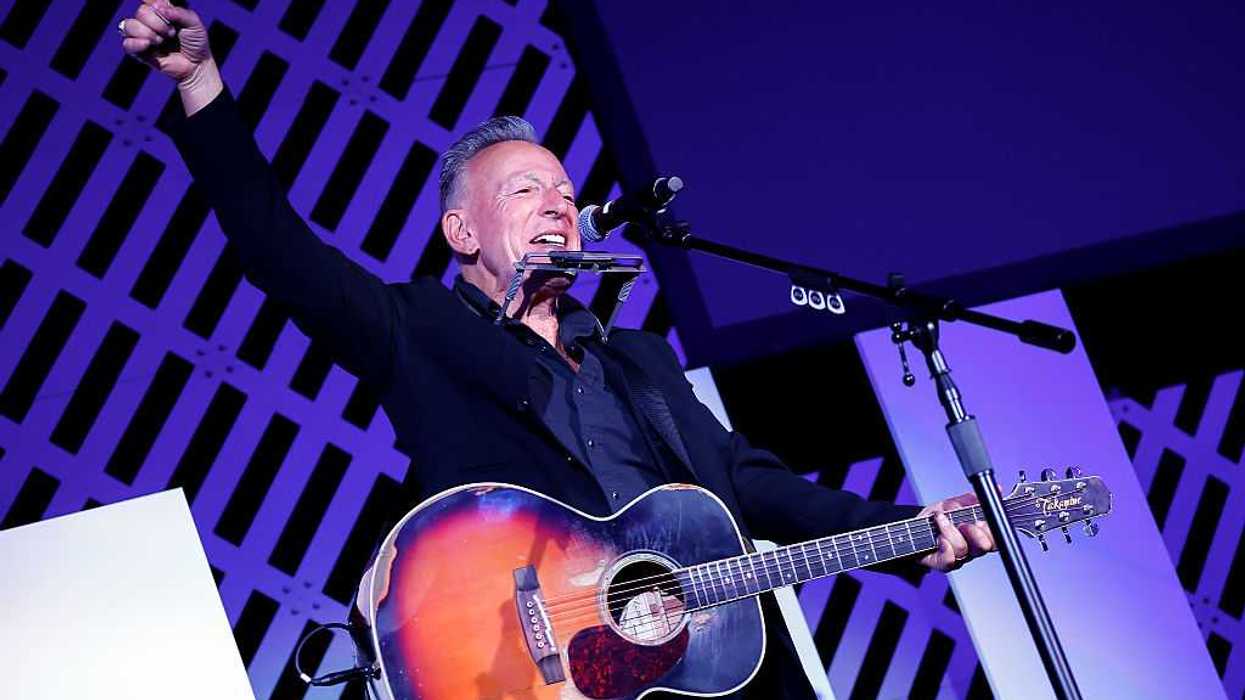
It became clear in late May when Springsteen previewed the festival live from the stage at Nationals Park. "Tom Morello and I will be back in D.C. on Oct. 3 for another night of music and resistance," he told the crowd, asking fans to "make a goddamned ruckus with us." That was not the kind of thing you would expect from a normal Springsteen concert announcement. It clearly signaled that the festival would align with Springsteen's long-standing view that democracy is defended not only in voting booths but also in public squares where citizens gather, speak, and refuse to be quiet.
Since my July writing, the festival’s contours have sharpened. Morello released the full lineup, and it reads like a modern map of protest music: Foo Fighters, Dave Matthews, Joan Baez, Brittany Howard, Cypress Hill, Killer Mike, Dropkick Murphys, Serj Tankian, Jack Black, The Linda Lindas, and others. Shepard Fairey — whose artwork has become a visual emblem for political conscience — will contribute both design and a DJ set. The organizers describe the event as a celebration of “freedom, justice, equality, and rock and roll.” Still, the underlying message is unmistakably civic: ordinary people have extraordinary power when they come together through art and collective action.
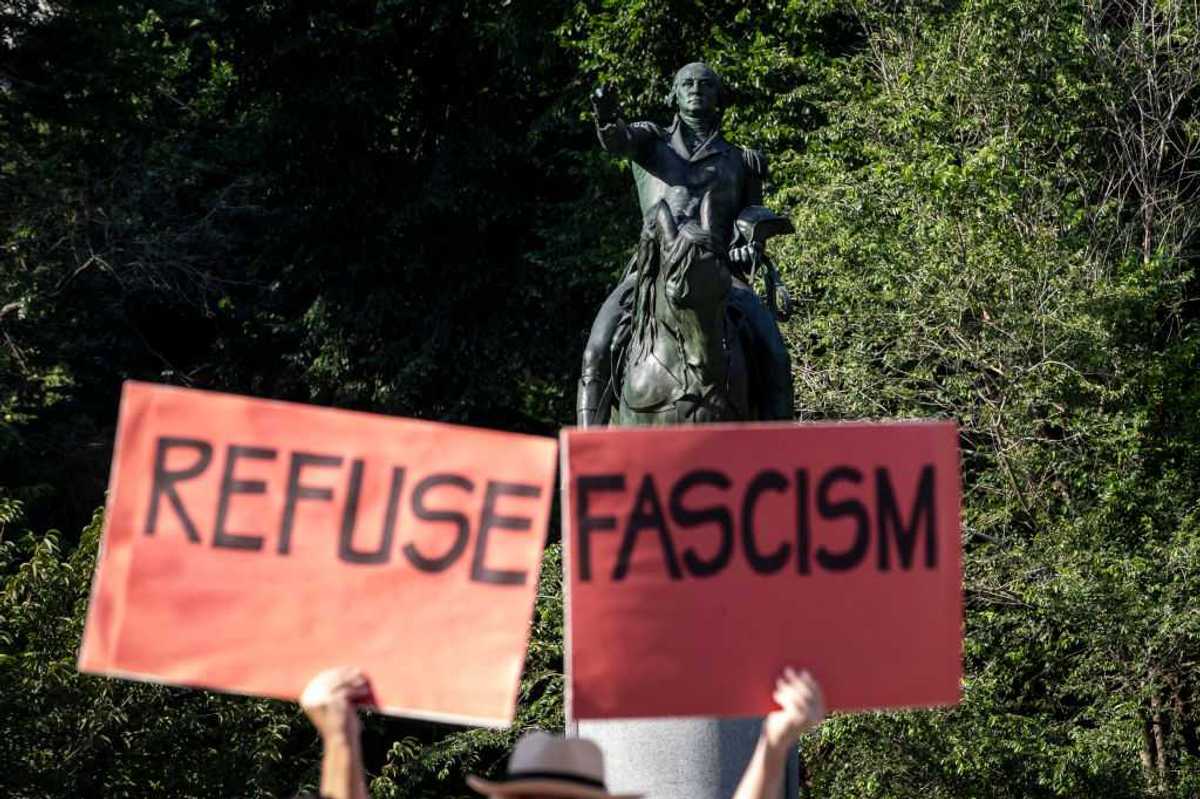
That message fits Springsteen’s recent posture. In my earlier writing, I argued that democratic erosion rarely arrives with dramatic ruptures; it arrives quietly, through resignation and silence. Springsteen has spent the past year trying to shake audiences out of that silence. His criticism of the current administration has been blunt, and his insistence that citizens must speak up when democratic norms weaken has stayed resolute. Morello’s framing of the festival fits squarely within that tradition. This is not about left or right. It is about whether Americans still believe they share a democratic inheritance worth defending.
The festival’s infrastructure reinforces that ambition. Freedom Village, a separate gathering place at the concert, lets attendees meet with nonprofits, advocacy groups, artists, community partners, and organizations working on voting access, grassroots organizing, mutual aid, and civic learning. VoteRiders will receive a portion of ticket proceeds, and HeadCount will be on-site registering voters. These are not symbolic movements. These are operational commitments to strengthening democratic participation at a moment when confusion about voting rules and ID requirements threatens turnout nationwide.
Of course, the political tension about the event is impossible to ignore. In today’s hyper‑polarized climate, even a call for unity can be interpreted as provocation. Springsteen’s criticism of President Trump routinely rockets to the top of news cycles, often followed by immediate condemnation on Truth Social. That dynamic will almost certainly intensify as October approaches.
This tension is exactly what makes the festival worthwhile. The festival is trying to achieve something rare by securing the kind of cultural and media exposure designed to encourage Americans to do more than just vote—such as volunteering, organizing, turning up, and taking responsibility for the country's future. It is not certain whether such momentum can emerge in a divided political environment. Nevertheless, the initiative reflects a belief that music can still inspire public involvement when traditional politics fails.
American democracy has never relied solely on ballots and campaigns; it has always needed cultural traditions that reinforce a shared future, such as abolitionist hymns, Dust Bowl ballads, and civil-rights anthems. Music has served that function in the past, and Springsteen believes it can be done again by deliberately positioning itself in that tradition.
A festival held one month before the midterms, featuring artists known for their political voices, certainly will not escape partisan interpretation and inevitably will be read through a partisan lens, regardless of the organizers’ stated intent.
In fact, it may even deepen the tension between culture and politics. But it also expresses a broader truth: democracy is not only something we vote in—it is something we live in, and sometimes the best way to achieve that is to gather at a festival, listen to music, and let music remind us all what we still hope to be. As Marvin Gaye pleaded more than half a century ago, “You know we’ve got to find a way.” That line still echoes today—a signal that the work of keeping a nation together belongs to all of us.
David L. Nevins is the publisher of The Fulcrum and co-founder and board chairman of the Bridge Alliance Education Fund.