

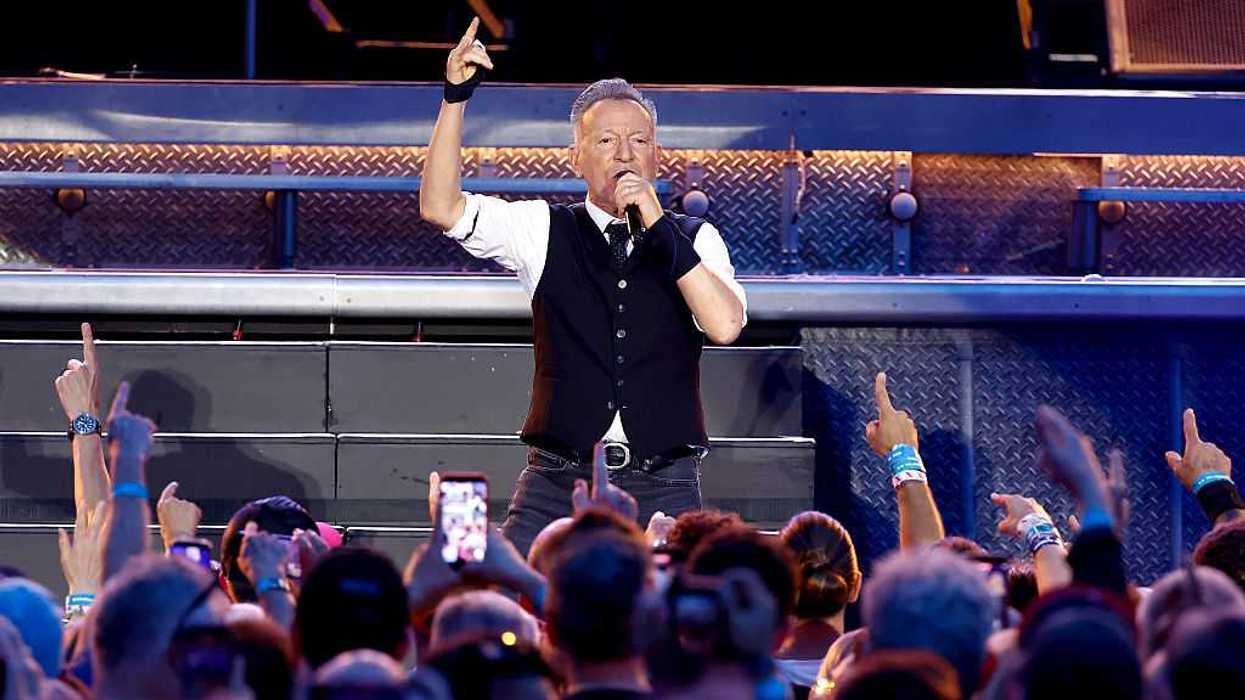
Bruce Springsteen has always spoken his mind through politics and expressed it through his music. For decades, he has treated the stage as a platform for the causes he believes in — a place where songs become arguments, and performance becomes a form of public conscience. His work has long insisted that American culture and American democracy are intertwined, that the stories we tell ourselves shape the country we become. So when he steps onstage in October for the “Power to the People Festival” in Washington, D.C., it is likely that this will just be the next chapter in his lifelong effort to defend democratic values through art.
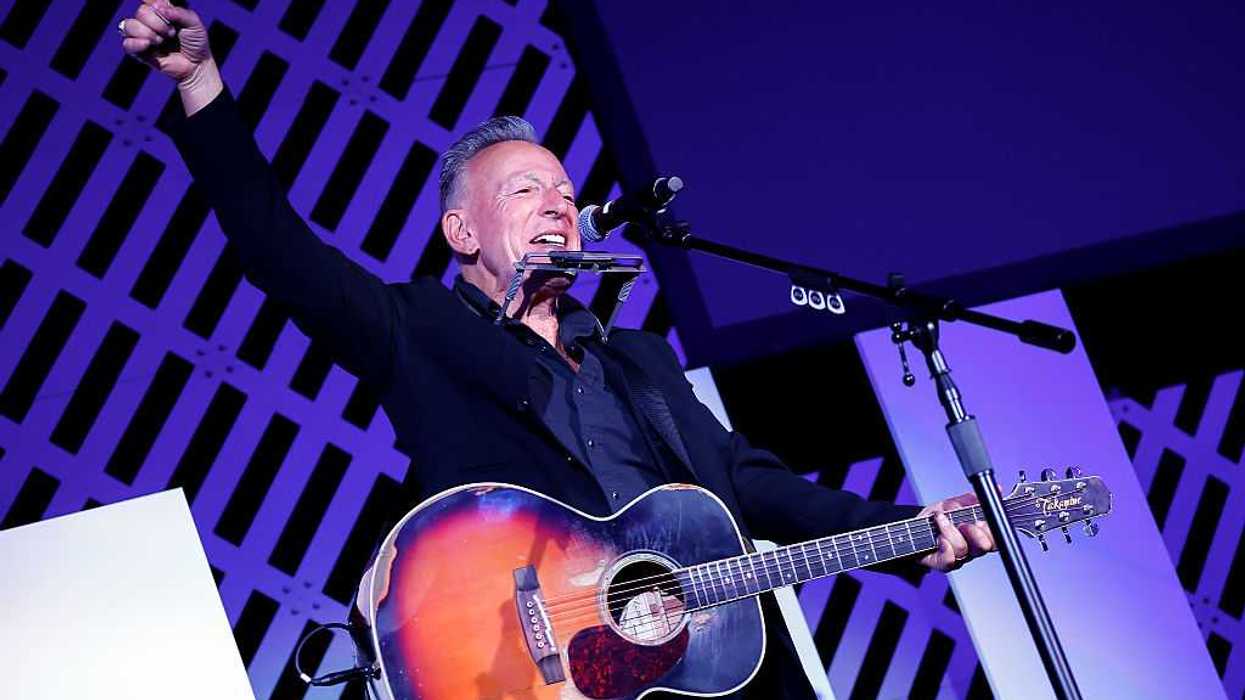
Bruce Springsteen has spent the past year making no secret of his views on the current administration, expressing them with increasing bluntness from the stage. His recent performances have shown that when he believes democracy is at risk, he does not whisper — he raises his voice. Given that history, no one should expect him to be quiet in October. So when he stepped onstage in Washington, D.C., and previewed the upcoming “Power to the People Festival,” it felt less like a surprise and more like the next verse in a long American tradition of artists using their platforms to defend democratic values.
The festival, curated by Tom Morello and set for October 3 at Merriweather Post Pavilion, is being billed as a non‑partisan celebration of peace, justice, solidarity, and civic action. The lineup reads like a cross‑section of modern protest music: Springsteen, Foo Fighters, Joan Baez, Dave Matthews, Brittany Howard, Cypress Hill, Killer Mike, and more. Shepard Fairey, whose artwork has become visual shorthand for political conscience, designed the festival’s imagery.
On paper, it’s a cultural event. In practice, it lands one month before the 2026 midterms, a moment when nearly everything in American life will be interpreted through a political lens, whether intended or not. The festival’s timing could influence the national mood at a particularly charged moment, energizing audiences to engage with the issues at stake or to participate more fully in the democratic process. Its proximity to the election adds weight to its message and positions it as more than just a concert—it becomes part of the broader conversation about the country's future.
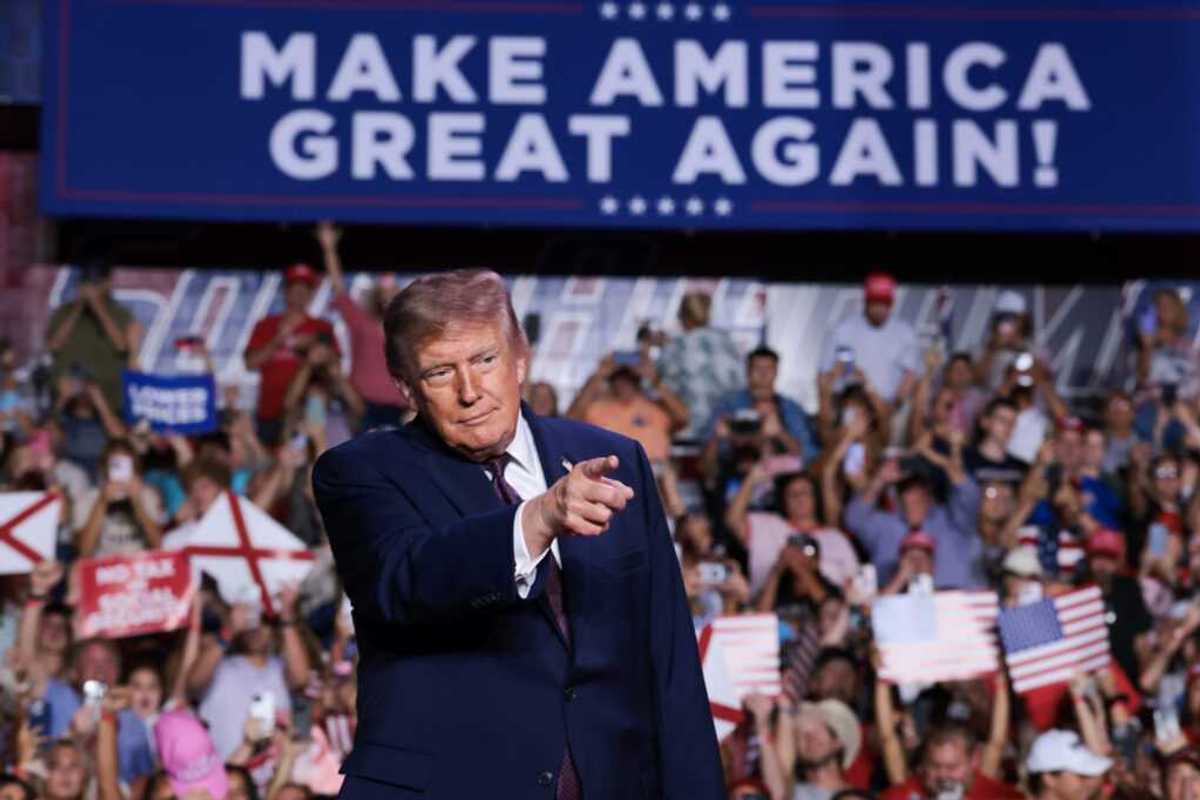
That tension is impossible to ignore. Springsteen has never hidden his distaste for Donald Trump, and Trump’s supporters have never hidden their distaste for Springsteen. In a less polarized era, an artist’s political leanings might have been a footnote. Today, they are headline material. When Springsteen speaks out, it doesn’t drift into the background — it rockets to the top of mainstream news coverage and often draws immediate condemnation on Truth Social from President Trump himself. Even a call for unity can be read as a provocation. Even a celebration of civic participation can be cast as coded partisanship.
This is not the first time Springsteen has tried to shake audiences out of political resignation. In my earlier writing, I warned that democratic erosion rarely arrives with dramatic ruptures — it arrives with shrugs, with citizens numbed into silence while guardrails weaken one by one. That is why his protest tour mattered then, and why this festival matters now. As I wrote in April, Springsteen understands that “the survival of a republic depends on ordinary people refusing to be quiet when it matters most.” His message in Manchester — that “the America I love… is currently in the hands of a corrupt, incompetent, and treasonous administration” — was not aimed at Democrats or Republicans, but at citizens. The Power to the People Festival is a continuation of that call: not left or right, but a reminder that democracy endures only when people raise their voices against authoritarian drift.
But that is precisely what makes this festival interesting. It is attempting something that has become rare: reclaiming a civic space that is neither a campaign rally nor a culture‑war skirmish. Morello has framed it as a gathering where music can remind people of their shared democratic inheritance — the idea that participation, solidarity, and justice are not partisan slogans but civic responsibilities. The festival’s own description reinforces that ambition. Organizers note that, beyond the two stages of performances, attendees will be able to engage directly with nonprofit organizations, advocacy groups, artists, and community partners inside the festival’s Freedom Village, an immersive space highlighting opportunities for civic engagement, grassroots organizing, education, mutual aid, and social‑impact initiatives. And as a further signal of intent, a portion of all ticket proceeds — and 100% of net proceeds from VIP tickets — will support VoteRiders, which works to eliminate ID‑related barriers to voting, and HeadCount, which will be on-site helping fans register and learn how to participate in upcoming elections. In other words, the festival is not only invoking democratic values; it is operationalizing them.
Whether such a space still exists in America is an open question. The country is so extremely polarized that even the most earnest attempts at non‑partisanship can be pulled into the partisan rancor. Yet the festival's organizers have said their aim is to spark meaningful civic engagement and create an environment where people from all backgrounds can come together to reflect on the nation's challenges, not just to perform or listen to music. They hope to inspire attendees to rediscover a sense of shared purpose and to encourage public action that transcends party lines. A festival held in October featuring artists known for their political voices will inevitably be interpreted by many on the left as a mobilizing force against those on the right.
And yet, there is something hopeful in the attempt. American democracy has always depended on more than ballots and campaigns. It has depended on the cultural rituals that remind people they share a country, a story, and a future. Music has played that role before — in abolitionist hymns, in Dust Bowl ballads, in the anthems of the civil‑rights movement. It can play it again, if we let it.
The Power to the People Festival may backfire and increase, not reduce, tension between culture and politics. It may not escape the partisan interpretations that now cling to almost everything. But it does speak to a broader truth: that democracy is not only something we vote in, but something we live in. And sometimes, the best way to remember that is to gather in a field, listen to a guitar, and let a song remind us of the country we still hope to be.
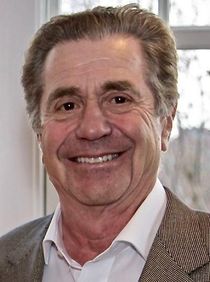
David Nevins is the publisher of The Fulcrum and co-founder and board chairman of the Bridge Alliance Education Fund.







The President Invited Iran to Bomb My Home