

Dear America,
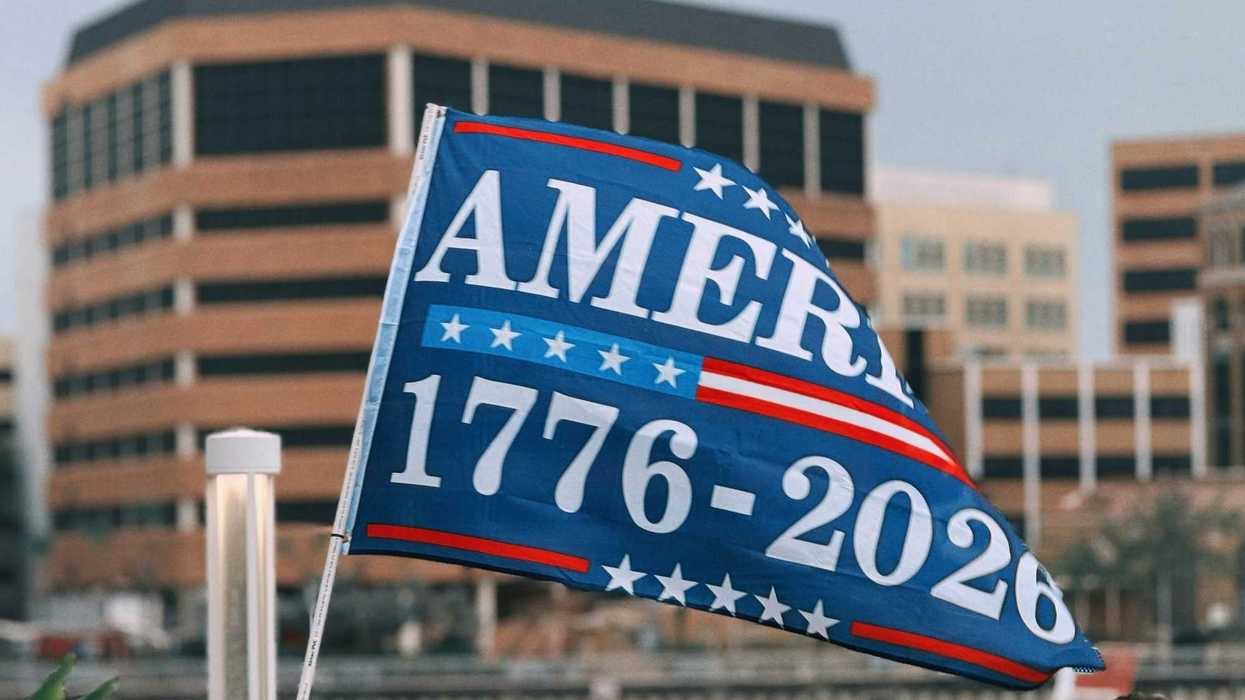
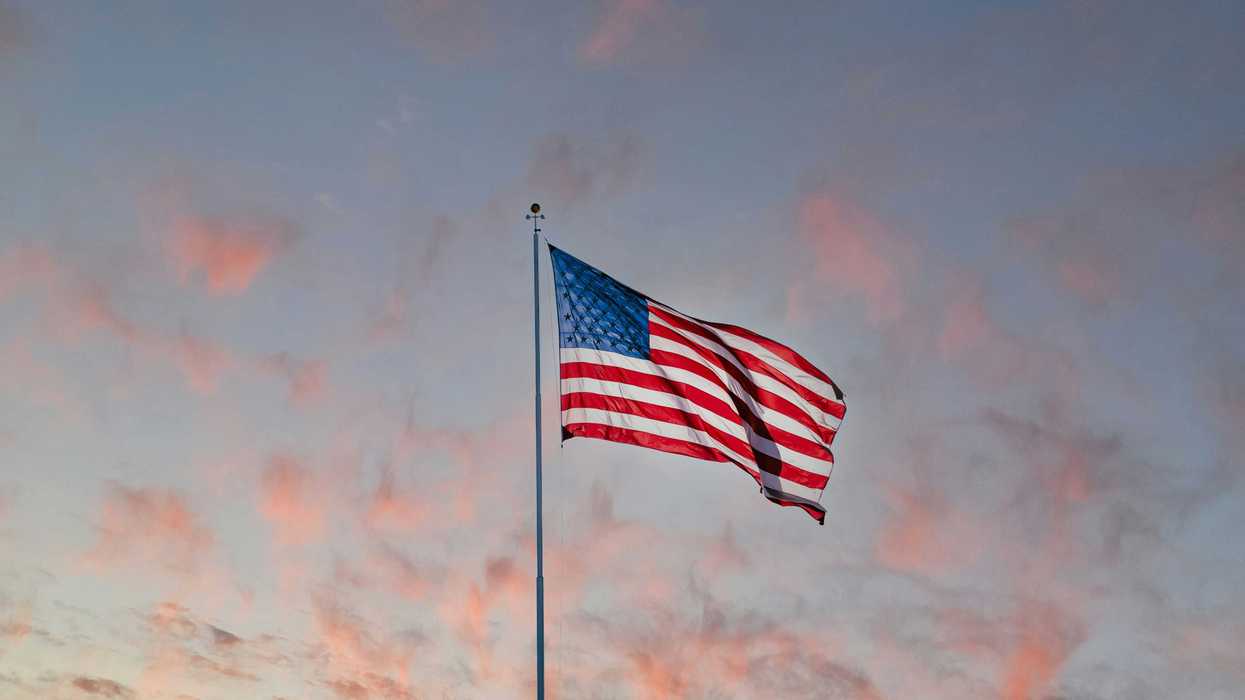
On July 4, 2026, you will turn 250 years old.
A semi-quincentennial is a milestone that very few republics in human history have ever reached. Two and a half centuries ago, a group of flawed but visionary individuals signed a document that flipped the script on human civilization, wagering that ordinary people could govern themselves without a king.
Today, you are a nation of 340 million people, spanning a continent and holding the title of the world’s largest economy. By any historical metric, the American experiment has been a staggering success.
Yet, as the fireworks prepare to launch, the mood across your towns and cities feels less like a celebration and more like an intervention. You are deeply anxious. But if you’re being honest with yourselves, you are anxious about the wrong things.
For years, you have been told by voices on your screens that the greatest danger facing your nation is the other political party. Some of you are told to fear billionaires; others, to fear bureaucrats. Some are told to fear immigrants; others are told to fear corporations. You have built a multi-billion-dollar industry around pointing fingers.
But as you reach this historic milestone, the greatest danger facing you is something else entirely: The growing belief that your problems are somebody else's responsibility.
No republic can survive when its citizens lose faith in their own ability to govern themselves and instead view citizenship as merely consuming services provided by someone else.
Look at the ledger you are handing to the next generation as a birthday present. Your federal debt has climbed to roughly $39 trillion. Debt held by the public has surpassed 100 percent of GDP for the first time since World War II. This year alone, your government is projected to spend about $7.4 trillion while collecting only $5.6 trillion in revenue.
This does not mean you are collapsing, America. It just means that arithmetic still exists. Every dollar you borrow today is an active claim on tomorrow’s workers, businesses, and taxpayers. And while you distract yourselves with endless, superficial culture wars online, the interest on that debt is quietly becoming one of the largest expenses in your federal budget.
Meanwhile, your population is aging. Nearly 18 percent of Americans are now over 65. Social Security and Medicare face severe, long-term financing challenges that will trigger major trust-fund shortfalls within the next decade.
These are not Republican facts. They are not Democratic facts. They are American facts.
Yet your modern politics rewards denial instead of solutions. One side promises that the government can solve every problem. The other promise is that the government is the problem. Neither statement is entirely true. The government built your highways, funded scientific breakthroughs, and put men on the moon. Private enterprise built your industries, created your jobs, and delivered innovations that transformed human life. You succeed when both are accountable to the people — not when either becomes an untouchable power.
This same paralysis is seen in your demographic reality. Your population growth now increasingly depends on immigration as birth rates fall. This fact should not frighten you, nor should it prevent you from asking reasonable questions about border security, assimilation, and national cohesion. A mature nation can believe two things at once: that immigration has historically strengthened its fabric, and that immigration laws must be enforced. The challenge before you is not choosing between compassion and order; it is finding the civic maturity to preserve both.
Beyond the budgets and the borders lies the deepest question of your 250th year: Do you still possess the restraint required to be a free people?
The greatest threat to a free people is not debt, inflation, immigration, or artificial intelligence. It is the loss of trust that allows free citizens to live together. When neighbors become enemies, democracy becomes impossible. When every election is treated as a national emergency, every defeat feels illegitimate. When every institution is assumed to be corrupt, eventually, none can function.
The Founders did not create a system that depended on total agreement. They created one that depended on restraint.
Your future will not be determined by Washington alone. It will be determined by whether you, the people, are still willing to sacrifice, participate, build, innovate, raise families, serve your communities, and tell the truth even when it is inconvenient.
The choice before you on this historic birthday is not Left or Right. It is whether you choose to remain a self-governing people. It is whether you can still solve problems without surrendering your freedom, and whether you can still disagree without destroying one another.
Resolve then, at 250 years old, to leave your children a nation stronger than the one you inherited. That is your modern rendezvous with destiny.
Happy Birthday, America.
Richard Hinds, retired small business owner.