



Skip to content
Search

Latest Stories

Follow Us:
Top Stories

Thoughts on an Anniversary

Opinion

Thoughts on an Anniversary
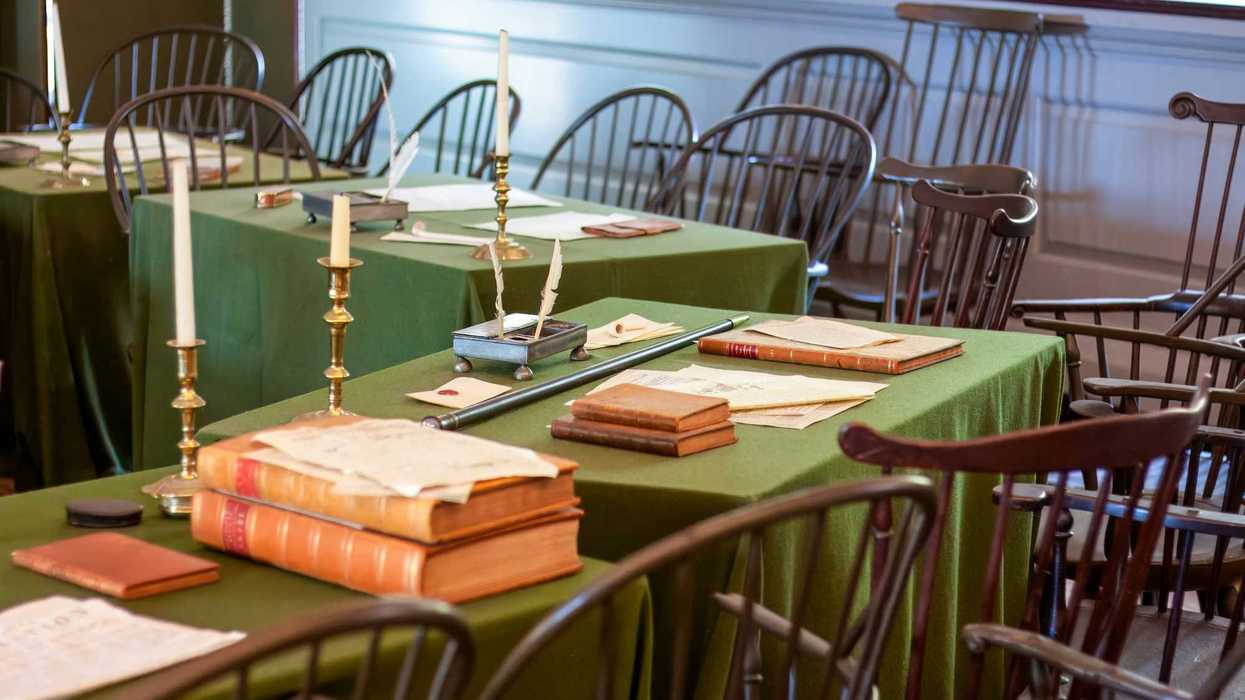
A table with many books and candles on it
Photo by Ryan Wallace on Unsplash

As part of a collaboration between The Fulcrum's NextGen initiative and Made By Us, The Fulcrum is publishing Letters to America, a series created through the Youth250 project that invites Gen Z to reflect on the nation’s past, present, and future as the United States approaches its 250th anniversary.

In small towns across the nation, in accordance with ours of Madison New Jersey, we will gather to recognize an anniversary. Though this milestone has been one of many, I ask that it not be a mere nod to the curiosities of the past, but the spark of an ongoing admiration for all that led us here.


Our founding fathers through incredible strife composed a nation they saw fit for those they would never meet, and 250 years ago took the declarative act of rolling that idea into motion. Setting in stride a sort of imperfect waltz that has bridged the generations.

From our brilliant triumphant stands to our bittersweet sacrifices to times mired in the trouble and chaos of ill decision. And amidst the growing distractions and ample conveniences of modern life, it can be difficult to recall these struggles. But as the years have mounted higher we now find ourselves the tailors and seamstresses of this great tapestry. And as we weave our portion may we do so with care to those neighbors binding us on this great timeline. And sift among their aging and rusted heirlooms with the veneration of a dutiful curator. Keeping alive those voices that reside in our countries keep.

May we remember with honesty the people who played their role in those years, whether they be doers of just or unjust actions. For the sole act of having been where we now are, they remain our most valuable counsel to navigate what may come. we cannot let ourselves be the ones who cutoff our future countrymen, from those cables of communication which we have had the privilege to hear. For we too shall have been where others will stand as time does what it will.

On this anniversary, We arrive at this 250th year not at a culmination, but as an active set of hands entrusted with holding, for a short while an idea that may never be finished yet must always be maintained.

John Cerutti, 24, Madison, NJ

Read More

​U.S. Sen.-elect James Talarico (D-TX) and Texas gov.-elect, State Rep. Gina Hinojosa toast with a fountain beverage at a Whataburger restaurant with a crowd of people around them taking photos.

U.S. Sen.-elect James Talarico (D-TX) and Texas gov.-elect, State Rep. Gina Hinojosa toast with a fountain beverage at a Whataburger restaurant at the conclusion of a midterm election night watch party at the Long Center on November 3, 2026 in Austin, Texas.

Brandon Bell/Getty Images

Fear Politics Lost. Voters Chose a Different Future

Fear is the easiest message in American politics. It is cheap to produce, quick to spread, and usually reliable on Election Day.

For years, this fearfulness has told Americans that the person next door is the enemy. On Tuesday, a great many of them stopped listening. In places almost nobody expected, voters turned away from candidates who vowed to tear things down and rewarded those who treated the country as something worth rebuilding and their opponents as people to persuade.

Keep ReadingShow less
Israel's Path to Peace and Security

A voter casts her ballot at a polling station on October 27, 2026 in Jerusalem, Israel.

Noam Galai/Getty Images

Israel's Path to Peace and Security

Most people do not think that such a thing—peace and security for Israel—is possible. Yet it is possible—but it requires the wisdom and courage to chart a new path.

The old path has been to think of the Arabs—including Palestinians, even including Palestinian Israeli citizens—as being the enemy. And peace and security could only be achieved through military superiority and dominance over an implacable enemy. Whether the government was Labor (liberal) or Likud (right-wing), that has been the underlying assumption of this country founded in the aftermath of the Holocaust and driven by its memory.

Keep ReadingShow less
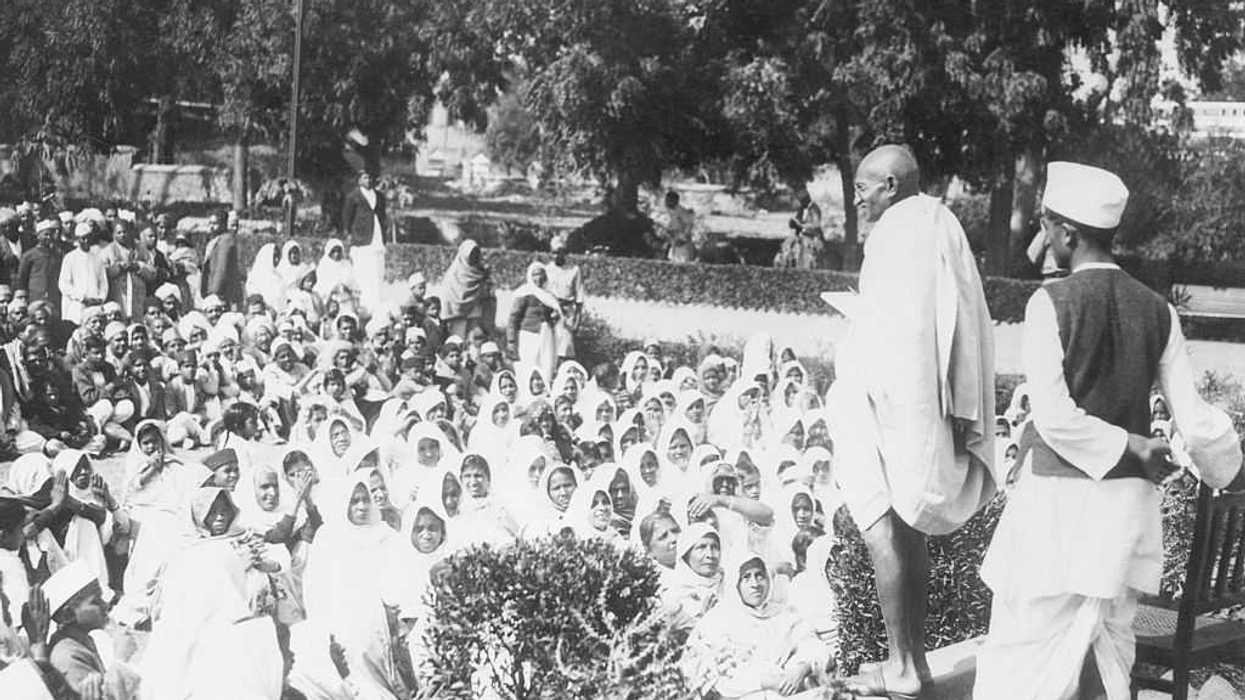
Mahatma Gandhi addressing some of his thousands of followers on a lawn.

Mahatma Gandhi addressing some of his thousands of followers on the lawn of the home of Dr. Ansari where Gandhi stopped during his peace meetings with Viceroy Lord Irwin.

Bettmann/Getty Images

Everyone Wants Peace. That’s the Problem.

In 2007, the United Nations gathered to declare an International Day of Non-Violence. It fittingly chose Gandhi’s birthday, October 2nd, for the occasion: a day to affirm “the universal relevance of the principle of non-violence” and strive toward a common culture of tolerance and understanding.

The resolution passed by consensus, co-sponsored by 140 member nations. Each attested to what nearly everyone believes: that they—their culture, their country, their party, their movement—want peace.

Keep ReadingShow less
The U.S. Capitol in autumn.

New surveys of nearly 20,000 battleground voters find bipartisan majorities say Congress ignores the public, and that more public influence would help.

Philip Yabut/Getty Images

Americans Say the People Can Lead Congress to Common Ground; It Appears They Are Right

New surveys in battleground states and districts across the country, as well as nationwide, find that Americans—both Republicans and Democrats—believe Congress does what most Americans would do less than half the time.

They also found that majorities agree that if Congress were to be more influenced by the people, it would be more likely to find common ground. In fact, surveys show that majorities of Republicans and Democrats agree on what to do about many issues that Congress is stuck on.

Keep ReadingShow less