


Across the Seattle region, Somali families are living with a level of fear that few others in our city fully see. This fear is rooted in sudden immigration court changes and in a national climate that feels increasingly unstable for people seeking asylum.
In recent months, immigration attorneys in multiple states, including here in Washington, have reported that Somali asylum hearings were abruptly rescheduled to earlier dates, in some cases moved forward by months or even years. Families who believed they had time to prepare are now scrambling to gather documentation, secure legal representation, and revisit traumatic experiences under compressed timelines.
Nationally, the immigration court system is facing a historic backlog. According to the Transactional Records Access Clearinghouse at Syracuse University (TRAC), there are more than 1.5 million pending immigration cases in the United States, including hundreds of thousands of asylum claims. TRAC data shows that the backlog has steadily increased over the past decade, placing enormous strain on due-process protections and access to timely adjudication.
While reducing backlog is important, accelerating individual cases without expanding access to legal representation risks creating a different kind of injustice. Research consistently shows that representation dramatically impacts asylum outcomes. A study by the American Immigration Council found that detained immigrants with legal representation were up to five times more likely to obtain relief than those without counsel. In asylum cases specifically, representation is one of the strongest predictors of success.
When hearings are moved up with limited notice, asylum seekers may not have adequate time to secure attorneys, gather affidavits, obtain country condition reports, or prepare testimony. Due process depends not only on having a hearing, but on having a meaningful opportunity to present evidence.
For Somali nationals, the anxiety is heightened by longstanding instability in Somalia. The U.S. Department of Homeland Security has repeatedly designated Somalia for Temporary Protected Status (TPS) due to armed conflict and extraordinary conditions. TPS has been extended multiple times over the years because of persistent insecurity and humanitarian concerns. Although TPS policy decisions are separate from asylum adjudications, Somali families closely watch federal shifts in protection policies and worry about broader enforcement consequences.
There are also circulating fears about deportation to third countries, including Uganda. While formal removal arrangements depend on federal policy and bilateral agreements, even the perception of possible third-country transfers creates profound distress for asylum seekers who lack permanent status elsewhere. For families who have fled violence, uncertainty about potential removal locations deepens trauma.
Immigration court data also shows disparities in outcomes depending on geography and adjudicator assignment. Research examining federal immigration court decisions has documented significant variation in asylum grant rates across judges and jurisdictions. These disparities underscore why procedural safeguards and adequate preparation time matter.
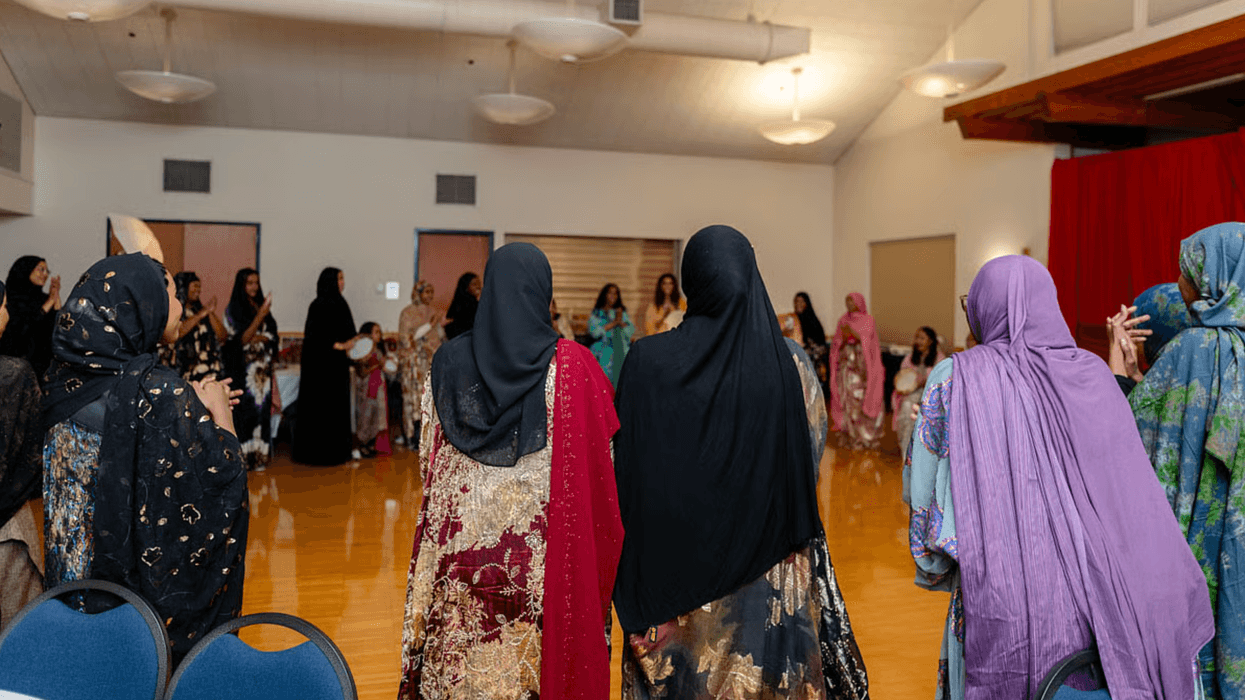
Seattle and King County are home to one of the largest Somali communities in the United States. Somali residents are entrepreneurs, health care workers, faith leaders, students, and parents volunteering in schools. Many fled civil war, political persecution, or extremist violence. They came here believing in the promise of protection under U.S. asylum law, which is grounded in the Immigration and Nationality Act and international refugee conventions.
Seattle often describes itself as a welcoming and equity-centered city. That commitment is tested in moments like this. Efficiency in immigration courts cannot come at the cost of fairness. Policymakers must ensure that docket management reforms do not undermine access to counsel or due process rights. Clear communication from federal agencies is also essential. When communities do not receive transparent information, fear fills the vacuum.
Somali asylum seekers are asking a basic question: Will we have a fair chance to tell our story?
Due process is not a technicality. It is the foundation of a just immigration system. If we believe in fairness and human dignity, then we must insist that procedural protections remain at the center of asylum adjudication.
The families affected are not abstractions. They are our neighbors. Their safety and stability are part of Seattle's future.
Ubax Gardheere is a King County–based advocate for racial equity and transformative justice. Born in exile and shaped by experiences of economic injustice and forced migration across East Africa, she has called King County home for more than 30 years.
As Immigration Hearings Accelerate, Somali Asylum Seekers Fear Losing Due Process was originally published by the South Seattle Emerald and is republished with permission.