
Who would have guessed that conspiracy mongering and civil unrest could be good for us.
(I did, kind of, at least the part about civil unrest unexpectedly serving a greater public good. But until Donald Trump flooded the airways and choked our politics with one made-up conspiracy after another, I didn’t see the connection between these fake crises and the few real conspiracies that had led to public unrest in the past. I also didn’t imagine that conspiracies, like civil unrest, might reinforce the legitimacy of conventional political practices and values rather than undermine them.)
But here we were, on the cusp of important mid-term elections, making big deals out of differences among ourselves that are smaller than we have been led to believe and picking cultural fights we could have ignored without doing ourselves any harm.
Had we paid more attention to our history, we might have figured this out before now. But we didn’t.
I was certain that we wouldn’t take the time right now to think about the good that conspiracies do. All the signs of a resurgence in conventional political activity, legislative initiatives, and judicial pushbacks were already out there. We just weren’t ready to see how Donald Trump’s conspiracy foolishness, his supporters’ willingness to jump off another cultural cliff just because he told them to, and our renewed commitment to conventional politics and political values were connected.
What we were paying attention to instead was how difficult it had become to find signs of Americans getting along and speaking well of each other in public. Wondering aloud and unkindly about who should be an American, whose rules we had to follow, and how accountable we need to be to people who aren’t like us had become something of a national pass time. In some communities, disagreements about such matters had taken troubling and dangerous turns.
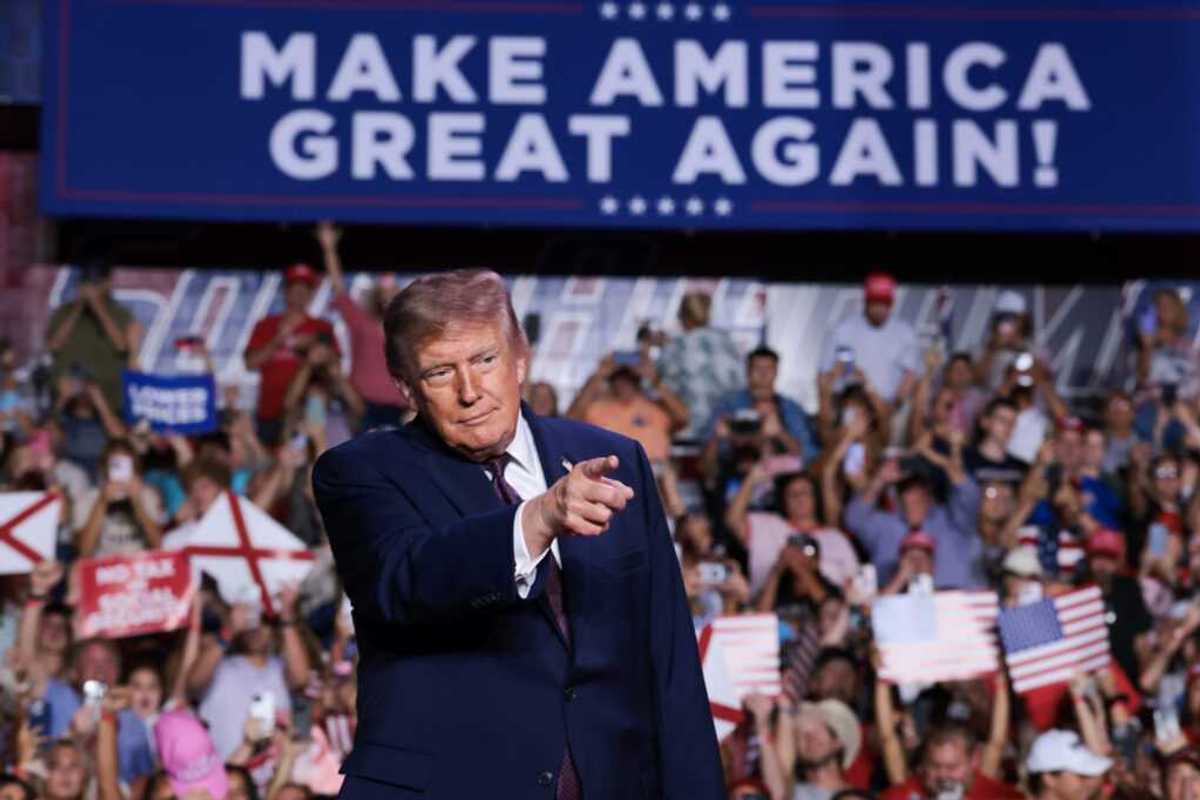
No small blame for this situation has been laid at the feet of Donald Trump. He’s enjoyed great success politicizing our fears about immigrants and finding cultural issues that make our differences look bigger and worse than they really are. Mean-spiritedness and conspiracy mongering had become crucial pieces of his governing strategy.
The tales Trump has spun, especially those involving the “Epstein files” and alleged voting irregularities, energized his supporters, polarized our politics, overwhelmed our courts, and made it difficult for elected officials to legislate. But the time people spent pushing conspiracies also inspired many of us to use those allegedly tainted elections, legislatures, and courts to clean up the messes conspiracy junkies had made.
I’ll grant you that looking at conspiracies more positively, much less presenting them as an important tool for civic renewal and comity, would seem counter intuitive at best and politically, perhaps even morally, suspect.
But conspiracies contain the very seeds of their own undoing and our political salvation. They accomplish this by encouraging the rest of us to renew our commitment to use politics, the courts, and legislative bodies for the purpose they were designed to serve: to slow us down and take the time to make and amend laws that pull us away from the far left and far right ends of our political spectrum to someplace closer to its center.
Had we taken our own history more seriously, we would have seen that the threat conspiracies pose to conventional politics and governance is wildly overstated. The conspiracy around Jeffrey Epstein’s pimping of young women to celebrated men, to take one notable example, has shown that unresolved questions about who’s behind a conspiracy and benefitting from it can be turned against the very people who tried most to exploit it. This would include a president of the United States.
Other kinds of social discontent – the kinds associated with the Civil Rights Movement and Vietnam War – had an equally unimpressive track record in forcing leaders to make fundamental changes to how politics and governments usually work.
Our conspiratorial age and its reactionary impulses turn out to be the flipside of the reform-minded projects and progressive ideas celebrated by Civil Rights and anti-Vietnam War activists in the 1960s and 1970s. The reason both failed to satisfy aggrieved Americans is that people ensconced in “The System” back then or today in the “Deep State” swallowed and temporized challenges to their legitimacy.
Notable among the actions that defused and swallowed the anti-war movement was the draft lottery. Young men with a high lottery number were peeled from the ranks of protesters. Mass demonstrations against the war fizzled. The war continued for several more years, but unchosen draft-eligible men were able to get on with their lives. I was one of them.
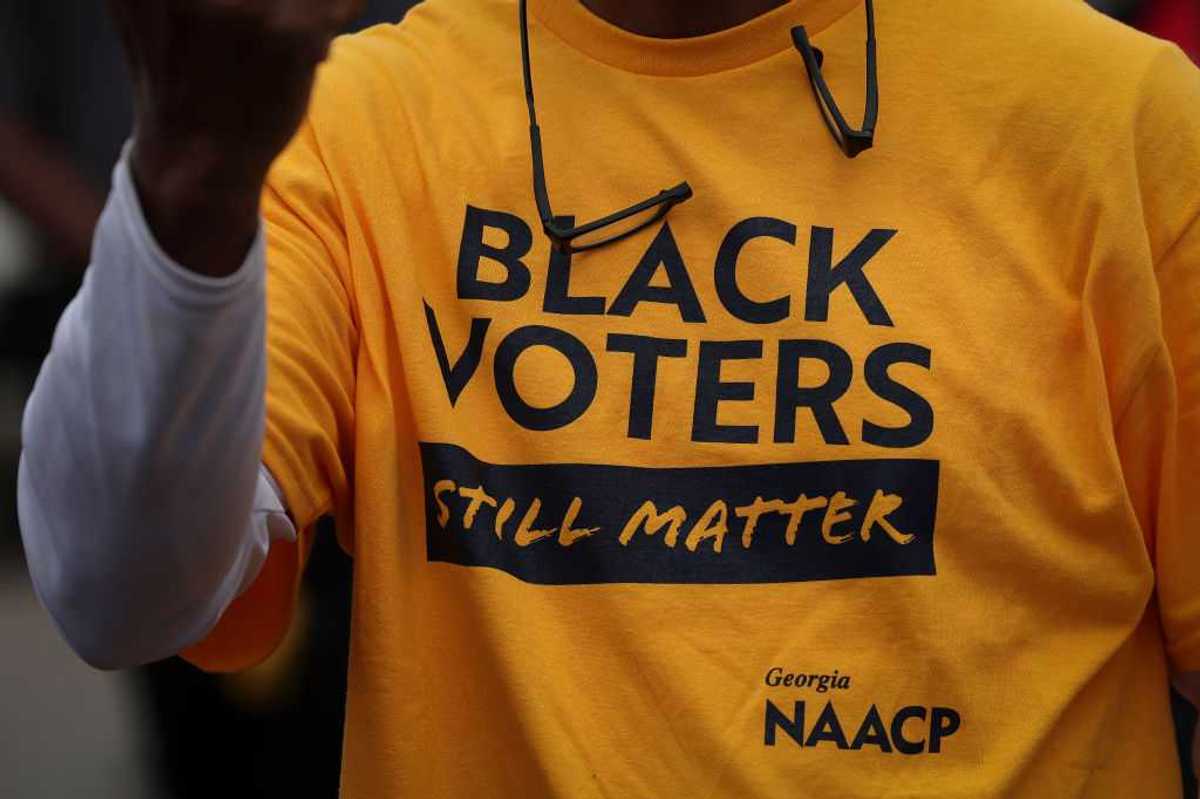
Civil rights reforms, on the other hand, made it possible for better educated minority men and women to move into the middle class by acquiring positions in government programs, non-profit organizations, and businesses that saw real advantages to hiring them.
In both cases, federal officials figured out how to buy their way out of trouble. They secured a measure of domestic peace and quiet by improving the life chances of some young men and women. The reforms that made this possible, however, also left many more people no better off and in the case of draftees demonstrably less well-off than they already were.
Tentative steps to address public calls for more dramatic and far-reaching changes had officials amending but not fully reversing courses of action that they had long followed and showed great reluctance to change.
At the same time, the changes federal officials did make inspired people who didn’t like these reforms or the people benefitting from them to mount challenges to progressive politicians and government programs. Decades later, Donald Trump’s political ascent would be energized by these displeased people. Their grievances and fears fueled all the conspiracies he created for their consumption.
That was the bad news.
The good news was that the backstory to the failure of Trump’s conspiracies to make permanent changes to our politics and government was written two hundred years ago in slave insurrections that were much feared in the ante-bellum South. Slave insurrection panics were more likely when slave masters were away from their plantation and the few times during the year when slaves were allowed moments of “free time.” Actual slave insurrections rarely happened, and ones that did come to pass were quickly suppressed.
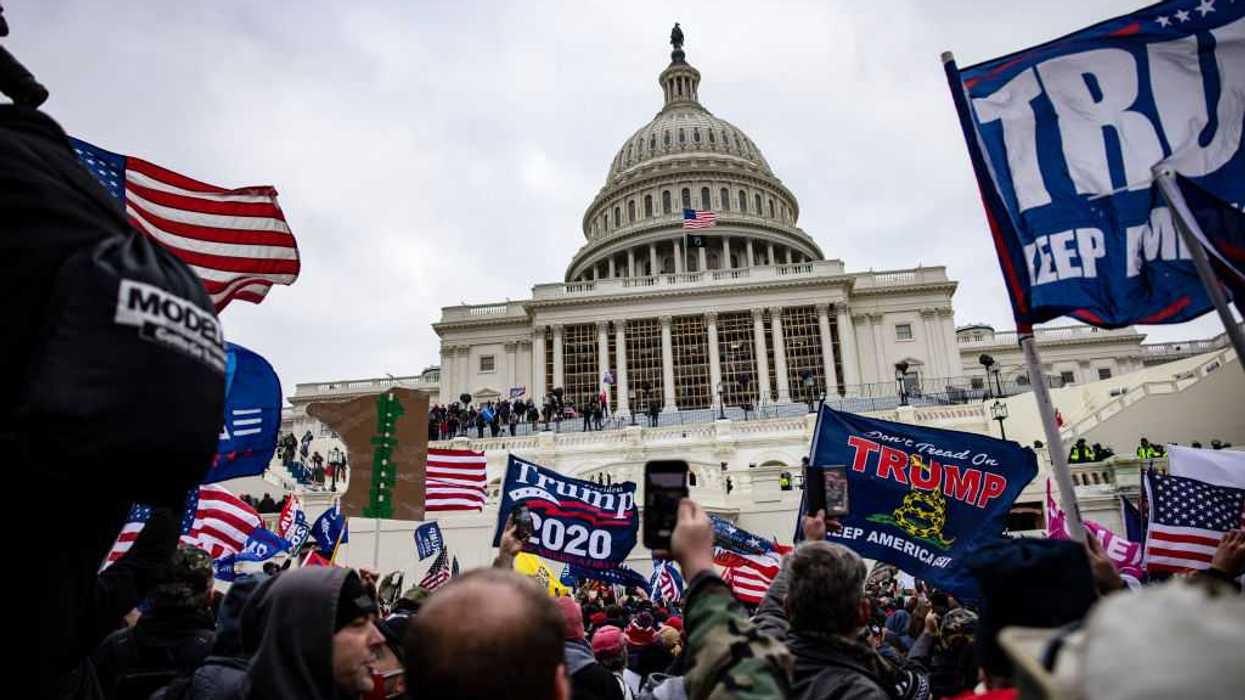
The vote-cheating panic President Trump created in 2020 provoked an “armed” insurrection on January 6, 2021, and this country’s first attempted presidential coup d’état. Whether one believed the claims made by President Trump or discounted them is irrelevant. What matters is that the conspiratorial shots Trump took then and more recently have not sewn the chaos he predicted and needed to turn our constitutional republic into a popularly elected monarchy.
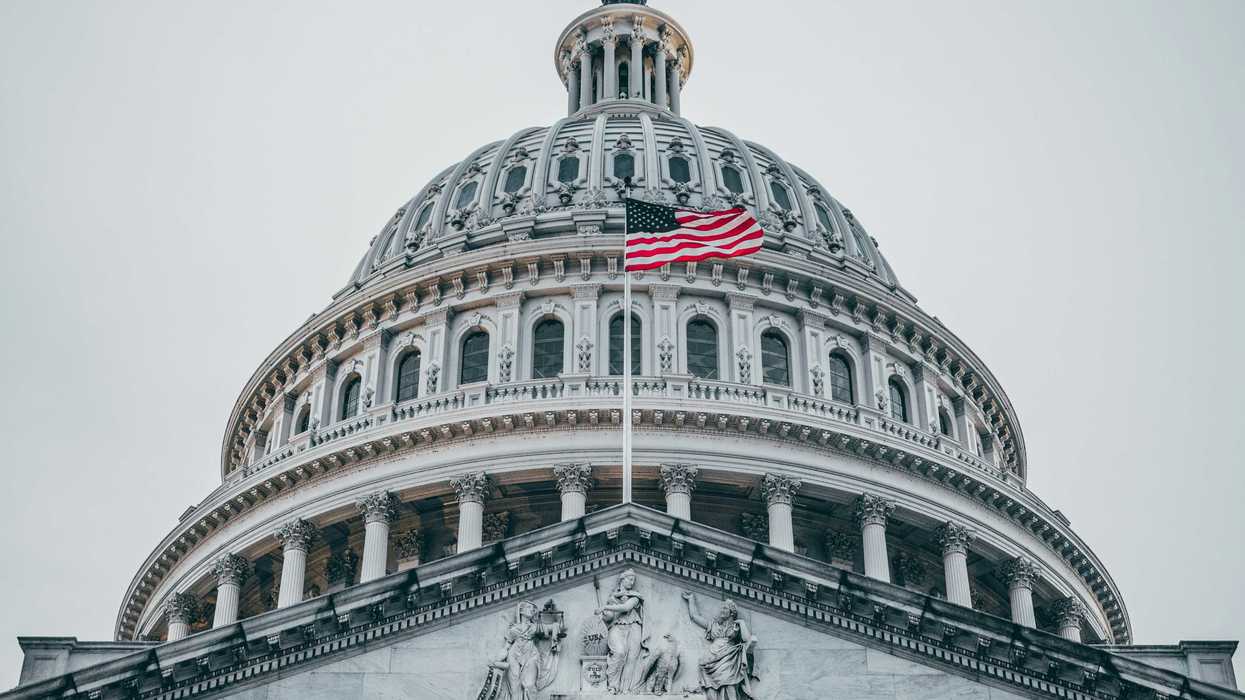
Violent acts by individuals who are provoked by conspiratorially-inspired rhetoric and campaigns are ugly but comparatively rare. Rarer yet are violent demonstrations initiated by large groups of people who buy into whatever conspiracy is currently being waved in their faces. The January 6, 2021, assault on the U.S. Capitol was a notable exception. It lasted only a few hours, however, and had no impact on the electoral college vote that certified Joe Biden’s victory other than delaying it.
Donald Trump’s failure to secure an electoral college recount by provoking his supporters reaffirmed what historians have long understood about turning upset people into lethal political weapons. You’re as likely to hurt your friends as your foes when you shoot off more than your mouth.
Donald Trump’s most dedicated insurrectionists understood this. Most left their guns outside of the Capitol, and no one who carried their gun inside the Capitol discharged their weapon. The clubs and spears they used were reminiscent of the pitchforks and torches peasants once carried to protest the price of grain, not weapons anyone would rely on to overthrow a national government with a large standing army.
The aspirations of the governed coincide with the interests of their leaders more than the public fights they pick suggest. Discontented people settle for shows of contrition by their leaders and amendments to the way they are governed. Aggrieved people want their concerns acknowledged and their interests taken seriously more than they aspire to overhaul the way that politics is played and their government runs.
Donald Trump’s presidencies provide good examples of how pairing institutional corruption with conspiracies provoke more convention-affirming pushbacks than revolutionary upheaval. The run-up to the mid-term elections in 2026 demonstrated Americans’ confidence in conventional political and legal means to challenge and repulse many of the president’s worst excesses. So too would the results of the election.
Conspiracies and popular unrest enable leaders to push a potential crisis off to the side and avoid a serious review of what went wrong, who was responsible, and how to restore faith in their rule. They postpone more immediate and serious reckonings over the customs and values that underlie the work of conventional institutions.
Donald Trump’s conspiracy followers had reactionary goals in mind. They wanted to restore practices and priorities that elites used to take for granted and their supporters liked. At the top of that list was restricting the number and variety of newcomers and outsiders who can exercise rights and privileges that comparatively few of them were allowed to practice in the past.
People who protested and took advantage of popular unrest to secure minority people’s civil rights and end the war in Vietnam had more progressive goals in mind. They wanted to give less esteemed people a greater chance to throw their collective weight around and push for a more inclusive brand of politics and governance.
Our history shows that popular unrest and conspiracies compel Americans to take a hard look at the contradictions built into their society. It also shows that even outrageous public fights nearly always end with modest changes being made and the government left intact.
This probably won’t make progressive-minded reformers happy.
It should, however, send a shiver down the spines of aspiring autocrats whose principal goal in stirring up trouble is to keep themselves in power.
Daniel J. Monti (danieljmonti.com) is Professor of Sociology at Saint Louis University and the author of American Democracy and Disconsent: Liberalism and Illiberalism in Ferguson, Charlottesville, Black Lives Matter, and the Capitol Insurrection.

 Following our HWF Civic Futures kickoff last week with Eric Liu, our design partners at Public/Official have created a unique visual to capture the “civic scaffolding” spirit of this conversation.
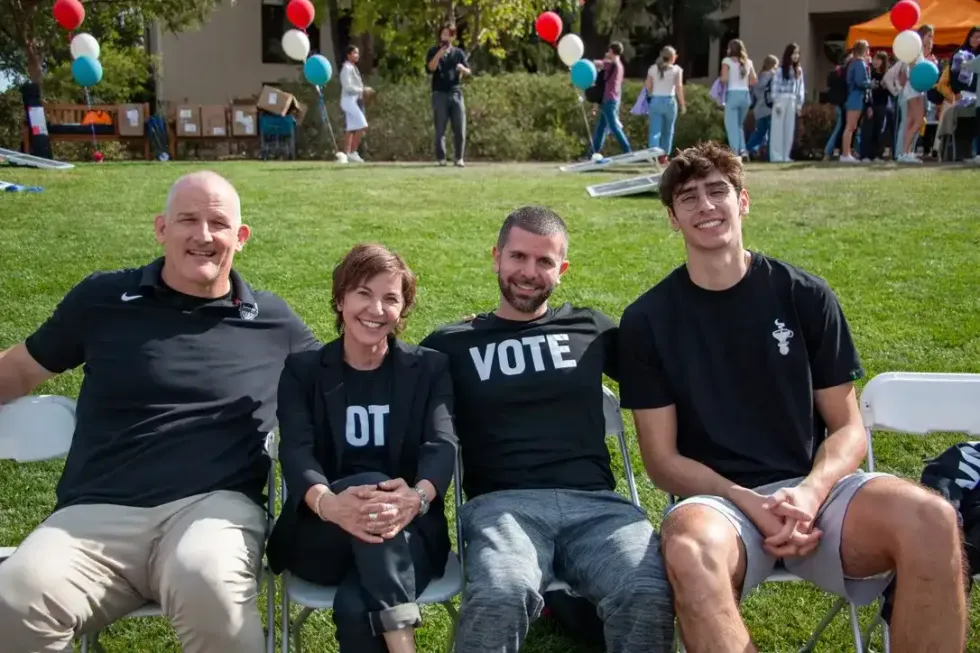 Lisa, Coaches Rev and Matt Elkin, and former Stanford Men’s Basketball star Maxime Raynaud at Stanford’s “All Vote No Play” Democracy Day, 2025