



As the United States confronts the limits of its own divisions, it can feel as though blame has replaced problem-solving in nearly every area of public life. That perception has led to public trust in just about every major institution—from government to media, religious institutions, and nonprofits—reaching historic lows.
But Americans are tired of division—and new research confirms that. A national survey by the Council on Foundations and Hattaway Communications found that nearly nine in ten Americans (89%) support working across differences, and 80% believe charitable foundations should play an important role in modeling that collaboration. The vast majority—across political lines—remain optimistic about the future, and fewer than one in four believe the country is “hopelessly divided." And despite narratives to the contrary, they believe charitable foundations and nonprofits should play a leading role in modeling how to bring people together.
In a moment when polarization dominates headlines, these findings tell a clear story: Americans still believe in the power of working together. The large majority of survey respondents agreed with the statement: “To make a difference in the world, you need to be able to work with people you disagree with.” The survey shows they believe that every sector has a role to play—starting with government, but extending to businesses, faith groups, and philanthropy. And they look to charitable foundations and nonprofits as examples of how collaboration can actually work.
Our survey found that Americans overwhelmingly believe collaboration across differences is how real problems get solved—citing working together on hard issues, creating stronger communities, and finding more effective solutions as the top reasons for doing so. This isn’t a niche or ideological position—it’s a widely shared conviction about how progress happens in America. And it is precisely the work that philanthropy does: bringing people with different experiences and perspectives around the same table to make tangible progress.
The hope people expressed in these findings already has a home in the charitable sector. The work of foundations and the nonprofits they work with shows us regularly that our diversity of identities, priorities, and worldviews isn’t an obstacle to overcome but a resource to draw from when the nation feels most fractured. Whether it’s the local church feeding neighbors during an economic downturn, or the local YMCA providing emergency childcare for first responders during the pandemic, foundations and nonprofits are a steadying force that show up brightest in our darkest times, creating progress by tapping into the strengths in our differences.
Rooted in Purpose
Across the country, charitable foundations are providing the resources and support necessary to not only help local nonprofits support the job creation, small-business recovery, and affordable housing communities rely on–but also provide a critical model for supporting the dialogue, participation, and collaboration that healthy societies depend on.
Consider Lilly Endowment’s $22.4 million grant to support Weave, a program of the Aspen Institute founded by former editor and columnist David Brooks. Weave was created to address one of America’s deepest challenges: a breakdown of trust and belonging. By connecting 75 community-based organizations and thousands of local leaders, Weave helps towns across the country rediscover what it means to live and work together. Its “weavers” aren’t political figures—they’re the neighbors, teachers, faith leaders, and small business owners building stronger communities one relationship at a time. As Lilly Endowment Chairman and CEO N. Clay Robbins put it, “Time and time again, we have seen that neighbors working together to address an important local need can heal fractures and correct misunderstandings in a community.”
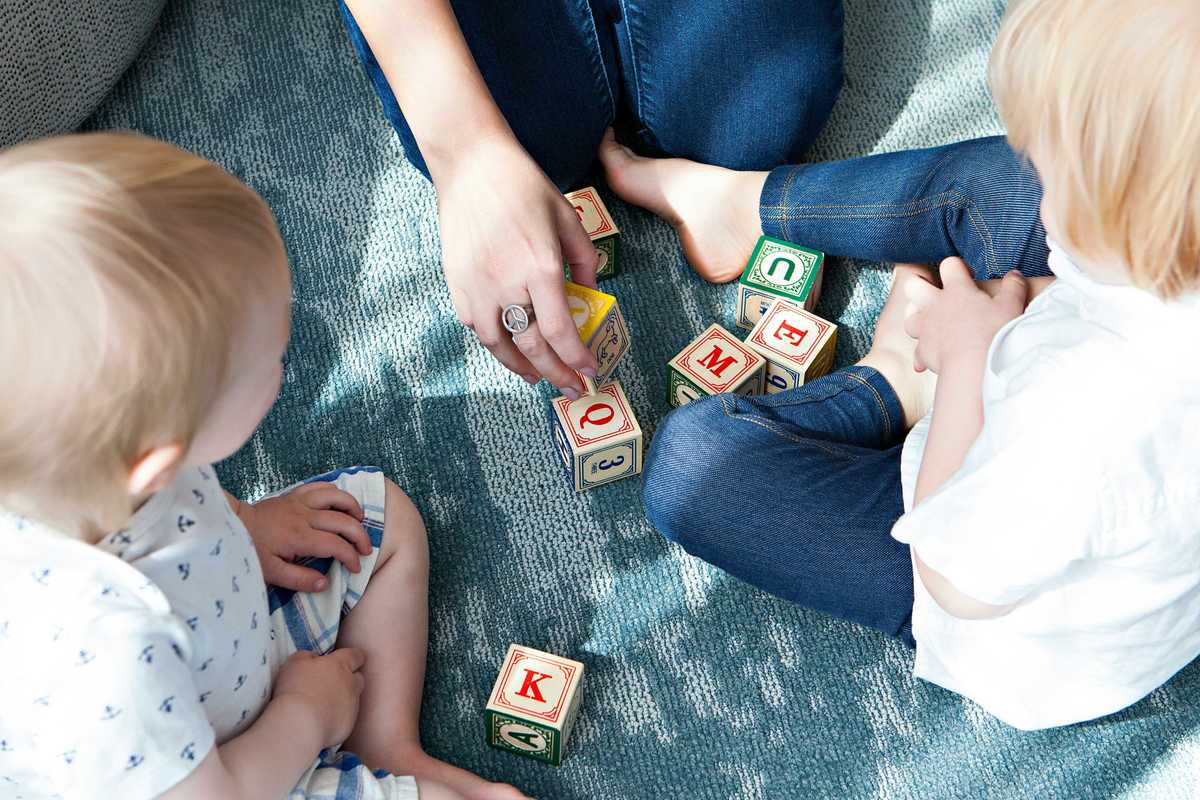
The same spirit is visible in Park City, Utah, where the Park City Community Foundation’s Early Childhood Alliance helped unite city officials, county leaders, and nonprofits to confront one of the most pressing challenges for working families: the rising cost of childcare. In a community known for its high cost of living, families were struggling to balance car payments, mortgages, and childcare fees that rivaled rent. In response, the foundation partnered with the City of Park City, Summit County, and the nonprofit Upwards to launch a needs-based childcare scholarship program—ensuring that 100% of public funding for tuition assistance goes directly to families.
For many parents, the support was life changing. For local employers, it stabilized the workforce—city employees even receive childcare stipends as a benefit. What began as a local experiment has now generated a $4.5 million economic impact and drawn national attention as a model for other communities.
If this new data offers a glimpse of hope—countering the narrative of division with evidence that people still believe in unity—then these examples should give us optimism. They provide a model for what’s possible when communities choose connection over division. By supporting that critical work, charitable foundations and generous donors offer more than relief—they offer a model for how our nation can begin to move forward, one act of generosity at a time. During this season, let this remind us of something essential to our American spirit: generosity has always been one of our nation’s most powerful problem-solving tools.
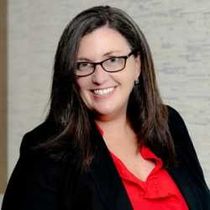
Kathleen Enright is the president and CEO of the Council on Foundations. She has spent more than two decades working to make the philanthropic sector more vital, open, and effective. Widely respected as a mission-driven leader and coalition builder, she has led the Council since 2019, strengthening its vision, value to the field, and engagement with members nationwide.










The President Invited Iran to Bomb My Home