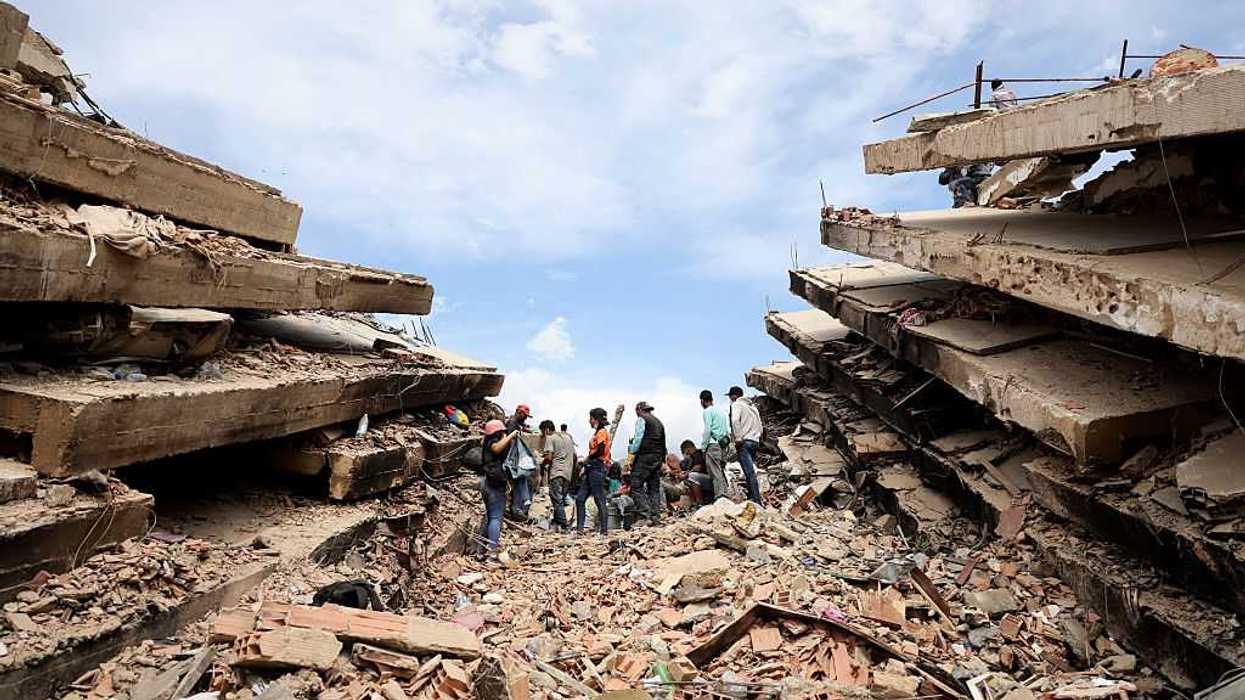

MIAMI, FLA — After twin earthquakes shook parts of Northwestern and Central Venezuela last month, relief efforts have been quickly organized, particularly in South Florida, where the largest relief efforts are being organized.
Miami-Dade County is currently home to the largest Venezuelan diaspora in the country. With over 124,000 Venezuelan residents, the county accounts for about 17% of the national Venezuelan population.
With support from some of the largest national relief efforts for Venezuela, volunteers and organizations based in South Florida have shipped over 50 tons of supplies to communities in affected areas. These shipments include food, medicine, hygiene products, and other essentials.
The earthquakes hit Caracas and some of Venezuela’s coastal cities, including La Guaira and Catia La Mar. The death toll following the June 24 disaster has since reached over 5,000 and left over 16,000 people injured, according to reports from the Associated Press.
As the South Florida community continues to rally behind humanitarian efforts, the Fulcrum highlights four groups organizing support.
Global Empowerment Mission (GEM):
Founded in the wake of the 2010 Haiti Earthquake, which impacted the lives of over 3.5 million people, the Global Empowerment Mission has since worked on 387 disaster relief missions across 76 countries.
Since the earthquakes in Venezuela, the organization has mobilized 20,000 volunteers and announced plans to establish a headquarters in La Guaira, one of the country’s most affected areas.
In an interview with the Miami Herald, CEO and Founder of GEM Michael Capponi described the catastrophe as “10,000 surfsides,” referring to the tragic collapse of the Champlain Towers South building that took the lives of 98 Miami-Dade County residents.
“This looks exactly like if you drove from First Street Miami Beach to like North Hollywood, and every other building or so looked like Surfside [after the condo collapse],” said Capponi in the July 17 story.
The Fulcrum reached out to GEM but did not receive a response in time for publication.
GEM is not working alone, however. Through key collaborations with organizations such as the We Love Foundation, an umbrella foundation based in Miami that organizes smaller projects, the mission has made a significant impact across South Florida.
This isn’t the first time GEM has worked in Venezuela; in 2019, the mission operated from Cúcuta, Colombia, to deliver aid directly to refugees in Venezuela, including medical supplies and equipment.
GEM is currently partnered with the City of Doral, Intercef Miami CF, NBC 6, and Telemundo 51 to collect donations and gather volunteers to support the people of Venezuela.
For more information regarding donations to GEM, click this link.
United Way:
United Way Miami, one of South Florida’s oldest nonprofits, is currently partnering with the Miami Herald and El Nuevo Herald for Operation Helping Hands, a project to allocate funds to relief efforts in Venezuela.
United Way Miami, which has existed for more than a century, has largely worked within the Miami community to provide resources to underprivileged families and children, including opening a Center for Excellence in Early Education in 2007. United Way is also behind a $36.5 framework deal meant to support 84 programs and 48 nonprofit organizations.
With their funding, the collaborators have been able to send goods to Venezuelans in affected areas, made possible by the team at Dividiendo Voluntario para la Comunidad, Venezuela’s United Way chapter.
Other key collaborations with the Venezuela Chamber of Commerce and the Venezuelan American Chamber of Commerce have allowed the project to receive over 10.4 tons of food, 5,700 liters of water, and other beverages for donation.
The Fulcrum reached out to United Way Miami but did not receive a response in time for publication.
For more information on how to support the United Way’s efforts, click this link.
El Centro Comunitario Amor, Fe y Esperanza (The Community Center of Love, Faith, and Hope) (AFE):
Founded in 2009, the Centro Comunitario AFE has been working in the Miami-Dade community to provide families with food assistance and community resources, including job searches and referrals.
Following the earthquakes, the center began rallying support by organizing a drive in collaboration with Univision Contigo to collect goods for donation, including non-perishable foods, personal hygiene products, first-aid supplies, and other essentials.
In an interview with Diario Las Americas, Ruben Jimenez, the center’s president and local pastor, shared that following the earthquakes, demand has been imperative. The Fulcrum has translated Ruben’s statement for clarity.
“It is urgent that this aid arrives quickly, because there are many people who are in great need right now,” said Jimenez to Diario Las Americas.
Since June 24, the center has been able to collect upwards of 250 pallets and sent
over 40 truckloads of supplies.
The Fulcrum reached out to the Centro Comunitario but did not receive a response in time for publication.
For more information on how to support the Center’s efforts, click this link.
South Florida Local Businesses:
But these larger non-profits aren’t the only ones organizing help for Venezuela; local businesses around the South Florida area have also been collecting and donating goods.
Local Venezuelan restaurants like El Arepazo have been collecting goods since the earthquakes struck Venezuela.
Other organizations, such as W Aviation, have been using their own resources to provide help for those gathering supplies. By using their aircraft storage, W Aviation has flown thousands of pounds of aid to Venezuela.
The Fulcrum reached out to W Aviation for comment but did not receive a response in time for publication.
Even in Boca Raton, about an hour north of Miami, restaurants such as Doña Arepa have been collecting donations.
Unidos Por Venezuela:
On August 16, Miami is set to host “Unidos por Venezuela,” a live-streamed concert in support of victims of the earthquake.
The benefit, which will be broadcast throughout the U.S. and Latin America, will be hosted at Miami’s primary arena, the Kaseya Center, and is headlined by artists such as Marc Anthony, Feid, Jay Wheeler, and more.
Organized by the Maestro Cares Foundation, TelevisaUnivision, and PIMIENTO Entertainment, the benefit hopes to raise funds for the effort. Univision Contigo is currently hosting a national donation drive with stops in Los Angeles, Phoenix, Dallas, Houston, Atlanta, and Miami, and has already raised over $154,000 to aid GEM.
Gabriela Quintero is an incoming freshman at Barnard College of Columbia University, pursuing her B.A. in Political Science and English. Interested in politics, migration, policy, and culture, she hopes to pursue a career in political and cultural journalism.






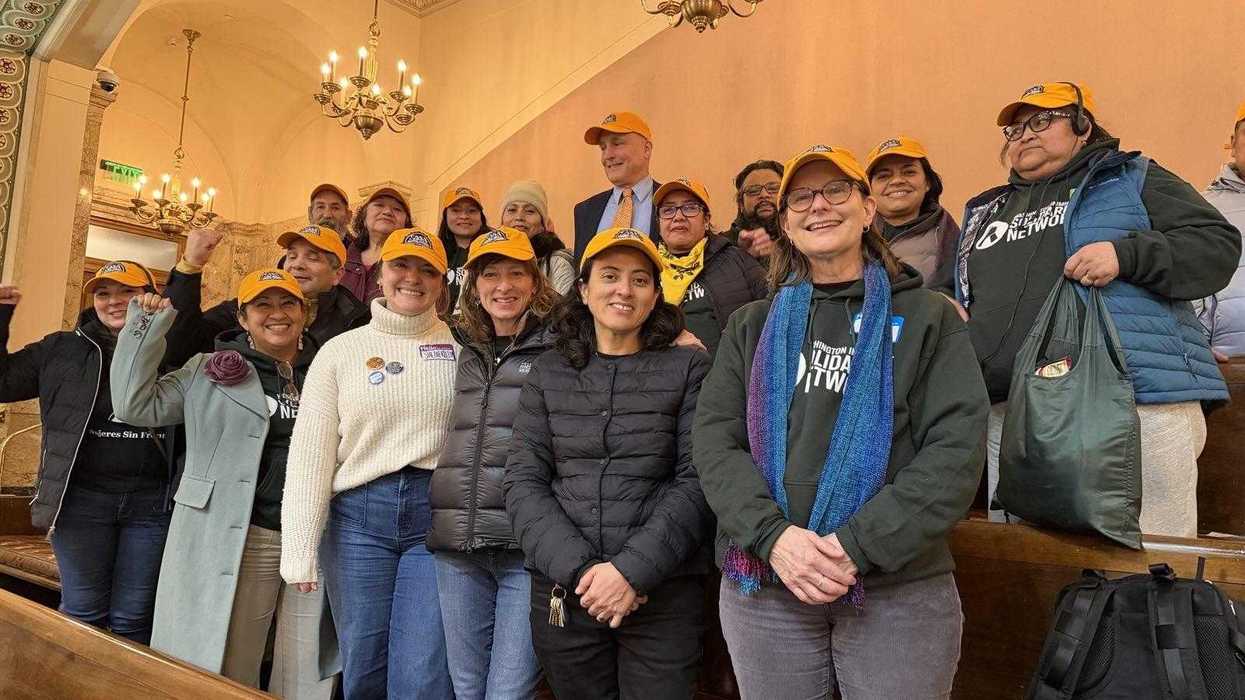
 State Sen. Rebecca Saldaña, center, stands with members of the Washington State Domestic Workers Coalition at the state Capitol on Feb. 28, 2026. The Domestic Workers Bill of Rights passed in the House that day, before being signed into law in March. (Photo courtesy of Casa Latina)