

The most dangerous currency in American politics today isn’t money — it’s deception. It buys loyalty, distorts reality, and reshapes institutions long before citizens realize the damage. My father had a simple way of warning me to guard against that kind of influence: “Don’t take any wooden nickels.” He wanted me to recognize when someone was lying, conning, or dressing something up to look like value when it wasn’t. I never imagined that my childhood warning would become a civic alarm in my adult life, but it has. For years, politicians have handed Americans political wooden nickels — promises polished to look like truth — and the damage those deceptions have caused is now painfully clear.
In this administration, deception circulates like currency — traded, exchanged, and used to purchase influence, loyalty, and time. It is not merely a habit; it has become a governing strategy — a set of tactics used to acquire power, protect it, and bend institutions to its will. .
Corruption in government is no longer whispered about or hidden behind closed doors. It is practiced openly, defended aggressively, and normalized through constant repetition. The president brought his deception act from his business world straight into the White House — a world where branding often mattered more than results, where blurred financial lines, legal maneuvering, and spectacle-driven success substituted for accountability. Many supporters did not realize that the patterns they now see on a national stage were long established: contractors left unpaid, charitable funds treated as personal assets, and loyalty demanded as the price of staying in his orbit. Those same tactics — pressure, intimidation, and transactional loyalty — now shape the way power is exercised, turning deception into a political currency.
The president promised to “clean the swamp,” but millions now believe he developed it. Instead of restoring trust, he has treated public resources the way he treated his business ventures — using charitable foundation money for personal expenses in the past and spending taxpayer dollars freely now, even as families struggle to make ends meet. The contrast is hard to ignore: citizens tightening their budgets while their government spends as if the public purse has no bottom — another reminder of how deception buys cover for power.
His quest for a grand ballroom — a project he claimed would be funded by donors but was not — captures the disconnect. First the donors, then the taxpayers, then the donors again. It symbolizes leadership turned inward, where personal image becomes the currency and public needs become secondary.
Even some of his most vocal allies have begun to acknowledge the cost of this deception. Former Rep. Marjorie Taylor Greene — once one of his fiercest defenders — publicly admitted that the promises of “MAGA” were "a lie" and that the president is now serving "big, big donors" rather than the people who believed in him. Even loyalty has its breaking point when deception becomes the cost of staying in power.
And the consequences are not theoretical — they are unfolding right now. In Louisiana, an incumbent senator was ousted after voting to impeach the president. Suspended elections, aggressive gerrymandering, and constitutional amendments rushed onto ballots are reshaping who gets to choose their leaders. Communities in Tennessee, Louisiana, and Alabama are protesting because they see what is happening: deception is being used to justify the erosion of their most fundamental right — the right to select candidates of their choice. When leaders manipulate maps, timelines, and rules to predetermine outcomes, deception becomes the currency for preserving power.
Little did Americans know that the same leader who promised stability during the 2024 campaign had already encouraged an attack on the peaceful transfer of power in 2020 — and would later support redistricting efforts in 2026 designed to silence minority voters. That pattern — a disregard for constitutional limits, an oath treated as optional in moments when the Constitution constrained him, and open praise for dictators like Xi and Putin— has been reinforced by repeated falsehoods about tariffs, drug prices, and even the origins of Russia’s war in Ukraine. These distortions function as transactions — buying time, shaping perception, and hiding unethical actions behind a veneer of legitimacy.
Conflicting explanations for the costly Iran war — despite promises of "no new wars" — show how deception buys political cover for decisions voters never expected. He once told rally crowds to "Knock the Crap Out Of" hecklers and promised to cover the legal fees. Now he is asking Congress to support individuals convicted for the violence of January 6 — violence that left Americans dead, officers injured, and millions outraged. This pattern has created a divide between the powerful and the powerless — a reminder that deception, once normalized, becomes the currency that determines whose voices matter. For many, it feels like rewarding those who attacked the Capitol while the people who honor it are left unheard. When truth becomes optional, institutions bend, and the public pays the price.
Recently, I spoke with a young acquaintance who supports the president. He was frustrated about rising costs, taxes, and congressional dysfunction — concerns shared by Americans across the political spectrum. But much of what he said was shaped by a news outlet he trusts, and several of the claims were simply untrue. He even repeated the false claim that Rep. Alexandria Ocasio‑Cortez was born outside the United States, though she was born in the Bronx to Puerto Rican parents. I didn’t argue with him. I listened, because his confusion is not a personal failing — it is the predictable result of a leader whose statements are so often contradicted by later facts.
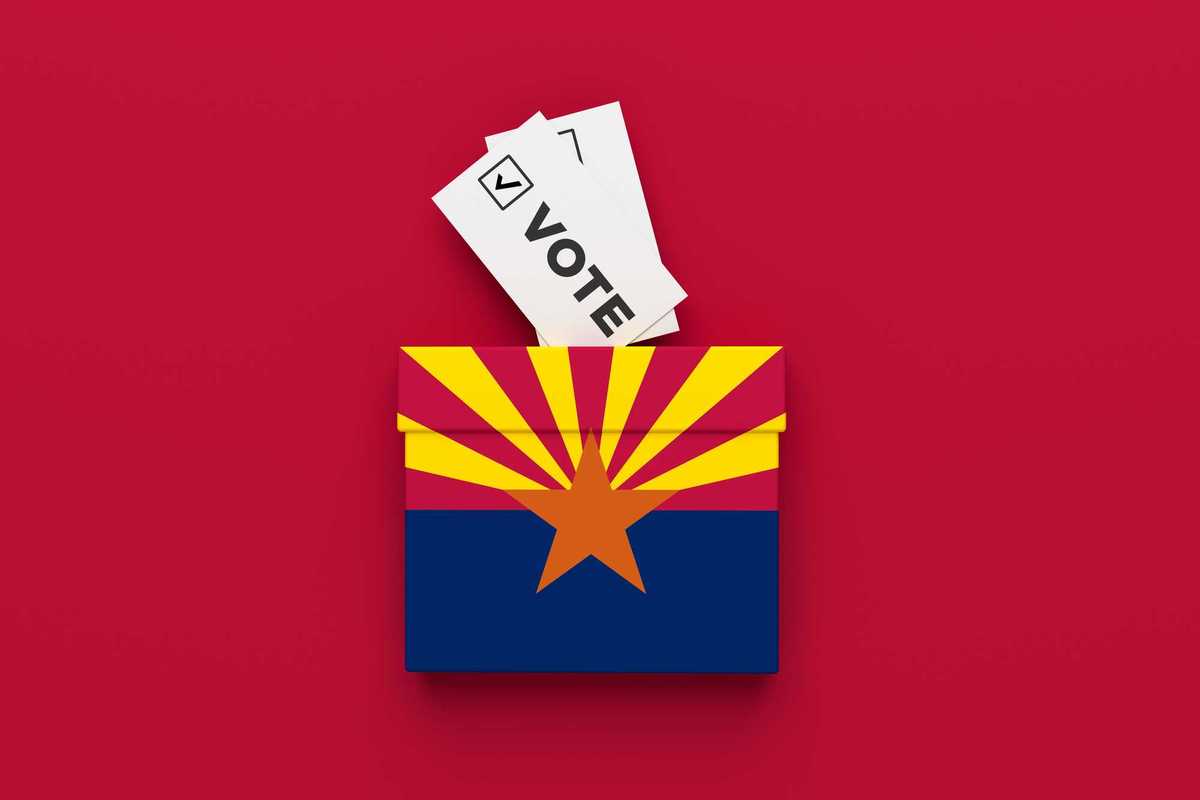
The framers understood that concentrated power, especially when paired with deception, was the greatest threat to a Republic. They built a system in which ambition would check ambition, where Congress, the courts, and the executive branch would restrain one another. But today, those guardrails are weakened. Oversight that should be routine becomes selective. Norms that once protected the public interest are dismissed as inconveniences. With the 2026 election approaching, the cost of deception is no longer theoretical — it is shaping the choices voters will make and the future they will inherit. When deception becomes the currency of power, institutions grow vulnerable to manipulation, and the balance the framers designed begins to collapse.
If deception has become a currency of power, then the work ahead is to devalue it — and restore truth as the medium through which power must be earned. In the short term, we can strengthen our democracy through reforms that limit the influence of wealthy donors, require divestment from business interests that create conflicts of interest, and increase transparency in appointments and federal contracts. Fair representation calls for gerrymandering reform. Institutional integrity depends on restoring oversight bodies weakened by political pressure.
These reforms are essential, but they are not enough. Long‑term solutions demand something deeper: a cultural commitment to truth. That means promoting civic education, teaching critical thinking, encouraging cross‑aisle conversations, verifying information before sharing it, supporting reputable journalism, and electing leaders who treat public office as a public trust. Democracy cannot survive if citizens stop talking to one another or surrender their judgment to those who profit from division and confusion.
But the most important safeguard is the one the framers trusted most: the people. Democracy depends on citizens who refuse to accept deception as leadership and corruption as normal. It depends on voters who use the guardrails available to them — research, reputable journalism, public records, hearings, court rulings, and lived experience — to separate the man from the myth and reject the deception. A Republic survives when its citizens insist that public office be treated as a public trust.
My father’s warning echoes louder now than ever: don’t take any wooden nickels. When deception becomes the currency of power, truth becomes expendable, institutions become targets, and citizens become tools for someone else’s ends. Whether deception becomes America’s currency of power depends on Americans — because a Republic survives only when its people refuse to trade truth for deception.
Carolyn Goode is a retired educational leader and national advocate for ethical leadership and civic renewal. She writes about democracy, accountability, and the responsibilities of public leadership.