


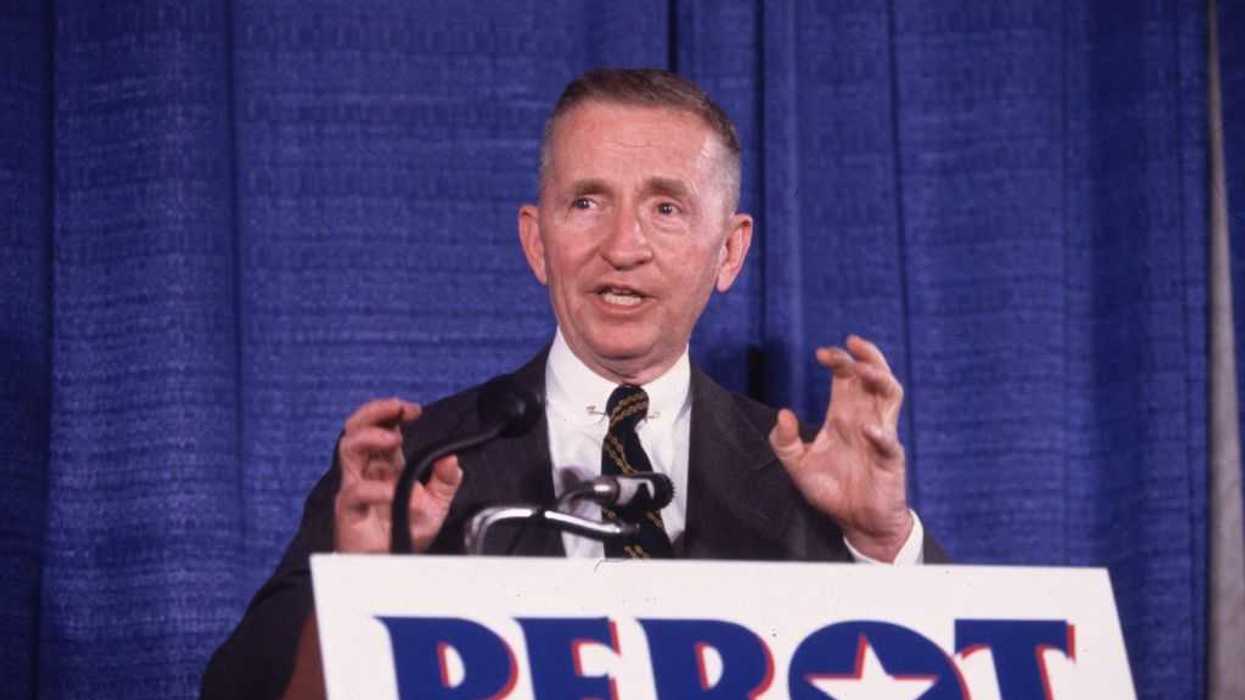

On February 20, 1992, Texas businessman Ross Perot appeared on Larry King Live and set in motion a significant challenge to the two-party status quo. I’m not asking to be drafted. But if the people want to register me in all 50 states, I’ll promise you this: between now and the conventions we’ll get both parties’ heads straight.
Hundreds of thousands of Americans responded. Volunteers put him on the ballot. By June he was leading in the polls. Even after dropping out of the race for a month (someone should write a book about why he did that), he received 20,000,000 votes.
The Perot movement shook up American politics. The major parties reacted.
First, they developed competing strategies to get voters back in line. The Republicans were the clear winners in this regard. They crafted the Contract with America and, in 1994, secured their first Congressional majority in 70 years by preaching balanced budgets (delivered) and term limits (lost in the mail). The Democrats floundered. They preached campaign finance reform and practiced triangulation, both of which failed to capture the spirit of radical change that Perot unleashed. The crime bill locked up hundreds of thousands of people of color in the name of public safety, and campaign finance reform unintentionally unleashed a geyser of cash into the system.
They also advanced a cooperative strategy to ensure there could never be another Perot. The rules, norms, and culture of politics (ballot access, sore loser laws, fusion, media coverage, debates, the FEC and more) were tweaked to diminish the likelihood of an independent insurgency ever again capturing the American people’s imagination.
Independents fought back. Many of us attempted to convert Perot’s candidacy into a durable third force, the Reform Party. We fought hard and worked hard, but we ultimately failed, not because there wasn’t interest, but because we could not figure out how to build an anti-party party while under constant attack from both major parties.
Perot never got the parties’ heads straight. We were not able to build a third-party alternative.
But independents are not averse to failure! We’ve gotten back on the horse and are driving new candidacies, new reforms, and new conversations to inspire Americans to take our country back from power-crazed partisans. In the 1990s we failed to create a new political party. In 2026, we are breaking new ground.
Here’s what I’m seeing:
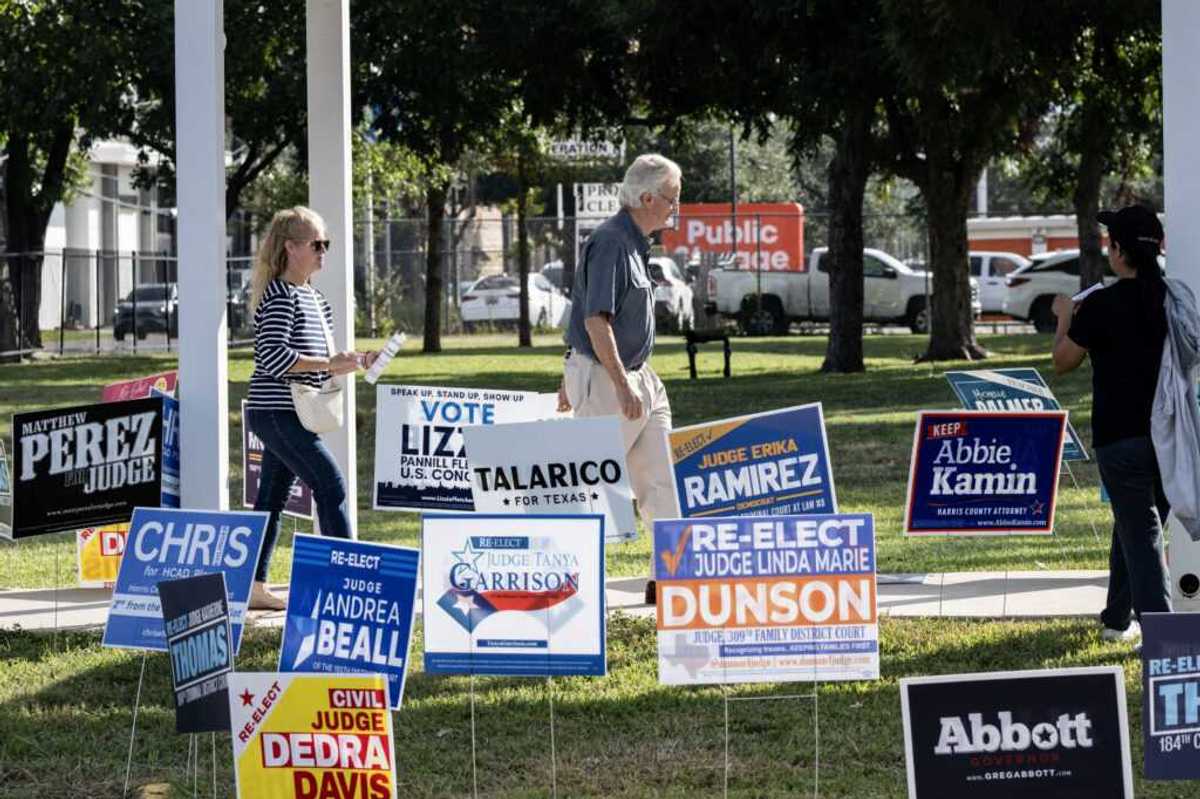
1. Independent candidacies are surging. Even the New York Times has to admit something is brewing, although they have the nerve to write about it as if it is a Democratic Party strategy! Thousands of people are running for local, state, and federal offices as independents. Joe and Heather Manchin partnered with Adam Brandon to form the Independent Leadership Council and are working to ensure the American people have the opportunity to send 3-5 independents to Congress -- independents who won't caucus with either party once elected. Independent Veterans of America, the Forward Party, the Good Party, United Independents, Independent Voice, the Independent Voter Project, and many others are inspiring and supporting insurgent independents from Maine to Washington. When I first got involved in independent politics in the late 1980s, independent candidacies tended to be single-issue crusades to make a point, not change the game. That has evolved dramatically. Find the independent candidates running in your state. Chances are they are running to save our country from a failing two-party system, not to champion a pet issue.
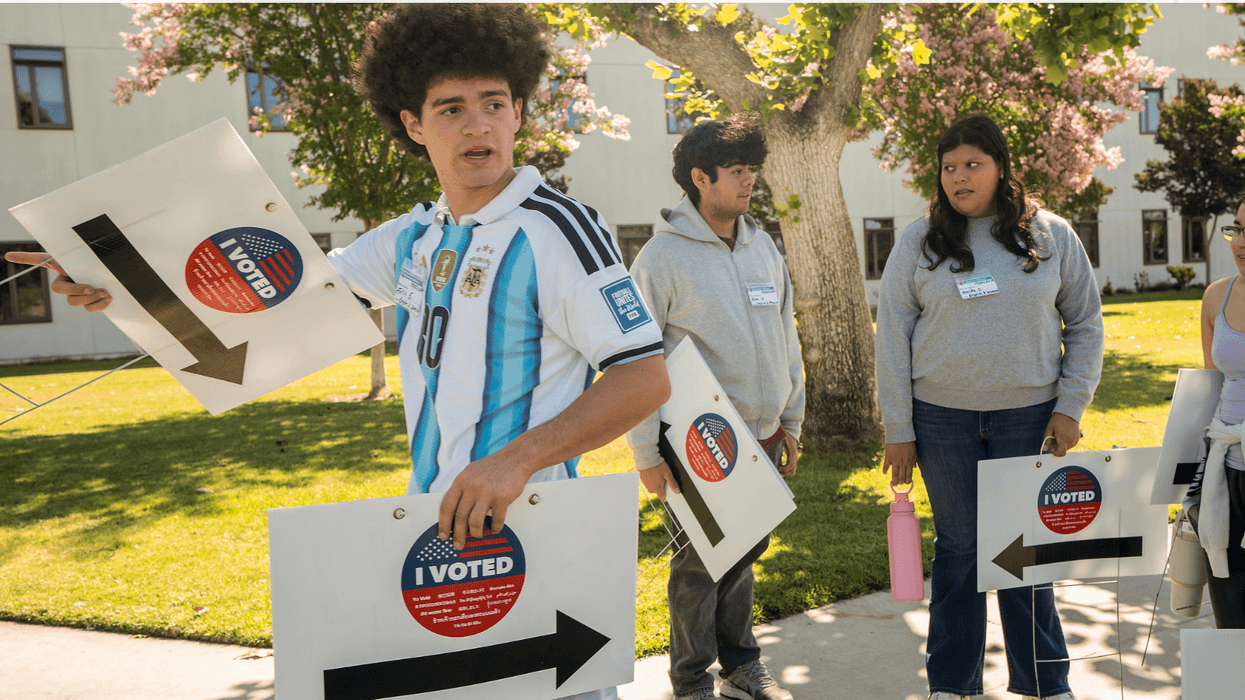
2. Independent voters are surging. 10,000 Americans change their voter registration status from D or R to I every week. CNN puts independents at 48% of the electorate. Latino independent turnout in California primaries has surged 40% since 2022, three times the overall turnout growth. New Mexico independents won the right to vote in primaries in 2024, and 38,000 of them voted in the 2026 contests despite confusing information from county boards of elections. Independent voters in NYC flooded charter commission hearings with a simple message - I can’t vote! - and made primary reform the most talked-about issue of 2025. In states where they cannot fully participate, independents are going to court, putting measures on the ballot, and/or pressuring legislators to fix the situation. In states where they can vote, independents are participating in higher numbers.
In 2026, Ross Perot 2.0 is shaping up - without a Ross Perot. A combination of organized efforts and organic developments. Independent candidacies and open primaries. A movement built around the core American principles of fairness and competition. Open Primaries let all voters vote in every election for whomever they want. Independent candidates expose the dismal record of the bipartisan cartel and create new governing possibilities. Some campaigns are well funded and highly strategic. Others are micro-funded grassroots responses to on-the-ground partisan dysfunction. It’s a movement. And we are stronger than before.
Make no mistake, the parties are paying close attention. They are not stupid. They know the American people are fed up with gerrymandering, incompetence, self-enrichment, and blame-the-other-side opportunism while our position in the world deteriorates.
In the 1990’s, they were able to put the independent genie back in the partisan bottle. But Perot 2.0 (Perot-without-a-Perot) is stronger, more diverse, more flexible, and more appealing.
Keep your eye on the independents.
John Opdycke is the president of Open Primaries, a national election reform organization.