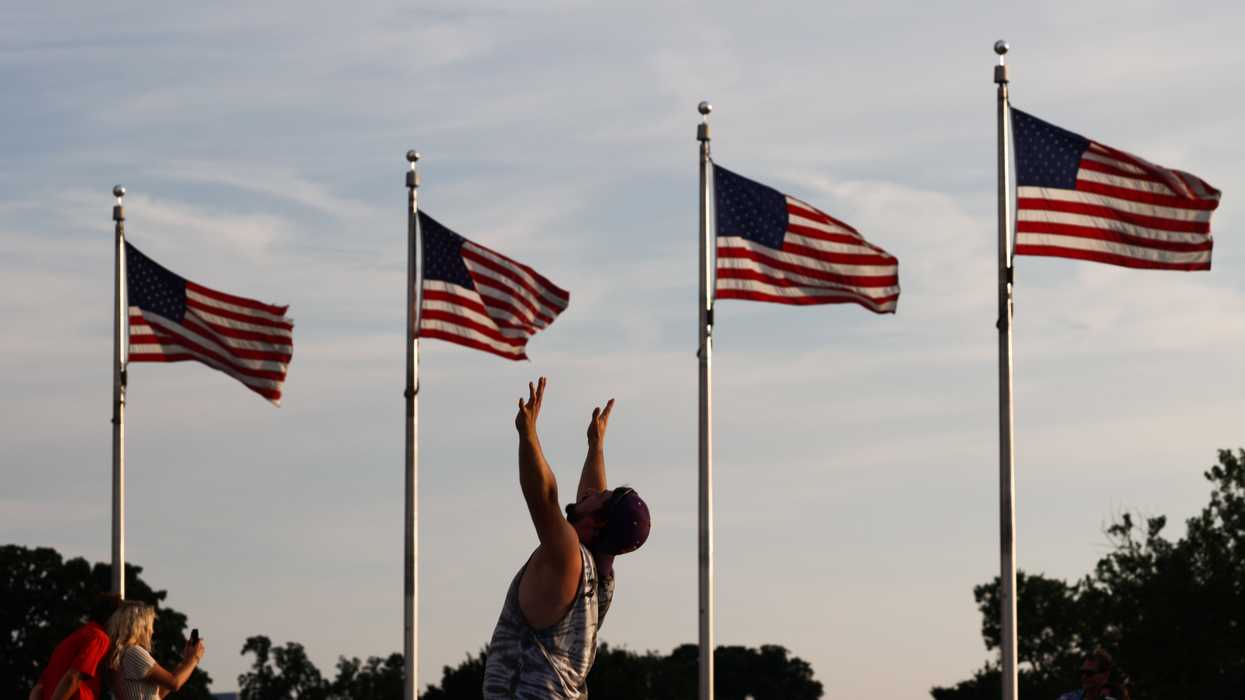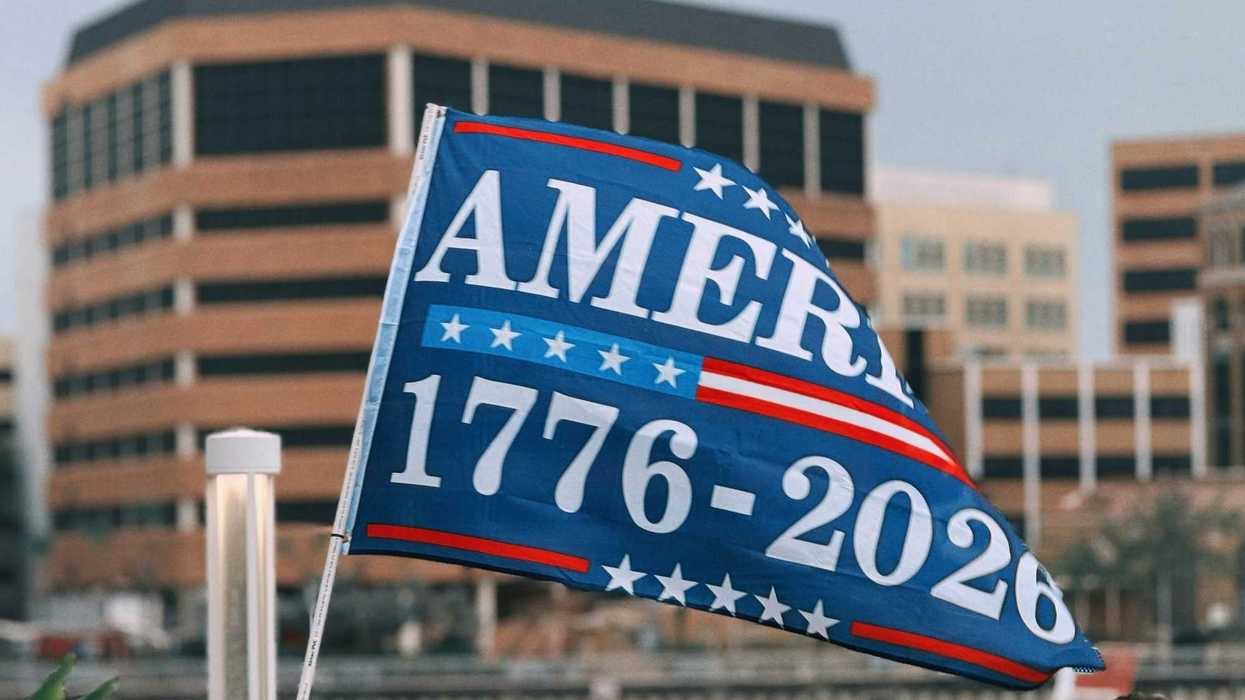



As America approaches its 250th birthday, I find myself wondering whether we have lost sight of something that earlier generations understood instinctively.
Americans have never agreed on politics.
We have argued over wars, taxes, immigration, religion, civil rights, economic policy, and the proper role of government. We have elected leaders who inspired confidence and leaders who inspired outrage. Political conflict is not a recent development. It is woven into the fabric of American history.
What concerns me today is not that we disagree.
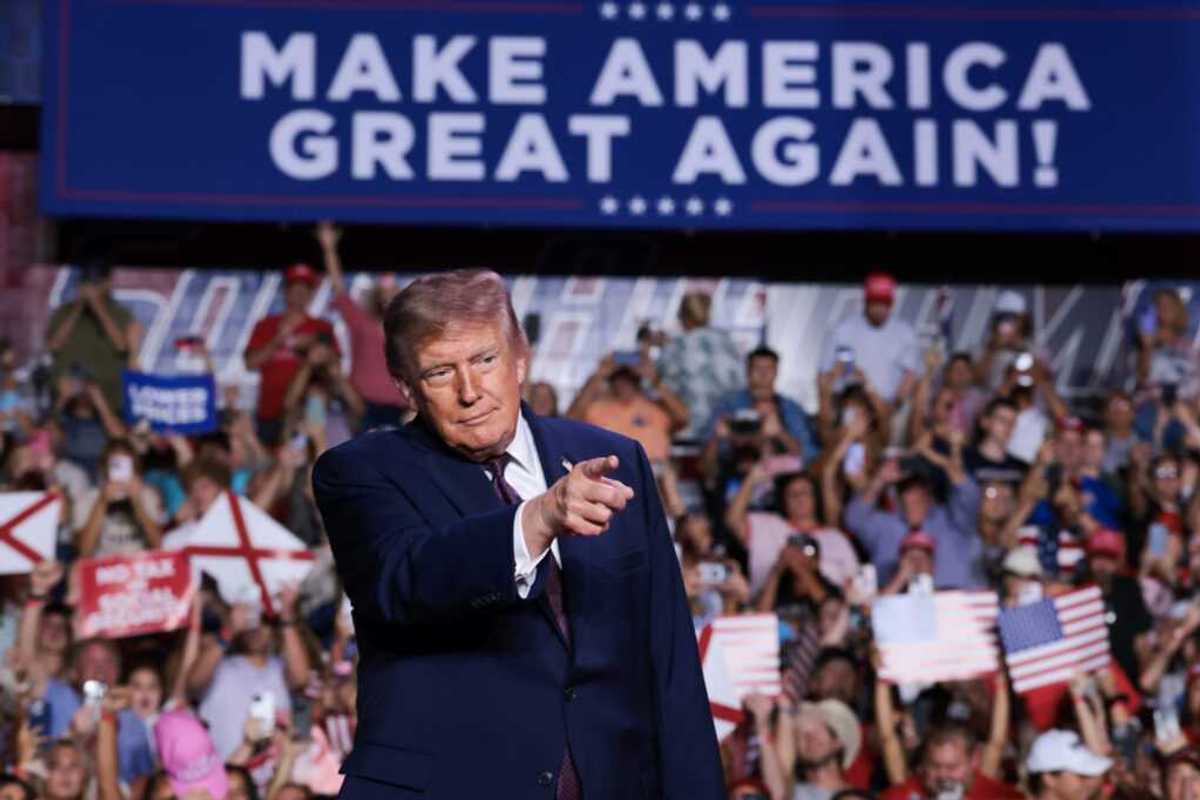
It is that we increasingly seem to confuse the nation with the people temporarily entrusted to govern it.
When our preferred party wins, America appears to be moving in the right direction. When it loses, the country itself can seem broken. Political victories are treated as proof of national virtue. Political defeats are treated as evidence of national decline.
But a nation is larger than its politics.
Throughout our history, Americans have often been deeply critical of their government while remaining deeply committed to their country.
The abolitionists criticized laws that protected slavery. Suffragists challenged a political system that denied women the vote. Civil rights leaders confronted institutions that failed to live up to the nation's ideals. Conservatives and progressives alike have spent generations arguing that government was overreaching, underperforming, corrupt, or misguided.
Yet most of those movements shared an underlying conviction: America was worth improving.
Their criticism grew from a belief in the country's promise, not a rejection of it.
That distinction matters because confidence is not the same as complacency. A confident nation can confront its failures because it believes improvement is possible. A nation that loses confidence begins to view every disagreement as an existential threat and every election as a final battle. The result is not greater civic engagement but growing civic despair.
I graduated from high school during America's Bicentennial. The country was still grappling with the aftermath of Watergate and the Vietnam War. Trust in government had been badly shaken. Americans had plenty to criticize.
Yet what I remember most was not cynicism. It was confidence.
Few people I knew believed the country was perfect. Many believed the government had failed. But there was a widespread sense that America itself was resilient—that the nation was bigger than any administration, scandal, or political moment.
Looking back, that confidence may have been one of the greatest strengths of the American experiment.
The United States has endured a revolution, a civil war, economic depression, world wars, political upheaval, social unrest, and countless mistakes made by imperfect leaders. The story of America is not the story of avoiding failure.
It is the story of recovering from it.
Not perfect, but resilient.
Not free from conflict, but resilient.
Not always faithful to its ideals, but resilient.
The strength of a republic is not measured by the absence of disagreement. It is measured by the ability of citizens to disagree while maintaining a shared commitment to the nation itself. When that commitment weakens, politics ceases to be a debate about the future and becomes a struggle over whether a common future is even possible.
Today, that confidence sometimes feels harder to find.
We increasingly sort ourselves into political tribes. We consume different news, trust different institutions, and often view our fellow citizens through the lens of partisan identity. The temptation is to believe that if the other side prevails, the country itself is lost.
History suggests otherwise.
No political party is America. No president is America. No Congress, court, movement, or ideology is America.
America is the continuing project of a free people attempting, often imperfectly, to govern themselves.
That project has always been larger than any political moment.
As we celebrate the nation's 250th birthday, perhaps the question is not whether America has always lived up to its ideals. No honest observer could argue that it has.
The better question is whether we still believe those ideals are worth pursuing together.
Every generation inherits the republic from those who came before. For a brief period, we become its stewards. Then we pass it on.
During the Bicentennial, I thought mostly about the inheritance.
Fifty years later, I think more about the stewardship.
The measure of our patriotism is not whether we believe our country is flawless. It is whether we care enough about it to leave it stronger than we found it.
That responsibility belongs to all of us, regardless of party.
Because the nation we celebrate is, and always has been, larger than its politics.
Joe Palaggi is a writer and historian whose work sits at the crossroads of theology, politics, and American civic culture. He writes about the moral and historical forces that shape our national identity and the challenges of a polarized age.