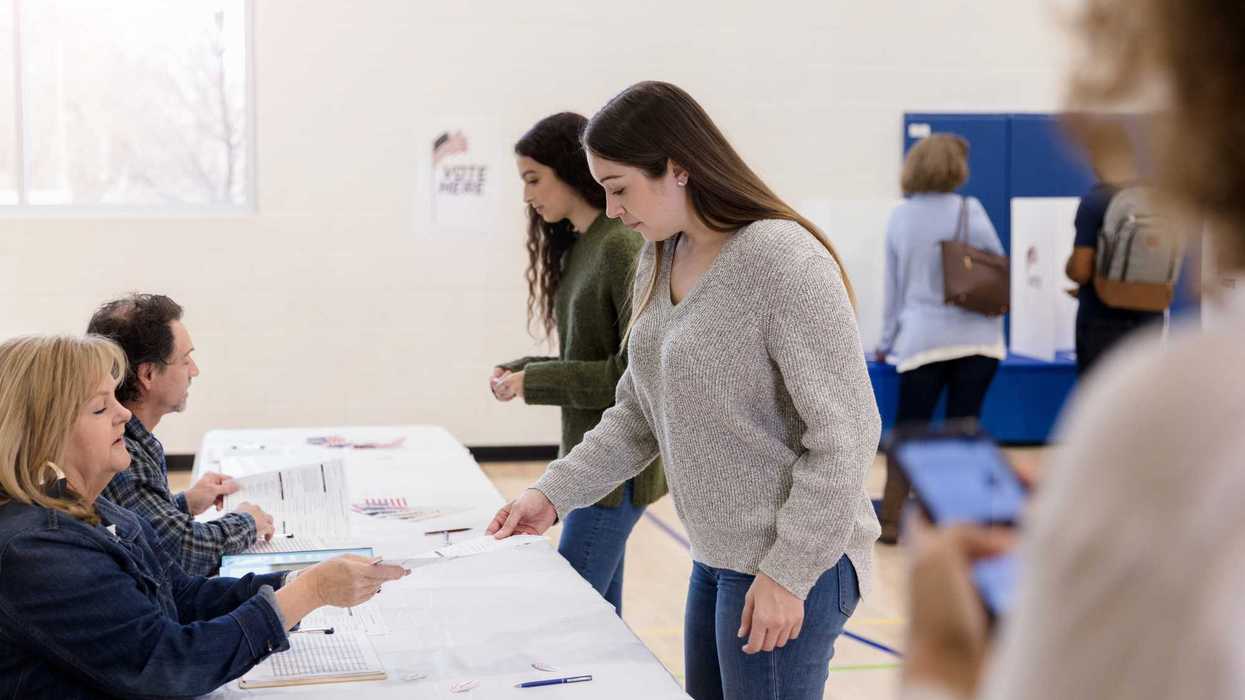
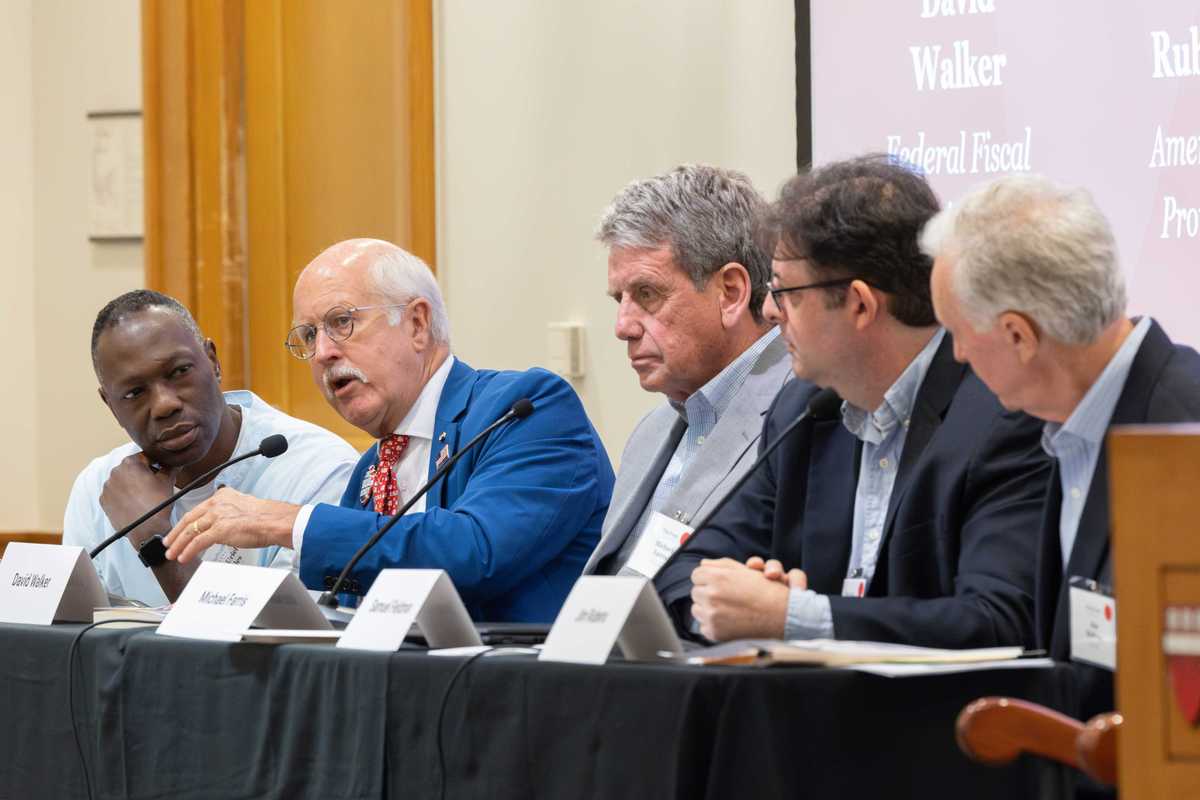
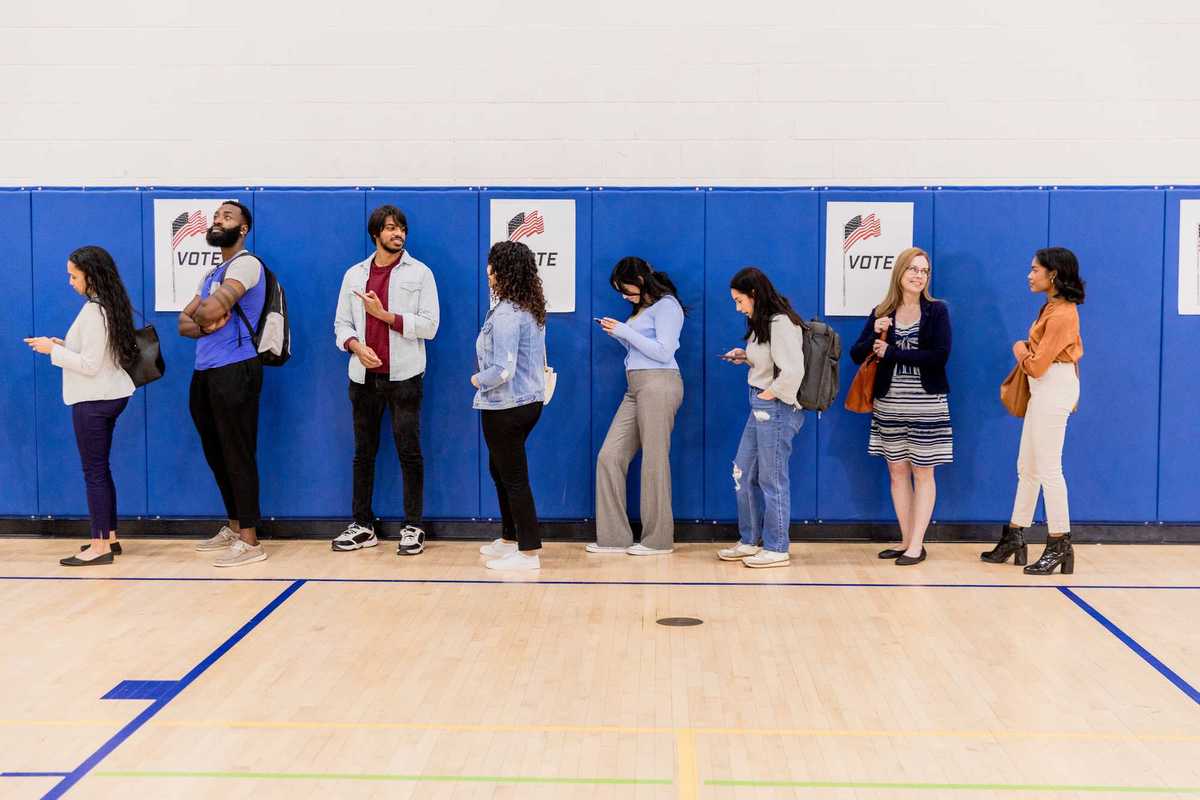
On March 12, Civic Spirit Day for high school took place at the New York Historical Society. Over 80 students and faculty from nine Jewish, Catholic, and Christian schools across Metropolitan New York gathered to learn about our nation’s history and explore the responsibilities and freedoms they share as citizens.
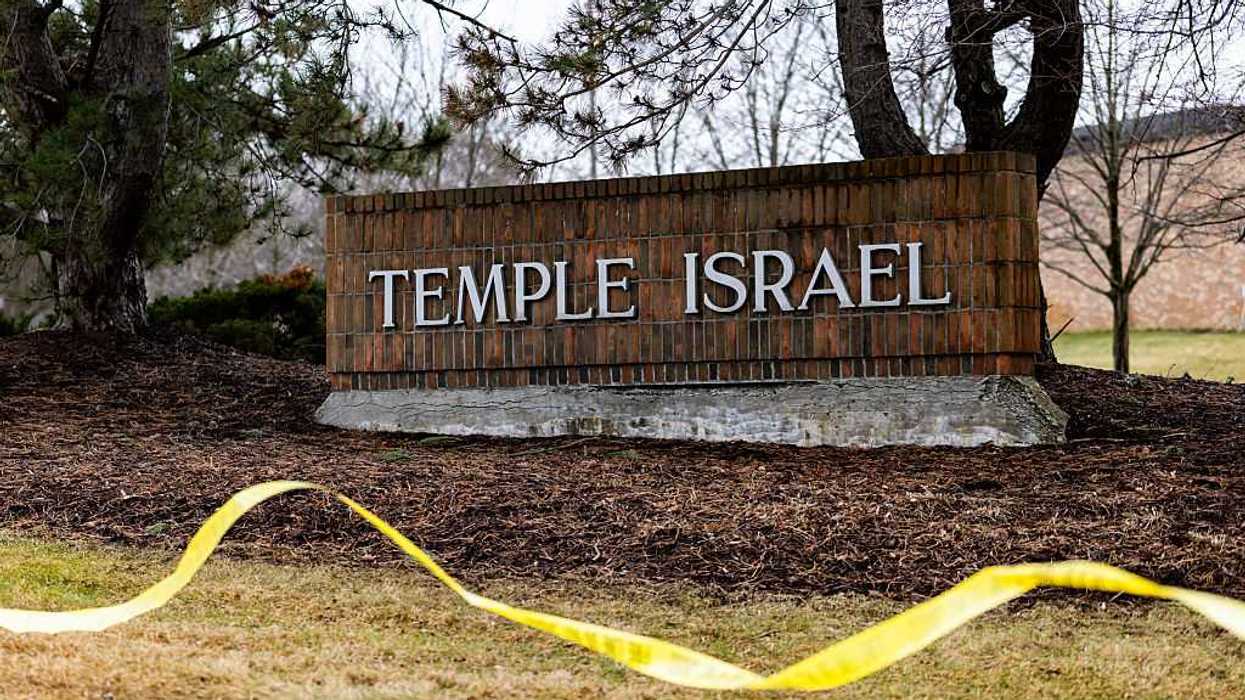
As soon as the program was over, I opened my iPhone and immediately stopped in my tracks as I heard the news about the terrorist attack on Temple Israel in West Bloomfield, MI. Thankfully, no one was killed, but no one in that community was untouched by the fear and anxiety that stems from senseless antisemitism and hatred.
Suddenly, I realized that at the same exact moment that our diverse group of students in New York was engaged in thoughtful conversation about “Telling America’s Story”, another type of story was unfolding 600 miles away as difference was threatened by fatal force.
The tale of these two cities collided in my mind. This is not the first time such a comparison has been made, as Charles Dickens writes:
It was the best of times; it was the worst of times.
It was an age of wisdom; it was an age of foolishness.
It was an epoch of belief; it was an epoch of incredulity.
It was a season of light; it was a season of darkness.
It was the spring of hope; it was the winter of despair.
There was everything before us; there was nothing before us.
At the very same moment in two different cities, two visions of society were unfolding, one seeking to build the civic bonds that hold us together, the other seeking to tear them apart.
Watching students who did not know each other at 9 am exchanging their contact information just six hours later emphasized all of the positives Dickens mentions: hope, belief, and possibilities. However, the tsunami of hatred and violence flooding our country makes any advancement of societal cohesion feel illusory.
This contrast captures what is at stake today.
As our nation approaches the 250th anniversary of the Declaration of Independence, this responsibility becomes even more urgent. More than a national birthday, the Semiquincentennial represents our greatest opportunity to renew the civic commitments that allow our society to live together with an informed sense of common cause.
If we want the American experiment to flourish in its next chapter, we must invest in the civic education of the next generation. Civics serves to prepare the next generation to be informed and engaged citizens in their country, and in the USA that means participating in self-government. Further, the bedrock of civic education is the belief that democratic societies do not sustain themselves automatically. This requires citizens who understand their shared history, can engage one another across differences, and feel responsible for the communities they call home.
When students gather to learn together, listen to one another, and explore the responsibilities of citizenship, they strengthen the very bonds that extremists seek to tear apart. And in doing so, they help ensure that even in difficult times, “the spring of hope” will always prevail.
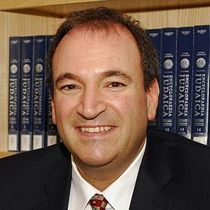
Charles Savenor is a rabbi and executive director of Civic Spirit, a nonpartisan organization that provides training and resources to faith-based schools across the United States.