
The brutality of Immigration and Customs Enforcement (ICE) and the related cohort of federal officers in Minneapolis spurred more than 30,000 stalwart Minnesotans to step forward in January and be trained as monitors. Attorney General Pam Bondi’s demands to Minnesota’s Governor demonstrate that the ICE surge is linked to elections, and other ICE-related threats, including Steve Bannon calling for ICE agents deployment to polling stations, make clear that elections should be on the monitoring agenda in Minnesota and across the nation.
A recent exhortation by the New York Times Editorial Board underscores the need for citizen action to defend elections and outlines some steps. Additional avenues are also available. My three decades of experience with international and citizen election observation in numerous countries demonstrates that monitoring safeguards trustworthy elections and promotes public confidence in them - both of which are needed here and now in the US.
The willingness of Minnesotans to take to the frozen streets as monitors is a testament to the bravery of everyday people in the face of federal agents wantonly killing Renée Good and Alex Pretti, accosting civilian nonviolent observers, ignoring court orders, and violating fundamental rights of immigrants. In addition to monitors, thousands are engaged in sounding alarms and mutual aid efforts in Minneapolis neighborhoods, in some cases reactivating networks started when George Floyd was murdered by police in 2020.
Similar efforts are taking place in other cities and even in conservative, less populated areas. Last year, millions of Americans participated in No Kings and similar protests in more than 2,000 cities, and civic infrastructure - including women's, civil rights, and religious organizations, unions, and informal digital groups - mobilized for them. Those mobilizations undoubtedly helped to propel immigration enforcement monitoring and mutual aid initiatives.
That civic infrastructure could embrace protecting elections. Planning for election protection is needed, and now is the time to consider how to do it. There are at least five avenues to direct such energies.
Join election administration or party/candidate voter protection efforts
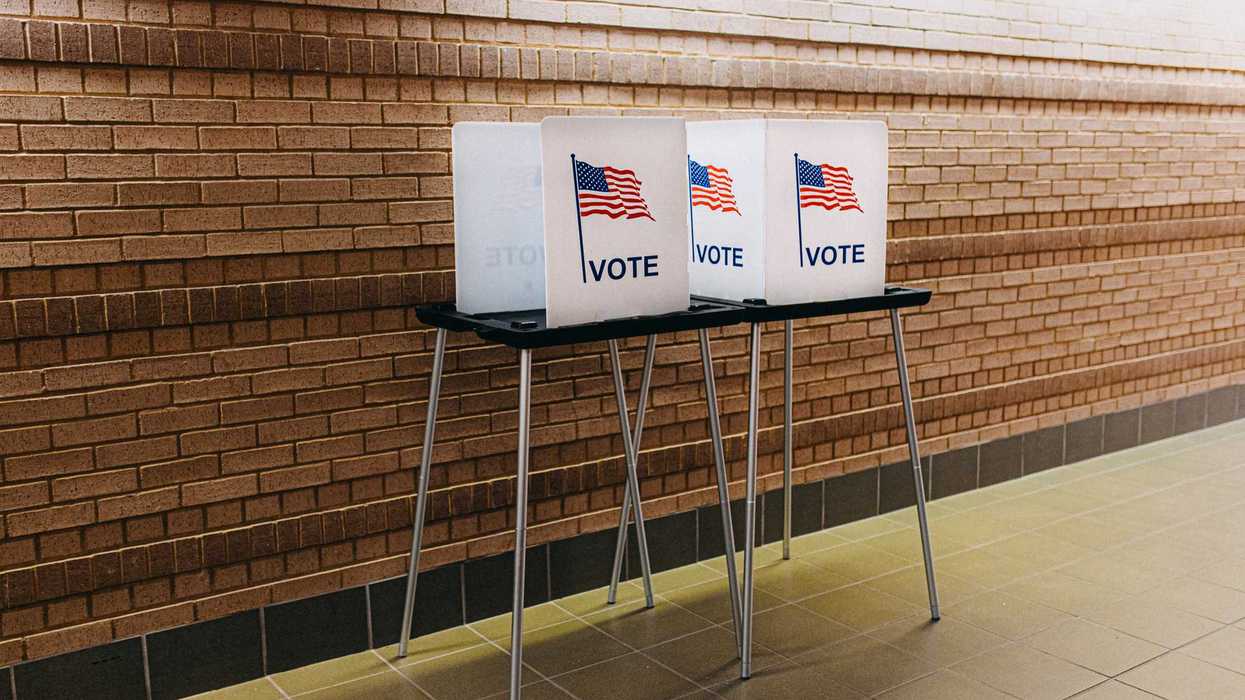
Sign up to be a polling station official. That is vital to safeguarding trustworthy elections. Secretaries of State and local election board websites typically provide a way of signing up. Turnover among such officials is high. “Election deniers” are pressuring election officials and attempting to sign up themselves, which makes it all the more important for trustworthy citizens to join the 100,000s of polling officials across the country.
Become a political party or candidate polling observer (sometimes called a poll watcher). They are trained and credentialed to be present inside (or, in some cases, outside) polling stations and to be present at ballot counting and other processes. Hotlines back them with legal expertise. They can flag improper actions, help seek redress, and testify to the credibility of the election administration that predominates in the US. These voter protection efforts typically start well before election day to assist people with voter registration problems or election-day issues and to help ensure their ballots are counted.
Enlist in or initiate nonpartisan election defense initiatives
Join the multistate Election Protection 866-OUR VOTE initiative led by Common Cause in concert with a broad array of partner organizations. This effort places volunteers outside polling stations where there has been a history of problems or where hotly contested races are expected, to help voters understand their rights and address voting obstacles. It trains the volunteers and backs them with a hotline connected to legal experts. Common Cause Pennsylvania organizes Watchdogs for Democracy to attend monthly county election board meetings and note developments, which could be replicated elsewhere.
Join or create a nonpartisan election monitoring network. This is relatively new in the US but well established worldwide. There is a statement of principles and code of conduct for nonpartisan election monitoring and a global network of over 200 such organizations from 89 countries and territories. There are also online materials on techniques for monitoring various stages of elections.
The Carter Center’s democracy program is assisting such efforts this year in Georgia, New Mexico, Nevada, Michigan, and Montana. The nonpartisan group Observe New Mexico Elections provides a solid example of how such monitoring can be done. In Maine, South Carolina, and probably elsewhere, chapters of the League of Women Voters have also conducted nonpartisan election observation. The Movement Advancement Project developed a map of states that explicitly permit nonpartisan election monitoring, plus the National Conference of State Legislatures provides information on relevant state laws.
Organize and deploy monitors around polling places, including drop boxes and other early voting locations. Publicizing that monitors will expose attempts to interfere with potential balloting can help instill voters’ confidence to cast their ballots. This requires training monitors about what constitutes interfering with voting, which is a crime. Training on documenting interference should include how to minimize the risk of physical confrontations with immigration or other officers and aggressive civilians. Organizing legal support for monitoring efforts is needed. Plus, where possible, it is best to be in communication with Election Protection volunteers and nonpartisan election monitors.
Ruthless immigration raids, deployment of military forces to cities under various pretexts, the FBI seizure of Georgia’s 2020 Fulton County election records, and President Trump’s renewed demand to take control of elections, notably saying, “We should take over the voting, the voting, in at least 15 places”, all indicate an urgent need to monitor and defend the upcoming elections.
As monitoring of immigration enforcement abuses proliferates and election defenders map the course to the November midterms, hopefully, a bridge will be built and complementary efforts secured. Trustworthy elections are the means to end abusive policies and practices across a broad array of urgent matters. We all have a stake and a responsibility to step forward.
Pat Merloe provides strategic advice to groups focused on democracy and trustworthy elections in the U.S. and internationally. He has engaged with those promoting credible elections in more than 60 countries.