


Skip to content
Search

Latest Stories

Follow Us:
Top Stories

Primary Elections: What Are They?

News

Primary Elections: What Are They?
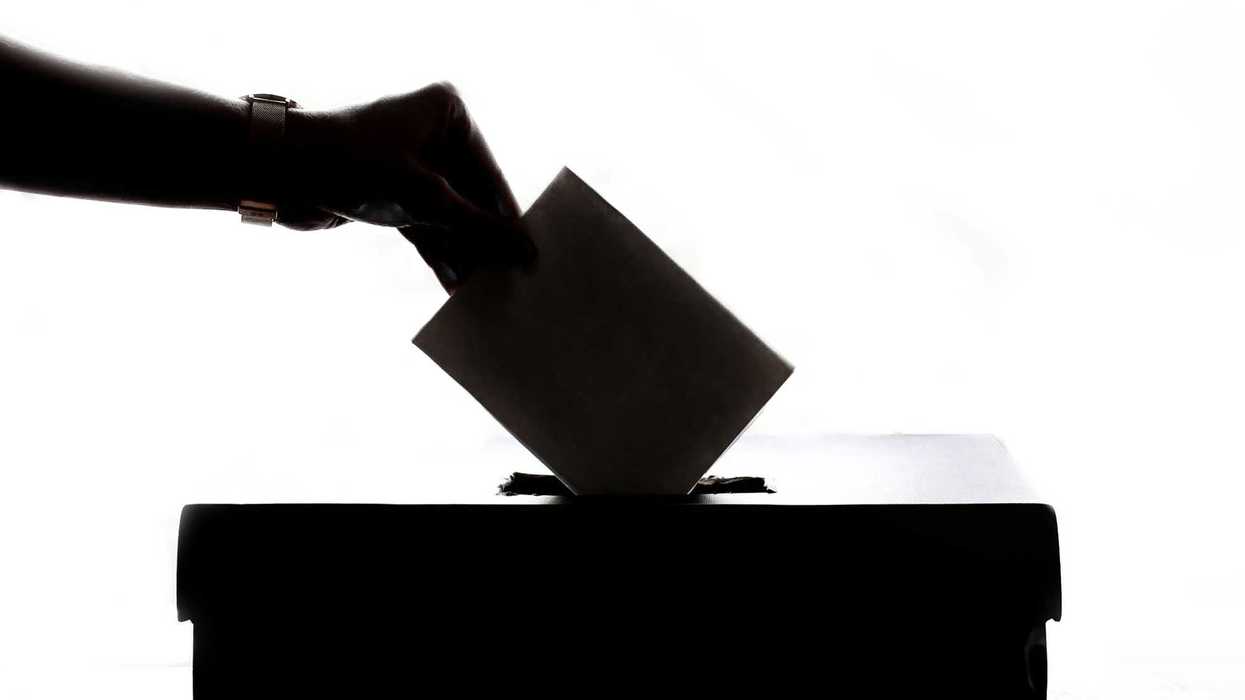
a person is casting a vote into a box

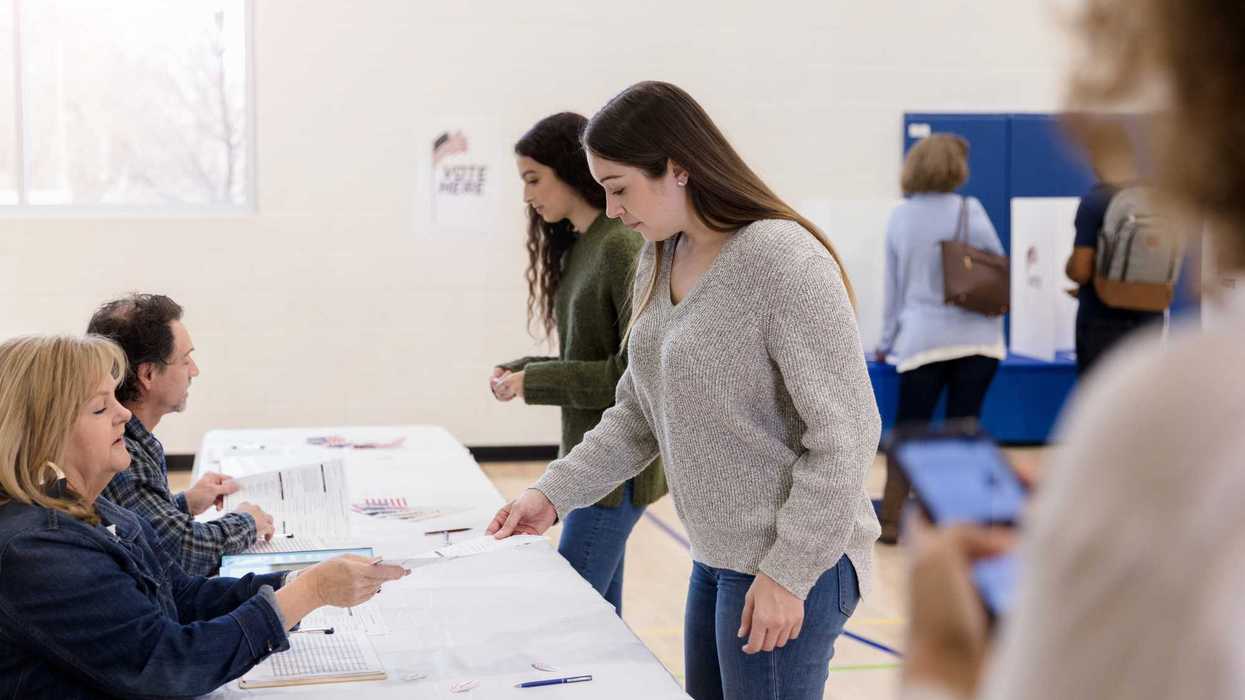
Often called the election before the election, primaries are underway across the U.S. to determine who will appear on November’s general‑election ballot. Though they draw less attention, these contests—especially congressional primaries—are pivotal, shaping Congress for the next two years and, in many districts, effectively deciding the winner long before November. With turnout hovering around just 20% of eligible voters, a small slice of the electorate ends up wielding outsized influence, proving that primaries don’t just shape the ballot—they shape the outcome.

  • Before Americans vote in November, there’s another election most people pay less attention to, and it’s unfolding right now: primaries
  • Sometimes called the election before the election, primaries are used across the U.S. to determine which candidates will appear on the general election ballot in November.
  • There are many important races happening right now, but congressional primaries tend to draw the most attention, because they ultimately shape the makeup of Congress for the next two years.
  • So… how do primaries actually work?

TYPES OF PRIMARIES

  • Most primary elections are used to determine each political party’s candidate for the general election. So, instead of Democrats and Republicans competing against each other, candidates within the same party face off to become their party’s official nominee.
  • BUT, not all primaries work the same way, and this is where things can get a little complicated.

PARTY PRIMARIES

  • Across the U.S., 47 states use what’s known as a Party Primary system
  • But, even within this system, there are different rules about who can vote

CLOSED PRIMARIES

  • 16 states use CLOSED PRIMARIES for their congressional races
  • In a closed primary, only voters who registered with a political party have a guaranteed right to vote in that party’s primary.
  • This would mean that independent voters are barred from participating
  • However, parties can establish a rule allowing independent voters to register with a party on the day of the election or by a specific deadline to vote. To date, only Democratic Parties across 5 states have adopted this rule; no Republican parties allow it.

OPEN PRIMARIES

  • Open primaries are the most common system, used in 31 states for congressional elections
  • In open primaries, “ALL ELIGIBLE VOTERS, INCLUDING INDEPENDENTS, CAN VOTE IN ONE PARTY’S PRIMARY ELECTIONS.”
    • You don’t need to be registered with that party, but you can only participate in one party’s primary at a time.
  • But let’s dig deeper.
  • In many states (20), all registered voters can choose which election they would like to participate in.
    • This system gives voters the most flexibility
    • In 15 of these states, voters choose their party primary on election day, BUT this choice then affiliates them with that party
  • The other 11 states have a hybrid system, called a semi-open party primaries
    • In this system, independent voters can choose which primary to participate in, but voters registered with a party must stick to that party’s contest.

OPEN ALL CANDIDATE-PRIMARIES

  • Finally, three states, Alaska, California, and Washington, use Open All-Candidate Primaries
  • In this system, all candidates appear on one ballot, regardless of political party, and ALL voters participate in the same primary election
  • Instead of selecting party nominees, the primary simply determines which candidates advance to the general election
  • CA and WA use a Top 2 system, in which the top two vote-getters advance to November.
  • Alaska uses a Top 4 system, where voters rank candidates and, if needed, an instant runoff is held to ensure there is a majority winner.
  • One advantage of OPEN ALL CANDIDATE PRIMARIES is that every voter can participate, regardless of party affiliation, and the eventual winner must secure majority support.

WHY PRIMARIES MATTER

  • In many parts of the country, congressional districts tend to lean heavily toward one political party over the other. Analysts suggest that more than 90% of congressional races will be decided in the primary.
  • This means that the most competition really happens during the primary, where you get to vote for who will represent your district in Congress.
  • Voter turnout is also historically low for the primary elections. Data suggests that only about 20% of the American electorate votes in these elections. That means that a smaller group of voters can end up deciding which candidate makes it onto the final ballot - and in some cases, who ultimately represents them in Congress.
  • In sum, primaries don’t just shape the ballot - they shape the outcome of the election itself.

- YouTube youtu.be


Britton Struthers-Lugo is a journalist and visual storyteller. She currently works as a Digital Content Producer across The Fulcrum and The Latino News Network.
Read More

President Trump and His Allies Are Trying to Make It Harder for Americans to Vote
two stickers with the words i vote on them
Photo by Mockup Free on Unsplash

President Trump and His Allies Are Trying to Make It Harder for Americans to Vote

President Trump and his administration have been working diligently to try to undermine Americans’ trust in our elections. The steady drumbeat of lies and disinformation is intended to give cover to their efforts to interfere in our elections and stack the deck in their own favor. Time and time again, we see them justify their actions by making false claims of widespread fraud from noncitizens voting (something that is exceedingly rare). Back in 2020, we saw secretaries of state from both parties hold the line and protect our elections from executive branch interference. However, this year, President Trump is prepared to go further. From deploying the FBI to raid local elections offices in Fulton County, Georgia, to the President’s repeated claim that the only way the opposing party can win is by “cheating,” the administration has been working overtime to sow doubt in our elections.

That’s bad enough. But now, the President’s allies in Congress are getting in on the act with a raft of new legislation that would trample Americans’ most basic right: the right to vote. As former members of Congress, we are deeply concerned.

Keep Reading Show less
Fulcrum Roundtable: Election Interference
a group of people outside a building
Photo by Ernie Journeys on Unsplash

Fulcrum Roundtable: Election Interference

President Donald Trump’s comments urging Republicans to “nationalize” elections have intensified debate over the future of U.S. election administration. In an interview last month on Dan Bongino’s podcast, Trump repeated disproven claims of widespread voter fraud and argued that the GOP should “take over” voting operations in multiple states.

Amherst College professor and legal scholar Austin Sarat joined Executive Editor Hugo Balta on this month's edition of The Fulcrum Roundtable for a wide‑ranging conversation on the state of American democracy and the challenges facing the nation’s electoral system.

Keep Reading Show less
Three candidates vie to become the first Latino Representative for Illinois Congressional District

(left to right): 1. Anabel Mendoza speaking at the Forum for 7th US Congressional District Democratic Candidates at Harry Caray’s 7th Inning Stretch in Streeterville. Video still. By Britton Struthers-Lugo, February 26, 2026.2. Jazmin Robinson (left) sitting at the Forum for 7th US Congressional District Democratic Candidates at Harry Caray’s 7th Inning Stretch in Streeterville. By Britton Struthers-Lugo, February 26, 2026. 3. Felix Tello speaking at the Forum for 7th US Congressional District Democratic Candidates at Harry Caray’s 7th Inning Stretch in Streeterville.

Video still. By Britton Struthers-Lugo, February 26, 2026. Illinois Latino News

Three candidates vie to become the first Latino Representative for Illinois Congressional District

United States Representative Danny Davis announced in July 2025 that he would not be seeking re-election in Illinois’s 7th Congressional District, motivating 13 Democrats and two Republicans to compete for the seat.

As the Illinois primary on March 17 approaches, three Latino candidates hope to become the Democratic nominee: Anabel Mendoza, Jazmin J. Robinson, and Felix Tello. The district has never had a Latino representative, and former Rep. Cardiss Collins remains the only woman to have served the district.

Keep Reading Show less
Latino Voters Reshape the Political Landscape in Texas

Texas Senate candidate James Talarico (D-TX) addresses supporters on election night on March 03, 2026 in Austin, Texas. Texans went to the polls to vote for Democratic and Republican primary candidates ahead of November's midterm elections.

(Photo by John Moore/Getty Images)

Latino Voters Reshape the Political Landscape in Texas

Latino voters across Texas played an outsized role in this week’s primary elections, signaling a potentially significant shift in the state’s political dynamics heading into November. Turnout in heavily Latino regions surged well beyond expectations, with several counties reporting participation levels that rivaled or exceeded those seen in recent presidential cycles.

According to reporting from POLITICO, Democratic turnout in majority‑Latino counties jumped sharply, with some areas casting more ballots than they did in the 2024 presidential election. The outlet noted that state Rep. James Talarico, a Democrat who won his primary decisively, credited Latino voters for powering what he described as a “massive wave” of engagement. While Democrats have struggled in recent years to maintain their margins with Latino voters in Texas, this week’s results suggest renewed enthusiasm within the party’s base.

Keep Reading Show less