




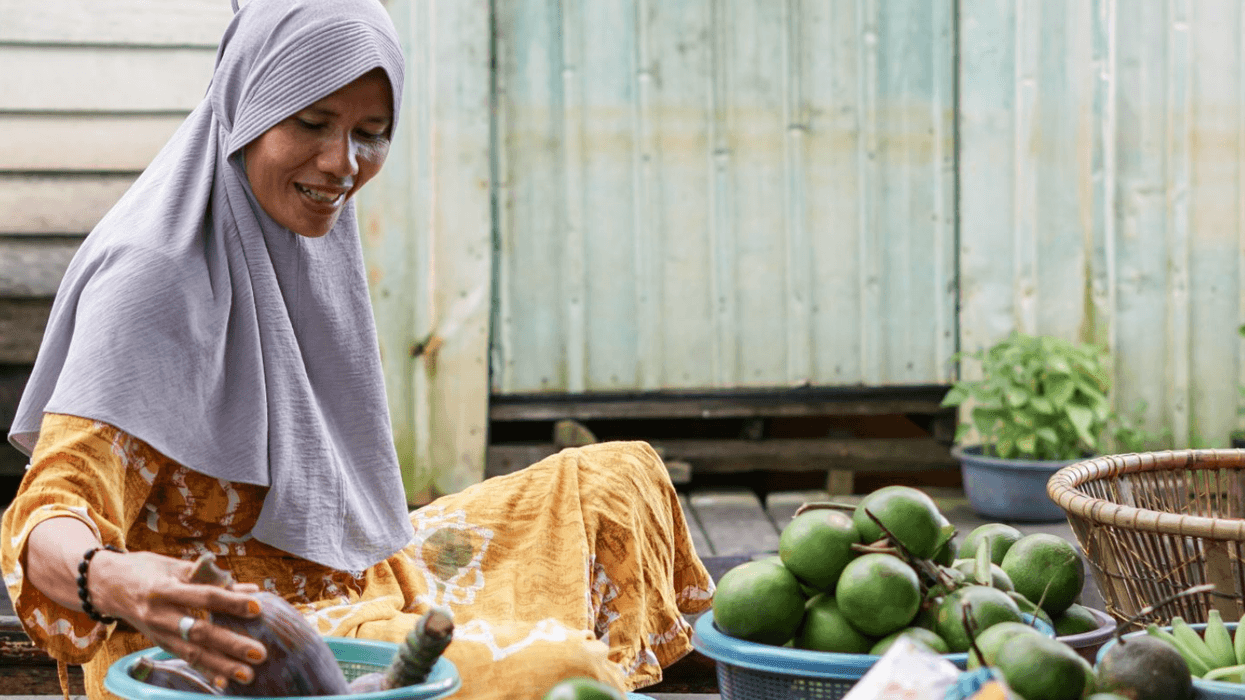
Climate change and sexual violence are interconnected crises
As the world marks Earth Day 2026 during Sexual Assault Awareness Month, the intersection between climate change and sexual violence has become impossible to ignore.
Climate change is intensifying the conditions in which sexual violence occurs worldwide. While climate advocates have focused on emissions and environmental protection, and gender justice advocates have focused on legal reform and survivor support, both movements are responding to the same underlying systems of inequality, resource scarcity, and governance failures.
When climate stress increases, so does the risk of sexual and gender-based violence. It’s time to work together to curb climate-related sexual violence.
What is climate-related sexual violence?
Sexual and gender-based violence linked to the climate crisis refers to any form of sexual, gender-based violence, including rape, sexual assault, harassment, or abuse, ranging from exploitation to forced marriage, that is exacerbated by climate change and environmental crises.
While sexual violence is a human rights violation in any context, the climate crisis intensifies the risks and exposes new vulnerabilities, creating situations where women, girls, and other marginalised groups are disproportionately harmed.
These forms of violence occur when climate impacts intersect with social, economic, and structural inequalities, including:
Extreme weather and environmental shocks
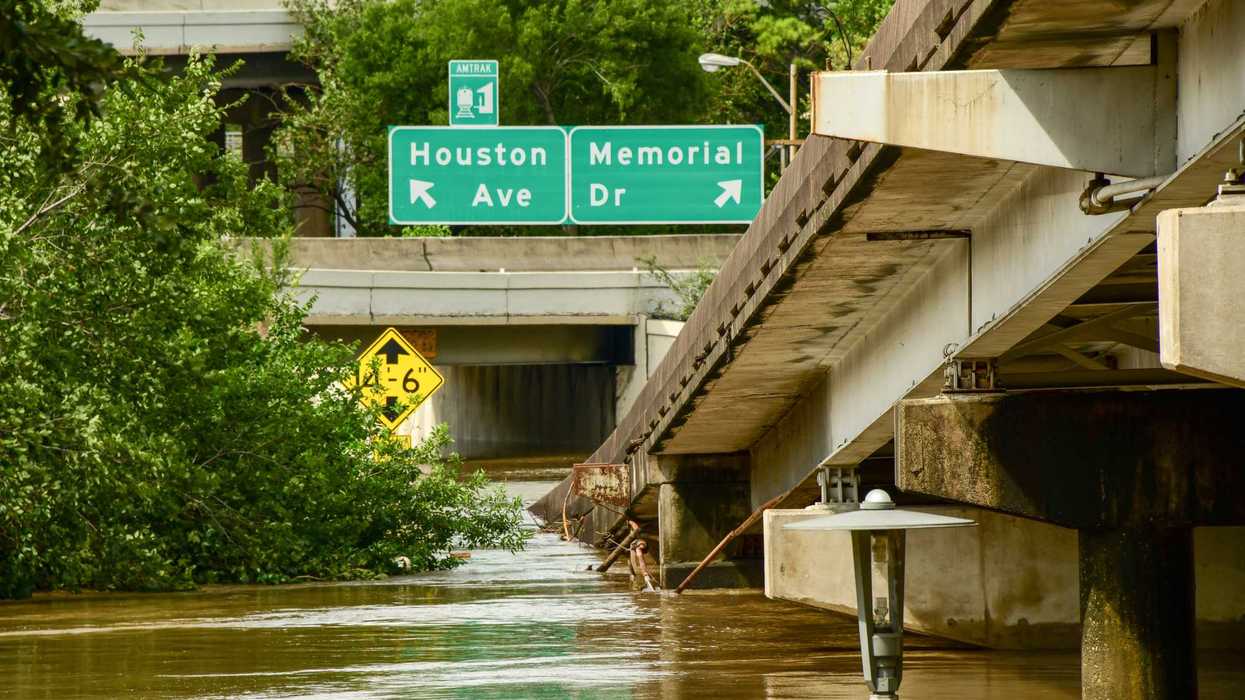
- Floods, droughts, fires, cyclones, and heatwaves often amplify risks of gender-based and sexual violence like assault, trafficking, and exploitation during and after disasters
- Displacement into crowded shelters with poor lighting and a lack of privacy increases exposure to harassment and abuse, while weak complaint systems let it go unchecked
- Economic losses push people toward harmful coping strategies such as early or forced marriage, transactional sex, or exploitative jobs. When men lose income or status, violence at home often rises
- Climate shocks disrupt health care, legal aid, and GBV services, cutting survivors off from contraception, post-rape care, or justice pathways. Lost documents make reporting and reparations more challenging
- Climate shocks can interrupt healthcare, legal aid, and protection services, leaving survivors without support, documentation, or pathways to justice
Slow-onset changes
- Over time, climate-related resource scarcity can disrupt livelihoods and can gradually fuel conflicts, where sexual violence can be used to control or displace communities
- As climate-related stressors accumulate over time, through displacement, economic instability, and reduced access to services, the risk of violence against women increases
Resource scarcity
- As water, firewood, and food get harder to find, women and girls travel farther through unsafe areas, increasing assault risks
- Competition over scarce land or work can escalate household and community violence, with men tightening control over women’s movements or choices
“Climate change is more than an environmental issue. It acts as a threat multiplier, interacting with existing social and economic systems in ways that deepen long-standing inequalities,” Nina Masore, Legal Advisor, End Sexual Violence at Equality Now of the impacts of climate change on women and girls in South Sudan.
Across regions: different climate disasters, similar risks
In drought and flood-affected communities, women and girls must often walk further to find clean water as nearby sources have dried up or been contaminated. Longer journeys mean greater risk of harassment and assault. Water scarcity also increases exposure to sexual exploitation and coercion by those controlling access to water sources.
In a displacement camp, a teenage girl may share a shelter with dozens of families, separated only by thin fabric, with no lock, no light, and no privacy.
A family facing crop failure or displaced from home due to an extreme weather disaster may decide to marry off their daughter early so they have one less mouth to feed, or in the hope that marriage may protect her from sexual violence and unwanted pregnancy while unwed.
These are not isolated problems. Instead, they reflect the consistent, systemic pattern of gender based violence being fuelled by the climate crisis in communities worldwide.
South Asia: After the storm
In parts of South Asia where flooding and cyclones regularly displace communities, women and girls report increased harassment in temporary shelters and heightened pressure to marry early as families struggle financially.
Research following cyclones in Bangladesh found increased reports of sexual harassment, sexual assault, and early marriage linked to displacement and economic stress, while disruptions to policing and legal services reduces justice system accountability.
Latin America and the Caribbean: Slow-onset displacement
Across the region, climate change looks like gradual displacement. Rising costs, land loss, and gentrification are pushing communities out of their homes.
The Inter-American Court of Human Rights has recognized the right to a healthy climate as a human right, affirming that climate responses must include gender and intersectional approaches. These include:
- Ensuring safe housing, even without formal land titles
- Integrating gender into climate policy
- Guaranteeing the participation of women and girls
However, while the Court acknowledges gender-based violence in disaster contexts, it does not yet provide detailed standards on preventing sexual violence in climate emergencies, leaving a critical implementation gap, particularly in addressing how climate-related displacement increases vulnerability to sexual violence.
North America: Disasters and disruption
In North America, wildfires and hurricanes often displace communities into emergency shelters where privacy is limited and support services are disrupted. After these emergencies, spikes in domestic and sexual violence have been reported in the shelters and temporary housing settings.
Even in well-resourced settings, systems are not always designed to prevent or respond to sexual violence during crises.
Climate change in Africa: Sudan snapshot
In Sudan, like many other conflict-affected settings, climate stress compounds instability. Resource scarcity and displacement increase the likelihood of sexual violence, including its use as a tactic of war, while weakening already fragile justice systems.
With nearly 900,000 people impacted by flooding and repeated cycles of drought and extreme heat, the country illustrates how climate instability translates into protection risks:
- Displacement into overcrowded shelters, sometimes housing up to 40 families in a single open space, creates environments where privacy and safety are severely compromised.
- School closures due to extreme heat (up to 45°C) increase girls’ exposure to early marriage and exploitation.
- Loss of livelihoods drives documented increases in transactional sex and forced marriage as survival strategies.
Climate change is also reshaping traditional transhumance routes in Sudan, as pasture and water sources shift or disappear, pushing herding communities into new or overlapping territories with farmers and other groups, including in areas bordering the Central African Republic. As competition over land and water escalates, communal clashes and militarized responses increase, and women and girls are exposed to sexual violence during attacks, along migration routes, and at contested grazing and water points. In these remote transhumance zones, where services are limited and oversight is weak, survivors face important barriers to reporting, and sexual and gender-based violence is often normalized and goes unpunished.
Eurasia: Increased vulnerabilities
Across parts of Eurasia, climate change is amplifying vulnerabilities for women and girls in both rural and urban areas. Extreme weather events, such as floods, droughts, and heatwaves, disrupt livelihoods, displace populations, and increase economic pressures, creating conditions where sexual and gender-based violence is more likely.
Regional experts in Azerbaijan stress that climate adaptation strategies must integrate gender-responsive protections, such as safe shelters, livelihood programs, psychosocial support, and inclusion in decision-making, to reduce compounded risks and ensure that responses to climate emergencies also uphold women’s safety and rights.
Across all regions
Ending climate-related sexual violence requires urgent, systemic change, starting with mapping global patterns to ensure no one is left behind.
Protection from sexual violence must become a standard component of disaster response, ensuring it’s addressed in both sudden disasters and slow-onset displacement in policy frameworks.
Stakeholders from across regions must work together to ensure continuity of survivor services during and after climate events and include women and girls in climate decision-making at all levels.
The United Nations Spotlight Initiative found that climate change could be linked to tens of millions of additional cases of gender-based violence by 2050 if no action is taken.
The law must catch up to climate reality
International frameworks like the Convention on the Elimination of All Forms of Discrimination Against Women (CEDAW) have specific recommendations on the rights of women and girls to live free from gender based violence in disaster contexts and ensure access to justice and services.
But in practice, climate and legal systems operate in silos.
Few national climate policies explicitly address sexual violence. Few disaster response plans include clear accountability mechanisms for protection failures. And few justice systems are equipped to function effectively during climate disruptions, leaving critical implementation gaps.
What needs to happen
- Governments need to embed sexual and gender-based violence prevention and response into climate laws and policies
- Governments need to conduct gender and protection impact assessments for all climate-related programs
- Governments need to ensure justice systems operate during crises, including through mobile courts and remote reporting mechanisms
- International and regional human rights mechanisms need to develop clear international guidance on addressing sexual violence in climate emergencies
What is Equality Now doing to end sexual violence?
Equality Now is working to end sexual violence by transforming laws and improving their implementation to ensure that survivors have access to justice.
We partner with legal experts, activists, and policymakers to advance consent-based definitions of rape across jurisdictions and support the development and implementation of survivor-centred laws and protocols.
We also work to challenge stigma, stereotypes, and rape myths by equipping journalists, educators, and the public with the tools to change how sexual violence is understood and addressed in all contexts.
Our goal is clear: to build legal systems that protect survivors, hold perpetrators accountable, and ensure justice is accessible to all.
Why Earth Day 2026 Demands Joint Climate and Gender Justice Action was originally published by Equality Now and is republished with permission.







The President Invited Iran to Bomb My Home