



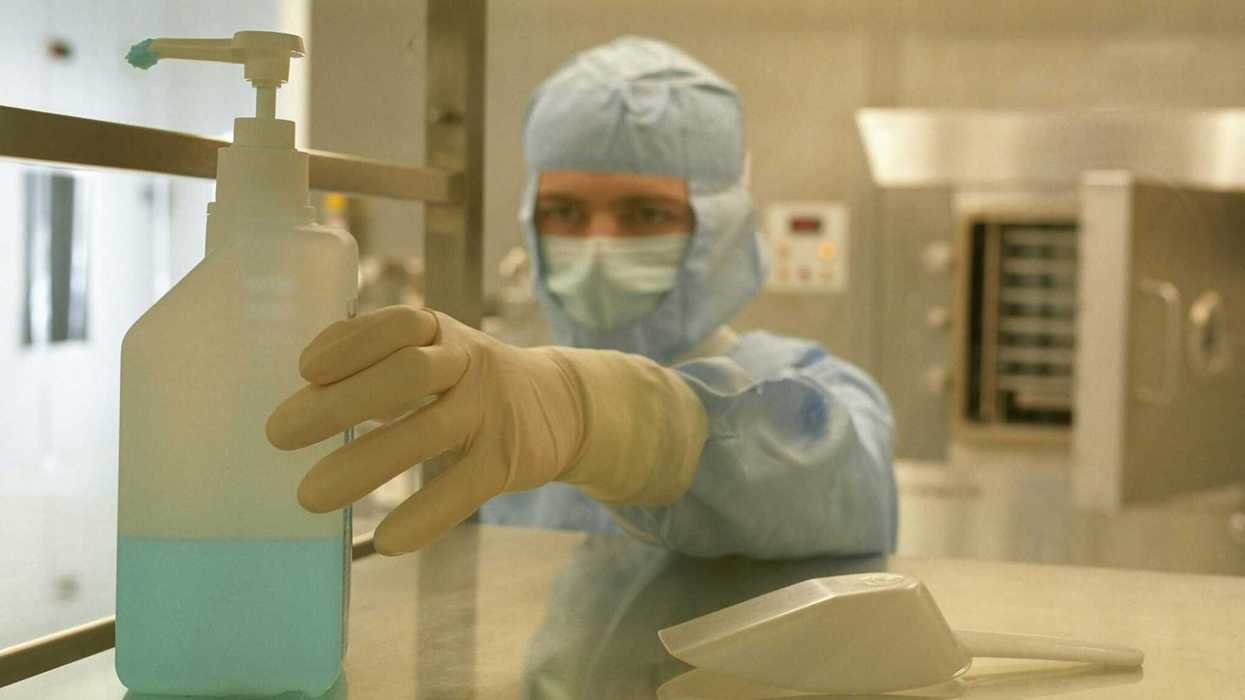

Across California and the U.S., thousands of employees working in sterilization facilities, medical device distribution centers, and other industrial environments are exposed to a chemical that poses significant long-term health risks. Ethylene oxide (EtO) is used to sterilize nearly half of the medical devices in healthcare, making it indispensable. Yet the mounting evidence of its danger to those who handle it can no longer be dismissed.
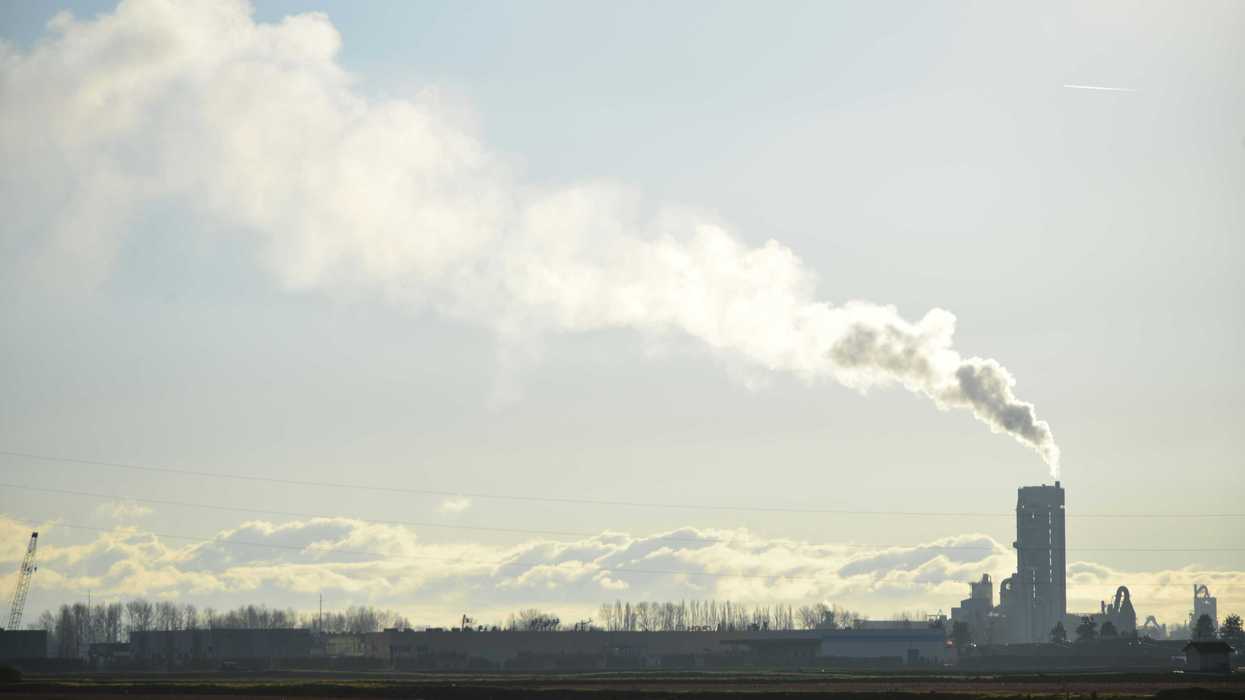
What makes this especially alarming is that the risk does not stop at the facility fence. In California, emissions from EtO sterilization plants drift into surrounding neighborhoods, reaching schools, childcare centers, and homes. Many of these facilities are located near lower-income communities and communities of color, and as a result, Latino workers and families are often among those most heavily exposed. For these communities, this is not an abstract policy debate. It is a matter of environmental justice, public health, and the basic right to a safe workplace and a safe neighborhood.
The science has been clear for decades. Study after study has connected EtO exposure to serious diseases, including cancer. Federal agencies have acknowledged the hazards. And yet the Occupational Safety and Health Administration (OSHA) has not updated its workplace exposure standards since the early 1980s. The people most at risk are still working under rules written more than forty years ago, rules that were inadequate then and are indefensible now.
Ethylene oxide is used to sterilize delicate instruments that would be damaged by heat or steam. The Environmental Protection Agency (EPA) classified EtO as a known human carcinogen. Long-term exposure, even at low concentrations, can damage DNA, while short, concentrated encounters may cause respiratory irritation, difficulty breathing, headaches, and neurological symptoms. Research from the Centers for Disease Control and Prevention (CDC) and the EPA links prolonged exposure to cancers, including leukemia, non-Hodgkin lymphoma, multiple myeloma, and breast cancer.
California is home to several EtO sterilization facilities, but the concentration is heaviest in the southern part of the state, and so is the human cost. The communities surrounding these plants are overwhelmingly Latino. For instance, near the Sterigenics facility in Los Angeles, specifically in Maywood, more than 96 % of residents are Latino. In Riverside, that figure approaches 56%. Otay Mesa in San Diego consists in 70%. These are not coincidences. They are the predictable result of decades of industrial siting decisions that have placed the heaviest environmental burdens on communities with the least political power to resist them.
The pattern does not stop at any single city line. Across California, Latino families, children in neighborhood schools, and workers clocking in for their shifts are breathing the same contaminated air — day after day, year after year. And they are doing so under federal exposure standards that have not been updated in decades. More than forty years have passed. Science has advanced. The evidence of harm has grown too impossible to ignore. The standards have not moved.
OSHA’s Standards Have Not Kept Pace With Science
OSHA last adjusted its permissible exposure limit (PEL) for ethylene oxide in 1984, long before modern research clarified the chemical’s full dangers. The EPA now believes EtO may be up to 60 times more harmful than earlier assessments suggested.
The agency recently finalized new rules aimed at reducing EtO emissions by 90% and lowering workplace exposure to 0.5 parts per million (ppm) by 2028 and to 0.1 ppm by 2035. Yet OSHA’s current enforceable limit remains at 1 ppm, two to ten times higher than what the EPA now recognizes as a realistic safety goal. This disparity leaves workers operating in environments that science no longer considers adequately protected without any answers.
While the EPA has taken significant steps to align regulation with current medical evidence, OSHA’s continued inaction shifts the burden of protection to other parties. State governments and labor unions may need to lead the push for immediate reforms. However, in this battle, campaigns for safer workplaces and environmental justice have long been effective in raising awareness and shifting public opinion in the right direction.
All must join forces to right this obvious wrong. Workers should have access to safeguards based on modern scientific understanding, including continuous air monitoring both inside and around EtO facilities. Employers must install effective ventilation systems, adopt highly sensitive leak-detection technology, and provide advanced personal protective equipment to minimize exposure. Comprehensive medical surveillance should also become standard, particularly for long-term employees who face sustained exposure risks.
The measures have already been implemented in some better-regulated industries, so why should EtO sterilization be an exception? OSHA’s mission is to protect the nation’s workforce, a responsibility that cannot be optional. Sterile medical equipment is essential to public health, but its production should never endanger the people who make it possible.
It is essential to recognize that the costs of inaction, whether in terms of public health, environmental damage, or the toll on workers’ well-being, are far greater than any potential financial burden from stricter regulations. Businesses must acknowledge the reality of these risks and embrace their responsibility to protect the health of workers and surrounding communities. In the long term, the cost of not acting may result in greater societal harm, including higher medical costs, environmental cleanup, and the loss of community trust.
Latino Workers Need Stronger OSHA Protections was first published on California Latino News and was republished with permission.
Jordan Cade is an attorney with the Environmental Litigation Group, P.C. in Birmingham, Alabama, where he advocates for individuals affected by toxic chemical exposure.


 Carmen De Backer is photographed at 5 years old with binoculars hanging from her neck. De Backer, now 16 and co-lead of the Tucson team of the Arizona Youth Climate Council ,was “always a big adventurer” whose love for wildlife and the outdoors has stayed with her through her teenage years as she fights to address climate change. Photo courtesy of Carmen De Backer.
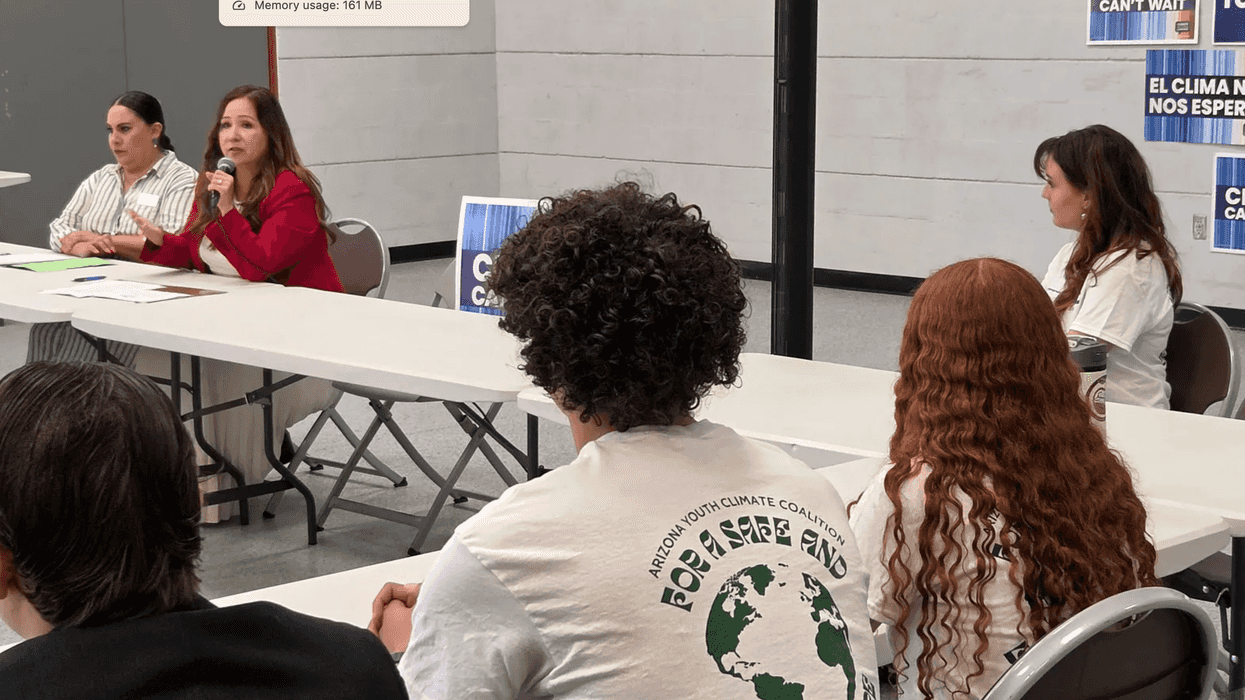
 Ward 5 council member Selina Barajas (left) and Rep. Adelita Grijalva met with Arizona youth Tuesday, Aug. 4, 2026 at El Pueblo Activity Center to discuss the impacts of climate change and listen to how extreme heat affects their young constituents.
  Gabriel Sadza, a sophomore at University High School, shares a story about having to practice for the marching band inside the school gym with no AC. Sadza was one of more than a dozen Arizona teens who participated in a conversation about extreme heat with council member Selina Barajas (left) and Rep. Adelita Grijalva (center, seated) on Tuesday, Aug. 4, 2026 at El Pueblo Activity Center.