


Skip to content
Search

Latest Stories

Follow Us:
Top Stories

Fraud, Funding, and FISA

News

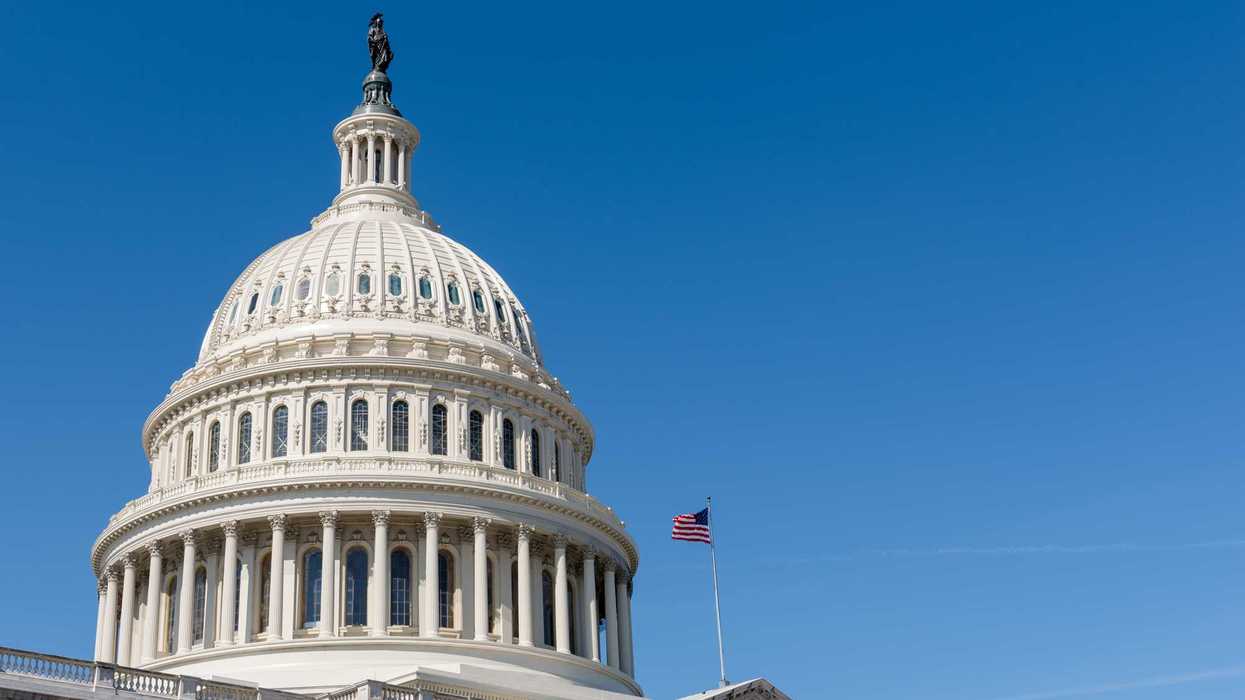
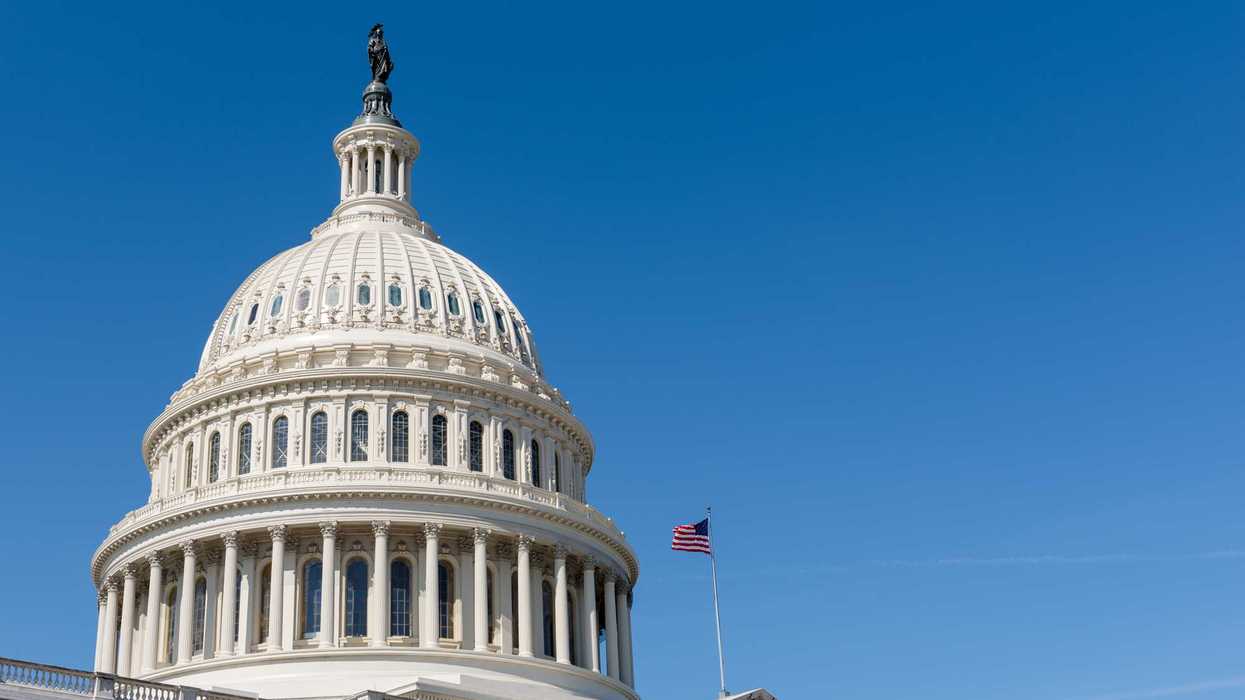
White marble exterior of the United States Capitol, often called the Capitol Building, is the home of the United States Congress and the seat of the legislative branch of the U.S. federal government

This week's congressional agenda includes anti-fraud legislation, ICE funding, FISA Section 702 renewal debates, and major committee hearings.

Richard Sharrocks / Getty Images

Fraud

This week in the House is Fraud Week based on the large number of bills likely to receive a vote that in some way are intended to decrease or eliminate many different kinds of fraud. Example bills up for a vote include:

Funding

One bill will likely become law this week if it passes the House:


This is the much discussed reconciliation bill which will provide even more money to the DHS agencies ICE and CBP through 2029. (Our post from this past Friday with more detail

FISA Section 702

This part of the Foreign Intelligence Surveillance Act, Section 702, is controversial because it can result in spying on US citizens without warrants ever being issued.

There are opponents of Section 702 as it’s currently constructed in both parties which makes passing a renewal without some modifications difficult.

Further, while it is true that the authorities in Section 702 will lapse this week, that doesn’t mean that all surveillance under its authority ends immediately.

Why not? Because there is a court, the FISA Court, which handles things related to foreign intelligence surveillance. In March, they certified the use of Section 702 through next year (while limiting the use of certain tools by certain agencies).

Further still, the President announced last week that he was making the Director of the Federal Housing Finance Agency, Bill Pulte, the acting Director of National Intelligence.

The combination of pre-existing objections to Section 702, the fact that it won’t really end if the law lapses and Trump’s preference for Pulte as acting Director of National lntelligence all point to another last-minute short-term reauthorization of the law as it currently exists or possibly of it lapsing.

Committee Meetings

There are 46 committee meetings across both chambers of Congress this week. Several about about national defense appropriations and closed to the public. There are some others of potential interest and long-term effect:


Fraud, Funding, and FISA was originally published by GovTrack.us and is republished with permission.

Read More

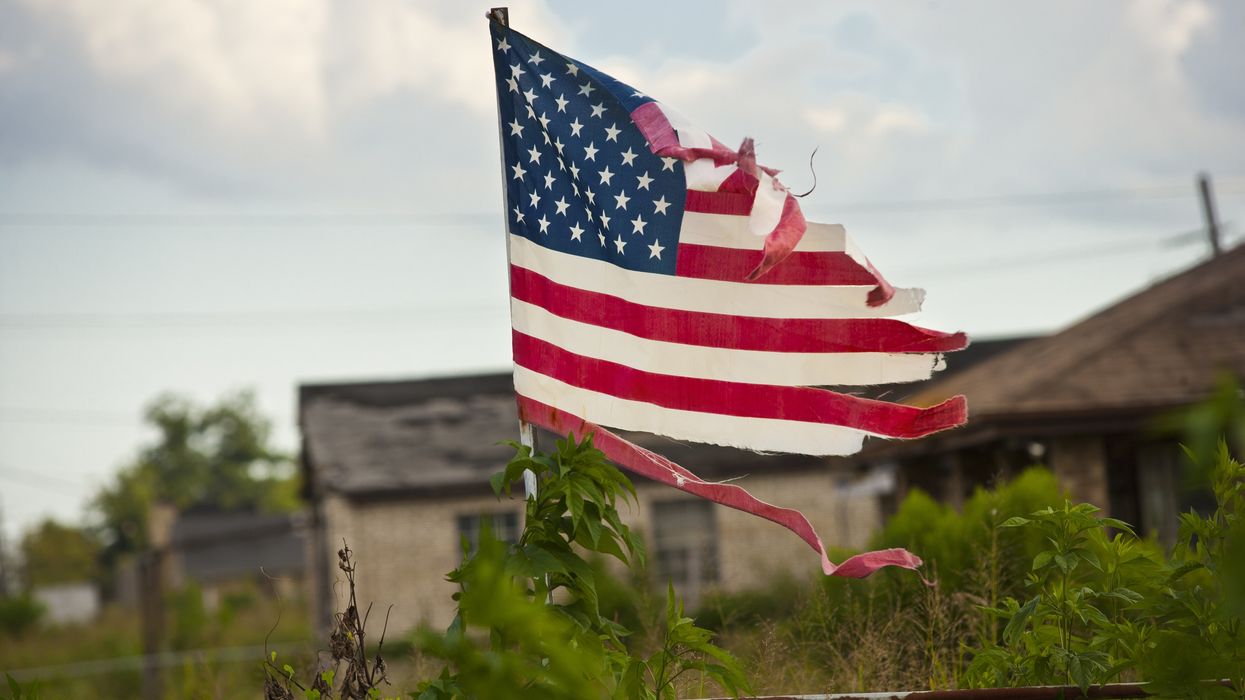
The U.S. flag, waving, with the ends of it frayed.

The U.S. is falling short of what its national wealth makes possible for its people.

Americans Are Not As Well Off As People in Peer Nations – Us Safety Net’s Shortfalls Show Up in Global Data

As the United States celebrates the 250th anniversary of its Declaration of Independence, the global data we collect and analyze shows that the country is failing to “promote the general Welfare,” as the Constitution’s framers promised a little more than a decade later.

We are scholars of human rights. Alongside the Human Rights Measurement Initiative, a nonprofit that tracks how well more than 200 countries and territories are meeting the human rights commitments their governments have made, we annually update scores measuring whether people can actually get the basics of a decent life, such as healthcare, adequate food and a quality education.

Keep ReadingShow less
No Party. No Big Money. No Problem: How an Independent Mayor Beat the Machine in Ridgecrest

Dr. Travis Endicott, Mayor of Ridgecrest, California

Photo provided

No Party. No Big Money. No Problem: How an Independent Mayor Beat the Machine in Ridgecrest

Much of the national conversation about independent politics focuses on candidates. Less attention goes to the independents who have already won and are now doing the actual work of governing without a party behind them.

This is the first installment in a new IVN series profiling independent elected officials in an attempt to address that shortcoming.

Keep ReadingShow less
Deadly Venezuela Quakes Spark Renewed Calls for U.S. to Restore Temporary Protected Status

People and rescuers search for victims amid debris of demolished buildings as rescue efforts continue after a magnitude 7.2 earthquake struck Venezuela and other regions in the Caribbean on June 25, 2026 in La Guaira, Venezuela.

(Photo by Jesus Vargas/Getty Images)

Deadly Venezuela Quakes Spark Renewed Calls for U.S. to Restore Temporary Protected Status

Venezuela is reeling after a series of catastrophic earthquakes that collapsed buildings, triggered landslides, and overwhelmed emergency responders across multiple states. The strongest quake, a 7.3‑magnitude event, sent residents fleeing into the streets as aftershocks rippled through Caracas, Sucre, Miranda, and Bolívar. Entire neighborhoods have reported severe structural damage, blocked roads, and hospitals struggling to treat the injured as rescue teams work to reach communities cut off by debris and power outages.

The U.S. Geological Survey (USGS) and Venezuela’s National Seismology Foundation confirm the scale of destruction and warn that more aftershocks are likely. International humanitarian organizations, including the Red Cross and the UN Office for the Coordination of Humanitarian Affairs (OCHA), say the disaster has intensified an already dire humanitarian crisis marked by food shortages, failing infrastructure, and mass migration.

Keep ReadingShow less
Collage.
Collage by Alex Bandoni/ProPublica. Source images: Bloomberg/Getty Images, Firearm Transaction Record Form via U.S. Department of Justice and Alec MacGillis/ProPublica.

“No One Is Watching”: How Trump Reversed Biden’s Crackdown on Gun Trafficking

Marianna Mitchem grew up in the Denver suburbs, where she played high school soccer. One day in April 1999, her team faced off against a nearby rival, Columbine High. The next day, two teenagers went on a shooting rampage at Columbine, killing more than a dozen people.

The massacre left an imprint on Mitchem. After graduating from Providence College, she joined the Bureau of Alcohol, Tobacco, Firearms and Explosives. “Fearing for my friends and watching what was happening — you don’t forget things like that,” she told me. “I wanted to make a difference.”

Keep ReadingShow less