Skip to content
Search

Latest Stories

Follow Us:
Top Stories

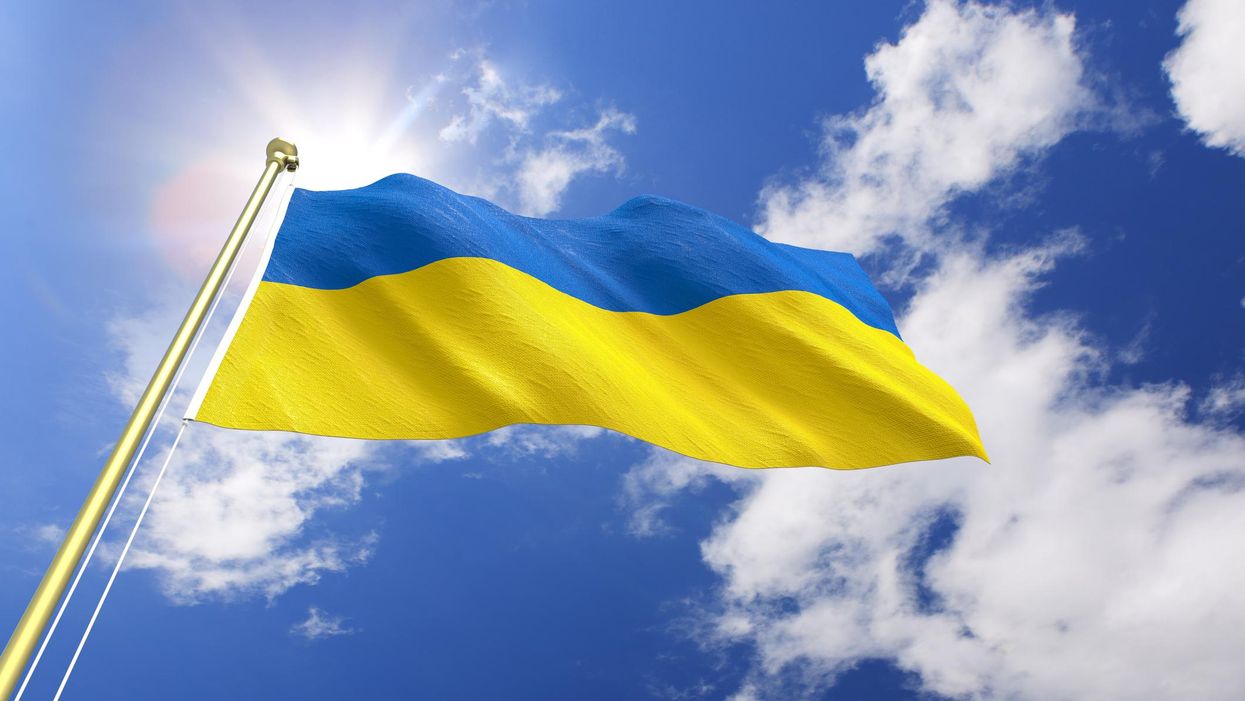
Ode to Ukraine

Ode to Ukraine

Kutay Tanir/Getty Images

Stein is an organizational and political strategist who has worked with dozens of for-profit, not-for-profit and political and public sector organizations over the past 50 years. He currently serves as a researcher/writer, consultant and champion of the work of cross-partisan cultural and political organizations and initiatives.

I know it is difficult to be optimistic in desperate times, but the burdens of healing the world are ours and ours alone - there is no one but us.


Thus, I proffer this “Ode to Ukraine” to encourage you to discover your own courage, belief, hope and faith in the possibilities of a better, more humane, evolved enlightened world:

Ukraine, thy individual acts of courage inspire our eternal belief in your cause;

thy personal resilience to defend your homeland is our hope for humanity

thy collective resolve to prevail in the face of unspeakable inhumanity waged against you sparks our faith in one another;

thy rejection of the forces of evil is the inspiration required to secure freedom, justice, and opportunity for ourselves and our posterity.

For this, and so much more, thy breath is our life


Read More

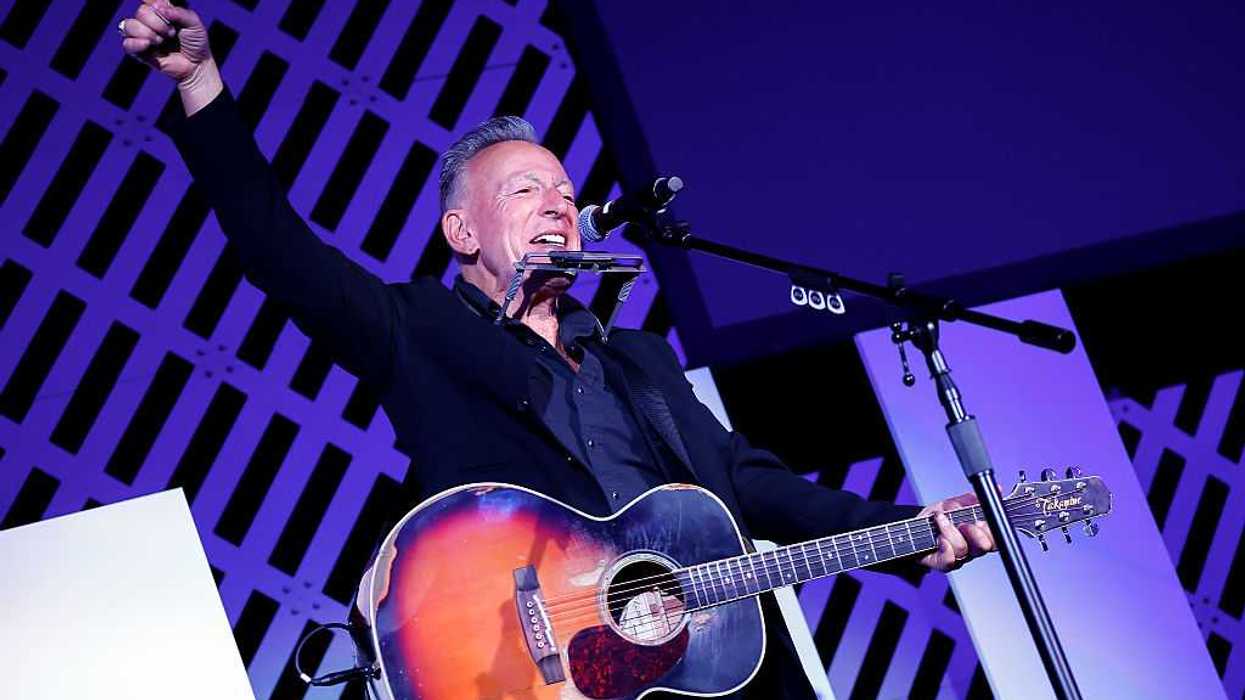
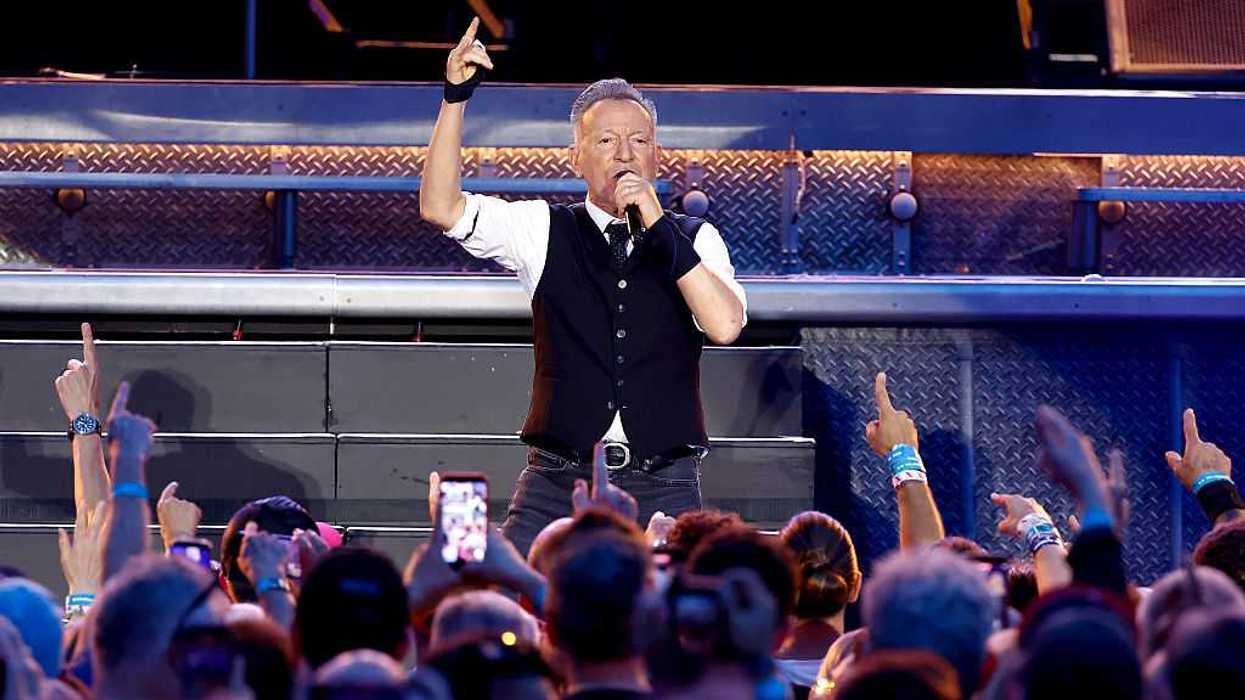
Bruce Springsteen In Concert, facing his audience.

Bruce Springsteen and the E Street Band in concert at Nationals Park on May 27, 2026 in Washington, DC.

Paul Morigi / Getty Images

Springsteen’s October D.C. Festival Pushes Music Into Democracy Fight

Bruce Springsteen has always spoken his mind through politics and expressed it through his music. For decades, he has treated the stage as a platform for the causes he believes in — a place where songs become arguments, and performance becomes a form of public conscience. His work has long insisted that American culture and American democracy are intertwined, that the stories we tell ourselves shape the country we become. So when he steps onstage in October for the “Power to the People Festival” in Washington, D.C., it is likely that this will just be the next chapter in his lifelong effort to defend democratic values through art.

Bruce Springsteen has spent the past year making no secret of his views on the current administration, expressing them with increasing bluntness from the stage. His recent performances have shown that when he believes democracy is at risk, he does not whisper — he raises his voice. Given that history, no one should expect him to be quiet in October. So when he stepped onstage in Washington, D.C., and previewed the upcoming “Power to the People Festival,” it felt less like a surprise and more like the next verse in a long American tradition of artists using their platforms to defend democratic values.

Keep ReadingShow less
A Hollow Song for a Hollow Patriotism: Reclaiming the Real Patriotic Ballads
Imagine a democracy concert followed by a yearlong democracy call to action roadshow—designed to build a new civic movement
Getty Images, gilaxia

A Hollow Song for a Hollow Patriotism: Reclaiming the Real Patriotic Ballads

After musician after musician pulled out from Trump’s June 24 “Freedom 250” concert, we’re left with Lee Greenwood and an opera tenor. The anthem that made Greenwood a star, “God Bless the USA,” was written in 1985 during the height of the Cold War. It begins with the specter of loss—“If tomorrow—all the things were gone, I’d worked for all my life / And I had to start all over with my children and my wife.” Then the wounds disappear before they’re felt: “I’d thank my lucky stars to be living here today / Because the flag still stands for freedom and they can’t take that away.”

Ronald Reagan made the song his campaign theme while launching a new age of American inequality by systematically busting unions and cutting taxes for the wealthiest. Greenwood treats layoffs and the resulting toll on ordinary lives as a mere inconvenience. As the refrain shifts from violins and a church organ to a military march, he repeats, “I’m proud to be an American, where at least I know I’m free / And I won’t forget the men who died who gave that right to me.”

Keep ReadingShow less
Colbert’s Final Late Show Reveals What We’re Losing in Public Dialogue

Stephen Colbert attends the 51st Chaplin Award Gala honoring George Clooney at Alice Tully Hall, Lincoln Center on April 27, 2026 in New York City.

(Photo by Gilbert Carrasquillo/GC Images)

Colbert’s Final Late Show Reveals What We’re Losing in Public Dialogue

Stephen Colbert hosted The Late Show for the last time last week.

Tributes have been pouring in for Colbert’s nightly monologue and comedic genius. And rightly so. He has a unique and deeply humane way of making the unbearable bearable, giving us a little light and lift on our darkest days.

Keep ReadingShow less
Stapleton’s Colbert Performance Shows Power of Nonpolitical Messages

Chris Stapleton performs onstage during the 59th Annual CMA Awards at Bridgestone Arena on November 19, 2025 in Nashville, Tennessee..

(Photo by Astrida Valigorsky/WireImage)

Stapleton’s Colbert Performance Shows Power of Nonpolitical Messages

On May 6th, I watched Chris Stapleton perform “Living in the Promiseland” on The Late Show with Stephen Colbert. The song, a Willie Nelson classic from 1985, hit me hard. Originally, Nelson released it at a time when debates about immigration and the American dream were in the headlines, and the song became an anthem of hope and inclusivity. These days, almost everything gets viewed through a political lens, but the song’s opening lines felt powerful without being political:

Give us your tired and weak, and we will make them strong
Bring us your foreign songs, and we will sing along
Leave us your broken dreams, we'll give them time to mend
There's still a lot of love living in the promised land

Keep ReadingShow less