

Skip to content
Search

Latest Stories

Follow Us:
Top Stories

Podcast: Combatting disinformation at-home and abroad

Podcast: Combatting disinformation at-home and abroad

Peter Pomerantsev visited Penn State at the end of March, when he was just back from a trip to Ukraine. He joins "Democracy Works" to discuss what he saw there, as well as how American media is covering the war. He also talked about the similarities between Ukraine and the United States when it comes to being vulnerable to Russian disinformation — and how both countries can strengthen democratic media.


Combating disinformation at home and abroad
Combating disinformation at home and abroad


open.spotify.com


Read More

An illustration with the words, "AI," in the middle - Icons on a computer, robot, lock, and a car are around

AI is unpopular yet widely used. Explore how citizen-led “crackpot schemes” could shape AI policy, protect jobs, strengthen democracy, and maximize AI’s benefits while reducing its risks.

Andriy Onufriyenko / Getty Images

In Defense of “Crackpot Schemes” for AI Governance

AI is unpopular. And nearly a billion people use ChatGPT.

AI is destroying jobs. And fields predicted to have been eliminated by AI, like radiology, continue to grow and leverage the technology to improve their work.

Keep ReadingShow less
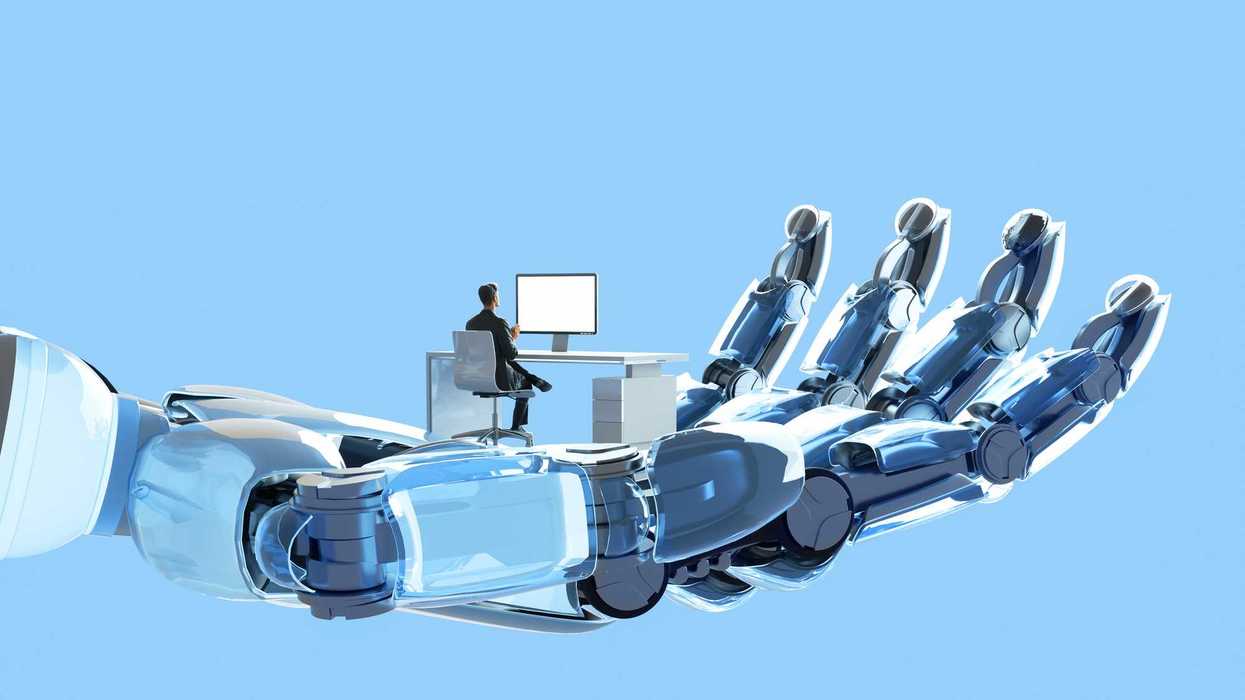
Digital illustration of robot's hand holding and supporting man who is working on his desk using computer, represent themes of artificial intelligence (AI), the future of work, and the intersection of humanity and technology.

A critique of Steven Rosenbaum's The Future of Truth and the irony of AI-generated errors in a book warning about AI, truth, trust, and democratic responsibility.

Andriy Onufriyenko / Getty Images

On Truth, Shame, and the Abuse of AI

A democracy is only as robust and vibrant as the citizens who sustain it. Self-government depends upon people willing to deliberate honestly, reason carefully, and exercise judgment responsibly. With the emergence of AI, this obligation becomes even more consequential because these powerful systems can either deepen human agency or quietly erode it. They can either help citizens think more clearly and participate more meaningfully, or they can encourage the outsourcing of judgment itself and the slow substitution of synthetic plausibility for human responsibility.

Imagine, then, publishing a book warning humanity about the epistemological collapse supposedly ushered in by artificial intelligence. Imagine assembling endorsements from solemn guardians of the humanities, critics of automation, custodians of truth, defenders of interpretation against probabilistic sludge. Imagine presenting yourself as a kind of intellectual fire marshal standing before a burning building, yelling that people must immediately stop playing with matches.

Keep ReadingShow less