






From statehouses to Capitol Hill, public servants are stepping away from elected office. In Congress, retirement announcements are at their second-highest level in a century.
Why is this happening? Some leaders are worried about political violence. Others are frustrated by how difficult it has become to get things done. Many are simply burned out.
I remember a time when fierce policy disagreements could still end with a handshake. When public service, however imperfect, was anchored by a shared sense of purpose. Watching that culture erode has been painful, both for those in office and for the people they serve.
At LEE, we’ve been asking what needs to change. We know most leaders do not leave office because they stop caring. They leave because they feel overwhelmed, frustrated, and unsupported. Too often, they lack the tools, support, and community needed to remain in public service.
That’s why we’ve invested more intentionally to help leaders grow and stay in office.
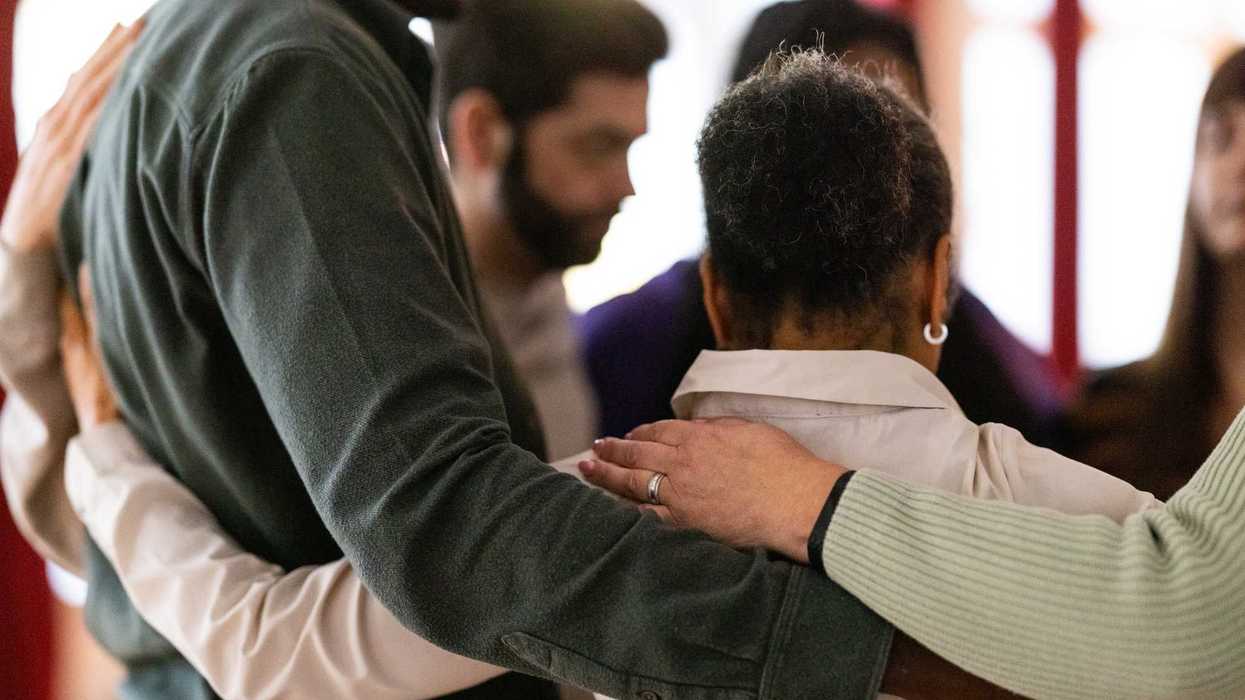
Building on our Courageous Leadership Conference, last year we launched American Roundtable: an invitation-only convening for a select group of LEE elected officials serving in politically mixed, often difficult environments. We brought together state legislators, city council members, and other local leaders from across the country for a three-day gathering designed to offer what the political system rarely does: space to step away from the noise, reflect, learn, and engage seriously across lines of difference.
This intentional design mattered. Members told us the restorative environment helped them slow down enough to think more clearly, listen more openly, and reconnect with why they entered public service in the first place. The conversations were guided by people like John Deasy, Shaka Mitchell, and me, who brought policy depth, governing experience, and a real understanding of what it takes to lead when trust is thin and the stakes are high.
If we want leaders to solve hard problems in their communities and move beyond reflexive partisanship, we have to create spaces that help them practice a different way of leading. The American Roundtable is one step in that direction.
What our leaders need
We often talk about leadership as if it’s something that just happens. But the truth is that it takes practice.
This is even harder to do given the enormous strain folks are under. Members of Congress face relentless fundraising pressure and often the burden of maintaining two homes to do their jobs effectively. State and local officials are often balancing public service with full-time jobs, family responsibilities, and modest or inconsistent pay. In 2024, state legislator salaries ranged from just $100 to $142,000, with an average of $44,320. Over time, those realities make public service harder to sustain and can quietly shut out people who otherwise might run and lead.
These are the people making decisions about our schools, our safety, and our communities. Yet too often, we do not give them the leadership training, support structures, or breathing room they need to do the work well.
As one participant shared, “We’re not investing enough early in people’s political careers — in their orientation, their mindset, and their ability to work across lines of difference.” That’s exactly why we created the American Roundtable.
What we learned together
During our time together, a few reflections became clear.
First, effectively understanding and navigating differences takes time. Leadership is not about who can dominate a room. It is about who can listen long enough to understand what is really at stake for someone else.
Second, people are more nuanced than the stories we tell about them. We all carry assumptions about one another until we sit across the table from one another and have deep, direct conversations.
Third, values live in tension. Leadership often means navigating competing priorities, knowing when to hold firm, when to compromise, and how to move with integrity through complexity.
Fourth, leaders need community. No one can do this work alone. We all need trusted spaces where we can be candid, challenged, and supported, and relationships that force us to question our assumptions and grow.
Finally, today’s political climate too often pushes people toward anger and division. The harder work is choosing empathy and curiosity over outrage.
Where we go from here
If we want a different kind of politics, we have to invest in a different kind of leadership.
The American Roundtable can be a model for a different kind of leadership development: one that gives leaders the space, tools, and relationships to grow.
If you are a leader in the office and feeling the weight of this moment, do not carry it alone. Reach out. Find your roundtable, whether through LEE or in your own community.
And if you care about the future of public service, support leaders who choose nuance over noise. Demand systems that reflect the value we say this work holds.
Real change still happens when people are willing to sit together, listen, and do the hard work of understanding one another.
That’s where it begins, with us.
Mildred Otero serves as the President of LEE.











The President Invited Iran to Bomb My Home