

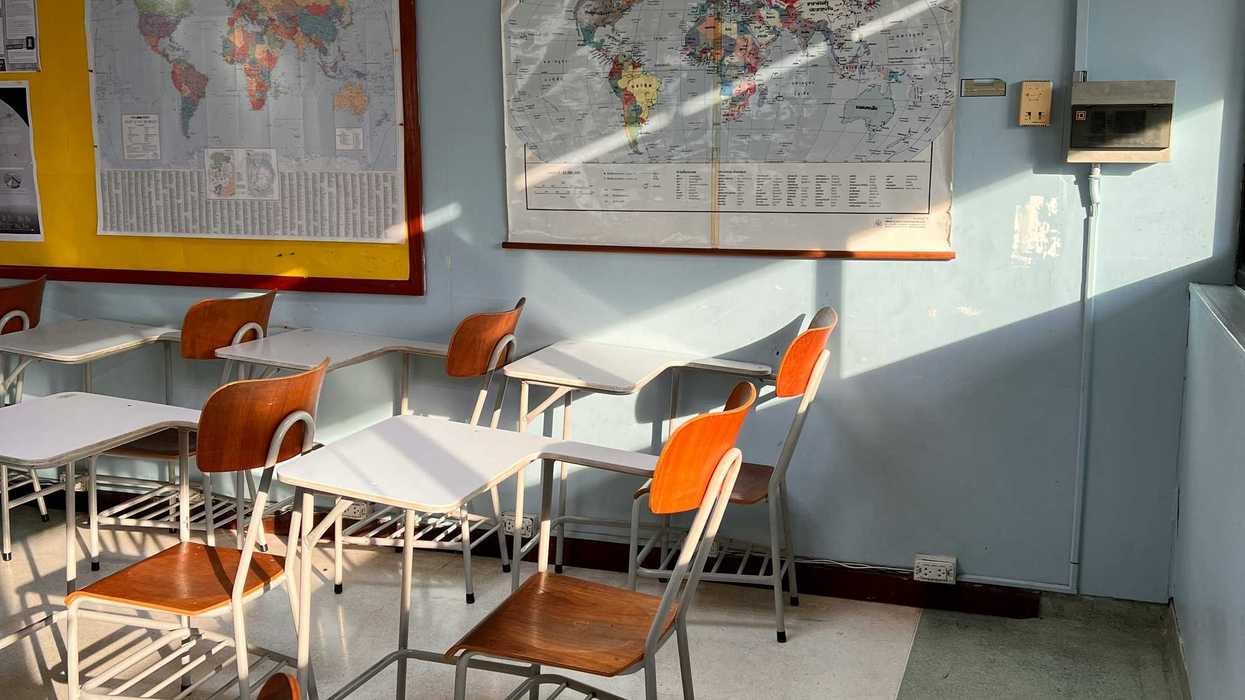
In September, I was genuinely excited to attend my son’s elementary school Back-to-School Night.
As a former high school social studies teacher and now a nonprofit executive working to strengthen K–12 education nationally, I love being in schools. I love seeing classrooms come to life, talking with teachers, and getting a glimpse of what students are learning. As a former history and civics teacher, I was especially curious to see how my son’s teacher would weave social studies into the elementary school day.
Unfortunately, what I learned was both familiar and frustrating.
Social studies was scheduled for roughly two days a week. Three, if the schedule allowed.
I shouldn’t have been surprised. For most of my career, I have watched social studies get marginalized out of the elementary school day in favor of subjects that are tested, measured, and more readily understood as “essential.” But experiencing that reality as a parent hit differently, because we have created a false choice.
We talk about literacy as though it belongs primarily to English language arts, while subjects such as history and civics are relegated to lower tiers of importance, as though students must learn to read first and then apply those skills to the world around them.
But literacy and civic learning are not competing priorities. They are deeply interdependent.
You cannot fully participate in civic life without the ability to read and understand the world around you. Citizens must be able to read laws and policies, interpret information, evaluate evidence, understand historical context, consider competing perspectives, identify credible sources, recognize an argument, and distinguish a claim from evidence. These are literacy skills. They are also civic skills.
And yet, when we marginalize social studies in the name of literacy, we risk teaching students how to read without giving them enough opportunities to practice reading for a purpose: to understand their government, their history, their communities, and the issues that shape their lives.
The irony is that social studies can be one of the places where students develop stronger literacy, not an obstacle to it.
Reading a primary source requires students to grapple with unfamiliar vocabulary and context. Examining two accounts of the same historical event asks them to compare perspectives and evaluate evidence. Reading a proposed law requires them to interpret language and consider its implications. Investigating a community problem requires them to gather information, assess sources, construct an argument, and communicate their conclusions.
These aren't skills we teach after literacy.
They are what literacy looks like when students use it to make sense of the world.
So the problem isn't simply that schools aren't giving social studies enough time. The problem is that we have separated literacy from the very subjects that give literacy meaning and purpose.
If we want strong readers, we should also want strong citizens, and we should recognize that developing one helps develop the other.
Aruna Patel is the VP and Chief Program Officer at the Center for Civic Education.









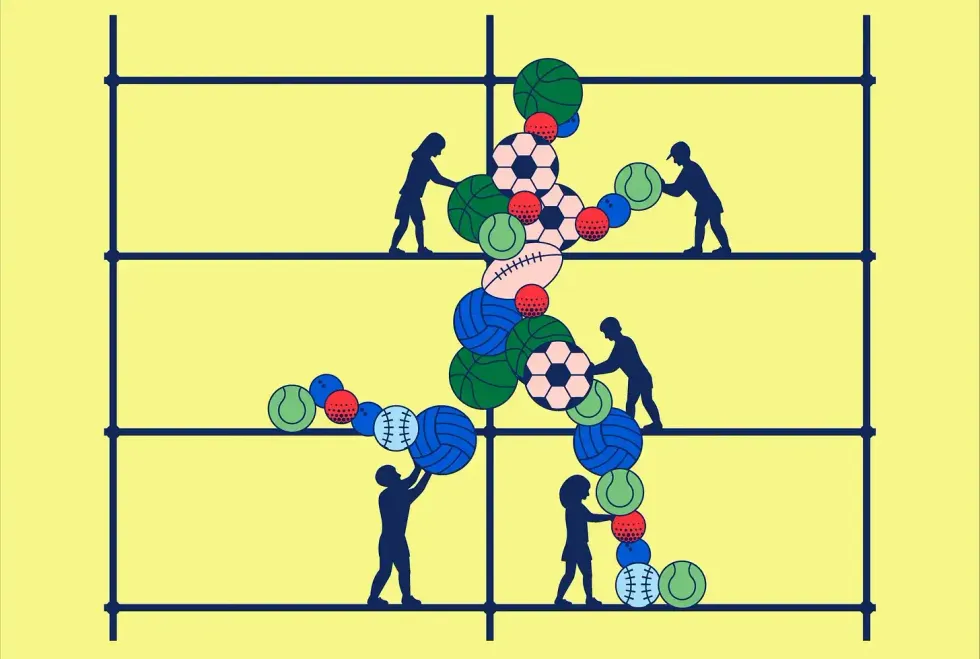 Following our HWF Civic Futures kickoff last week with Eric Liu, our design partners at Public/Official have created a unique visual to capture the “civic scaffolding” spirit of this conversation.
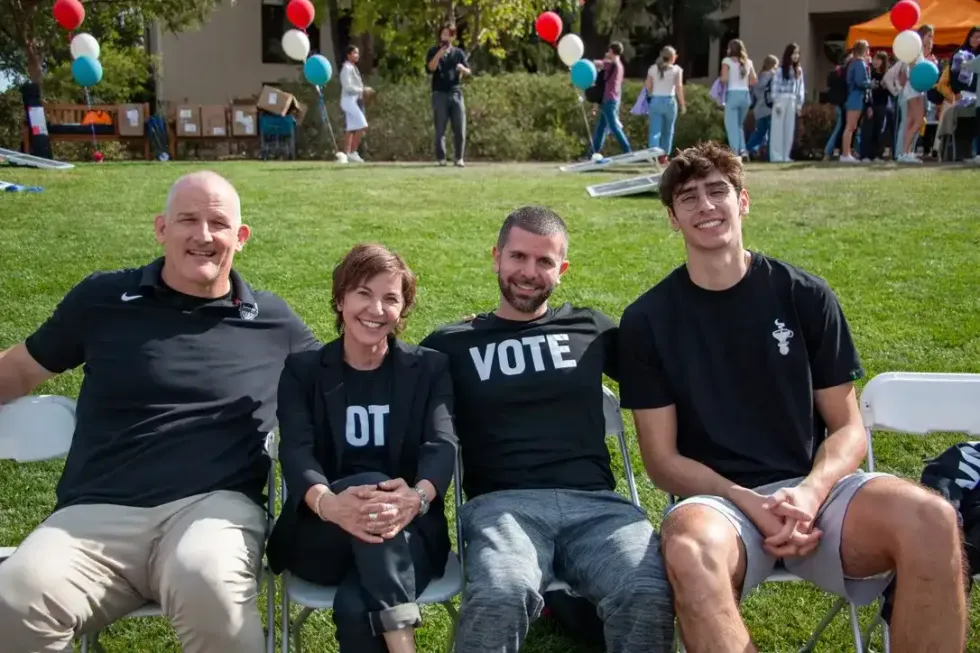 Lisa, Coaches Rev and Matt Elkin, and former Stanford Men’s Basketball star Maxime Raynaud at Stanford’s “All Vote No Play” Democracy Day, 2025