



In the 1980s, I was an American diplomat assigned to the U.S. Consulate in Casablanca, Morocco. At that time, King Hassan II was coordinating a “voluntary” campaign to fund the building of the Hassan II Mosque on the Mediterranean coast. The monarch wanted to build the largest mosque in Africa. In 1986, work began on it. Although the King told Moroccans he could pay for it himself (along with his government), he said it would be selfish if he did so. In an address to the nation, he told Moroccans that he wanted them to participate with him in the construction of this magnificent edifice. He told them that no one would be forced to contribute money and that the program would be purely voluntary. He said it would unite the country in this tremendous endeavor to make a beautiful Islamic monument that would be the envy of every nation. And so began a massive campaign to collect “contributions” from businesses, schools, and just average Moroccan subjects of the king.
It took seven years, and in 1993, the Hassan II Mosque was inaugurated in Casablanca. For a time, it was the largest mosque in Africa. But a few years ago, Algeria opened the Great Mosque of Algiers, which is now the largest on the continent, spanning nearly 70 acres. Today, Moroccans take pride in the Hassan II Mosque on the shores of the Atlantic Ocean. But few Moroccans think back fondly to how they were pressured to pay for it. Many families never recovered from the brutal tactics employed by Moroccan police to exact contributions.
I reported to Washington on the scattered protests among working Moroccans against the demands that they pay for the mosque. Police showed up at houses and demanded money. If someone couldn’t pay, they were often taken away. Through strong-arm police tactics, the King was able to squelch the protest movement, and many of the protesters disappeared and were never seen alive again. But those protesters had a message for the omnipotent king: he might hold the power, but they were willing to risk their lives to protest his unreasonable demands.
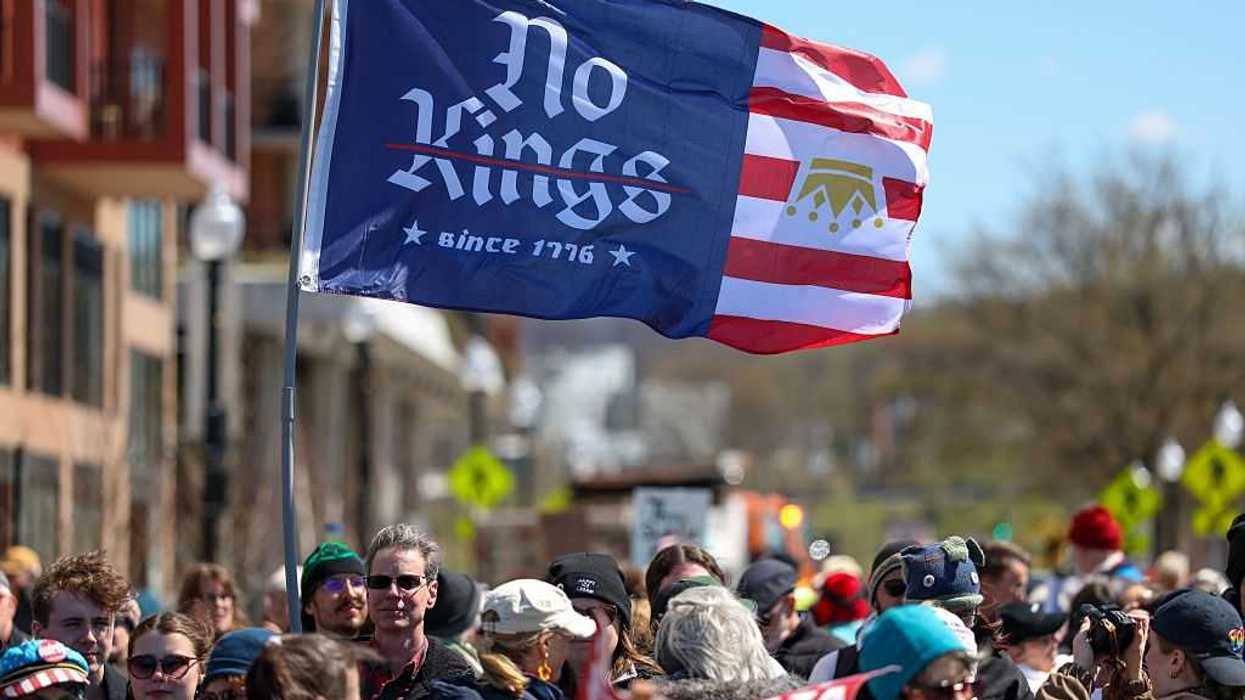
In our country, I have participated in every No Kings protest. I cannot be quiet in the midst of the outrageous acts of this administration. Some people say that since Trump evidently does not alter his behavior because more than eight million Americans gather at No Kings protests, it’s pointless to raise our voices. Whether Trump adjusts anything is not the point. We protest because we object to what is being done to our country. We protest because this country was built by immigrants. We protest because we believe in ethics and morals, while the Trump administration seems intent on treating people cruelly and feathering their own nests. We protest because we believe in the sovereignty of other nations, while Trump attacks Venezuela (kidnapping its leader) and launches an absurd war with Iran. More than an estimated 2,000 people protested together in downtown Fort Lauderdale on March 28th. More than 3,500 protested at Fort Lauderdale beach.
 Photo courtesy of Michael Varga.
We are at a dangerous inflection point in this country. Trump believes he has unlimited power. He acts like a king, and GOP politicians continue to place loyalty to Trump and the Republican Party over doing what is in the national interest. Every American knows that it is a recipe for disaster, and we’re living it.
Trump may never adjust his behavior in the Oval Office because of protesters' voices. But despite what he claims, everyone I have met at a No Kings protest was there voluntarily. No one was paying us to protest. We are grandfathers and realtors and teachers and librarians and government workers and plumbers and fast-food workers and every color of the American mosaic. Don’t let anyone tell you that protesting accomplishes nothing. We owe it to Renée Good and to Alex Pretti (and the unknown others who have been abused by ICE) to sound the alarm. Our country is one that began with rejecting an English king. Today, we must reject our wannabe American king.
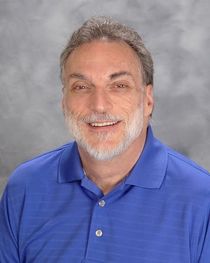
Michael Varga, the author of Under Chad's Spell, was a Foreign Service officer, serving in Dubai, Damascus, Casablanca, and Toronto. See more at www.michaelvarga.com






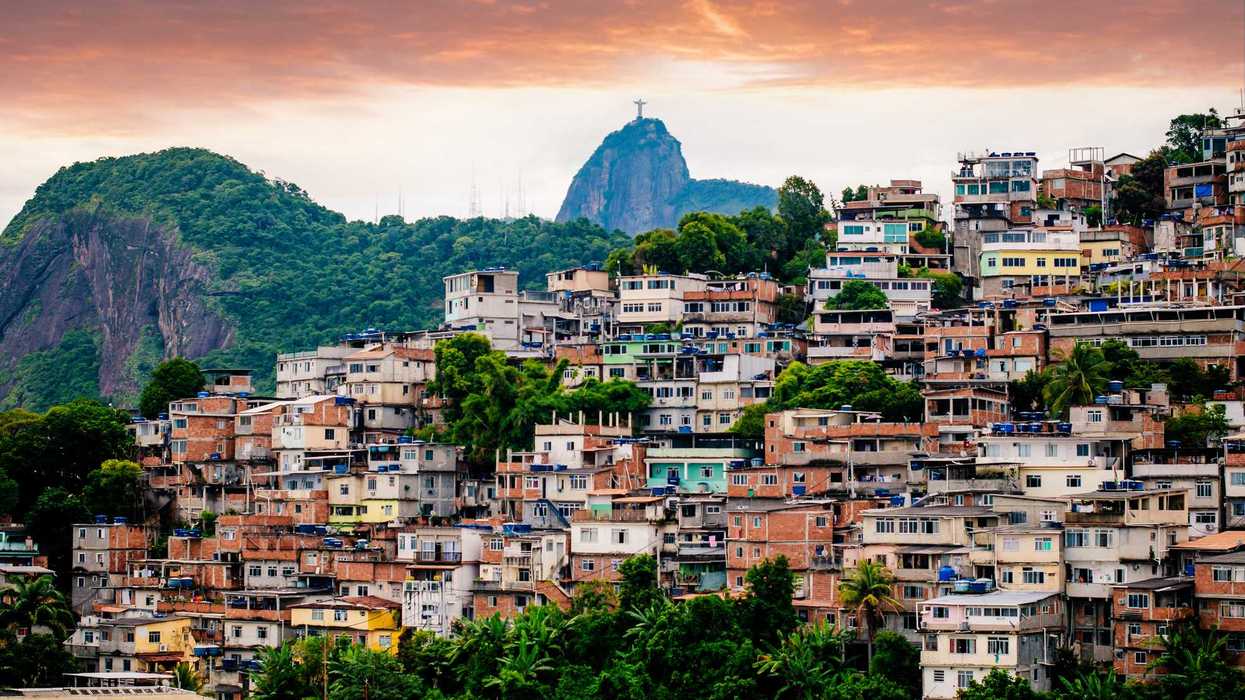
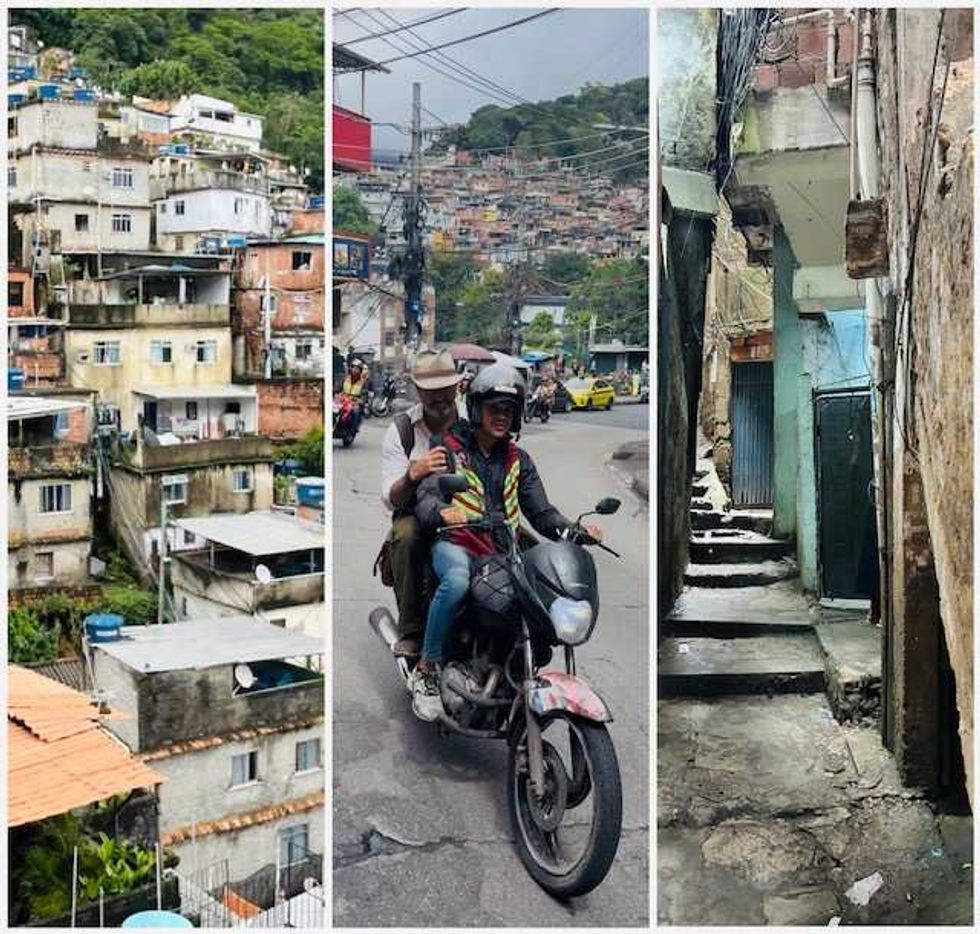 Scenes from Favela Rocinha, Brazil - (R-L) Rows of brick homes, Hugo Balta on a motorcycle taxi, and steep, winding roadsHugo Balta
 Following our HWF Civic Futures kickoff last week with Eric Liu, our design partners at Public/Official have created a unique visual to capture the “civic scaffolding” spirit of this conversation.
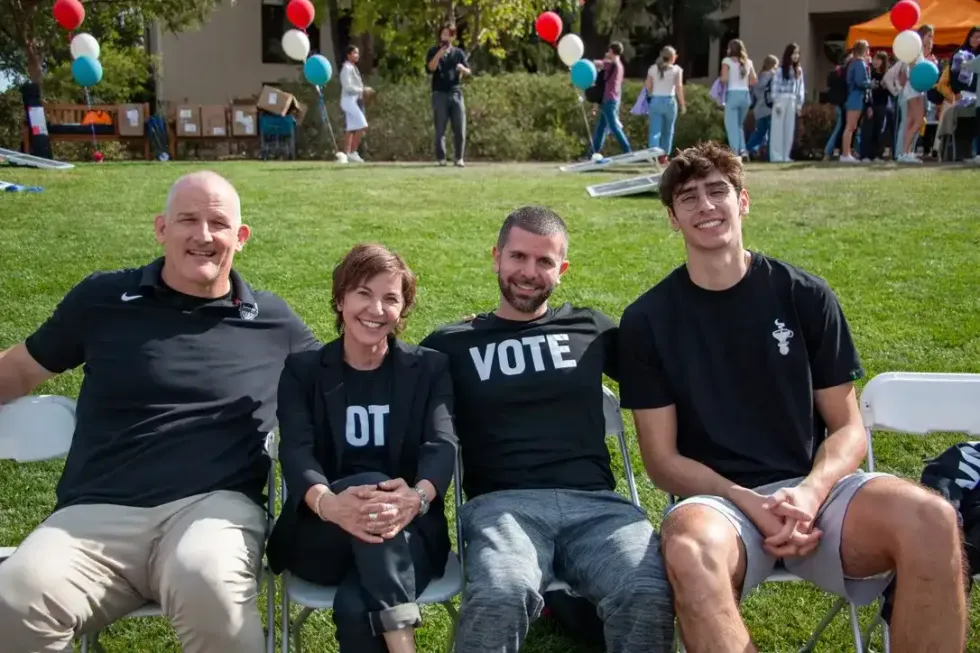 Lisa, Coaches Rev and Matt Elkin, and former Stanford Men’s Basketball star Maxime Raynaud at Stanford’s “All Vote No Play” Democracy Day, 2025