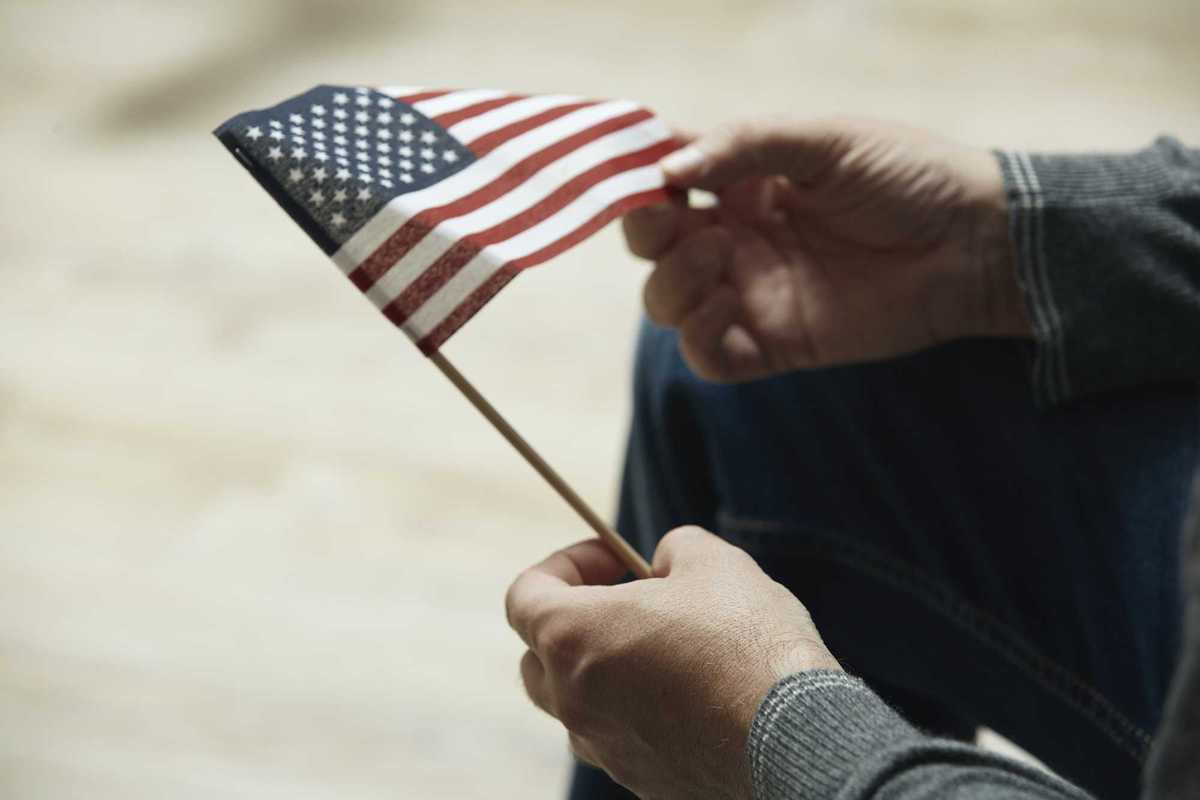
Last year, I put up the American flag outside my home because I wanted to reclaim it—quietly, personally—as a symbol that still belonged to all of us. I wasn’t trying to make a statement so much as to remind myself that the flag’s meaning isn’t fixed by whoever shouts the loudest. In "The American Flag's Meaning: Hope and Heartache," I wrote then about how raising it could be an act of civic hope, a small gesture toward the country I still wanted to believe in.
This year has felt different. Over the past several months, like many Americans, I’ve been thinking about what it means for this country to reach its 250th birthday. It’s something I’ve struggled with as a Latino and the son of immigrants, especially with the return of Donald Trump to the White House. The milestone should feel celebratory, but instead it has pushed me inward.
Most days, I take long walks with my wife through our Chicago neighborhood. These walks have become a kind of ritual—part exercise, part therapy, part meditation. We talk, but we also fall into stretches of silence where I drift into my own thoughts: where I’ve been, where I am, where I want to go. Those questions feel heavier now, tied up with the country’s own uncertain direction.
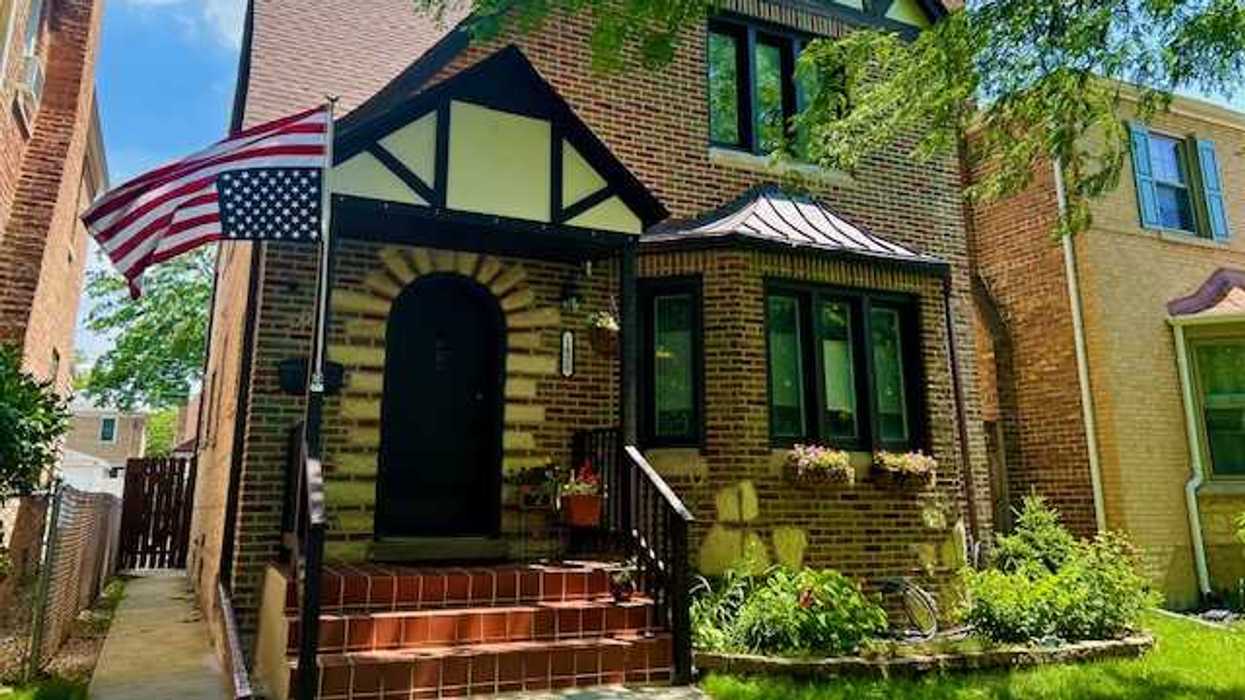
On one of those walks, I noticed a neighbor flying the American flag upside down. It stopped me in my tracks. I stood there longer than I expected, staring at it, feeling something shift. It brought me back to the op‑ed I wrote last year, to the meaning I tried to reclaim, and to the decision I knew I had to make this year. I realized I would raise my flag again—but this time, inverted.
 We Are Not Ok Inverted Us Flag by Sunoria We Are Not Ok Inverted Us Flag by Sunoria
I am hanging my American flag upside down this Fourth of July because I believe the country is in distress. The U.S. Flag Code describes the inverted flag as a signal of “dire distress in instances of extreme danger to life or property.” That’s not language anyone should invoke lightly. But as the United States struggles through the second year of Donald Trump’s second term—and approaches its 250th anniversary—I believe that threshold has been crossed.
Inflation has risen sharply, driven by higher energy prices and ongoing geopolitical conflict, which has pushed household costs up and weakened purchasing power. Consumer confidence has dropped to some of its lowest levels in years as Americans grow increasingly pessimistic about the economy. Job growth has slowed, unemployment has edged higher, and GDP growth has fallen short of early administration projections, all of which point to a cooling economy. At the same time, escalating geopolitical tensions — especially U.S.–Israeli conflict with Iran — have disrupted global energy markets and contributed to further price increases at home.
The Trump administration’s immigration enforcement efforts have expanded into mass arrests that have shaken communities across the country. Civil rights organizations have documented due‑process concerns, and local officials have struggled to manage the fallout. As the child of immigrants, I feel this in my bones. The fear, the uncertainty, the sense of being targeted—it’s not theoretical.
The killing of Renee Good and Alex Pretti in Minnesota this year has deepened the sense of unease. While investigations continue, the tragedy has become another flashpoint in a country already strained by mistrust and political tension. It is one more reminder that violence is no longer experienced as an exception but as part of the national atmosphere.
And for many families, the economic pressures are relentless. Gas prices remain elevated compared with pre‑pandemic norms, according to AAA’s national averages, and inflation continues to squeeze household budgets. The Trump administration points to strong macroeconomic indicators, but that is not what people feel when they pay for groceries or fill their tank. Economic anxiety shapes whether people feel secure, hopeful, and connected to their country.
Taken together, these developments paint a picture of a nation struggling to find its footing. War abroad. Fear at home. Rising costs. A political culture that treats disagreement as a threat rather than a democratic necessity. This is not the civic landscape we should accept as normal.
Flying the flag upside down is not an act of disrespect. It is a plea. It is a way of saying that something fundamental is at risk and that we cannot afford to look away. It is a reminder that patriotism is not passive. It is not allegiance to a leader or a party. It is a commitment to the ideals that have guided this country for 250 years—ideals that require constant tending, especially in moments like this.
Some will disagree with my choice. Some will see it as provocative or unpatriotic. But silence feels more dangerous. If citizens cannot express distress when they believe the country is veering off course, then we have lost something essential about democratic participation.
This Fourth of July, millions of Americans will celebrate the nation’s founding. I will celebrate it too. But I will also acknowledge the fragility of the moment we are living in. By inverting my flag, I am expressing both alarm and hope—alarm at the state of the nation, and hope that we can still right ourselves through accountability, civic courage, and a renewed commitment to the common good.
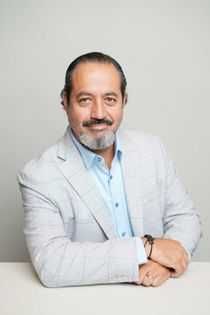
Hugo Balta is the executive editor of the Fulcrum and the publisher of the Latino News Network. Balta is the only person to serve twice as president of the National Association of Hispanic Journalists (NAHJ).