


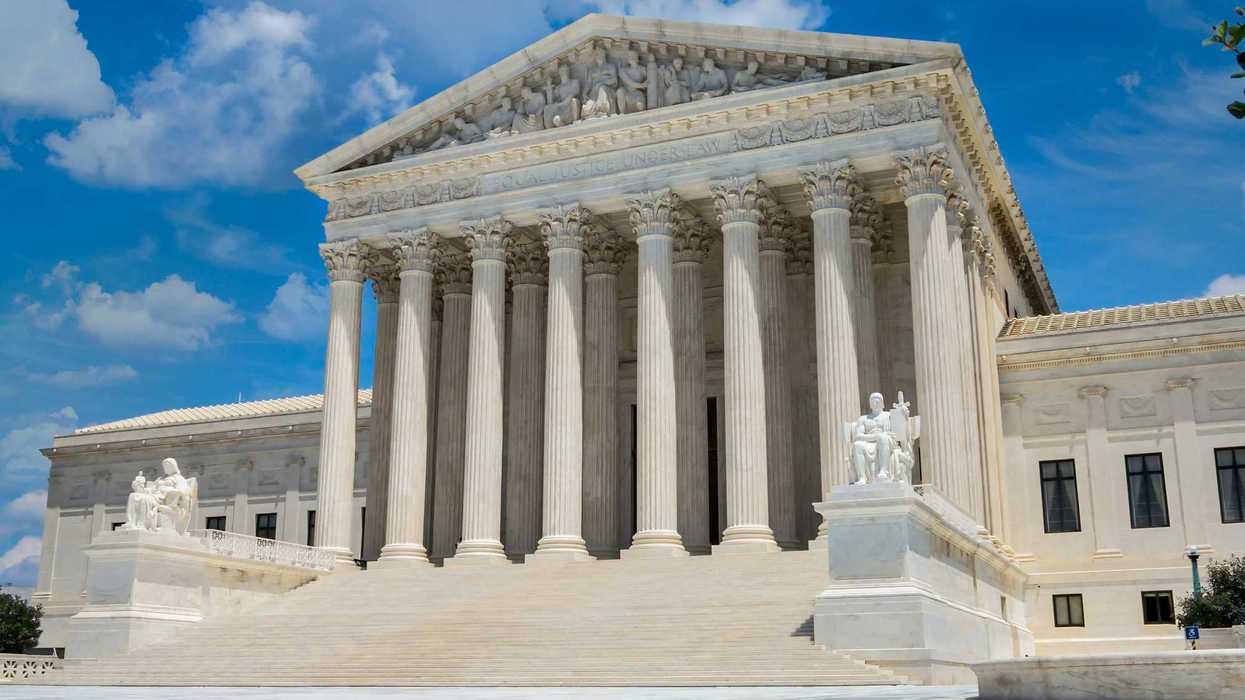

The partisanship of the Roberts Supreme Court Republicans violates the neutrality central to the rule of law's legitimacy. Moreover, the Founding Fathers, including James Madison, Thomas Jefferson, John Adams, and Alexander Hamilton, viewed avaricious oligarchs and seditious demagogues as the two gravest threats to democracy. They would doubtlessly view the Roberts Republicans – with rulings institutionalizing oligarchic pay-to-play while embracing Trump’s authoritarianism - as another grave threat.
The Rule of Law Survived One Judicial Coup
In hindsight, one can marvel at the muted reaction to the Rehnquist Supreme Court ruling in Florida’s 2000 presidential election. The Republican majority on that court stopped a careful vote recount ordered by the Florida Supreme Court in midstream, simply declaring George W. Bush president by 537 votes. Their haste was a planned coup: had the recount continued, Al Gore would have won Florida and the presidency.
Its coup did not mar the Court’s reputation in those halcyon days. More informed with time, the sadder but wiser contemporary assessment of the Supreme Court has sent its favorability ratings falling precipitously.
A majority of Americans now view the Roberts Court as discredited, its rulings repeatedly reflecting the justices’ personal political priorities rather than the law. This erosion of judicial integrity has rendered the court illegitimate. Some 86% of respondents to a 2025 Pew survey believed Supreme Court justices should not allow their political views to influence rulings - but 56% believe the justices are doing just that. And a 2026 Washington Post/Ipsos survey found that 55% disapproved of the court, the highest on record.
An International Embarrassment
Critics of the Robert court have numerous complaints.
First, the Roberts majority believes the Founders were mistaken to distrust oligarchs. Instead, they and their predecessors have engineered a pay-to-play political system. These rulings, including McCutcheon and Citizens United, have placed the corruption of money at the center of American politics, with public policy dominated by wealthy donors (read what Harvard professors call “one of the most important studies you’ve probably never heard of”). Pay-to-play has made the US electoral system an international embarrassment – of lower quality than in other rich democracies or nearby Barbados, Brazil, Canada and Jamaica – no better than other similar oligarchies like India and Mexico.
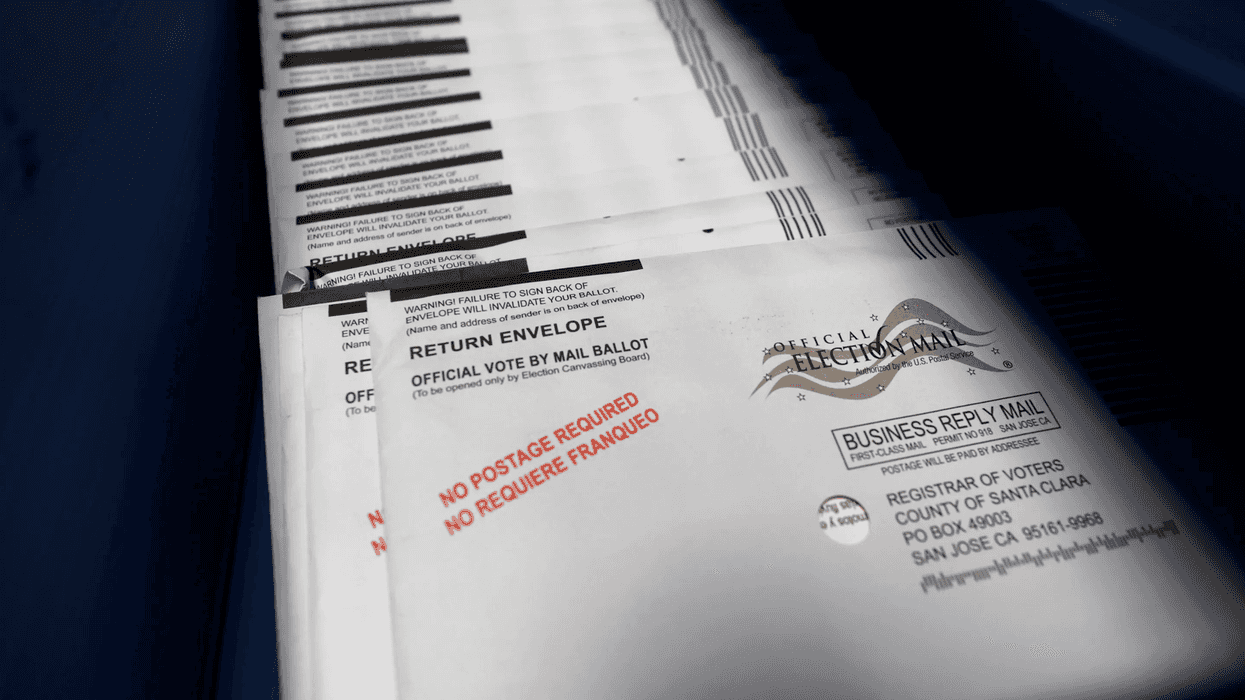
Second, the Roberts Republican majority is a group of politicians in robes, the first partisan court in history. Five of the six were Republican Party operatives in their pre-court careers, including three - Roberts, Kavanaugh, and Barrett – who rushed to Florida in 2000 to help devise and implement the Rehnquist Court coup. The public agrees: 79% of Republicans approve of them versus just 14% of Democrats, the largest gap Gallup has ever recorded. Their unprecedented partisanship is exemplified by rulings favoring the Republican Party on issues ranging from gerrymandering, Jim Crow poll taxes, voter suppression, and neutering the Voting Rights Act, to the 2026 midterm elections.
Third, the Roberts Republicans are ideological outliers, their conservatism well outside the U.S. mainstream. They were hand-picked, vetted, and groomed by the conservative Federalist Society – their appointments staged by wealthy Republicans. Moreover, all but Thomas were appointed by Presidents who lost the popular vote. Their partisanship and conservatism have forced Republican Senators to make their confirmations highly politicized affairs. All but Roberts garnered bare majorities, among the fewest Senate confirmation votes in U.S. history.
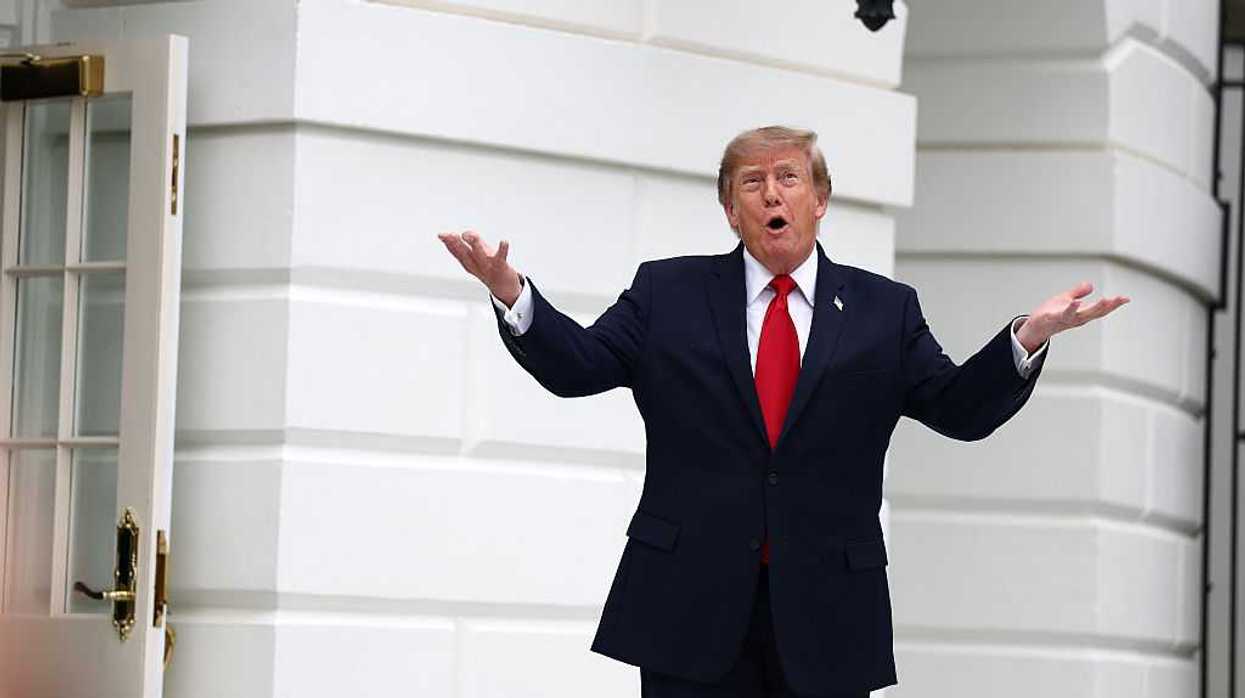
Fourth, the Republican majority has enabled President Trump’s creation of an all-powerful executive. They have enabled his weakening of Congressionally Mandated independent agencies (ending a 91-year precedent) and his actions trampling congressional budget authority. They have also gifted Trump broad immunity for criminal acts.
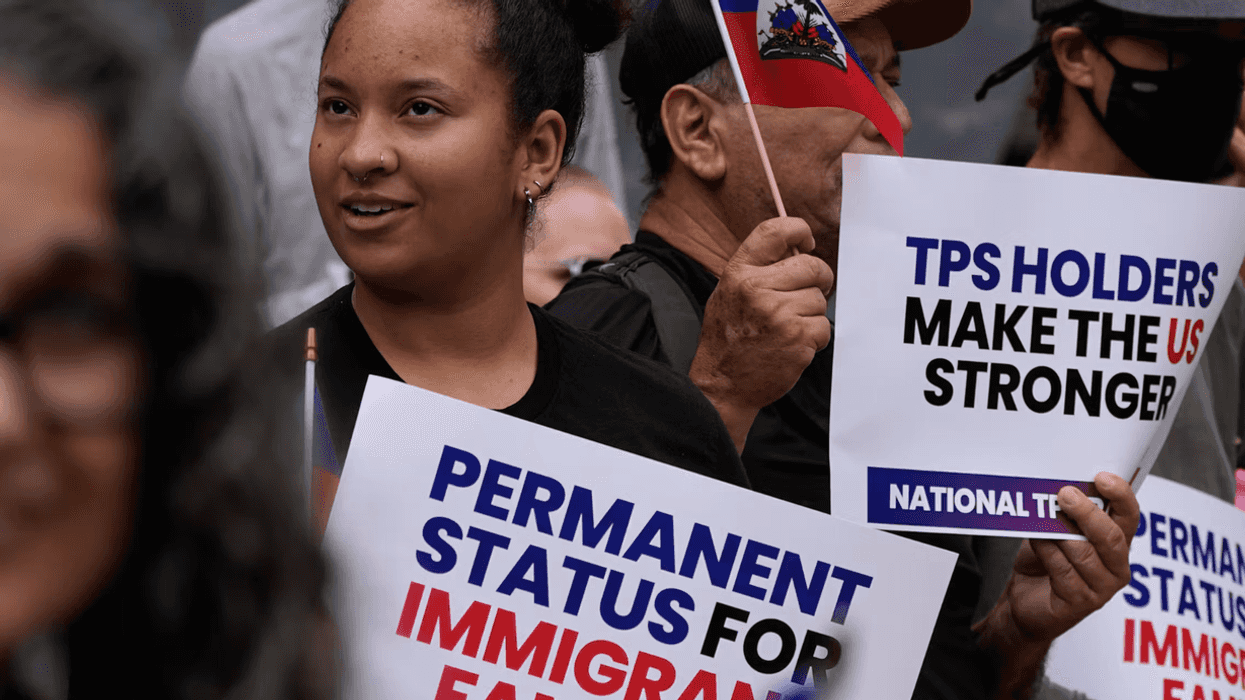
Fifth, the Roberts Republicans' support of Trump’s policies has sparked a judicial civil war. Federal Circuit and Appellate-level court judges have blocked hundreds of the Trump administration’s Executive Orders and bogus “emergencies” declarations, like invoking wartime powers to deport immigrants or allowing troops to police cities. Yet, the Roberts majority has overturned 80% of them to please Trump, almost always without explanation, in an unprecedented surge in use of the shadow docket. Their procedure and rulings have appalled Federal judges. Lower court judges are terming their obsequious Supreme Court's overrides “mystical,” creating a judicial crisis. The Roberts justices have responded by upbraiding judicial critics, instructing them to silently obey their betters.
Sixth, the Roberts court’s politicization and ethics compare poorly to apex courts elsewhere. A politicized appointment process, partisanship, and low-quality justices are why the American court ranks just 27th among global apex courts. Independent, non-political legal experts confirmed as judges by legislative supermajorities for limited terms are de rigueur abroad. For instance, appointment to an apex German court requires a two-thirds vote of parliamentarians, with justices serving non-renewable 12-year terms. Moreover, apex courts abroad have ethical standards policed by independent entities with remits to investigate and recommend removal of unethical judges. In sharp contrast, the U.S. Supreme Court relies on self-policing, with ethical violations commonplace. Justices have received $2 million book deals and millions in gifts, for instance, from wealthy benefactors with business before the court. You can judge their ethics for yourself: is it reasonable for Chief Justice Roberts’ wife to have received over $20 million from legal firms since his appointment? And do you agree with the Roberts Republicans that cash “gratuities” paid to reward politicians are not “bribes?
Seventh, the nation’s Founders would be aghast at the Roberts Republicans substituting their individual partisan preferences for legal scholarship. James Madison, for instance, envisaged a court of integrity - non-political, modest, independent legal experts rendering reasoned interpretations of the law - courageous justices ensuring that the law diffused power.
A 2028 Reckoning
The legitimacy and stability of the rule of law are jeopardized by the judicial civil war and the public perception of the Roberts Court as a partisan tool. A reckoning may well be precipitated should the Democrats attain a governing trifecta in 2028 or thereafter. Leading Democrats are eager to dismantle the Roberts Court. And the ideological Roberts Republicans might seek to neutralize that danger with a judicial coup.
The 2000 judicial coup was received at the time with remarkable equanimity. The reaction to a similar coup in 2028 is certain to be vastly different, with widespread, sustained civil disobedience sundering the legitimacy and stability of the rule of law.
George Tyler is a former deputy assistant treasury secretary and World Bank official. He is the author of books including Billionaire Democracy and What Went Wrong.