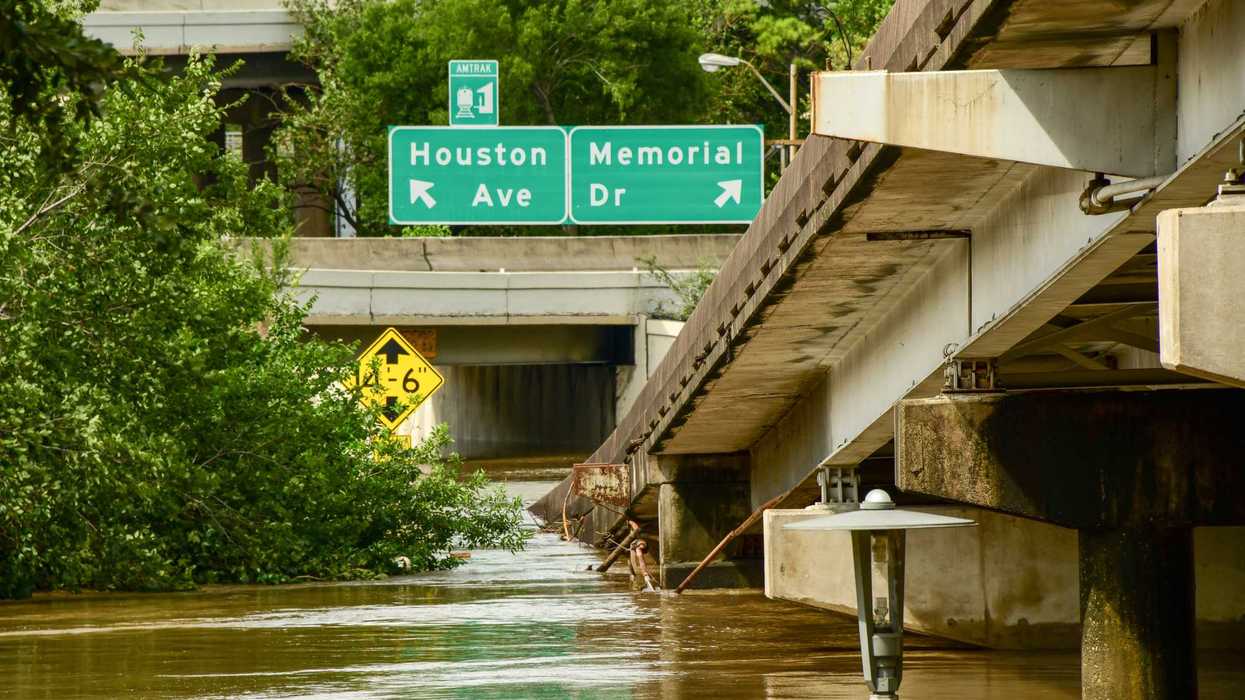
A flood warning can arrive on a phone in seconds. What happens next is much harder to predict.
Texas saw that difference again this July, when severe flooding across South and Central Texas triggered emergency warnings, evacuations, and hundreds of rescues. The state had warnings, emergency responders, and evacuation orders. But for an individual family, preparedness ultimately came down to a much smaller question: Do we know what to do now?
I see this distinction regularly in the preparedness workshops I conduct in Houston. The information is rarely new. People generally know they should have an emergency plan, understand evacuation routes, and check on vulnerable neighbors. The harder part is turning that knowledge into action before a disaster forces the decision.
That gap between information and action, between what people know and what they actually do, especially during disasters, exists nationwide, not just in the trainings we facilitate. Less than four in ten Americans have made a preparedness plan. Three in ten Americans have figured out evacuation routes. Only one in ten Americans has ever practiced a drill or worked with their neighbors to be ready to face a disaster.
These numbers have real-world consequences when a disaster strikes, and decisions must be made in seconds rather than hours. During Winter Storm Uri, nineteen Texans died because they were breathing in air from generators in enclosed spaces.
And Winter Storm Uri was hardly unique.
Disasters keep happening, and each time they happen, the same pattern emerges: people have information on what should be done, but the challenge is translating that knowledge into action when stress, uncertainty, and urgency take over.
The problem is that our preparedness efforts are designed to inform people rather than to prepare them for action.
We invest in public awareness campaigns, emergency alerts, infrastructure improvements, and coordination among agencies, be it through the Electric Reliability Council of Texas (ERCOT), Wireless Emergency Alerts (WEA), Ready.gov, or Voluntary Organizations Active in Disaster (VOAD). These investments matter because communities need reliable systems and accurate information. But information alone does not prepare someone to act the moment a flood warning arrives, or an evacuation order is issued.
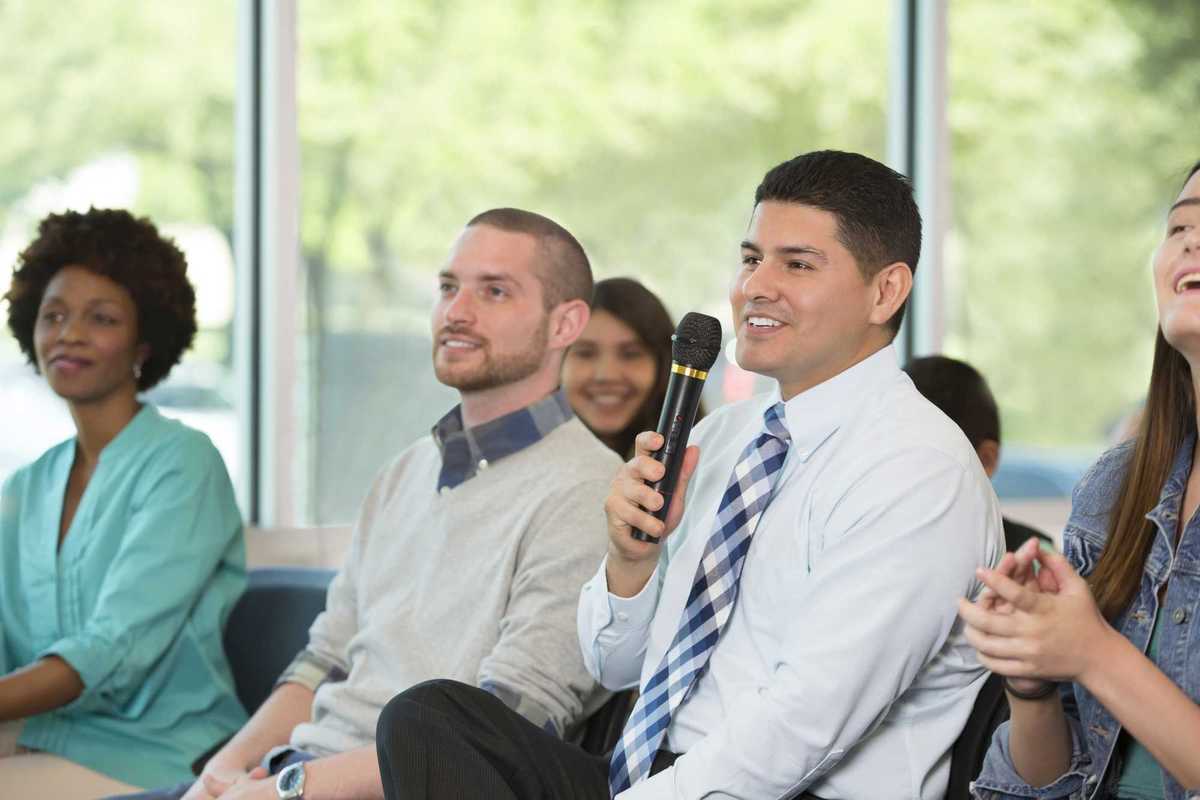
What really helps people get ready for a disaster is deeply human and behavior-oriented, which comes from repetition, from practicing evacuation routes, from knowing which neighbor may need help and who to call when communication systems fail. It is built through relationships, trust, and shared practice. That means preparedness cannot simply be something people are expected to find online or seek out when a disaster is approaching. We have to take preparedness into the communities where people live, work, and learn and give them opportunities to practice it before they need it.
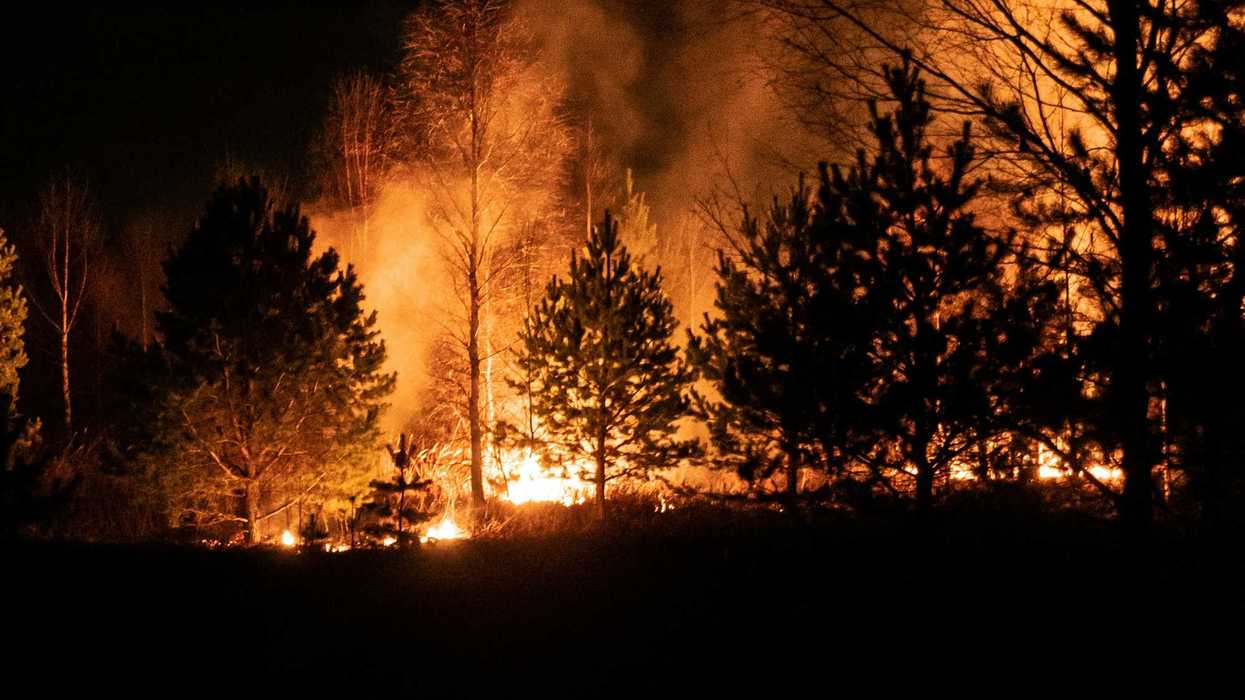
If the challenge is deeply human and behavior-oriented, then the solution has to be opportunities for communities to practice preparedness before wildfire warnings or flood alerts arrive.
Regular "blue sky" training, conducted before a disaster is on the horizon, should become a standard part of community life. Just as schools conduct fire drills and workplaces practice safety procedures, communities should routinely rehearse evacuation plans, emergency communications, and disaster response actions before they are actually needed.
Existing networks and institutions, such as the Voluntary Organizations Active in Disaster (VOAD) are uniquely positioned to make this happen. They already are connected with nonprofit organizations and local officials and can create a standard system for ‘community-first responders’ shared preparedness exercises, strengthening the trust, coordination, and ‘muscle memory’ that emergencies depend on.
We are already seeing what this can look like in Greater Houston. Sewa Houston developed its community preparedness program to take information directly to residents and give them opportunities to put that knowledge into practice. With capacity-building support from AmeriCorps, More than 12,000 people have been trained so far in and around the Greater Houston area.
Building the muscle memory of preparedness also requires a culture that treats it as a shared community responsibility. The result shows up when programs like ShakeOut become a huge success. They show that when preparedness exercises become public, participatory, and widely shared, millions of people are willing to practice together. Similar community-wide preparedness days could help normalize preparedness for the hazards most common to each region.
These efforts point toward a different way of thinking about preparedness. One that treats preparedness as an ongoing practice, as behaviors communities repeatedly rehearse, and as something built long before disaster is on the horizon.
Because in the end, disasters do not ask whether information was available. They reveal whether people have practiced what to do when it matters most.
Tarvinder Taneja is a former postdoctoral researcher with experience across India, the UK, and the US. At Sewa International, she leads community resilience initiatives spanning basic needs, mental health, and community health, combining scientific rigor with a deep commitment to public service.
Carole Juarez is Program Director for Sewa Houston’s ASPIRE AmeriCorps Program, leading community resilience, disaster preparedness, and volunteer operations. She has supported major Texas crises, including Hurricane Harvey and COVID-19, and brings extensive global experience across five continents, community relations, journalism, and cultural anthropology work.