




Skip to content
Search

Latest Stories

Follow Us:
Top Stories

Podcast: Following the science

Podcast: Following the science

Aaron Hamlin is the co-founder and executive director of The Center for Election Science, a nonprofit that is probably best known as a champion of an alternative voting method called Approval Voting. Aaron’s educational background and career experience have spanned the gamut, but through it all, as he explains in this episode of "How to Win Friends and Save the Republic," he has tried to use math and statistics to help make the world a little better.


Following the Science (with Aaron Hamlin)

Following the Science (with Aaron Hamlin)

ivn.us

Aaron Hamlin is the co-founder and executive director of The Center for Election Science, a nonprofit that is probably best known as a champion of an alternative voting method called Approval Voting.
Read More

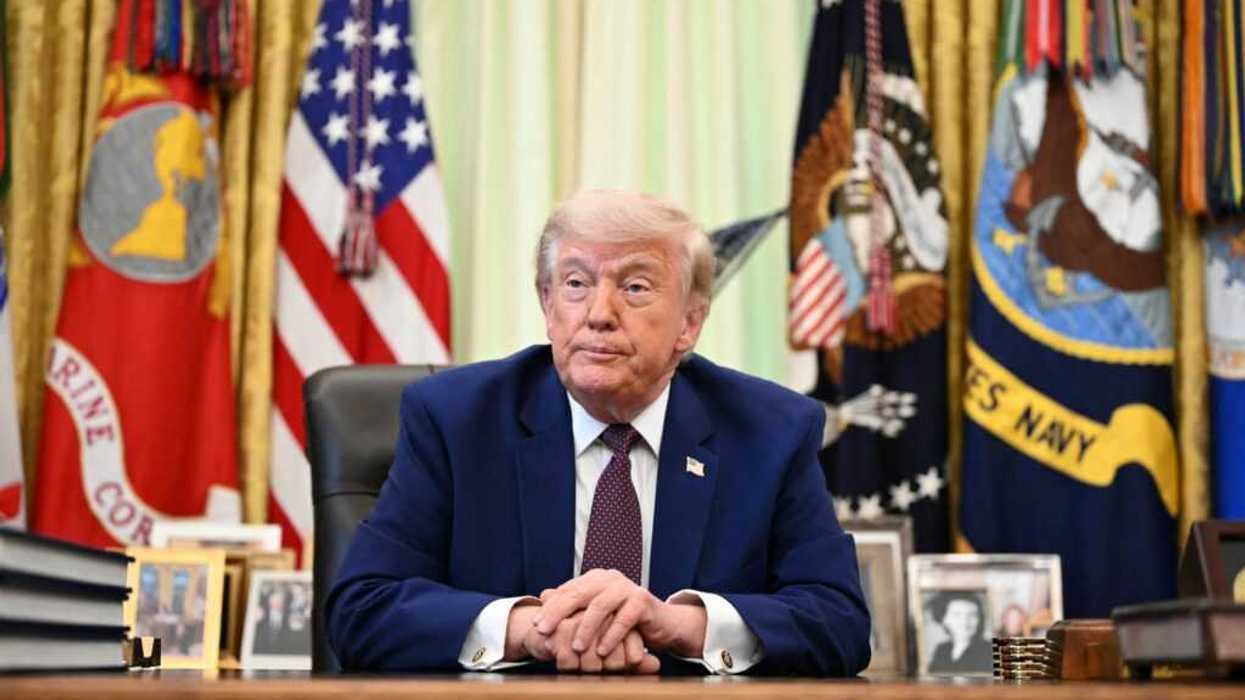
Donald Trump’s Iran war without rhyme or reason

President Donald Trump speaks to reporters during a news conference at Trump National Doral Miami on March 9, 2026, in Doral, Florida. President Trump spoke on his administration's strikes on Iran.

(Roberto Schmidt/Getty Images/TCA)

Donald Trump’s Iran war without rhyme or reason

If you ask President Trump, he’ll tell you we’ve already won the war in Iran.

When asked for an update by Axios on Wednesday, Trump responded with the kind of upbeat nonchalance and flippant boastfulness you’d usually see when asked about the progress on one of his hotels.

Keep ReadingShow less
Virginia Gov. Abigail Spanberger delivers the Democratic response to U.S. President Donald Trump's State of the Union address on February 24, 2026 in Williamsburg, Virginia.

Virginia Gov. Abigail Spanberger delivers the Democratic response to U.S. President Donald Trump's State of the Union address on February 24, 2026 in Williamsburg, Virginia.

Getty Images, Mike Kropf

Three Questions Linger After State of the Union Speech

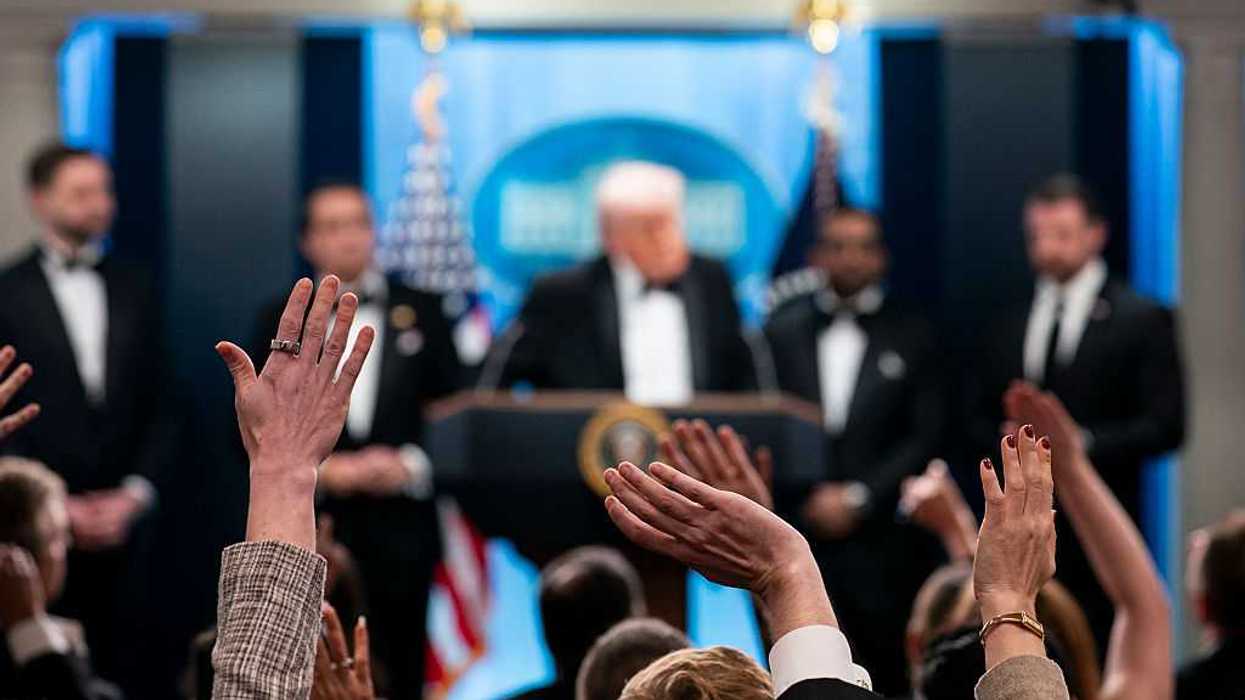
Anyone tuning into the State of the Union expecting responsible governance was sorely disappointed. What they got instead was pure Trumpian spectacle.

All the familiar elements were there: extended applause lines, culture-war provocation, even self-congratulation, praising the U.S. hockey team and folding its victory into a broader narrative of national resurgence. The whole thing was show business, crafted for reaction rather than reflection, for clips rather than consensus.

Keep ReadingShow less
When Secrecy Becomes Structural

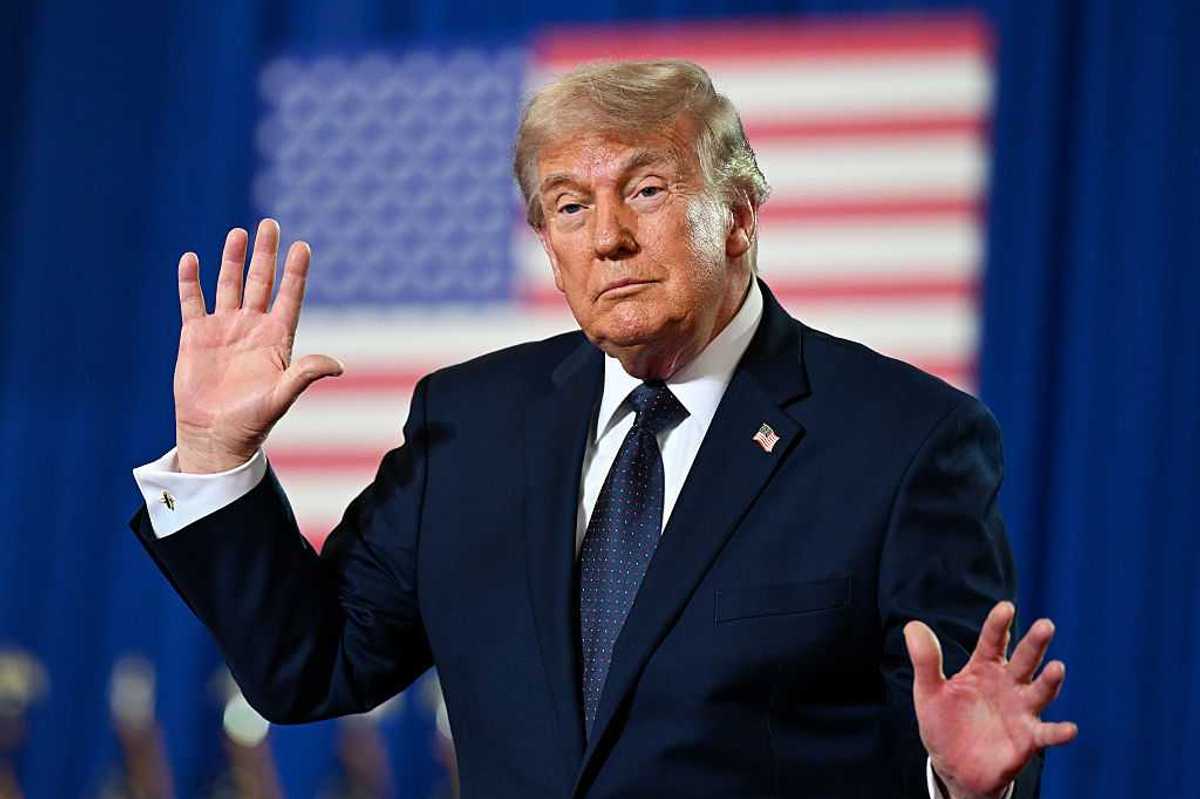
U.S. President Donald Trump at the White House February 20, 2026 in Washington, DC.

(Photo by Kevin Dietsch/Getty Images)

When Secrecy Becomes Structural

Secrecy is like a shroud of fog. By limiting what people can see and check for themselves, the public gets either a glimpse (or nothing at all), depending on what gatekeepers decide to share. And just as fog comes in layers, so does withholding: one missing document, one delayed detail, one “not available” that becomes routine.

Most adults understand there are things that shouldn’t be shown. Lawyers can’t reveal case details to people who aren’t involved. Police don’t release information during an active investigation. Doctors shouldn’t discuss your medical history at home. The reason is simple: actual harm can follow when sensitive information is revealed too early or to those who shouldn’t be told.

Keep ReadingShow less
The spectacle of Operation Epic Fury
A general view of Tehran with smoke visible in the distance after explosions were reported in the city, on March 02, 2026 in Tehran, Iran.
(Photo by Contributor/Getty Images)

The spectacle of Operation Epic Fury

The U.S. and Israel’s joint military campaign against Iran, which rolled out under the name Operation Epic Fury, is a phrase that sounds more like a summer action film than a real‑world conflict in which people are dying. The operation involves massive strikes across Iran, with U.S. Central Command reporting that more than 1,700 targets have been hit in the first 72 hours. President Donald Trump described it as a “massive and ongoing operation” aimed at dismantling Iran’s military capabilities.

This framing matters. When leaders adopt language that emphasizes spectacle, they risk shifting public perception away from the gravity of war. The death of Iran’s supreme leader following the bombardment, for example, was a world‑altering event, yet it unfolded under a banner that evokes adrenaline rather than anguish.

Keep ReadingShow less