
Growing up in Ithaca, a college town in New York’s Finger Lakes region, I had a very different idea of the Fourth of July.
Independence Day was a community ritual. Families gathered before the parade, children buzzed with anticipation, veterans and local officials passed by, fire trucks and marching bands rolled through downtown, neighbors greeted one another by name, and best of all, fireworks lit up the night sky. The celebration was modest, local, and imperfect in the way all genuine civic life is imperfect. It fostered a sense of belonging.
People could disagree about taxes, presidents, wars, schools, and everything else, yet for a few hours, they could share the same public space without being sorted into enemy camps.
That memory may sound nostalgic, but romanticizing the past is not the point. Civic rituals matter because they create a space where citizenship can rise above partisanship, reminding us that we share a political community even when we disagree about nearly everything else. Such rituals do not erase conflict, injustice, or the many ways America has fallen short of its ideals. But at their best, they affirm that the republic is older, larger, and more enduring than any faction, party, or president.
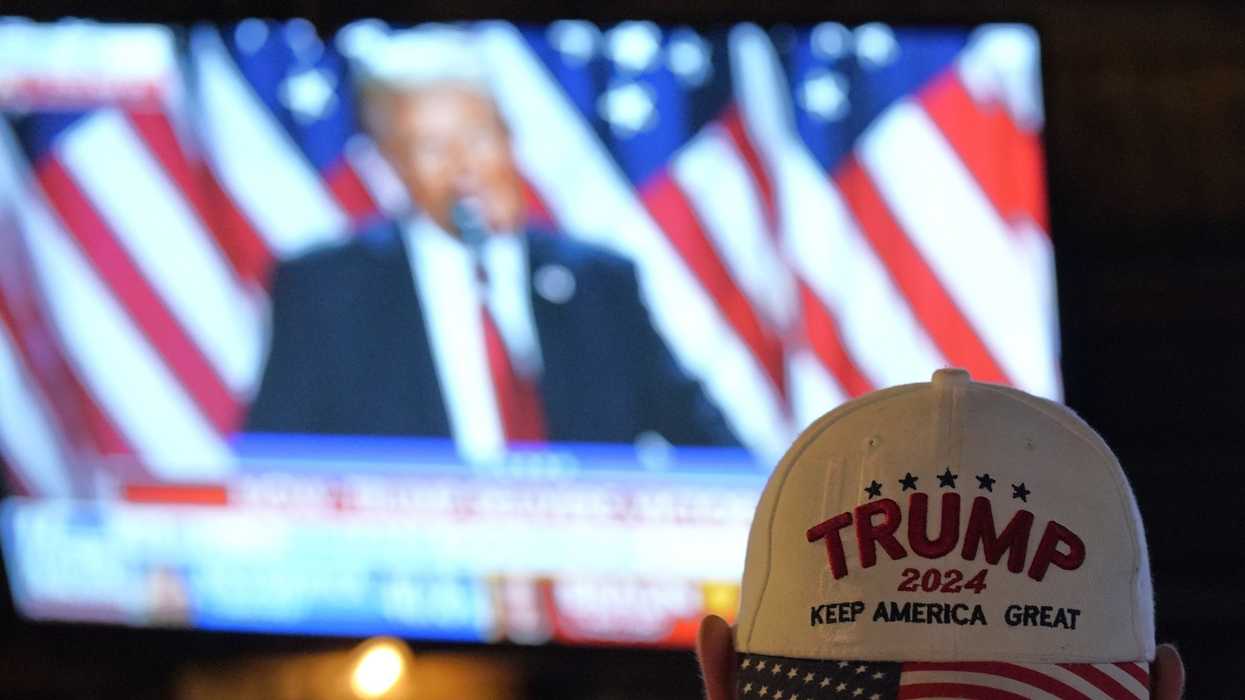
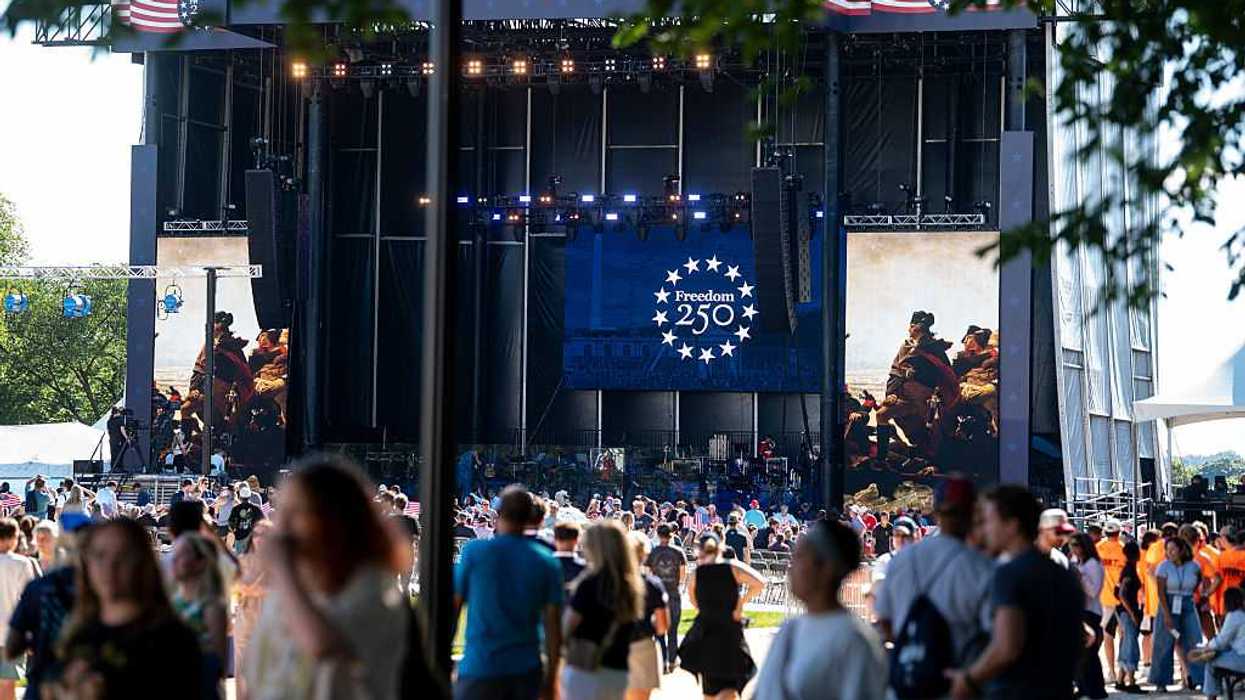
That is why President Trump’s announcement that the July 4 celebration on the National Mall marking America’s 250th anniversary will double as the “most spectacular TRUMP RALLY of them all” is so jarring. It erases the distinction between a national commemoration and a personal political spectacle.
A national commemoration should elevate the republic above the person temporarily entrusted with leading it. Trump’s instinct is the reverse. He takes the broadest civic stage available and scrawls his own name across it.
The National Mall is the symbolic heart of American civic life. It is where the country gathers to mourn, protest, celebrate, and remember. The Lincoln Memorial, the Washington Monument, and the vast public space between them belong to the people.
Turning that space into a Trump rally is a kind of democratic sacrilege. It repurposes a civic space for the glorification of one individual, erasing a fundamental distinction. The president is not the nation. He is an officer of the constitutional order, temporarily empowered and constitutionally constrained. When national rituals become extensions of his personal brand, the office begins to swallow the republic it is meant to serve.
Guy Debord’s phrase “the society of the spectacle” helps explain why this matters. In spectacle politics, public life is transformed into images to be consumed. Citizens become spectators. Power presents itself through symbols, performances, and carefully managed scenes. Trump did not create this condition, but he has pushed it further. For him, spectacle is not an ornament attached to governing. It is the substance.
That is what makes Trump’s announcement so revealing. The 250th anniversary of American independence should be a moment of civic memory. It should ask citizens to think about the republic: its promises, betrayals, achievements, and unfinished obligations. Instead, Trump’s own language turns the event into a spectacle of personal branding. The nation does not gather to see itself; It gathers to see him.
The result is civic displacement. The people are no longer participants in a shared act of commemoration. They are an audience. The National Mall becomes a stage set. The flyover becomes a prop. The fireworks become lighting. The rally playlist becomes the soundtrack. And the president becomes the main character in a narrative that is supposed to belong to the country.
This matters because democracies need citizens, not merely audiences. A republic depends on people who deliberate, organize, vote, serve, protest, volunteer, and hold leaders accountable. Spectacle moves in the opposite direction. It asks people to watch, cheer, identify, and repeat. It turns politics into a drama of loyalty and domination. In that drama, the leader does not serve the nation. The nation becomes the backdrop for the leader.
Defenders will say the criticism is overheated. Presidents have always used patriotic symbols, appeared before flags, spoken at national ceremonies, and connected themselves to the country’s story. That is true. The presidency is, by design, both an administrative office and a symbolic one. But there is a difference between representing the nation and replacing it.
That distinction is not academic. If the nation and the leader are fused, criticism of the leader can be treated as criticism of the country. Opposition becomes treason, protest becomes domestic terrorism, and accountability becomes betrayal. That is how democratic culture erodes, not always through coups or decrees, but through the steady personalization of public life. Institutions lose their independent meaning, public spaces become partisan arenas, national symbols become props, and citizens are reduced to fans or enemies.
The semiquincentennial should call Americans to something better: a reminder that the United States has always been larger than its leaders. The Declaration was a rejection of rule by one man, and the Constitution did not create an elected monarch. It created a system of divided power, public accountability, and limits on ambition. That is the irony of Trump’s July 4 spectacle: a holiday born in resistance to personalized power becomes a MAGA rally.
The country deserves a birthday celebration worthy of its history, its contradictions, its achievements, and its unfinished promise.
The best way to honor the Fourth of July, then, is not to join Trump’s shameless spectacle, but to turn away from it. Americans should celebrate the nation’s 250th birthday in the older and better way: gathering in communities, reading the Declaration aloud, marching in local parades, watching fireworks with neighbors, and reflecting seriously on the ideals that the document still places before us. The Declaration asserts that legitimate government rests on the consent of the governed, that rights do not flow from rulers, and that people have the authority to resist domination. That is the Fourth worth celebrating. Not a celebration for presidential vanity. A republic, still unfinished, still contested, and still ours.
Robert Cropf is a Professor of Political Science at Saint Louis University.