Skip to content
Search

Latest Stories

Follow Us:
Top Stories

Podcast: Try before you buy! Primaries, primaries and more primaries

Podcast: Try before you buy! Primaries, primaries and more primaries

Why has it been over a decade since an incumbent senator was successfully primaried in a regularly-scheduled election? Which Senators might be vulnerable to a primary challenge in 2024? What are the primaries that merit watching? How will changes in the Democratic presidential primary schedule play out? How should the Republican Party consider changes it might make to the way it nominates presidential candidates?

Kyle Kondik, Managing Editor of Sabato’s Crystal Ball addresses these questions and more in this episode with Carah Ong Whaley.

Listen here.


Read More

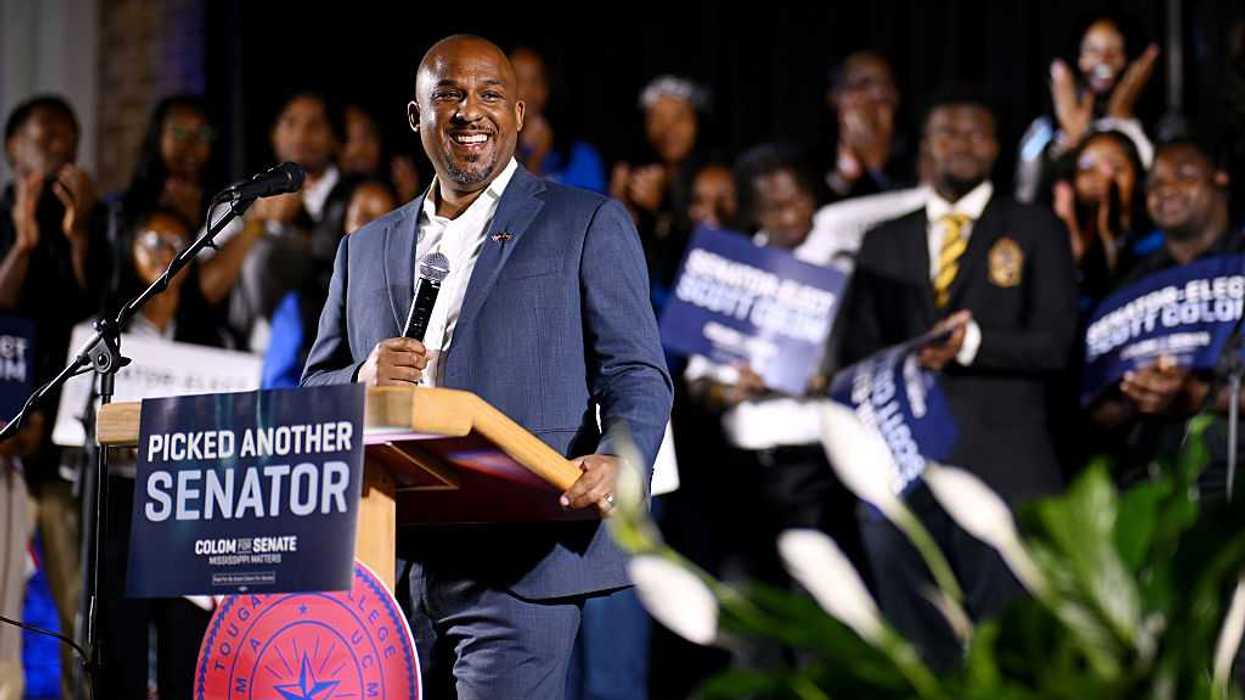
U.S. Sen.-elect Scott Colom (D-MS) speaks during a victory rally at Tougaloo College on November 11, 2026 in Tougaloo, Mississippi.

U.S. Sen.-elect Scott Colom (D-MS) speaks during a victory rally at Tougaloo College on November 11, 2026 in Tougaloo, Mississippi.

Brandon Bell/Getty Images

Mississippi's Scott Colom Ends a Century of Voter Suppression

On November 11, 2026, it became certain that, with a turnout 35% higher than in the last midterm elections, Mississippi voters chose Scott Colom as their next United States Senator. That is historic because the victory broke through more than 100 years of voter suppression — including the 2026 versions of it - to elect the State’s first African-American US Senator since Reconstruction.

It took the 13th Amendment to the US Constitution, the initial post-Civil War Reconstruction Act, and federal enforcement before African-American men in Mississippi first voted. That was in the 1867 election, which led to a new state constitution and legislature that sent Hiram Revels to Washington as the country’s first African-American US Senator. His successor, Blanche Bruce, served until 1881 and was Mississippi’s last Black US Senator preceding Senator-Elect Scott Colom.

Keep ReadingShow less
A stethoscope and medical chart.

New Medicaid renewal and work rules threaten coverage for millions. Discover how states can use existing voter registration laws to protect low-income voters.

Getty Images, krisanapong detraphiphat

New Medicaid Rules Could Silence Low-Income Voters

Health care was a deciding issue in the Nov. 3 midterm elections. In KFF's survey of voters, 54% said Trump administration policies had made their own health care costs worse, and those voters backed Democratic House candidates 82% to 16%. Voters trusted Democrats over Republicans to handle health care, 49% to 30%.

But the voters who sent that message are not the Americans who will feel the next round of health policy most. Starting in January, millions of adults on Medicaid will face new paperwork to keep their coverage. All of them have low incomes, and in my research, poor health is one of the main reasons low-income Americans stay away from the polls. As states build that new paperwork, they have both a chance and a legal duty to make it easier for these Americans to register to vote.

Keep ReadingShow less
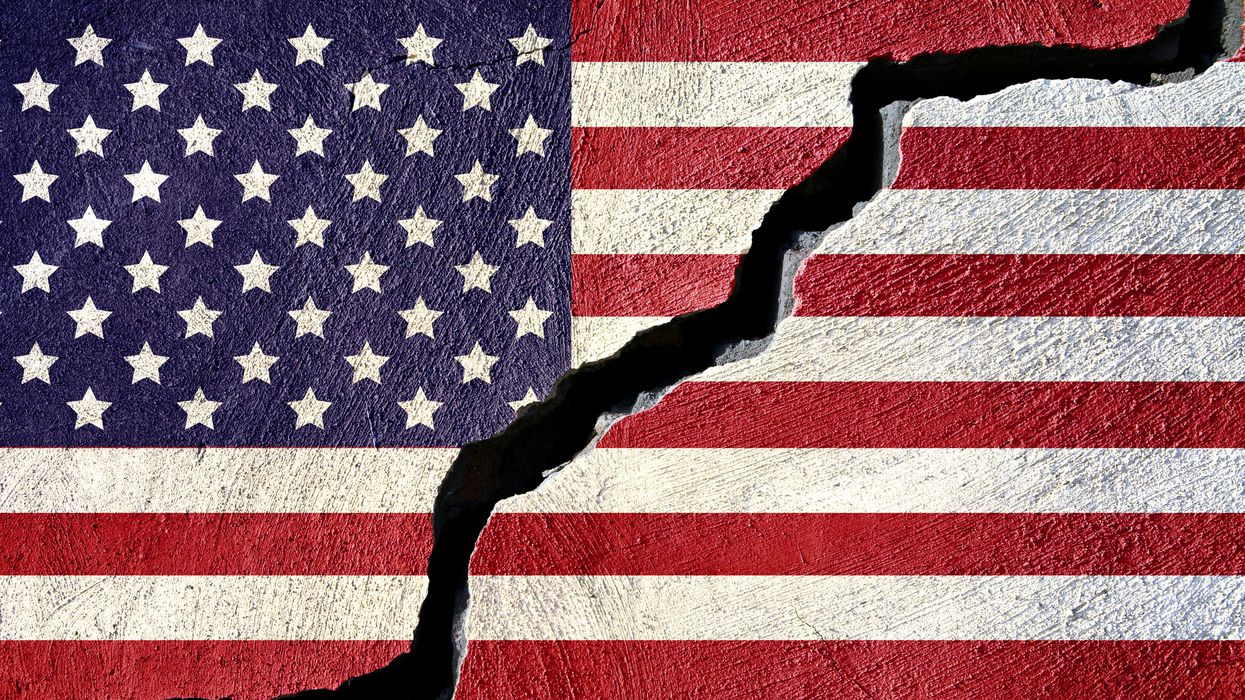
Divided American flag

A dog park argument over Trump ended in gunfire. Why political hostility is rising and how an American Union could lower the stakes of every election.

Jorge Villalba/Getty Images

When Politics Turn Neighbors Into Enemies

Two men went to a dog park in Ohio in April. One brought his Cavalier King Charles spaniel. The other brought his corgi. They had something in common: they loved their dogs. They also had something they disagreed about: Donald Trump. David Mattai, 55, thought Trump was the worst president in American history. Emmanuel Mathews, 80, thought he was the best.

Over the next 20 minutes, their disagreement became a shouting match, then a physical confrontation, then gunfire. Mathews shot Mattai, seriously wounding him. Mattai returned fire. Both men now face criminal charges. The precise circumstances remain disputed. A third dog owner, Jamie Jedlinsky, tried to stop the confrontation. Months later, he told The New York Times that Americans now believe they must pick a side and hate the other side. After everything that happened, Jedlinsky was certain of one thing: nobody's mind had changed.

Keep ReadingShow less
American polling place volunteer

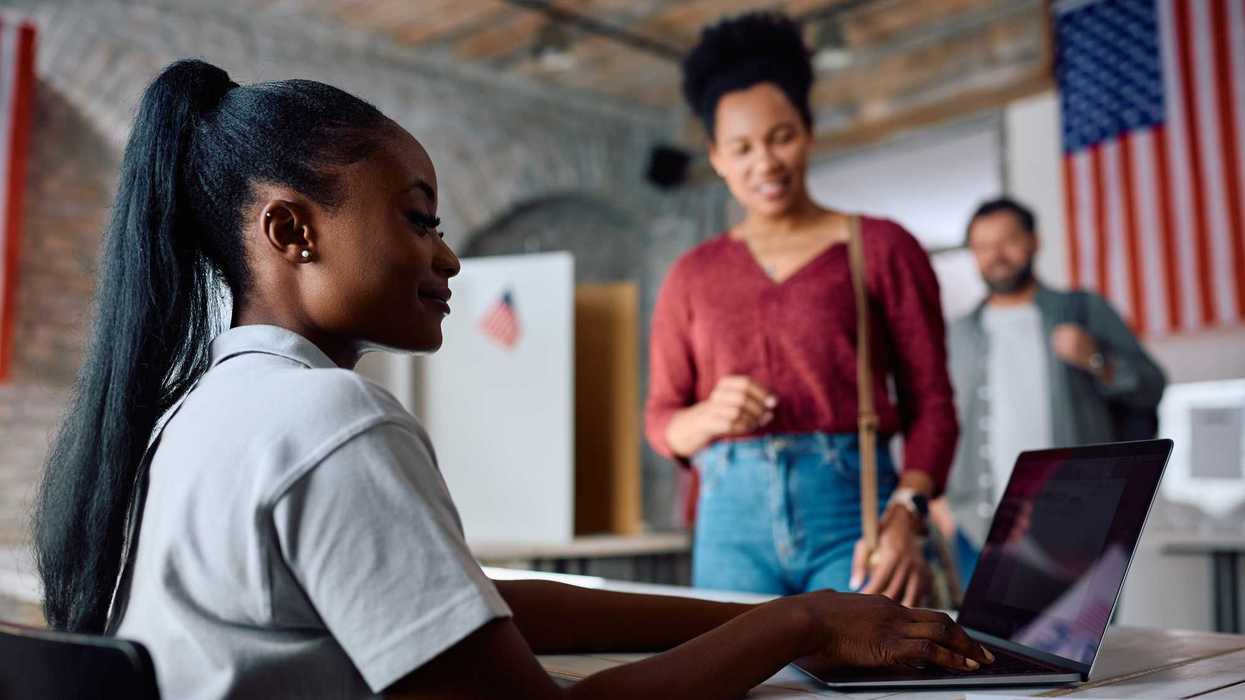
American polling place volunteer working on laptop during voting for the US elections.

Getty Images

Voters and Election Officials Did Their Job. Now It’s Policymakers’ Turn.

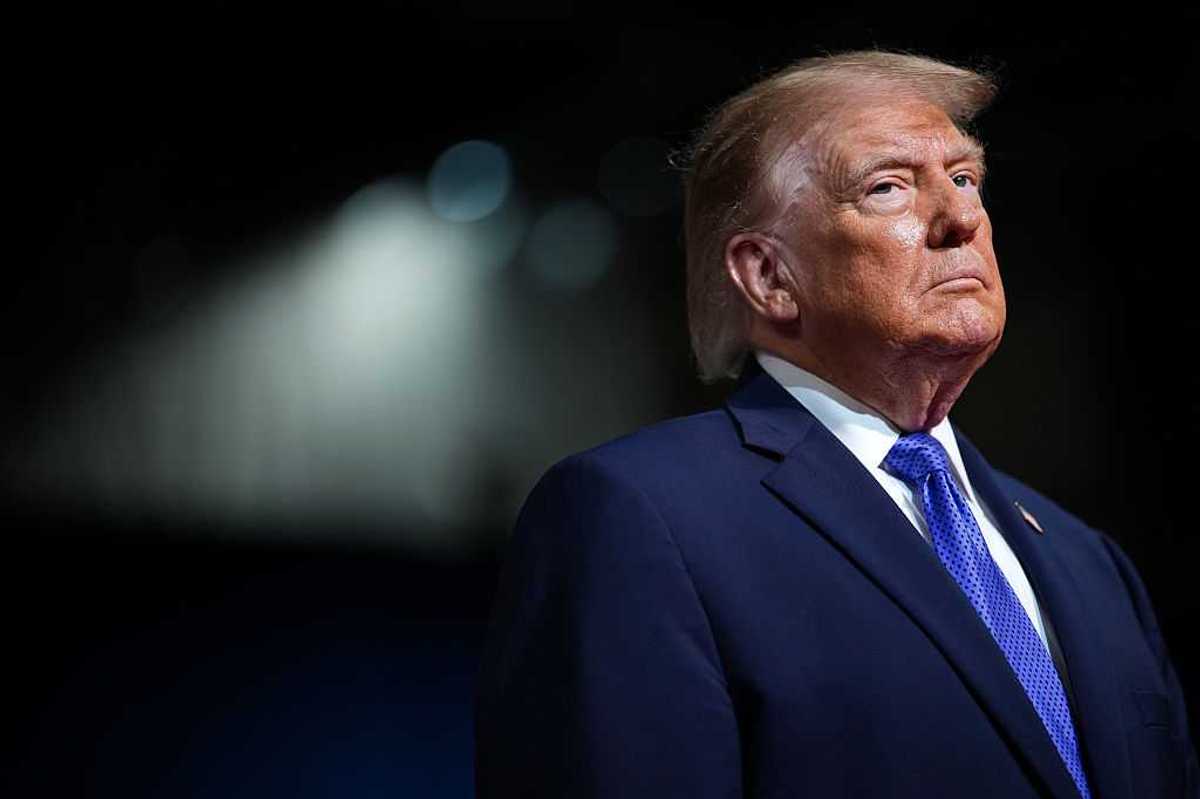
Shortly after the election, President Trump turned to social media to cast doubt on the midterm election results. This was not a surprise after nearly two years of attempts by his administration and its allies to interfere in our elections. Dealing with disinformation from the President of the United States is one of the many challenges state and local officials faced during this election season, and, in spite of it, they administered a successful election. Turnout was high, and voting proceeded without significant federal interference.

This was no accident or sheer luck. It took months of preparation by the people who run our elections to make sure every voter could cast a ballot. Our election officials went to extraordinary lengths to hold the line and protect access to the polls. That shouldn’t have to be the case.

Keep ReadingShow less