

Skip to content
Search

Latest Stories

Follow Us:
Top Stories

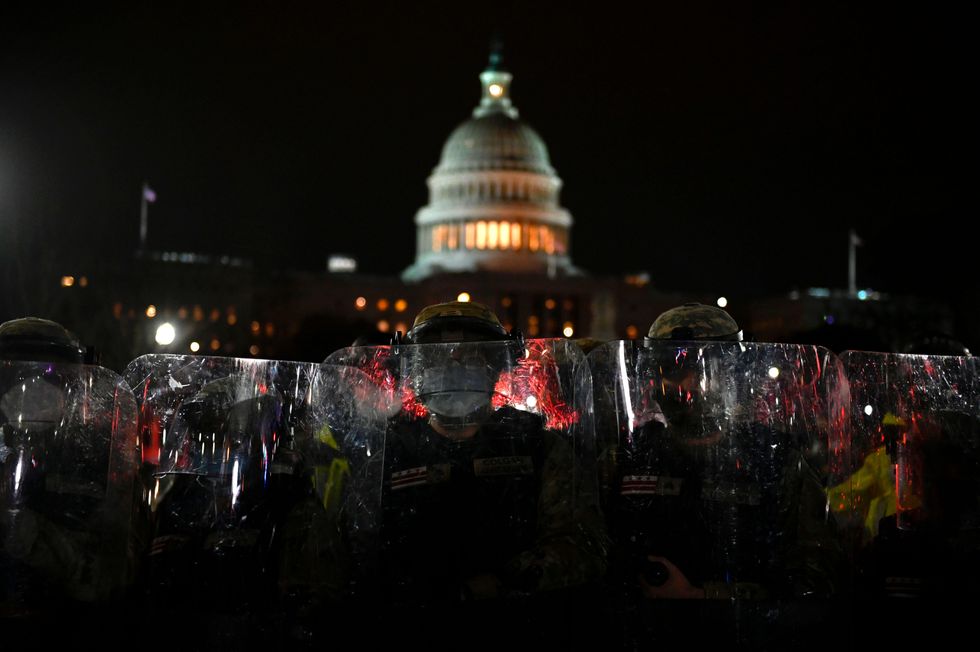
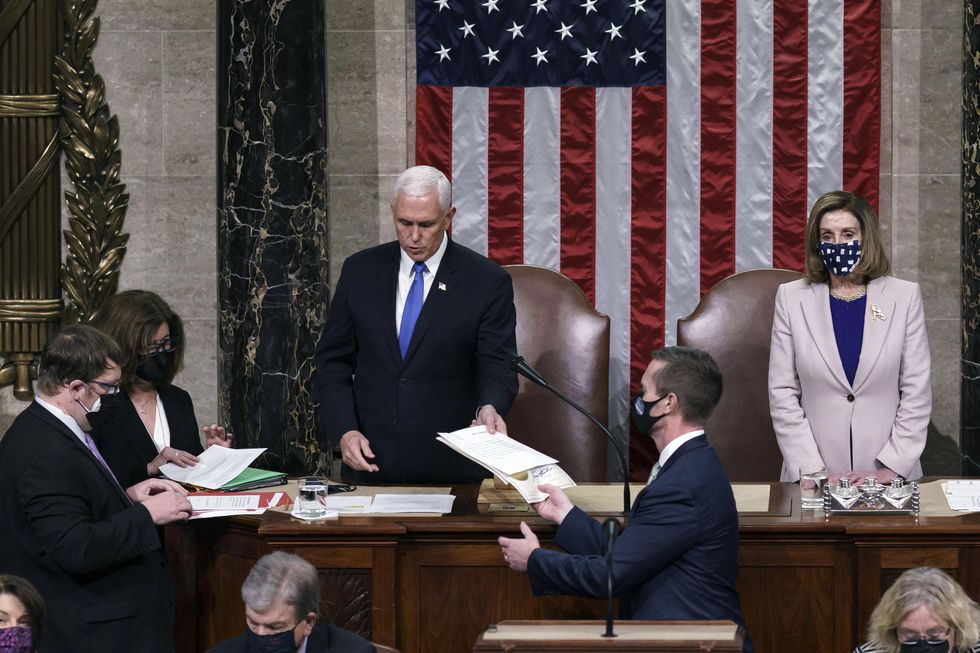
​Images of the day a president's mob sought to defeat democracy

rioters at Capitol
Samuel Corum/Getty Images

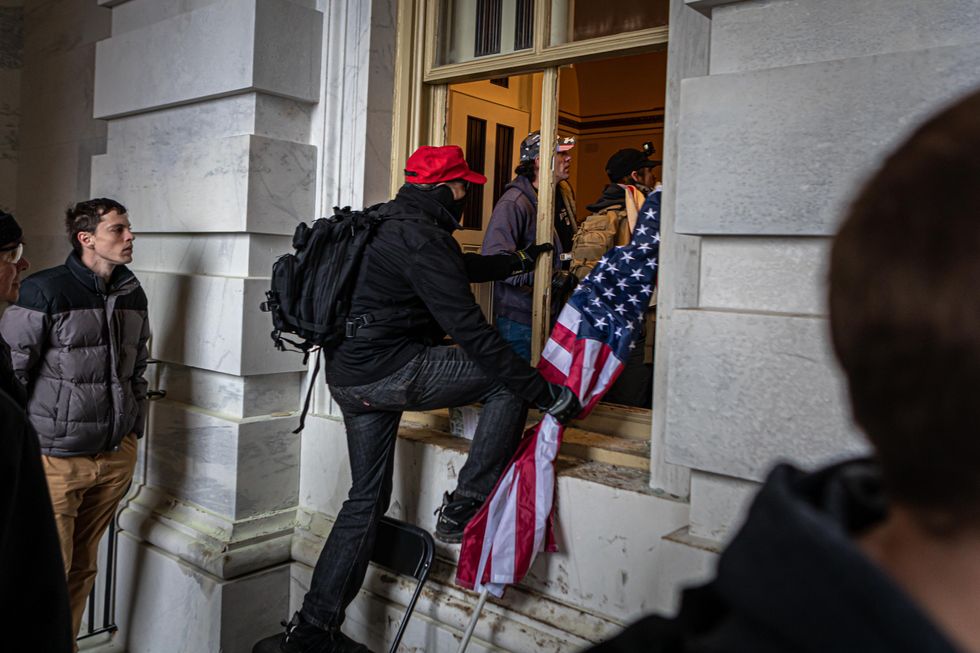
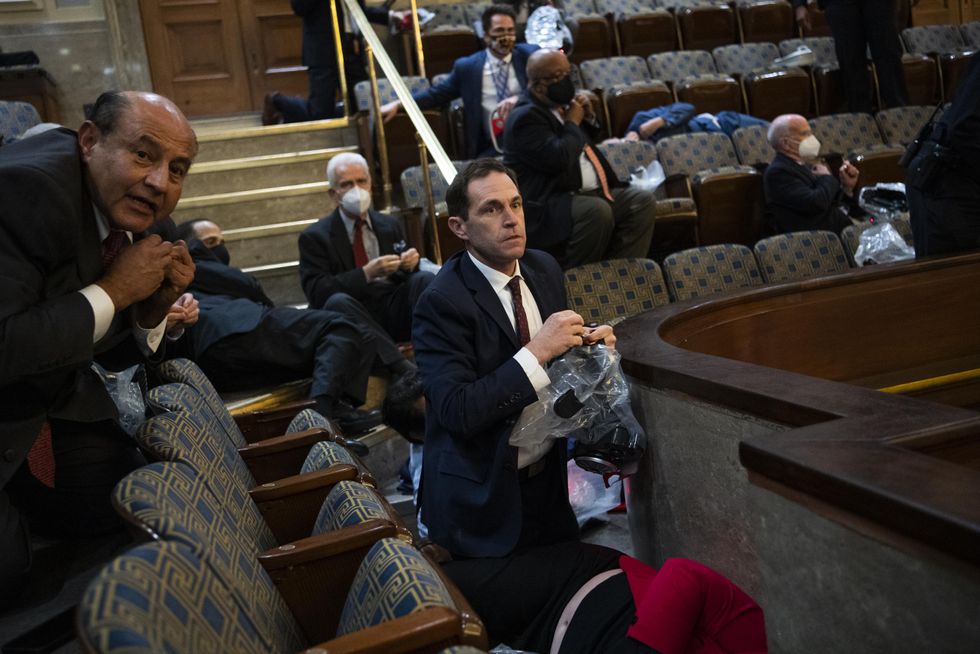
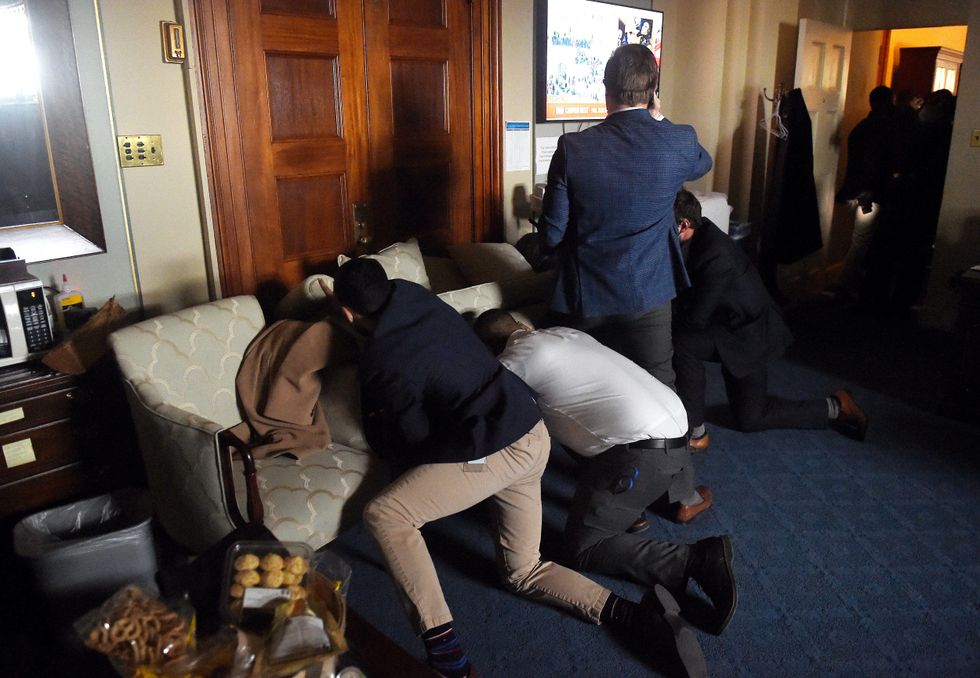
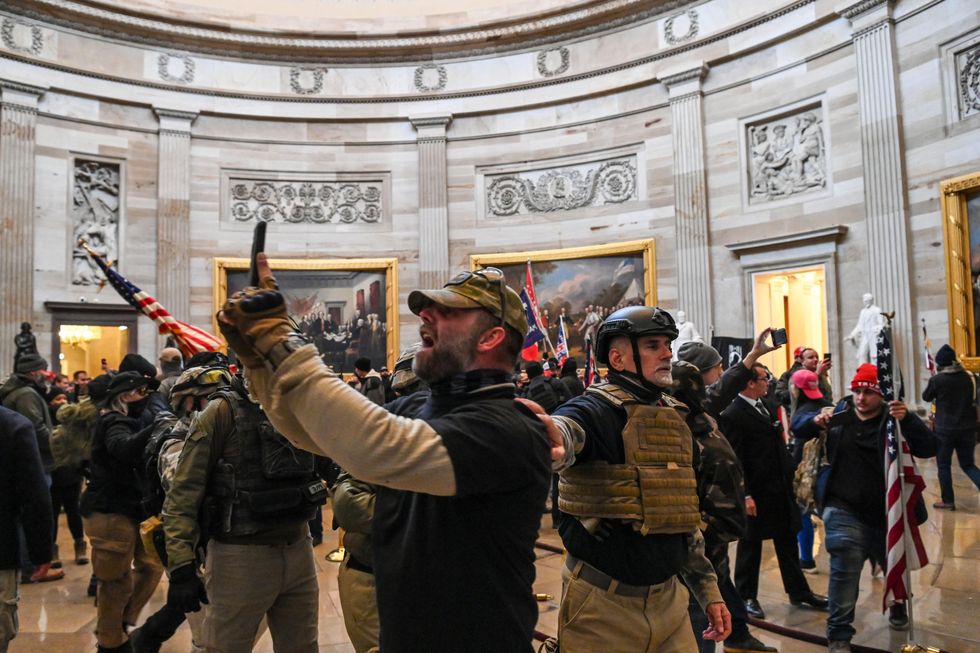
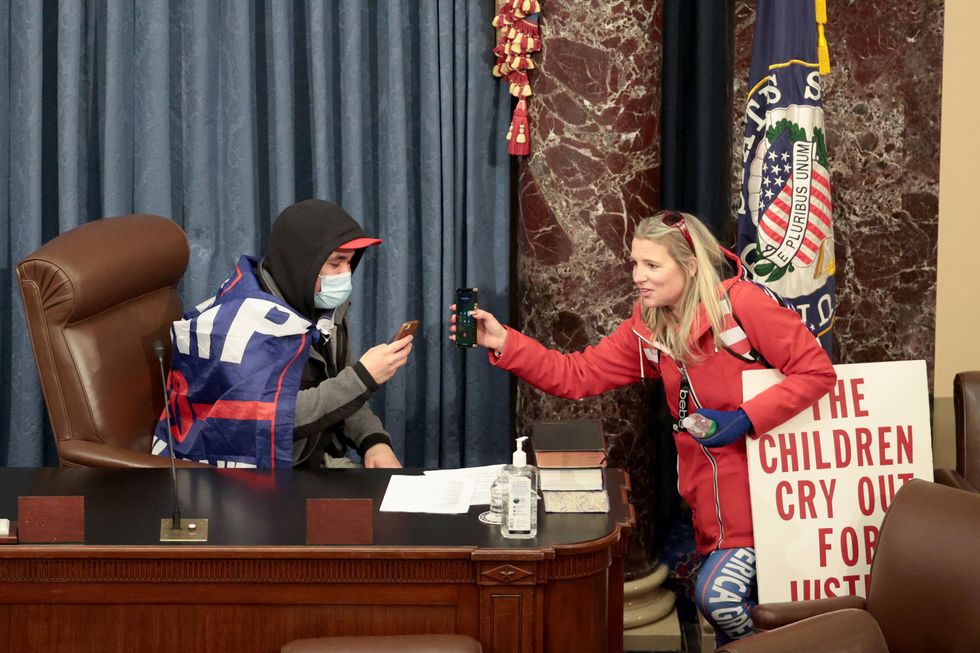
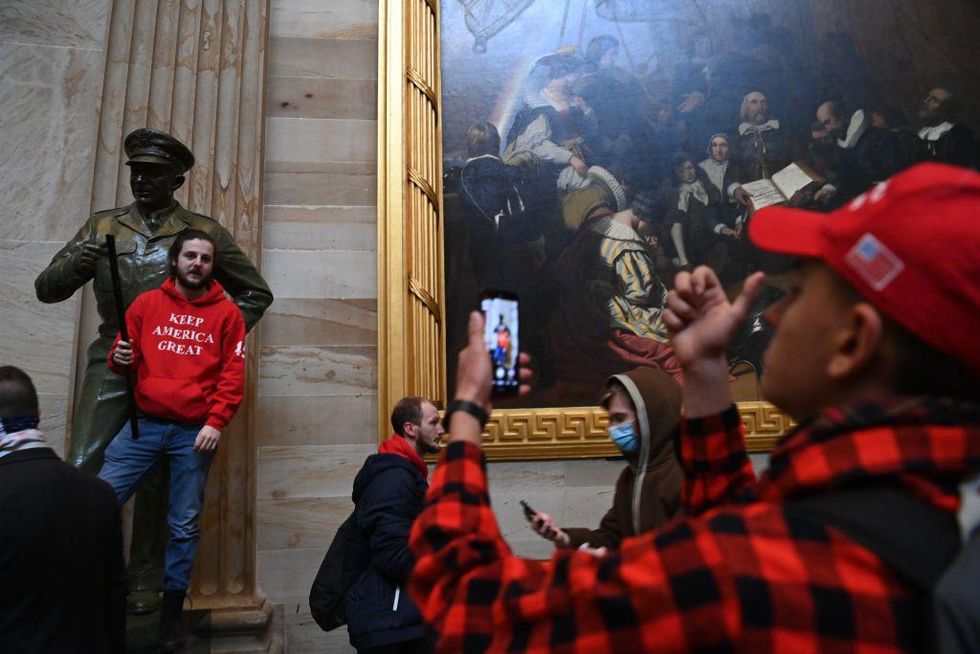
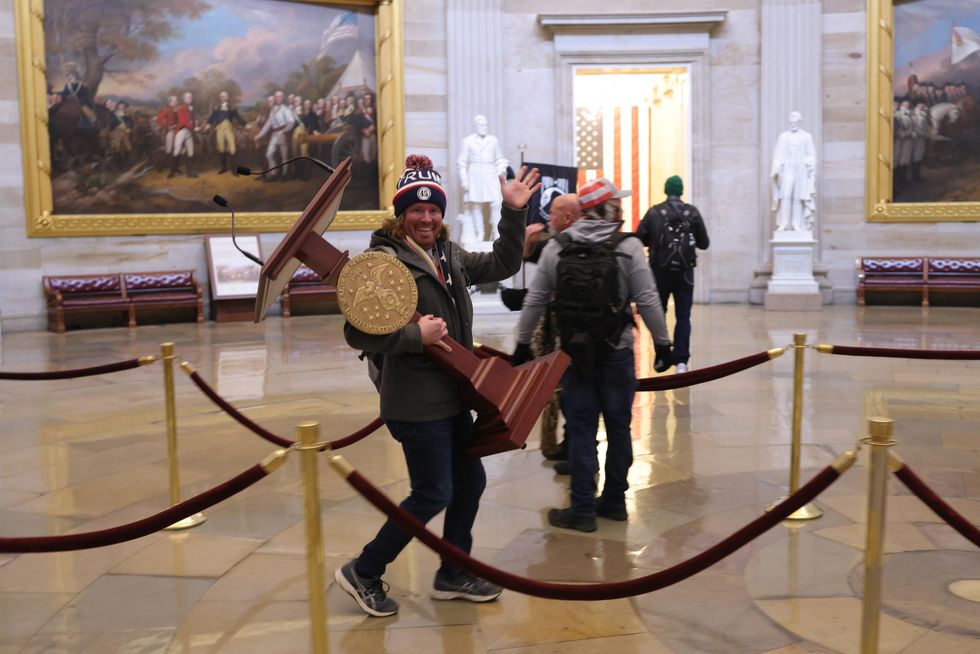
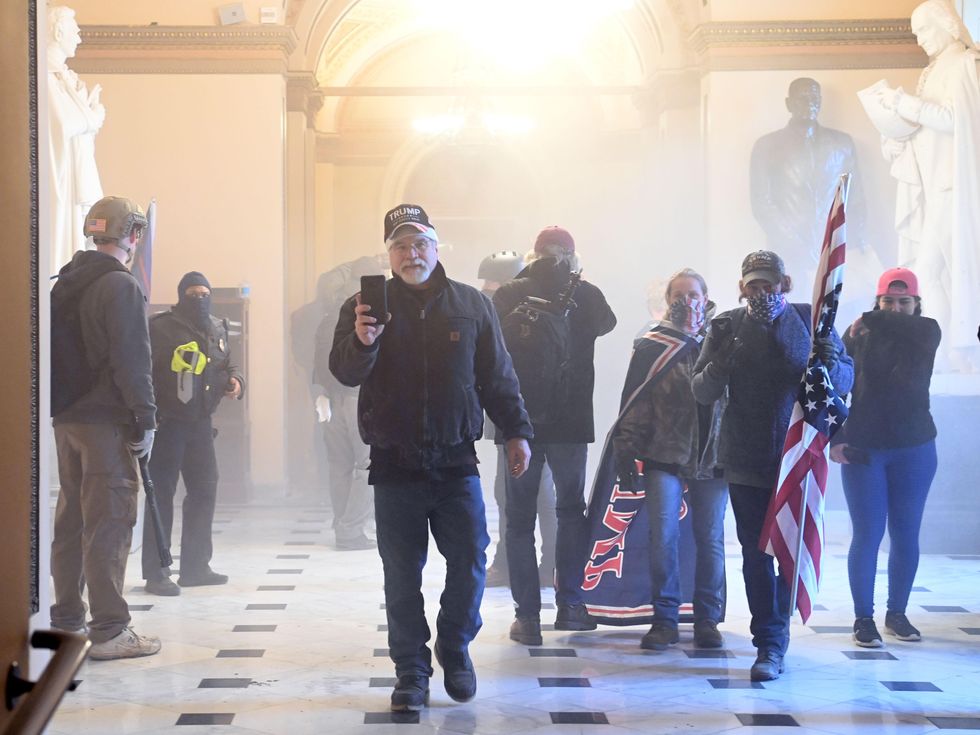
American democracy has been pushed to the precipice: A mob urged on by a defeated president rampaged through the Capitol as the whole world watched, before the unparalleled insurgency was put down and Congress reconvened to affirm early Thursday that a different president had without question been elected.

That summary hardly does justice to the shocking, heart-stopping images of the vandalism and violence fueling what amounted to an attempted coup — sedition incited by the most powerful person in the nation, the one most responsible for preserving and protecting the Constitution. Four years after an inaugural address in which he vowed that "American carnage stops right here," the very spot where President Trump stood was overwhelmed Wednesday with rioters wreaking carnage in his name.

There is no shortage of dogged reporting and smart analysis available elsewhere; the news is moving fast and our team is small. And pictures tell the story in ways words cannot convey. For those paying attention to Trump's steadily intensifying assault on the norms of our republic, his encouragement of the climatic occupation of the Capitol is little surprise. But for those worried about the lasting depth of our democracy's challenges, the memories captured in these photographs must never be forgotten.



Rioters steal and destroy media equipment. (Pacific Press)

Read More

The Fulcrum Opens Applications for 2026 Summer Journalism Fellowship

a person is writing into a notebook

The Fulcrum Opens Applications for 2026 Summer Journalism Fellowship

The Fulcrum is now accepting applications for its 2026 Fulcrum Fellowship, a 10‑week summer program designed to train the next generation of journalists in solutions‑focused reporting and narrative complexity. The fellowship will run from June 8 through August 14, 2026 and is part of The Fulcrum’s broader NextGen initiative, which aims to expand opportunities for emerging journalists across the country.

The Fulcrum Fellowship builds on the success of its inaugural cohort and reflects the organization’s commitment to nurturing young journalists who can move beyond polarized, one‑dimensional storytelling. The program helps storytellers illuminate not only the challenges facing democracy but also the responses and innovations happening in communities nationwide. Fellows learn to produce stories that counter oversimplified narratives and elevate underrepresented voices.

Keep ReadingShow less
Does either party actually want to win the Senate race in Texas?

US Rep. Jasmine Crockett (D-Texas) speaks during an "Oversight and Government Reform" hearing on Capitol Hill, in Washington, D.C., on Feb. 12, 2025. (Alex Wroblewski/AFP/Getty Images/TNS)

(Alex Wroblewski/AFP/Getty Images/TNS)

Does either party actually want to win the Senate race in Texas?

One of the worst features of the election primary system in our polarized “Red vs. Blue” time is the tendency of primary voters to flock to the candidate they most want to “destroy” the other party, not the candidate best positioned to do so.

Let’s say a zombie is scratching at your door. You’ve got a shotgun, a handgun and your favorite frying pan. The shotgun has the greatest chance of success, the handgun — if one is careful and skilled — has a solid chance of working, and the frying pan? It probably won’t dispatch the threat but, come on, how cool would it be to take out a zombie with a frying pan? So, you go with that.

Keep ReadingShow less
artificial intelligence

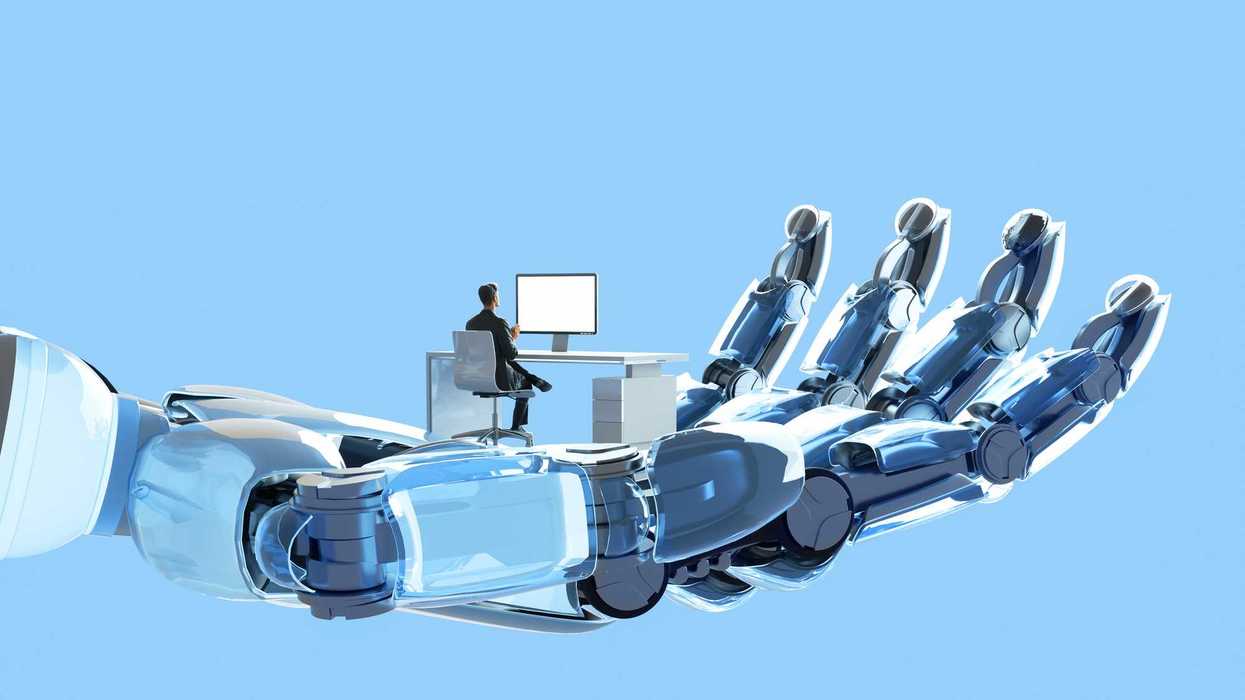
Rather than blame AI for young Americans struggling to find work, we need to build: build new educational institutions, new retraining and upskilling programs, and, most importantly, new firms.

Surasak Suwanmake/Getty Images

Blame AI or Build With AI? Only One Approach Creates Jobs

We’re failing young Americans. Many of them are struggling to find work. Unemployment among 16- to 24-year-olds topped 10.5% in August. Even among those who do find a job, many of them are settling for lower-paying roles. More than 50% of college grads are underemployed. To make matters worse, the path forward to a more stable, lucrative career is seemingly up in the air. High school grads in their twenties find jobs at nearly the same rate as those with four-year degrees.

We have two options: blame or build. The first involves blaming AI, as if this new technology is entirely to blame for the current economic malaise facing Gen Z. This course of action involves slowing or even stopping AI adoption. For example, there’s so-called robot taxes. The thinking goes that by placing financial penalties on firms that lean into AI, there will be more roles left to Gen Z and workers in general. Then there’s the idea of banning or limiting the use of AI in hiring and firing decisions. Applicants who have struggled to find work suggest that increased use of AI may be partially at fault. Others have called for providing workers with a greater say in whether and to what extent their firm uses AI. This may help firms find ways to integrate AI in a way that augments workers rather than replace them.

Keep ReadingShow less
Our Doomsday Machine

Two sides stand rigidly opposed, divided by a chasm of hardened positions and non-relationship.

AI generated illustration

Our Doomsday Machine

Political polarization is only one symptom of the national disease that afflicts us. From obesity to heart disease to chronic stress, we live with the consequences of the failure to relate to each other authentically, even to perceive and understand what an authentic encounter might be. Can we see the organic causes of the physiological ailments as arising from a single organ system – the organ of relationship?

Without actual evidence of a relationship between the physiological ailments and the failure of personal encounter, this writer (myself in 2012) is lunging, like a fencer with his sword, to puncture a delusion. He wants to interrupt a conversation running in the background like an almost-silent electric motor, asking us to notice the hum, to question it. He wants to open to our inspection the matter of what it is to credit evidence. For believing—especially with the coming of artificial intelligence, which can manufacture apparently flawless pictures of the real, and with the seething of the mob crying havoc online and then out in the streets—even believing in evidence may not ground us in truth.

Keep ReadingShow less