


Skip to content
Search

Latest Stories

Follow Us:
Top Stories

Podcast: Reducing polarization all by yourself

Podcast: Reducing polarization all by yourself

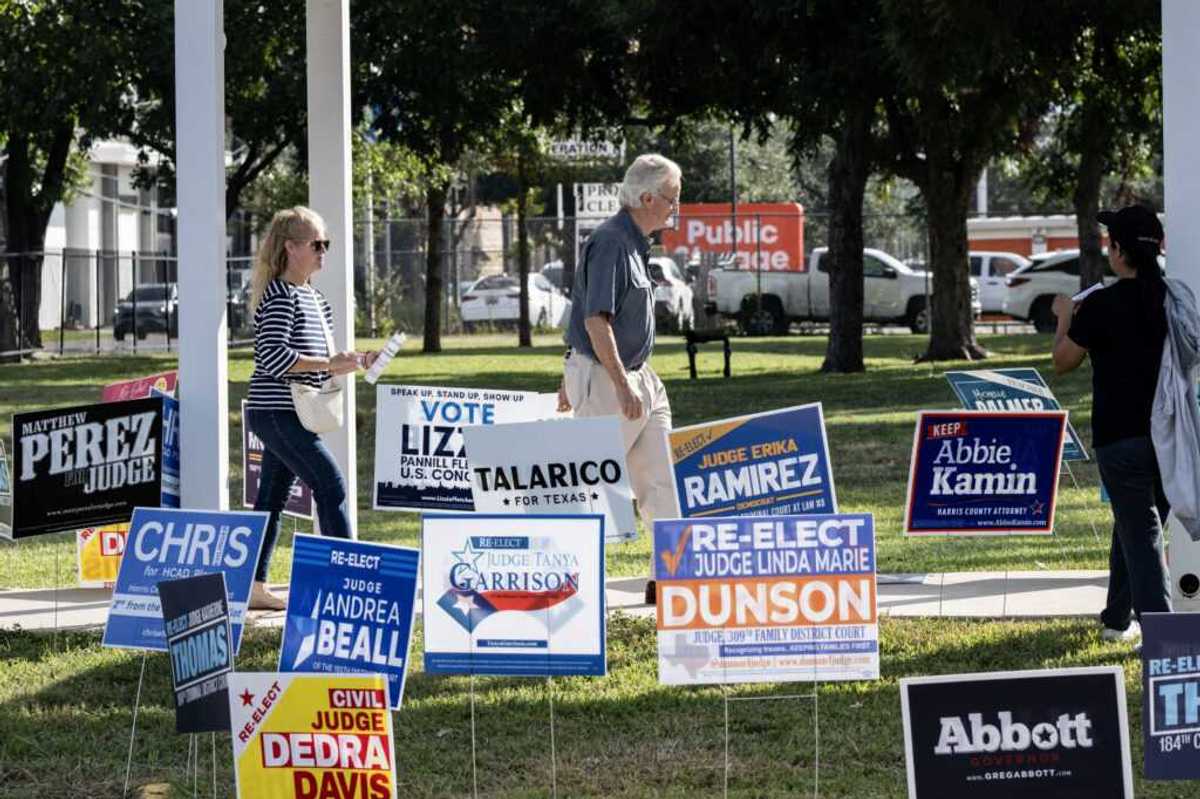
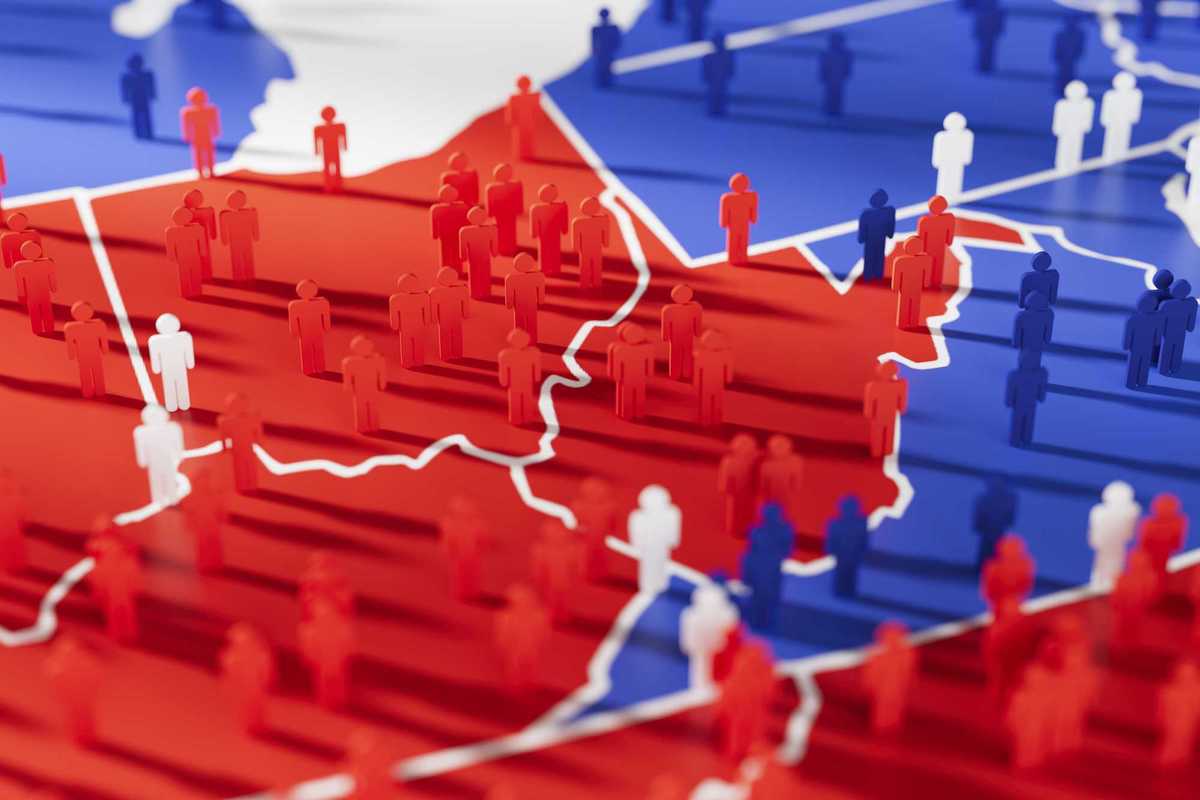
Across the board— from voter access to questions of race and gender, and views of the economy— the gap between Republicans and Democrats has grown wider in recent years. According to recent polling, a rising share of Americans say that having political conversations with those they disagree with is “ stressful and frustrating ”.

Political polarization and the recent actions of party leaders have prevented compromise and resolution of critical problems.


How Do We Fix It discusses five personal ways to reduce polarization with guest, Kamy Akhavan, Director of the Center for the Political Future at the University of Southern California, and former CEO of the well-known non-partisan site procon.org

Listen now


Read More

America Cannot Function without Experts
a group of people sitting on top of a lush green field

America Cannot Function without Experts

America is facing a preventable national safety crisis because expertise is increasingly sidelined at the highest levels of government. In the first three months of 2026, at least 14 people have died in U.S. immigration detention centers — a surge that has drawn international criticism and underscored how life‑and‑death decisions depend on qualified leadership. When those entrusted with safeguarding the public lack the knowledge or are chosen for loyalty instead of competence, danger rarely announces itself. It arrives quietly, through misjudgments no one is prepared to correct.

That warning is urgent today. With Markwayne Mullin now leading the Department of Homeland Security amid rising scrutiny of immigration enforcement, questions about expertise are no longer abstract. Recent reporting shows a dozen detainee deaths in Immigration and Customs Enforcement custody this year, highlighting systemic risks where leadership decisions have life‑and‑death consequences.

Keep ReadingShow less
Why Trump’s antics don’t work on our allies

From left to right: Ukraine's President Volodymyr Zelensky, Britain's Prime Minister Keir Starmer and France's President Emmanuel Macron hold a meeting during a summit at Lancaster House on March 2, 2025, in London, England.

(Justin Tallis/WPA Pool/Getty Images/TNS)

Why Trump’s antics don’t work on our allies

It is among the most familiar patterns of the Trump era. First, the president says or does something weird, rude or otherwise norm-defying. Some elected Republicans object, and the response from Trump and his minions is to shoot the messenger. The dynamic holds constant whether it’s big (January 6 pardons) or small (tweeting “covfefe” just after midnight).

The essence of this low-road-for-me-high-road-for-thee dynamic rests on the belief that Trumpism is a one-way road. Insulting Trump, deservedly or not, is forbidden, while Trump’s antics should be celebrated when possible, defended when necessary, or ignored when neither of those responses is possible. But he should never, ever face consequences for his own actions.

Keep ReadingShow less
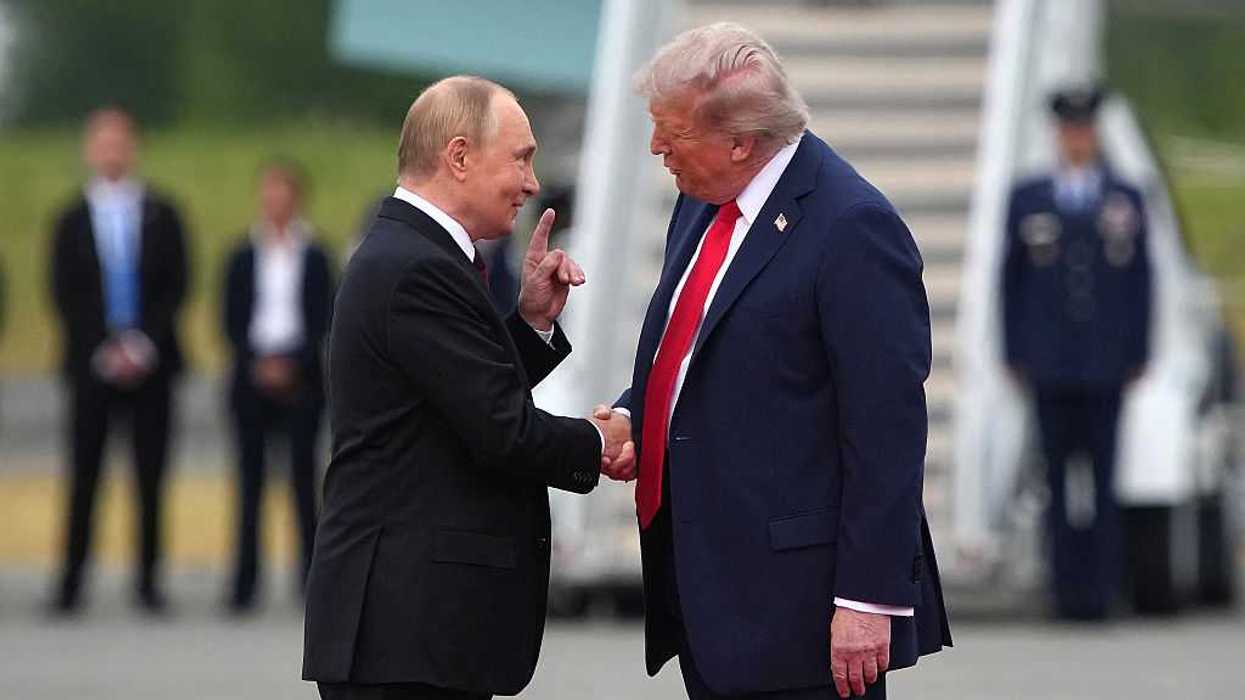
Trump never actually had a plan

President Donald Trump speaks to reporters before boarding Air Force One at Palm Beach International Airport in West Palm Beach, Florida, on March 23, 2026. President Donald Trump said Monday that there are "major points of agreement" in US- Iran talks which he said must result in Tehran giving up its nuclear ambitions and enriched uranium stockpile.

(TNS)

Trump never actually had a plan

US President Trump spoke at the Saudi Future Investment Initiative on Friday, March 27. He offered a pristine example of what he calls “the weave.” What detractors take for incontinent verbal rambling is, in his own telling, genius-level embroidery of a rhetorical mosaic.

While spinning his tapestry of soundbites, the wartime president declared that the Iranians “have to open up the Strait of Trump — I mean, Hormuz. Excuse me, for — I’m so sorry, such a terrible mistake. The fake news will say he ‘accidentally said’ (chuckle), now there’s no accidents with me. Not too many. If there were, we’d have a major story. No. Well, we had that with the Gulf of Mexico. Remember the Gulf of Mexico? And one day I said, ‘Why is it the Gulf of Mexico?’ ”

Keep ReadingShow less
Border Communities Know ICE’s Impunity All Too Well

Close-up of a rusty iron fence painted with stars and stripes at the American-Mexican border in Tijuana.

Border Communities Know ICE’s Impunity All Too Well

The Department of Homeland Security shutdown has officially passed one month as lawmakers continue to debate limits on ICE’s use of force. Though we’ve arrived at this legislative standoff due to aggressive, and sometimes fatal, immigration enforcement actions in cities in our country’s interior, for communities along the U.S.–Mexico border, such abuses are nothing new. As I reveal through my academic research, immigration agents have operated with near-total impunity at the border for decades.

I uncovered patterns of excessive violence, coercion, and abuse at land ports of entry, through which more than 200 million people including workers, students, and visitors legally enter the U.S. every single year. The link between agents’ actions on the streets of American cities and the way they operate at the southern border is inevitable—yet something the current conversation about ICE and potential reforms overlooks.

Keep ReadingShow less