



Jordan Karp wrote recently in these pages about anger at Washington, and the piece has stayed with me, less for the anger itself than for the level underneath it: the quiet, unglamorous work that happens when citizens stop waiting for national institutions to function. I have spent three years watching that level operate at national scale. Israel's war years produced a case study in what citizens can build when they conclude, reasonably, that no one else is coming, and some of it travels directly to the American moment Karp describes.
The Vacuum and the Volunteers
Within days of October 7, the Israeli state, like every state struck that hard, was overwhelmed: evacuated towns to house, farmers without Thai workers, reservists' families without income, a flood of needs no ministry was built to absorb. What filled the gap was not spontaneous kindness alone but something more interesting: organized citizens. Reporting on the period describes volunteer organizations stepping into the space between need and state capacity, neighbors delivering care to neighbors at a scale the formal system could not reach. WhatsApp groups became logistics networks. Synagogue bulletins became supply chains. The country's world-famous tech sector bent its tools to the task, and its ordinary citizens bent their schedules, and for a period the volunteer layer was, functionally, the state's largest operating division.
How the Committee Layer Worked
The part that matters for readers thinking about trust is not the heroics but the structure. In town after town, the arrangements that worked shared a shape: a hyper-local unit, a defined task, a named person responsible, and a feedback loop short enough to correct mistakes within days. The arrangements that failed were the ones that waited for permission or funding from above. It turns out that trust, which everyone agrees has collapsed, is not rebuilt by trust-building exercises. It is rebuilt by task-sharing: two people who disagree about politics discovering, over crates of donated diapers, that they can rely on each other completely. The committee layer did more for Israeli social cohesion in two years than a decade of formal dialogue programs, and it did it as a byproduct of getting things done.
A Lesson for the Angry
Karp's anger at Washington is aimed at institutions that seem unfixable, and I hold no brief for anyone's capital. But the Israeli experience suggests the productive question is not how to fix the institutions first. It is what concrete, local, cooperative task an angry citizen can join this month. American civic life already has the scaffolding: mutual aid networks, volunteer fire departments, library boards, the whole unglamorous apparatus of self-government. What the war years taught us, at terrible tuition, is that the appetite for shared work is enormous and mostly dormant, and that it wakes fastest when someone names a task small enough to start and real enough to matter.
The anger Karp describes is energy. Energy, unorganized, curdles into cynicism; organized, it becomes the committee layer. The volunteers I worked beside these years would not recognize themselves in the word politics at all. They would recognize a town that needed them and a table with a task on it. That table is set in every town in America too.







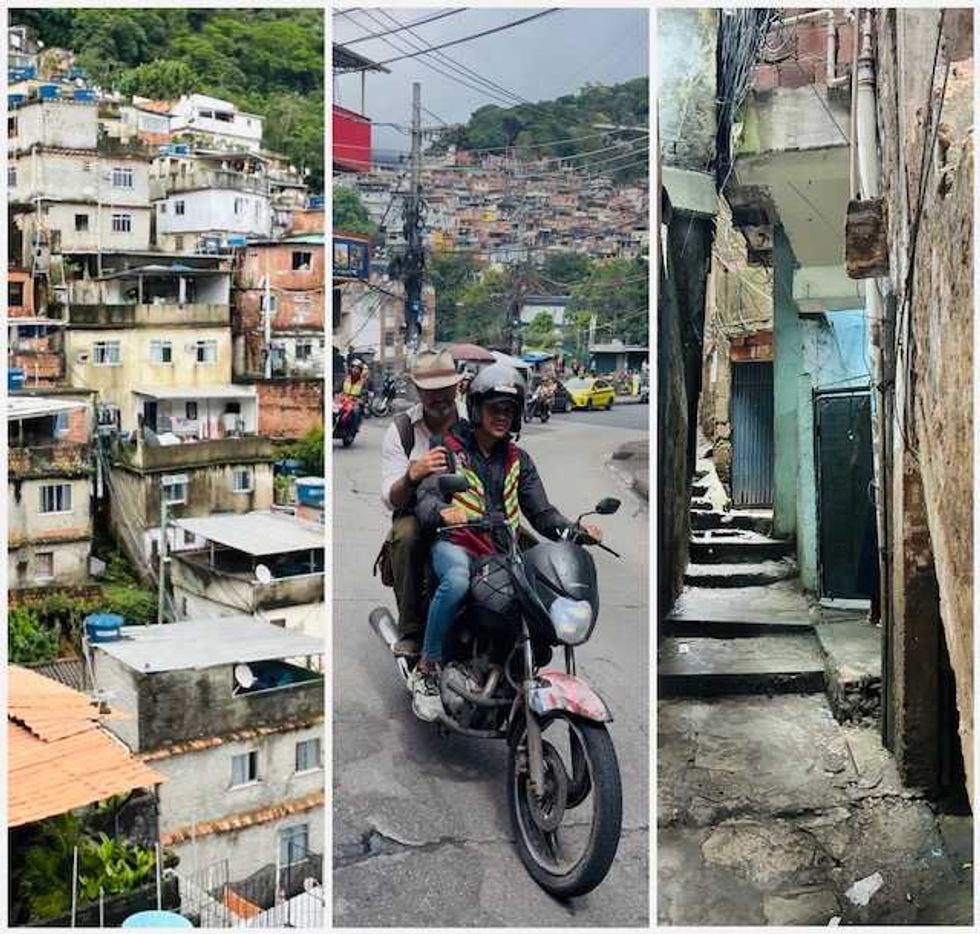 Scenes from Favela Rocinha, Brazil - (R-L) Rows of brick homes, Hugo Balta on a motorcycle taxi, and steep, winding roadsHugo Balta


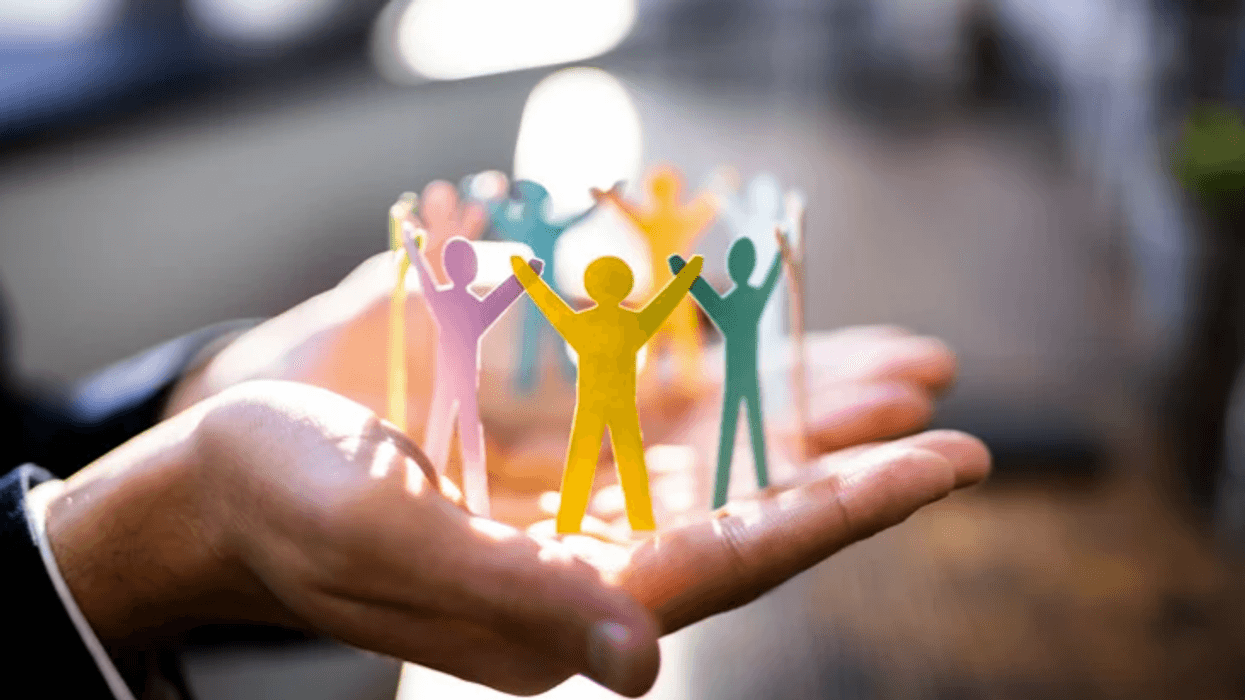
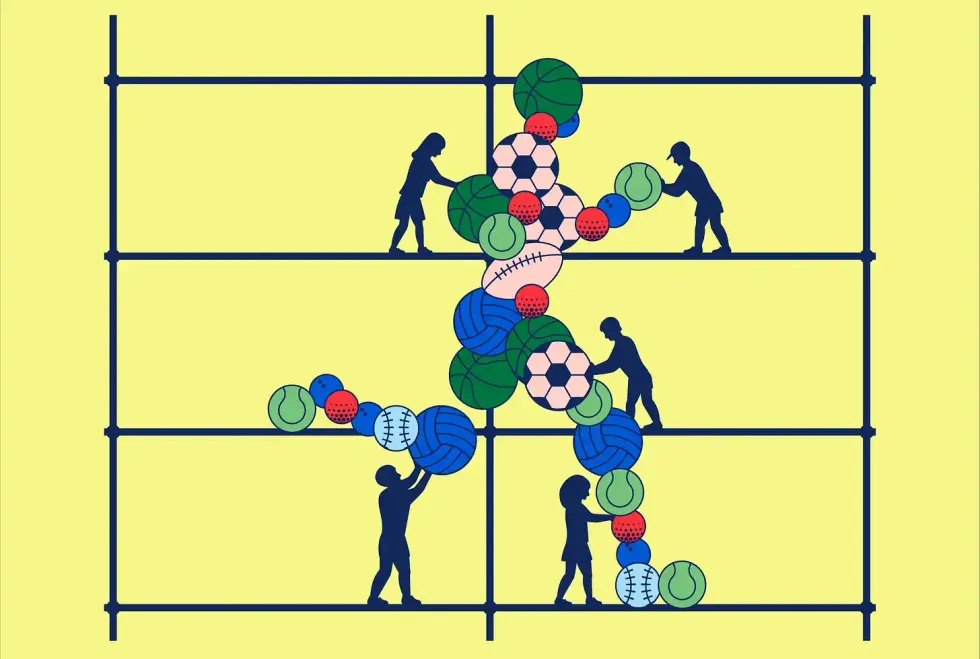 Following our HWF Civic Futures kickoff last week with Eric Liu, our design partners at Public/Official have created a unique visual to capture the “civic scaffolding” spirit of this conversation.
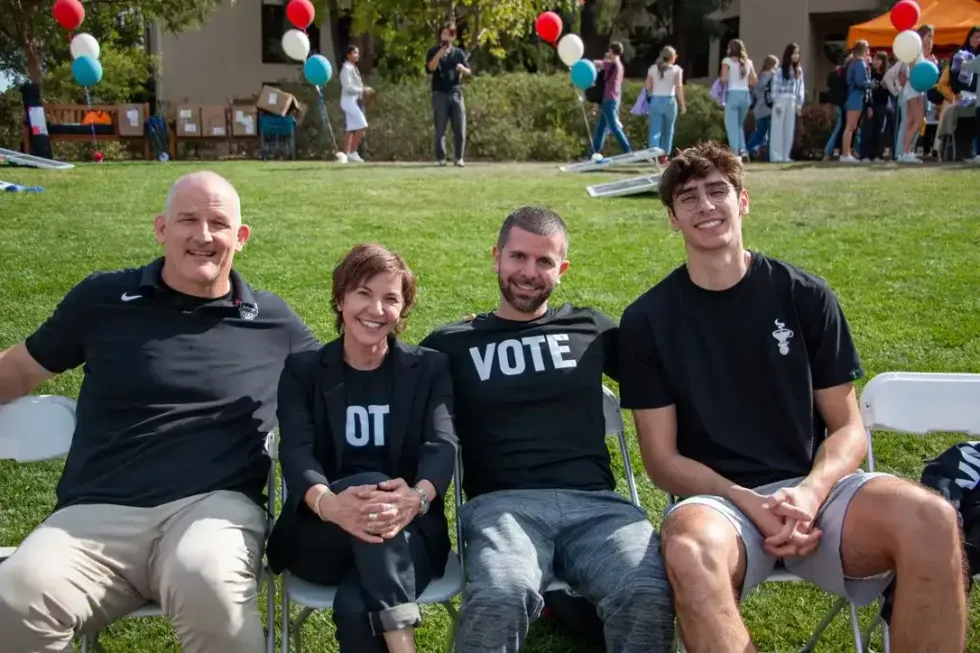 Lisa, Coaches Rev and Matt Elkin, and former Stanford Men’s Basketball star Maxime Raynaud at Stanford’s “All Vote No Play” Democracy Day, 2025