


Americans believe in democracy. What they don’t believe in is losing.
That distinction matters. Democracy depends on its participants’ willingness to accept loss. Without that, elections stop resolving conflict and start producing it.
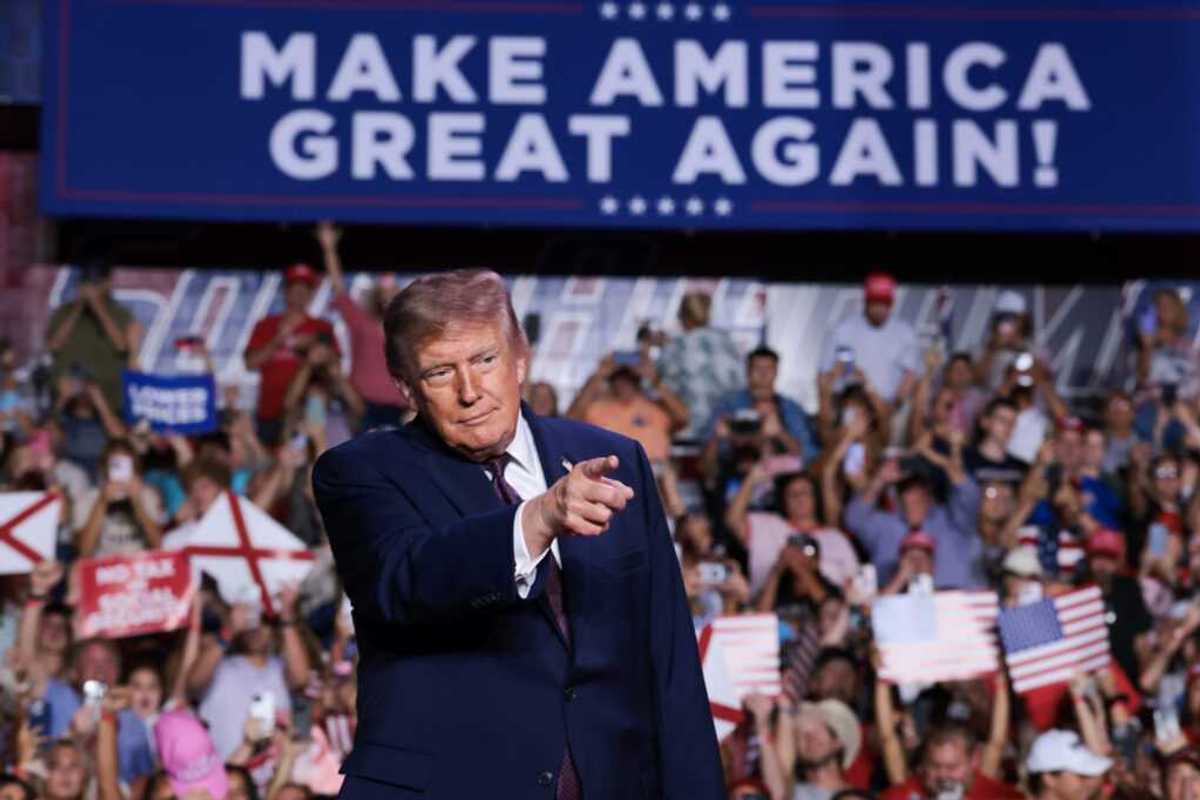
Over the past few elections, that willingness has eroded. The most visible example of this came in 2021, when supporters of President Donald Trump stormed the Capitol rather than accepting that he had lost the election. While one of its most visible expressions, the problem extends beyond a single event. Unfavorable court rulings are dismissed as illegitimate, elections are framed as either stolen or rigged, even when courts repeatedly reject fraud claims, and opposing victories are treated as injustices. Candidates cast doubt on election results before votes are even counted, and legal defeats become evidence of bias. What once was the language of fringe complaints has now become a normalized political strategy.
For most of this country’s history, the peaceful transition of power has been a longstanding democratic norm. They have relied not on agreement, but on restraint, the willingness of the losing side to concede even when they disagree with the outcome. That norm has never been automatic; it’s been maintained because the alternative would make governance impossible. This reflects not just a change in behavior, but a deeper erosion of restraint.
Americans expect democracy to deliver the “right” outcomes. When it “fails” to do so, the system itself is blamed. Losing is no longer seen as part of the process, but as evidence of a broken system.
This shift is the result of powerful incentives. Politicians gain support by framing defeats as fraud or corruption, thereby refusing to accept defeat. They retain supporters, gain attention, and stay relevant. Media outlets amplify the rage because it drives clicks and views, which generate ad revenue. In that environment, accepting defeat becomes costly, while rejecting it is rewarded. Claims of fraud generate attention, reinforce group identity, and insulate leaders from accountability. Over time, this shifts the baseline: what was once unacceptable behavior is now expected, and what was expected, conceding defeat, now looks like weakness.
The normalization of these behaviors even changes how political identity is formed. Loyalty to a side shifts from being about supporting policies to rejecting the legitimacy of the other side’s victories. Admitting defeat now risks social alienation in ideological communities that increasingly conflate concession with betrayal. The result is self-reinforcing: the more one side frames outcomes as illegitimate, the more supporters feel pressure to adopt that framing in order to remain in good standing. For some politicians, these claims are strategic. For many voters, they become sincere. What begins as a strategic political message becomes a shared belief system that is difficult to reverse.
Each contested outcome makes the next easier to reject. Every claim of illegitimacy lowers the threshold. Elections start to lose the ability to resolve disputes altogether.
This is not to say that some skepticism isn’t good, nor that we should avoid questioning these institutions. Challenging irregularities and demanding transparency are essential safeguards. But when skepticism becomes the default, it stops protecting the system and begins to undermine it.
Fixing this doesn’t require Americans to agree more; it requires them to lose differently. Political leaders must be judged not only by how they win, but by how they respond to defeat. Anyone who refuses to accept certified results should face consequences before election day, not after. As long as outrage is profitable, media outlets will continue to amplify these claims. Changing this dynamic demands not just editorial change but a shift in what audiences reward with their attention. Voters themselves must recognize that accepting loss is not surrender, but participation in the democratic system they claim to value. They cannot demand democratic results while rejecting democracy’s rules.
The greatest threat to American democracy isn’t disagreement. It’s the growing belief that losing is unacceptable. A system in which every defeat is treated as illegitimate cannot endure. If this continues, we risk escalation. A system that cannot produce accepted outcomes invites alternative ways of resolving conflict, none of which are democratic. When that belief takes hold, democracy doesn’t collapse all at once; it erodes, one rejected outcome at a time.
Max Drayer is a high school student who writes about politics, civic culture, and public debate.











The President Invited Iran to Bomb My Home