
Skip to content
Search

Latest Stories

Follow Us:
Top Stories

Voting rights groups hail SCOTUS decision on ballot grace period

News

Voting rights groups hail SCOTUS decision on ballot grace period

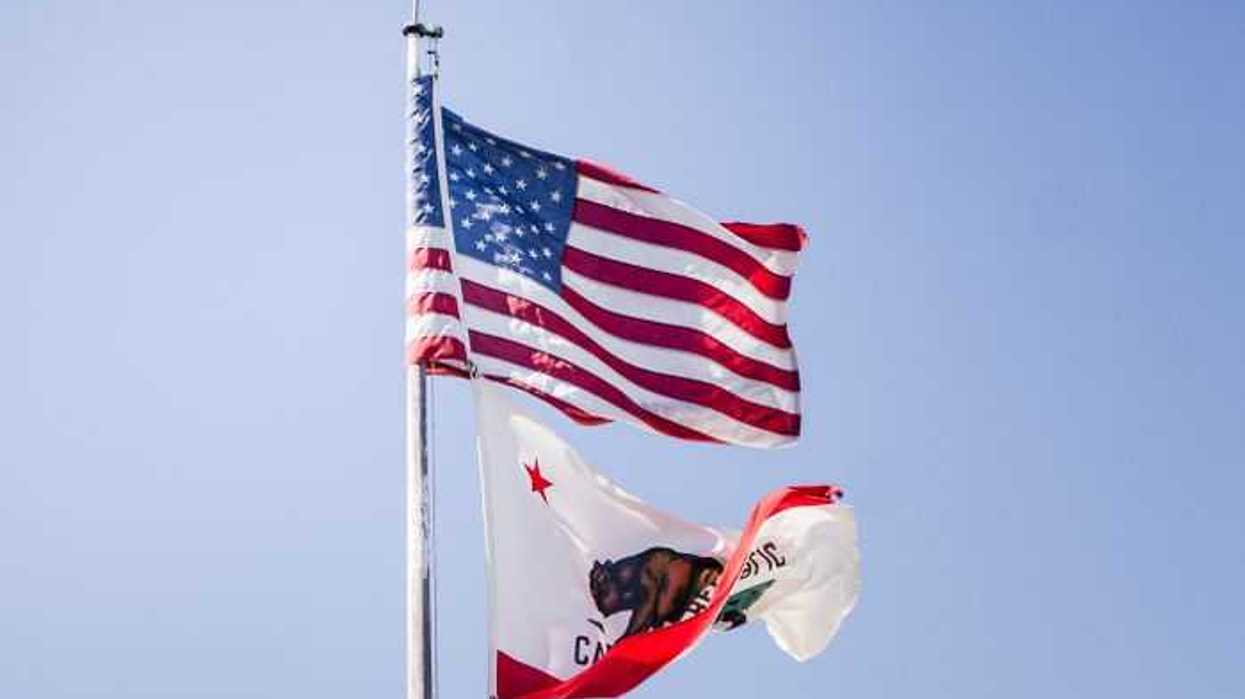
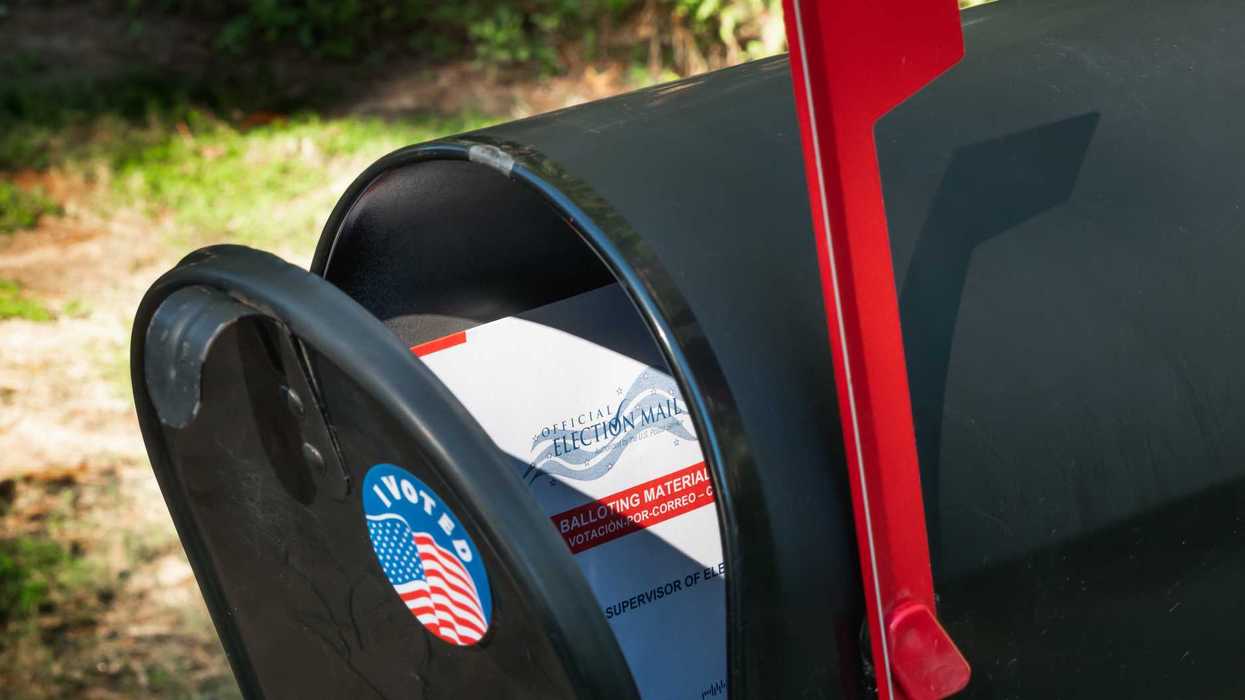
California sends mail-in ballots to all registered voters unless they opt out.

(Adobe Stock)

Voting rights experts are praising a U.S. Supreme Court decision Monday, which upheld a state’s right to set a grace period for counting mail-in ballots arriving after Election Day, as long as they were postmarked on time.

The challengers to Mississippi’s grace period argued accepting ballots after Election Day threatens election integrity. Supporters of the decision said the U.S. Constitution delegates election administration to the states.


Bernadette Reyes, senior staff attorney for the UCLA Voting Rights Project, said the decision means California can continue its current practice of counting ballots arriving within seven days.

“What they're saying is you cast your vote when you fill out your ballot, and as long as they're postmarked by Election Day, that means that they fulfilled their duty under the Constitution,” Reyes explained.

About 30 states currently offer some sort of grace period for ballots to arrive. President Donald Trump signed an executive order requiring states to turn over their voter lists to the federal government. The order instructed the U.S. Postal Service not to process mail-in ballots for people in states refusing to comply. Last week, a judge put the order on hold. Reyes pointed out mail-in ballots are especially useful for Americans living overseas or people with disabilities making it difficult to vote in person.

“Having that big interference with this really important and accessible method of voting would do tremendous damage for voter turnout,” she observed.

President Trump called the decision a “tremendous loss” and urged Congress to pass the Safeguard American Voter Eligibility Act, which would restrict voting in the name of fighting election fraud.

Voting rights groups hail SCOTUS decision on ballot grace period. The decision was first published by Public News Service and republished with permission.

Suzanne Potter is a Producer with PNS.

Read More

Violating Voting Rights or Protecting Polls? Breaking Down the Executive Order to Restrict Mail-In Ballots
A sign points the way to the polling station.

Violating Voting Rights or Protecting Polls? Breaking Down the Executive Order to Restrict Mail-In Ballots

This nonpartisan policy brief, written by an ACE fellow, is republished by The Fulcrum as part of our partnership with the Alliance for Civic Engagement and our NextGen initiative — elevating student voices, strengthening civic education, and helping readers better understand democracy and public policy.

On March 31, 2026, President Donald Trump issued an executive order aimed at reshaping how mail-in voting is administered in federal elections. The order directs federal agencies to compile state-by-state lists of eligible voters and restricts mail-in ballots from being sent to voters who are not on those lists. The order has already been met with lawsuits, setting the stage for a broader debate over executive power and the federal government’s role in elections.

Keep Reading Show less
Elks, Rotarians, and Both Party’s Lust for Control
A pole with a sign that says polling station
Photo by Phil Hearing on Unsplash

Elks, Rotarians, and Both Party’s Lust for Control

When it comes to the issue of open primaries, DSA true believers like Brad Lander in New York and MAGA mouthpieces like Governor Abbott in Texas sing from the same hymnal: open primaries invites mischief and party raiding. If we let independents vote we’d get pandemonium. Democracy needs guardrails, and political parties need integrity. You wouldn’t want Elks voting in Rotarians’ elections would you?

There is a certain logic to it. Except Abbott, Lander and all their fellow partisan warriors have it completely backwards.

Keep Reading Show less
Voter Information Requirement Could Hinder Arizona Mail-In Ballots

Arizona permits some elections to be conducted entirely by mail-in balloting, according to the National Conference of State Legislatures.

(Adobe Stock)

Voter Information Requirement Could Hinder Arizona Mail-In Ballots

Arizona voting rights advocates are resisting President Donald Trump’s executive order directing the U.S. Postal Service not to deliver mail-in ballots to residents if a state refuses to send its voter rolls to Washington.

The Trump administration said the order is part of an effort to ensure voting integrity. In Arizona, 84% of voters cast their ballots by mail in the 2024 presidential election.

Keep Reading Show less
If the GOP Closes Its Primary, Taxpayers Should Close Their Wallets

wallet with dollar bills, on top of an American flag

hartcreations/Getty Images

If the GOP Closes Its Primary, Taxpayers Should Close Their Wallets

A recent court ruling allowing the Colorado Republican Party to decide how and whether to close its primary elections comes at a pivotal moment for the state’s election system. For nearly a decade, Colorado has had an open primary; one designed to reflect the state’s growing share of independent voters. The decision now raises a fundamental question: should taxpayers continue to fund an election that restricts large numbers of the public?

Colorado’s primary elections are not private affairs. They are administered by the state, financed by taxpayers, and conducted through public infrastructure. Ballots are printed and mailed by government offices. Election workers are trained and compensated with public funds. In every functional sense, primaries are public elections.

Keep Reading Show less