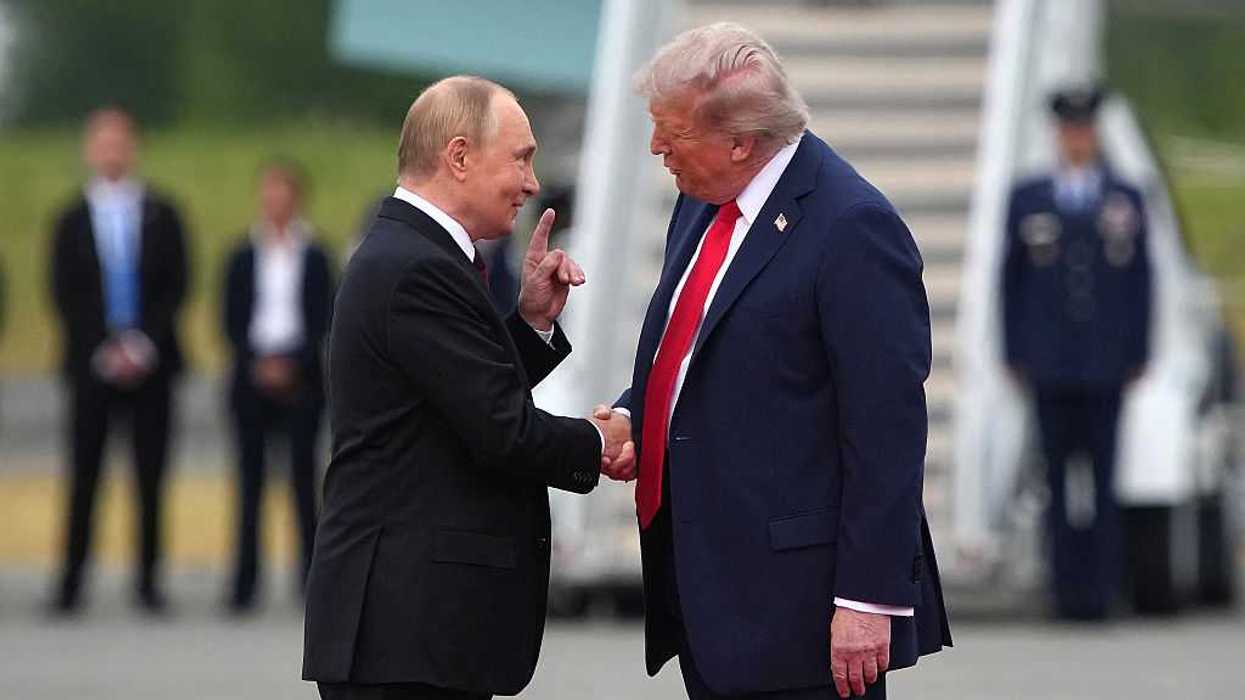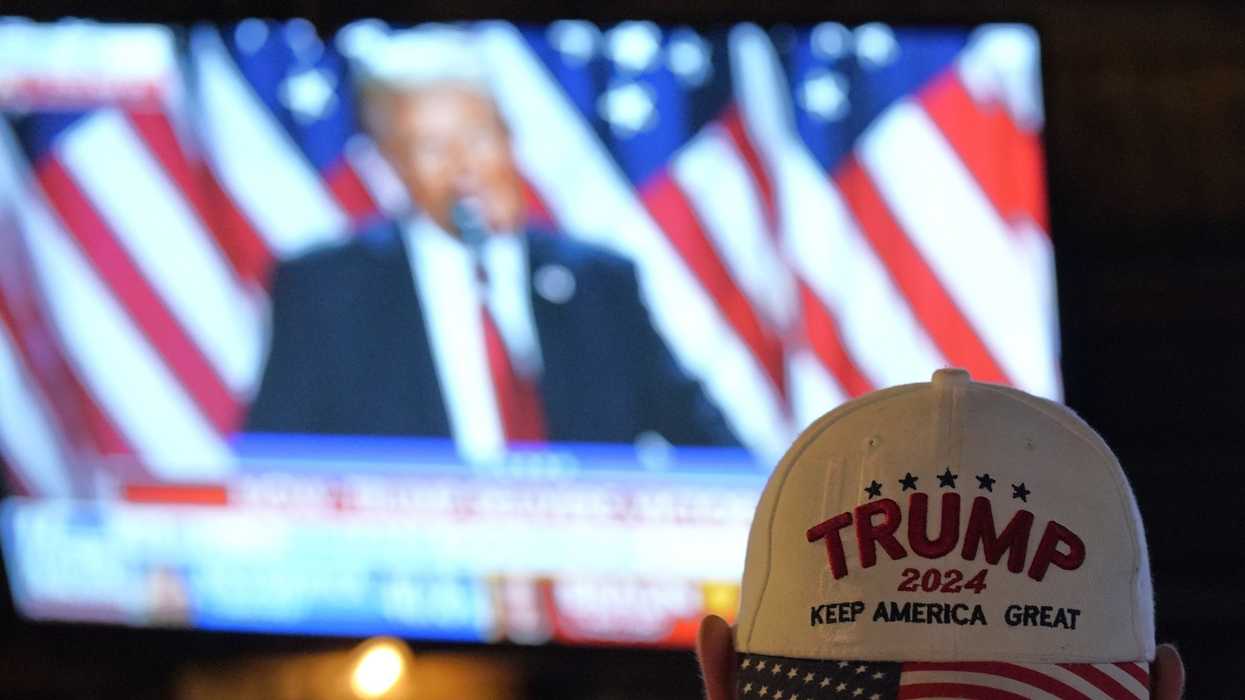

The Republic is at a crossroads — a moment the framers warned would come. A president has been exposed, the guardrails have weakened, and the people must decide whether they will keep the Republic or allow it to drift toward deception, concentrated power, and a leader who has always valued his image more than the nation he swore to serve.
For years, Americans were told a story about this president — a story of strength, success, and unmatched deal‑making. But the truth, now visible in plain sight, reveals something very different: a leader driven by ego, insecurity, and self‑preservation. The loudness, the bravado, and the constant self‑promotion were never signs of strength; they were a shield for poor judgment and a lifetime of failures hidden behind lawyers, loyalists, and a carefully manufactured brand.
Americans knew about his bankruptcies, lawsuits, and failed ventures. They knew the stories — some read them, others heard them, and many were told a version of him that was never real. For decades, his failures were hidden, excused, or repackaged as victories. He has never been the powerhouse he claimed to be; he has simply been protected by those who benefited from the myth. Now the illusion has collapsed, and the consequences are national — and global. Allies question America’s reliability. Adversaries exploit the instability. The world sees the weakness behind the performance.
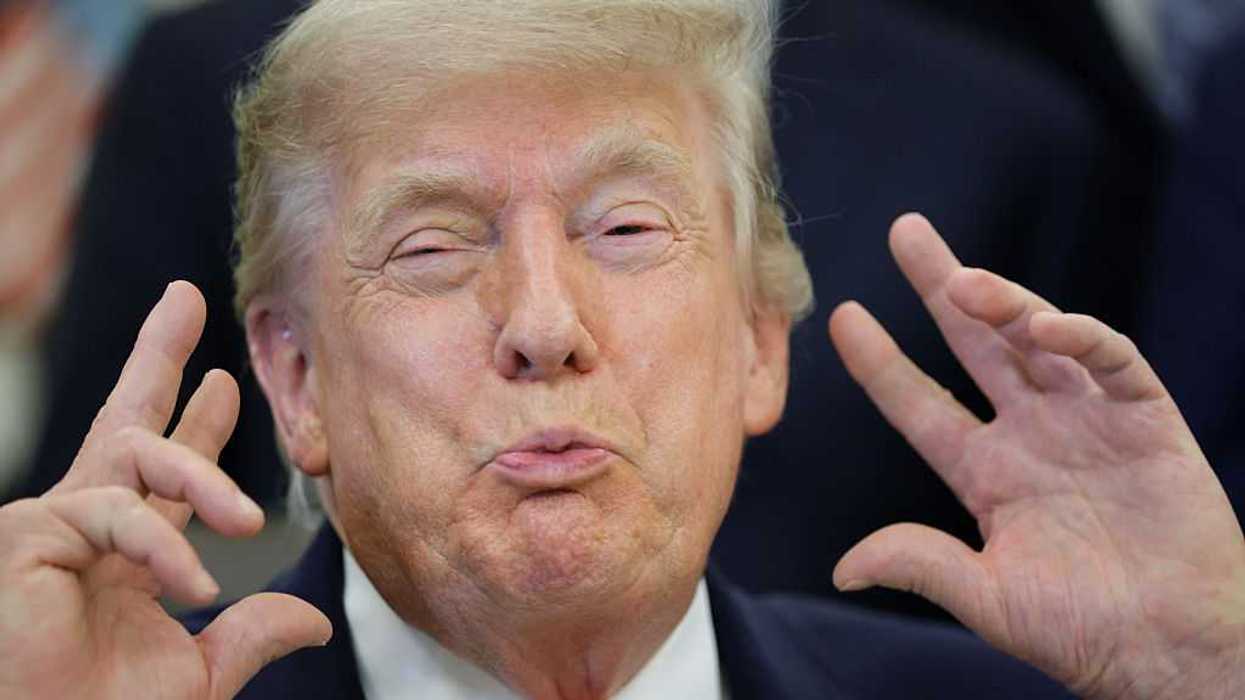
Donald Trump perfected the dynamic of performance over competence. Producers of The Apprentice have described how they built a fake boardroom on a vacant floor of Trump Tower because his real offices were cramped and dated. They constructed a gleaming set to portray a man of power and decisiveness, even though behind the scenes, he struggled to make decisions and often had to be told whom to hire or fire. From childhood on, he learned that projecting confidence mattered more than competence, because his father funded the image even when the results failed — a pattern reinforced throughout his business ventures. He has always projected certainty, but those closest to him describe a leader who depends on constant praise and unwavering loyalty because performance has always mattered more than preparation. His leadership has been personality‑driven, relying on rallies, conflict, and the projection of strength, even as the gap between image and reality widened. The show was not documenting a leader; it was manufacturing the illusion of strength.
Retiring lawmakers — finally free from political retaliation — now admit what millions long suspected: the image was always an act, and the country is paying the price for believing it. This is what it means to have a president exposed — not by opponents, but by his own record, his own appointees, and the consequences of his own decisions.
The president’s weaknesses are no longer hidden. They shape policy, distort institutions, and endanger the nation. He has used the presidency as a personal brand‑extension project — a stage for ego, retaliation, and self‑glorification. He has treated the federal government as a tool for personal benefit, enriching himself and his family through federal contracts and foreign patronage — the same image‑over‑competence pattern learned from his father. He is still branding, but Americans want something very different: accountability, transparency, and legislation that improves conditions in their lives — not another round of self‑promotion. He has spent taxpayer dollars on vanity projects while Americans struggle with housing, healthcare, and rising costs. A president may live on a brand. A nation cannot.
The man behind the Trump Power Curtain has been exposed — at home and around the world — for the performer he is. He has also concentrated power while Congress remained largely silent. He fired Inspectors General who were investigating him, pressured agencies to serve his personal interests, undermined checks and balances, elevated loyalists over qualified public servants, and used executive authority to bypass congressional oversight. These are not partisan claims — they are constitutional concerns. The framers designed checks and balances to prevent any president from placing personal ambition above the Republic. But guardrails only work when leaders respect them. Congress is the only branch with the power to restrain a president who rejects limits. Former officials now describe a leader who gravitates toward authoritarian power and fears accountability.
His weaknesses are visible at home and abroad — in policy failures, government corruption, mismanagement of public funds, economic instability, and rising social, ethnic, and religious tensions. The Iran war was promoted as a display of strength, but it has instead exposed how unprepared and isolated he is, with even foreign audiences responding not with fear, but with disbelief. The self‑proclaimed deal maker is now making excuses — blaming advisers, allies, and even military leaders for the Iran debacle, a pattern that exposes not strength but avoidance, deflection, and a refusal to take responsibility.
A family member of mine, a Medicare recipient who earned her coverage through decades of FICA contributions, recently learned that her prescription had changed — not because her doctor recommended it, but because the type she had been using became too expensive. She thought this issue had been resolved for seniors. So did I. But like millions of Americans, she discovered that even with Medicare, stability is not guaranteed. Across the country, families are rationing medications, delaying care, and watching costs rise while wages stay flat. These are not abstract debates — they are kitchen‑table crises.
The consequences of this presidency are felt in homes, workplaces, and communities across the country. Immigrants with citizenship voted for him, only to watch their undocumented friends and family members targeted. Public figures lent their names to policies that harmed the very communities they came from. Extremist groups attached themselves to the movement, contributing to the intimidation and violence that culminated on January 6. Millions of ordinary supporters — including people of color — did not hear the coded rally messages or foresee the consequences. Many supported him out of hope, frustration, or belief in the image they were sold — not because they wanted harm. But the movement they embraced has weakened democratic norms, endangered vulnerable communities, and placed the Republic at risk.
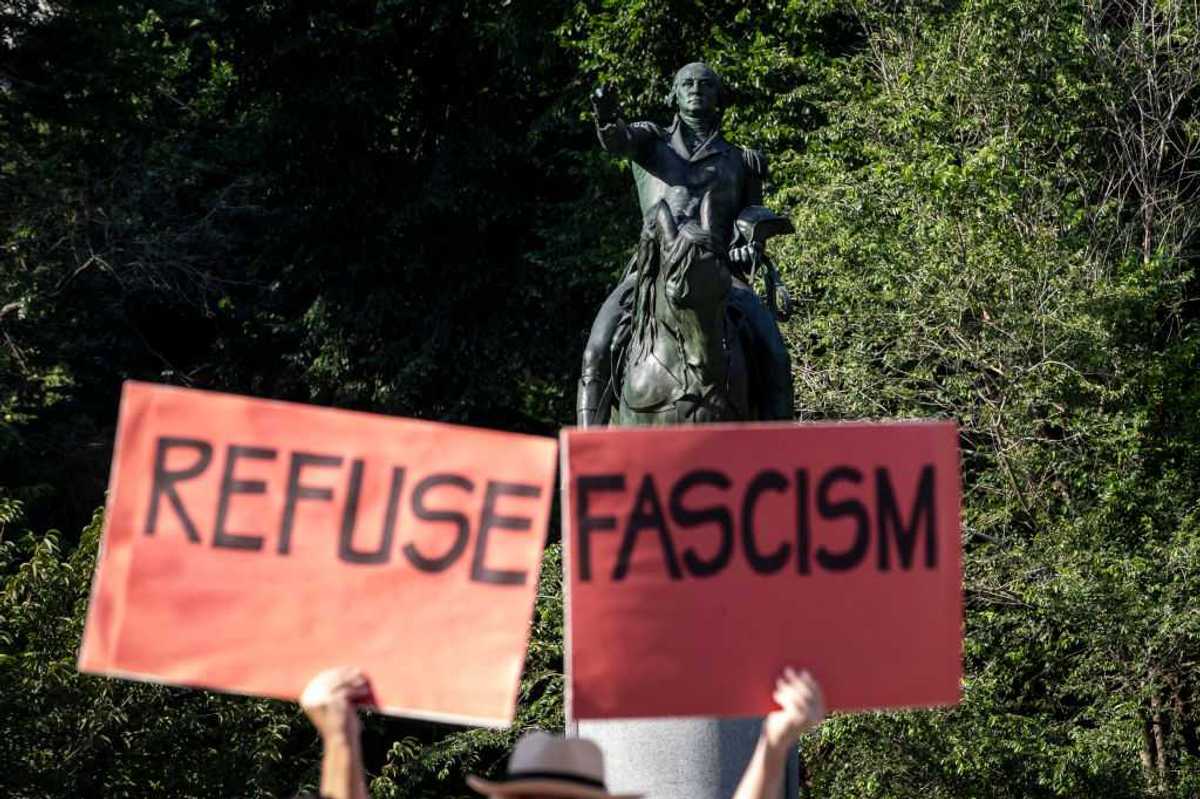
That is why the path forward requires more than outrage — it requires action. The Republic cannot be repaired by branding, bravado, or performance. It can only be repaired by citizens who stay alert and educate themselves, who separate truth from projection, and who vote for new leaders in Congress who will restore checks and balances, limit spending without oversight, and end the practice of bypassing the legislative branch; who demand accountability and transparency; who support institutions that check executive power; who reject projections of leadership built on personality and ego rather than skill, preparation, and service; and who insist on leaders capable of governing, not performing. These are not partisan acts. They are patriotic ones.
A president exposed leaves a Republic with a choice. Some supporters will remain loyal no matter what, which is why Americans who want to keep the Republic must outnumber them at the ballot box.
The future of the Republic will not be determined by the president. It will be determined by Americans — by citizens, voters, and patriots who choose truth over illusion, courage over comfort, and the Constitution over the cult of personality. At this crossroads, the power remains in the hands of the people — unless they choose to give it away. In the end, the Republic has never depended on the strength of one man. It has always depended on the strength of its people — the only force powerful enough to keep it.
Carolyn Goode is a retired educational leader and national advocate for ethical leadership and civic renewal. She writes about democracy, constitutional responsibility, and the role of citizens in strengthening public life.