

Since taking office in January 2025, the Trump administration systematically has taken steps to implement Project 2025, the authoritarian playbook created by the Heritage Foundation to radically transform our system of government. Within the first six months, nearly half of Project 2025’s hundreds of policy proposals were implemented, with additional ones being put into place in the weeks that followed. These actions touch on virtually every aspect of public and private life, leaving many Americans across the country overwhelmed, confused, exhausted, and frightened.
As each news cycle presents a new issue that can capture our attention, the cumulative impact has eroded our democracy. Through changes big and small, the administration has rolled back laws, policies, and norms in place since the country’s founding, erasing national progress achieved during Reconstruction, the New Deal, the 1960s civil rights movement, and beyond. A vastly expanded executive, enabled by an extremist majority on the Supreme Court, has diminished the checks on power provided by other branches of government in previous times, leaving us with fewer rights, protections, and resources.
“Flooding the Zone”
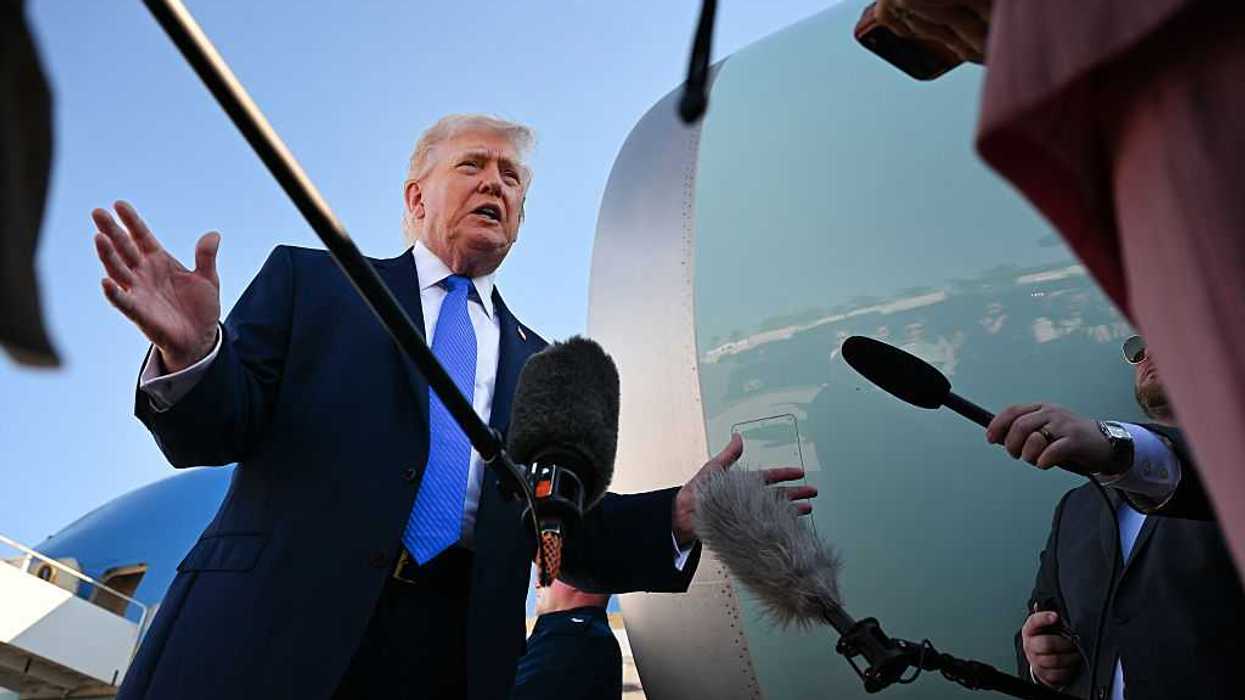
The administration adopted what former White House strategist Steve Bannon termed a “flood the zone” strategy. As of early September, the president had issued more than 200 executive orders, many of which reflect unprecedented policies that flout established laws and norms. In response to those and other actions, over 300 lawsuits have been filed challenging administration actions, many of which have met at least preliminary success.
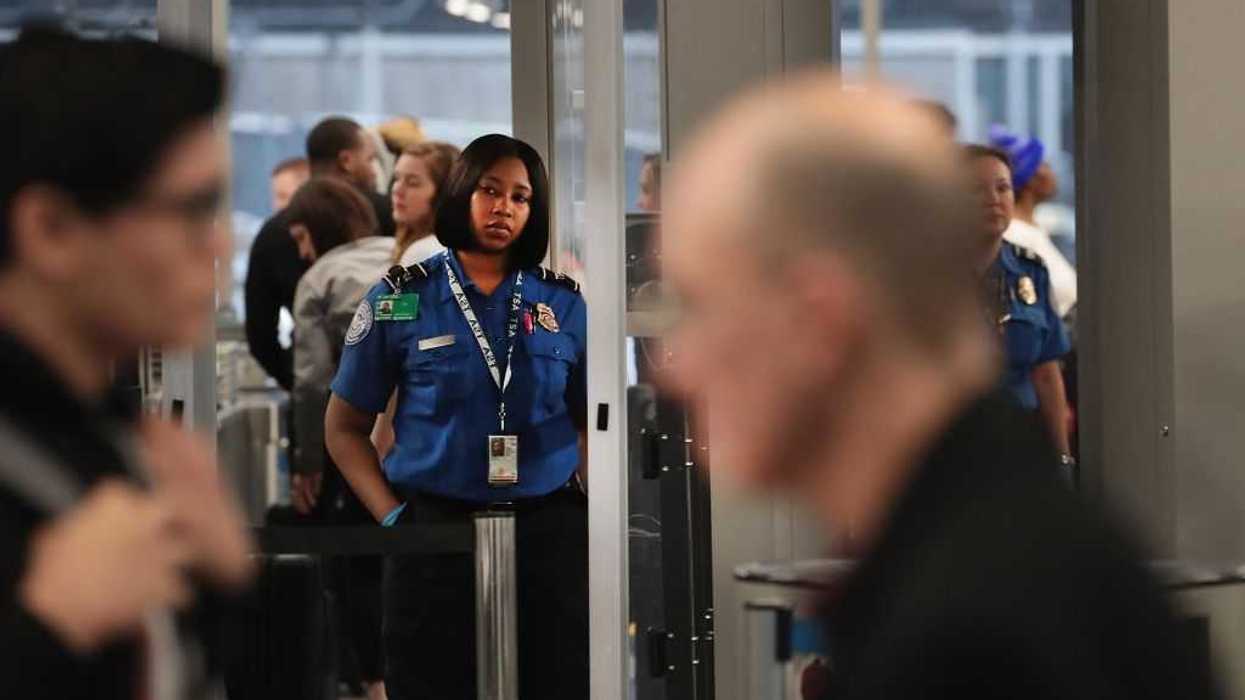
The government’s strategy appears designed to overwhelm the opposition and to immobilize those who might object to the administration’s plans. Yet the attacks go even further. They target long-time federal employees whose expertise for decades has helped the government function.
None of this should be a surprise. The hostility to government workers is striking and explicit. “We want the bureaucrats to be traumatically affected," Russell Vought, one of Project 2025's authors and now head of the Office of Management and Budget, said last fall. “When they wake up in the morning, we want them not to want to go to work, because they are increasingly viewed as the villains. We want . . . to put them in trauma.”
Executive Actions Track Project 2025
Although the administration disavows any ties to Project 2025, its actions track the plan's directives. Vought, along with immigration czar Tom Homan, top trade adviser Peter Navarro, and Federal Communications Commission Chair Brendan Carr, is among the Project 2025 authors now holding key positions in the administration.
The plan’s proposals are not merely policy shifts of the kind that historically have marked mainstream debates. They reach much further. Heritage Foundation President Kevin Roberts deemed the initiative a “second American Revolution, which will remain bloodless if the left allows it to be,” implicitly threatening violence if its goals are challenged.
Attacking Foundational Freedoms
As these changes take hold, the ways in which they undermine the system of checks and balances that has been the hallmark of American democracy are clear. They grant dramatically expanded power to the president, contrary to the founders' vision, who explicitly rejected the idea of a king. Some may wonder whether a strong president could address challenges and persistent inequalities better than our system of democracy. However, the administration’s policies and goals threaten the longstanding freedoms that many may take for granted.
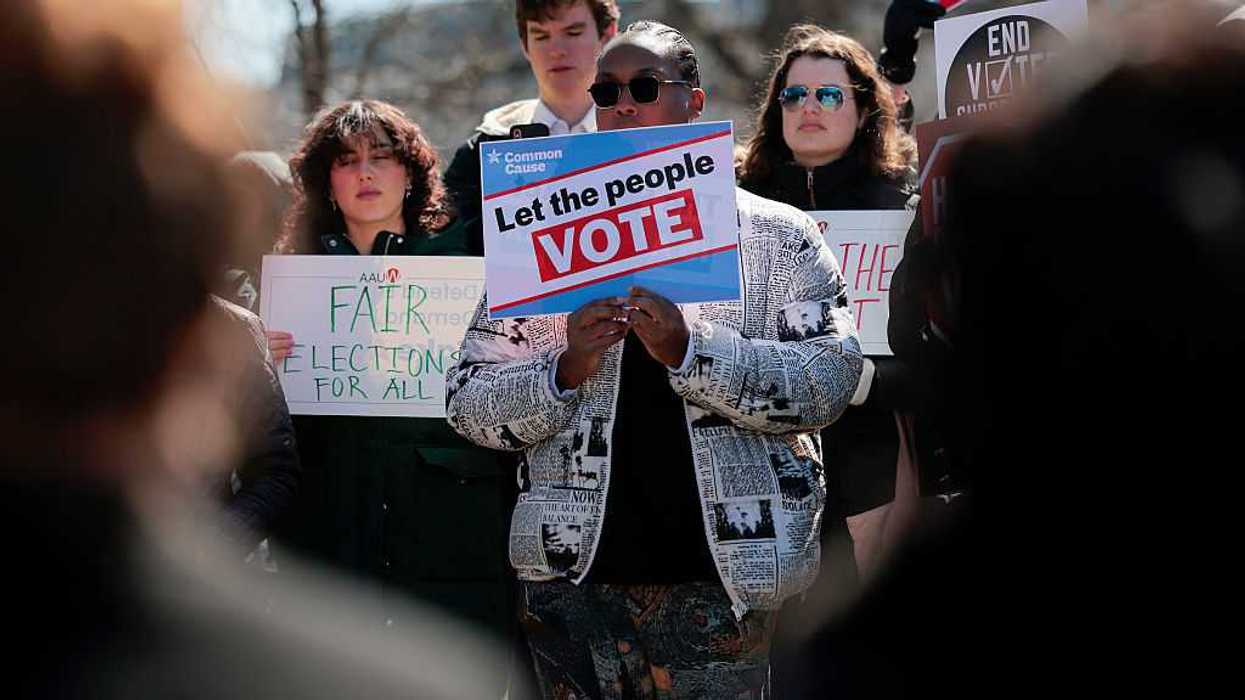
For example, in a troubling expansion of executive authority, the government has detained and deported individuals without due process, meaning the ability to respond to the charges against them. This undermines core constitutional protections and raises serious concerns about the erosion of civil liberties. It has called for using the power of the legal system to punish people perceived as disagreeing with it. The administration has called for deploying the National Guard in several cities, raising concerns about the politicization of domestic security forces and the potential chilling effect on constitutionally protected protest. Additionally, it is politicizing civic institutions, from museums and cultural events to educational institutions to the media. Simultaneously, efforts to restrict voting access have intensified.
Taken together, these actions are making it more dangerous to express peaceful opposition. This was underscored by administration officials’ remarks promising to use “every resource” available to target organizations perceived to disagree with it.
Why This Matters: A referendum on Democracy and the Rule of Law
Taken together, these shifts mirror the strategies employed by autocratic leaders worldwide and the path of countries that have transitioned from democracy to forms of government that stifle dissent, limit civil rights, and restrict individual freedoms.
This moment raises the question of our collective commitment to the pillars of democracy and the rule of law, which, as detailed in the US citizenship test, requires that no one is above the law, whether an ordinary person, an elected or appointed leader, or the government itself. The checks and balances enshrined in the Constitution, including the Emoluments Clause, are designed to ensure that leaders don’t use their positions to advance their own wealth and power. Yet, defying that core democratic principle, estimates suggest that the president and his family have amassed over $3.4 billion from ventures undertaken in his first and second terms.
Foundational principles grounded in the Constitution guarantee free speech and the right to dissent, based on the idea that democracy is stronger when people can debate and discuss their differences. We should be alarmed by recent examples of government workers being fired for disagreeing with policy positions, or of public officials being placed under investigation after taking positions that are out of favor with the administration.
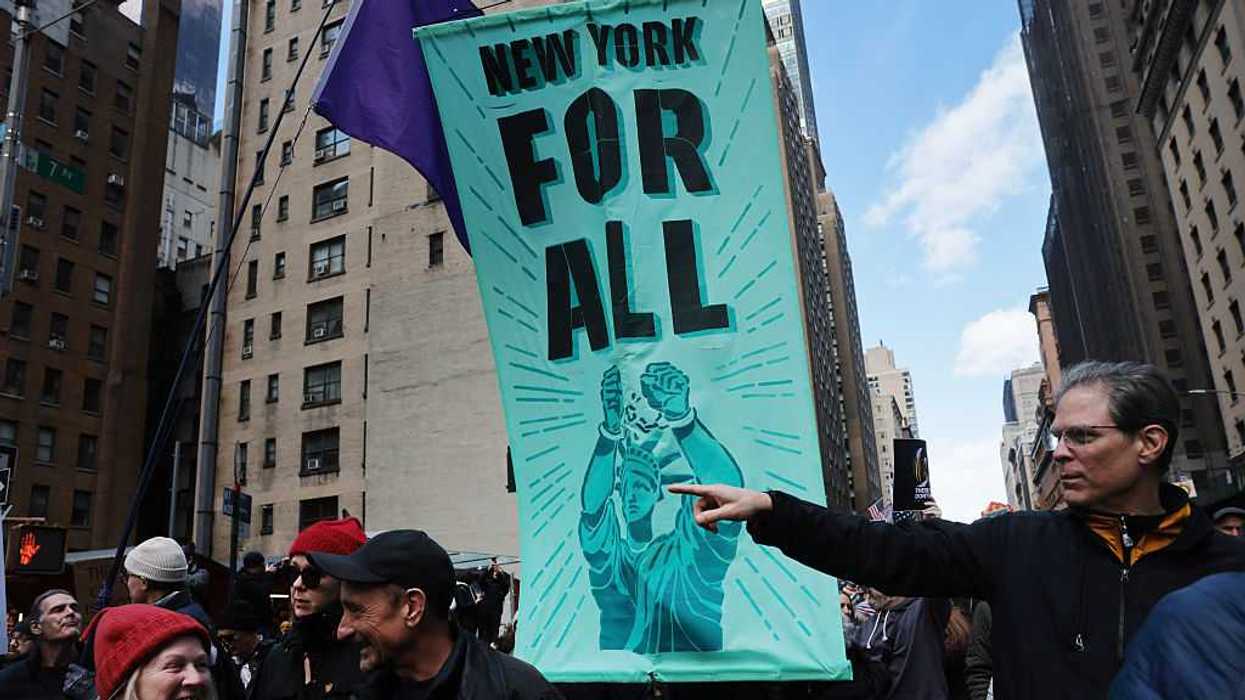
Each of us can take steps to support – and perfect – our democracy, whether through talking with friends, family, and neighbors, contacting elected representatives, or exercising our right to protest. The value of the right to speak freely, to celebrate dissent even when uncomfortable, to have a say in our government, to live free from surveillance and the threat of unwarranted punishment, demands no less.
Julie Goldscheid is a Professor of Law Emeritus at CUNY School of Law and an Adjunct Professor of Law at NYU School of Law. She teaches courses on gender violence and has taught courses including civil procedure, legislation, gender equality and lawyering. She is a volunteer with Lawyers Defending American Democracy.