

Amid the political and military standoff among the United States, Israel, and Iran, it is civilians — the people with no say in these decisions — who bear the fear, disruption, and uncertainty of every strike and escalation. This week, The Fulcrum’s executive editor, Hugo Balta, reports from Israel with a single aim: to humanize the war by focusing not on the spectacle of Operation Epic Fury, but on the ordinary lives being reshaped by it.
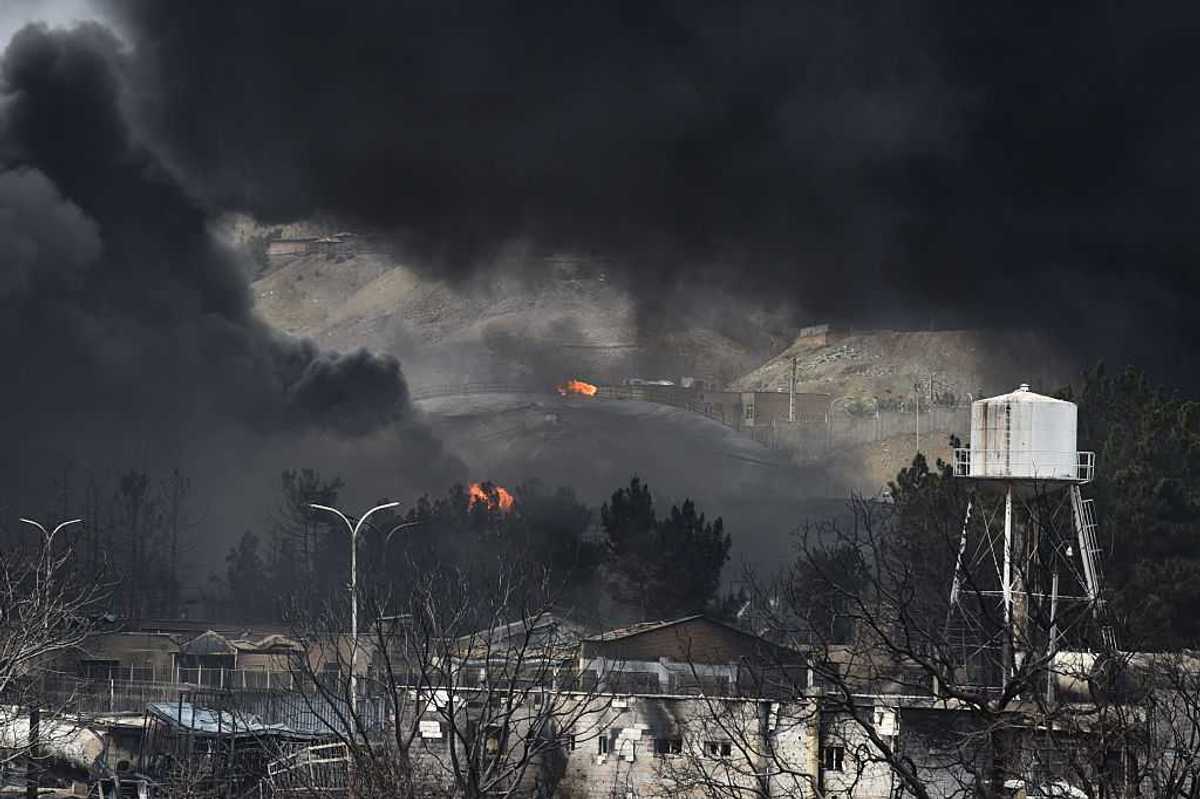
TEL AVIV — The Middle East stands on edge as tensions between Iran, Israel, and the United States escalated sharply, fueling fears that a localized confrontation could widen into a regional war.The crisis intensified around the Strait of Hormuz, where Iran launched missiles and drones at local targets, and the United States responded with military force while warning Tehran against further escalation. President Donald Trump vowed the U.S. would “respond decisively” if Iran struck American forces or disrupted maritime traffic, even as Iranian attacks targeted ships and critical infrastructure. U.S. officials reported intercepting multiple missiles and drones and destroying several small Iranian vessels attempting to interfere with commercial shipping — a series of clashes that underscored how quickly the situation could spiral into a broader conflict.
Against this backdrop of rising international alarm, Israel braces for the possibility of a prolonged war. Israeli officials said the country remained on “high alert,” reinforcing air defenses and activating emergency protocols as military leaders warned that additional missile barrages from Iran or its proxies were likely. Reporting from the Jerusalem Post describes a nation preparing for the worst — a conflict that could unfold on multiple fronts and stretch Israel’s emergency systems to their limits.
Israel’s multi‑layered missile defense network is considered one of the most advanced in the world, routinely achieving interception rates above 90% against short‑range rockets. Its tiered system — Iron Dome, David’s Sling, and the Arrow family — is designed to counter everything from low‑altitude projectiles to long‑range ballistic missiles. Even so, defense officials acknowledge that no system is impenetrable; large‑scale saturation attacks can overwhelm the batteries, allowing some missiles to slip through.
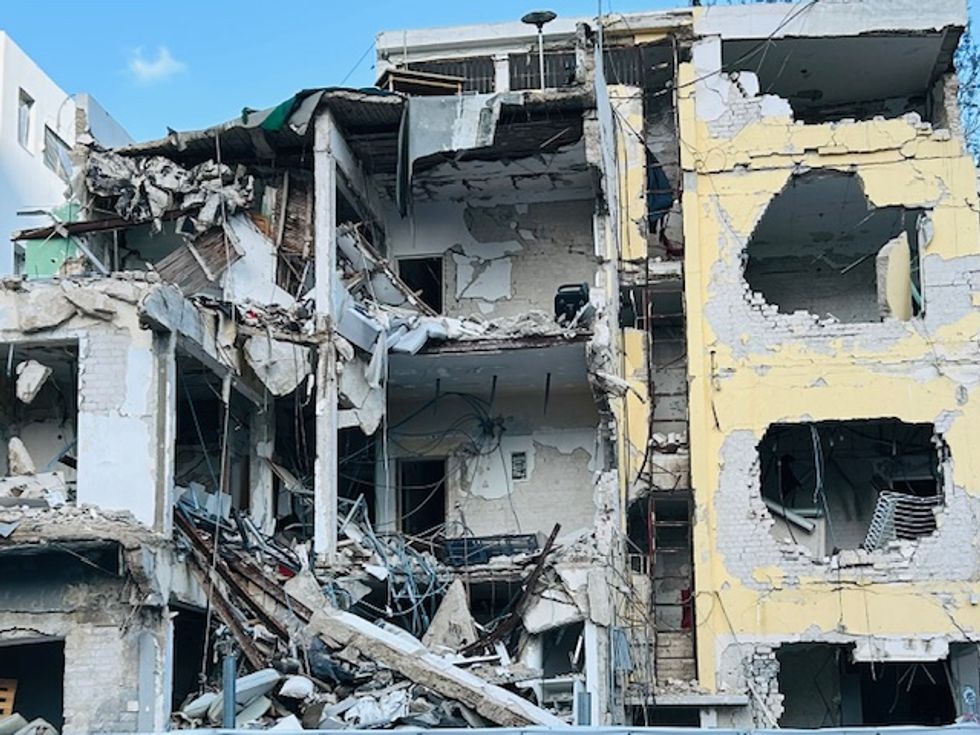 A building in Tel Aviv lies in ruins, reduced to rubble after a series of missile strikes. Hugo Balta
When Iranian missiles began raining toward Israel in late February, Tel Aviv emptied almost instantly. Streets that normally thrum with traffic, bicycles, and beachgoers fell silent as residents rushed into the only places that could guarantee a measure of safety: the city’s underground shelters. It was a routine Israelis were forced to repeat for the second time in less than a year, echoing the 12‑day war the previous June.
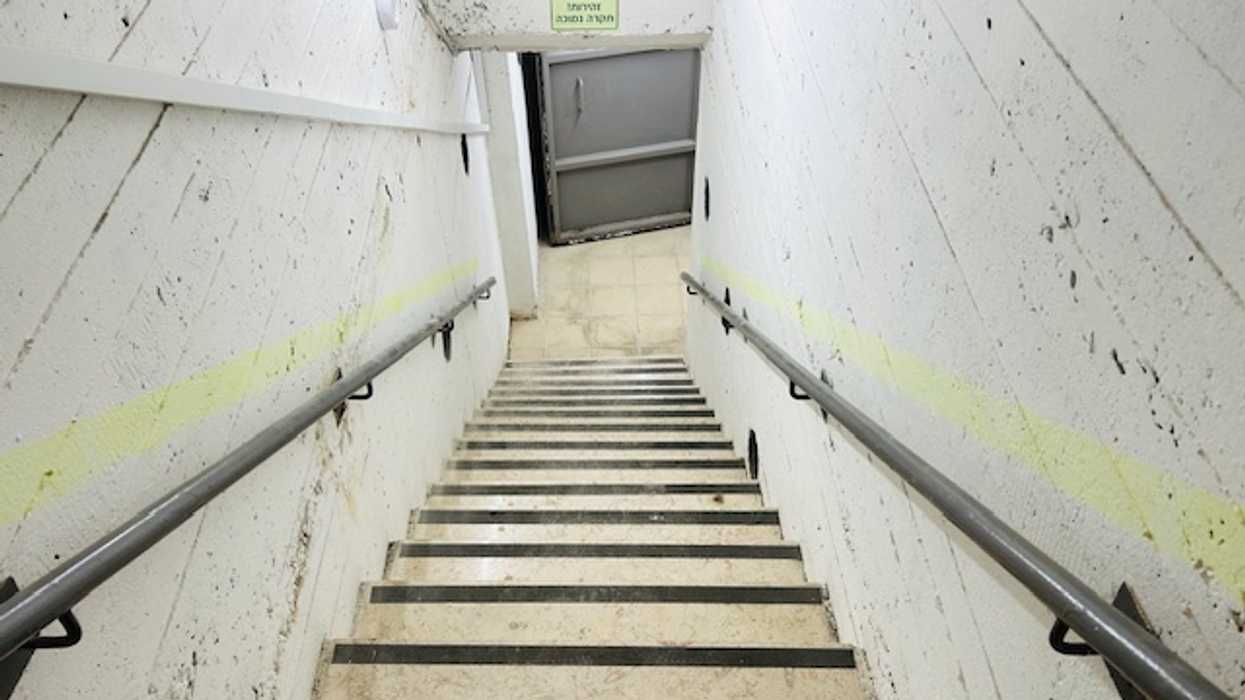
Life inside the bunkers settled into a tense but familiar rhythm. Many arrived with emergency bags already packed, a sign of how deeply preparedness has become woven into daily life. Families clustered together, parents soothed restless children, and small groups prayed or quietly exchanged updates, all while trying to stay calm as the distant thud of interceptions echoed overhead. Outside, the city’s normally vibrant streets were nearly deserted, replaced by the wail of sirens and the sense of a city collectively holding its breath underground.
I toured many of the bomb sites across Tel Aviv to see the destruction left behind by the missile attacks. What I found were monuments of violence — jagged concrete, twisted metal, and the rubble of bombed‑out buildings standing in stark contrast to the everyday life continuing around them. People walked dogs and chatted on sidewalks as if the wreckage were simply part of the urban landscape. The impression was unmistakable: Tel Aviv residents have become so accustomed to living under the strain of conflict that the physical scars of war have faded into the background, almost invisible.
The Exhausting Psychological Toll of Life in the Bunkers
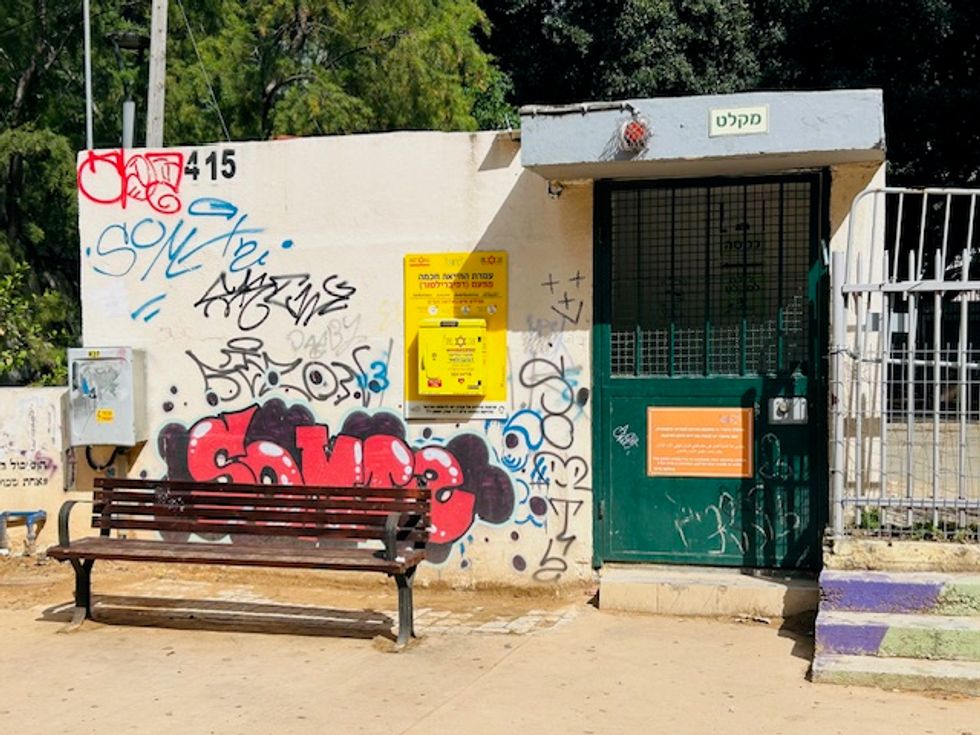
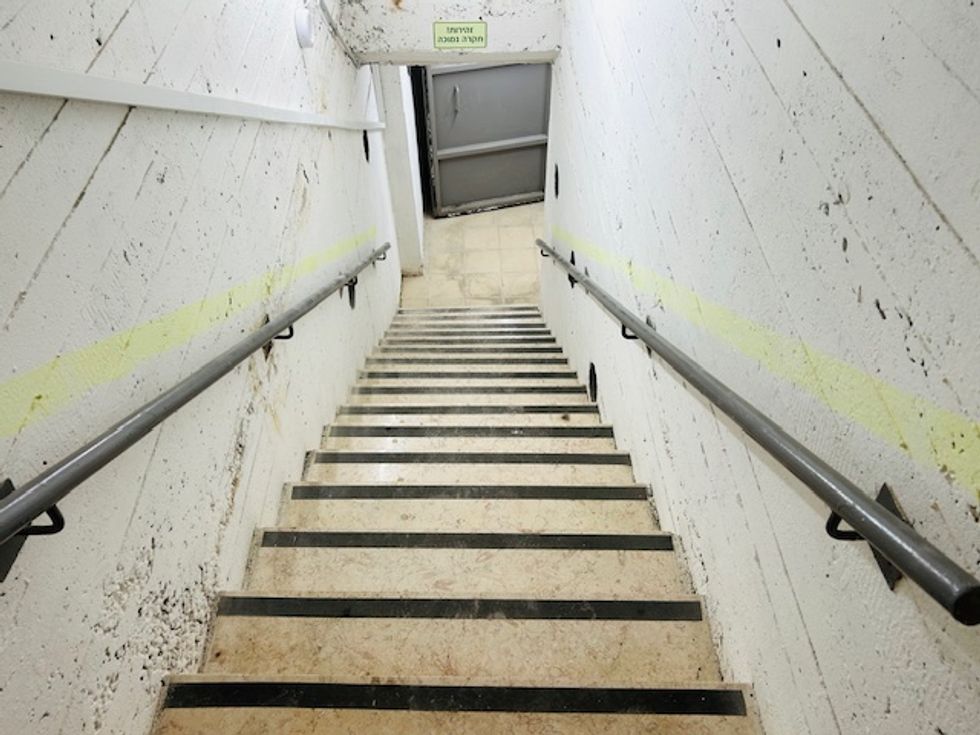
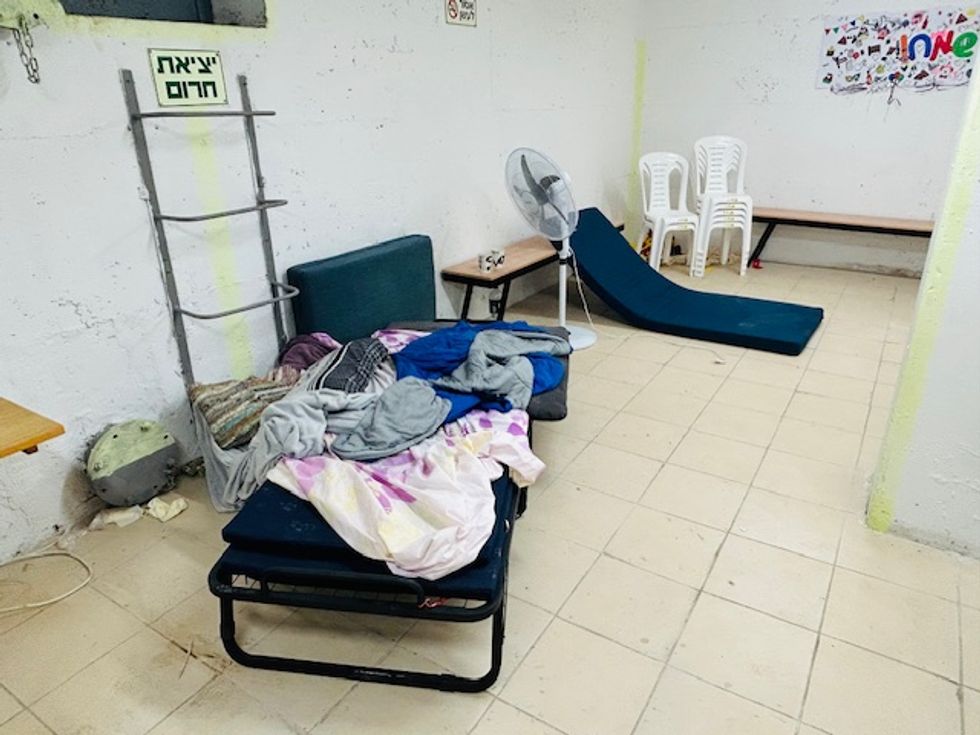
I also visited both public and private bomb shelters. A resident told me bluntly that there simply aren’t enough shelters in the city — or the country — to adequately protect everyone. "There's a third of the population that has no shelter or or cannot get to a shelter, said Maya Siminovich, Tel Aviv resident. "It's something that is not addressed and people complain". The shelters I saw were functional but far from comfortable: bare concrete rooms with the basics needed to survive, including full bathrooms, but little else. They were cold, utilitarian spaces, built for protection rather than comfort. "Here, obviously, we cannot fit thousands of people. It can fit maybe 200 standing, more or less standing, said Siminovich. "If you have to be a long time here, children sleep, adults, elderly, they come with chairs or with mattresses, so you have less space for all the people."
The constant threat of missile attacks and the regular need to seek refuge in bunkers have created a significant psychological burden on the population. Siminovich notes that the experience is particularly damaging for children, stating, "It's traumatic." This trauma becomes a permanent part of their routine; even during periods of relative calm, Siminovich said children will instinctively ask "where's the shelter" when going out for something as simple as ice cream.
This environment of persistent danger leads to a state of chronic high stress that manifests in physical and emotional exhaustion. Reflecting on periods of intense conflict, Siminovich observed that "people were reporting in general terms that they were very tired. Everybody was tired and I think that's a symptom of being in high stress for so long." She also highlighted a form of hypervigilance where everyday sounds trigger a survival response: "I hear a bang any bang now and I don't think I'm scared, but my heart jumps and I stop breathing. Or a motorcycle that has this sound like a siren."
While the country may project an image of resilience, Siminovich suggests that the true mental health impact is deep and likely to be long-lasting. She says: that "the toll I think we're only we will see it in the years to come." Beyond the psychological effects, the immediate physical danger of the stress is also noted, as people have suffered "heart attack[s]" or "accidents" while frantically "running for the shelter."
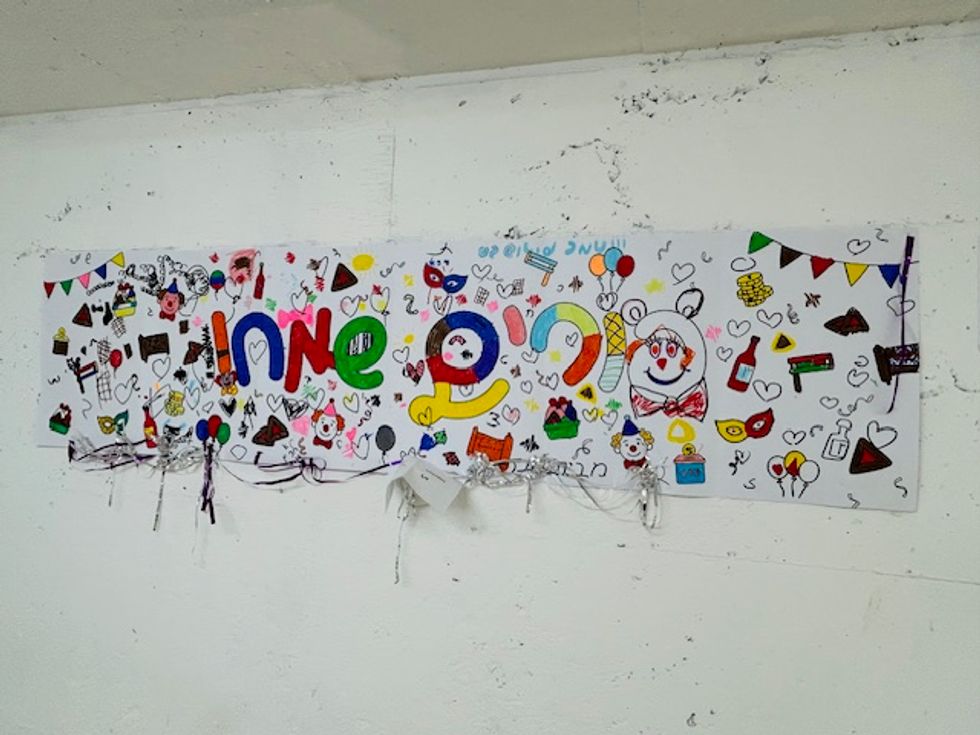
People try to make these spaces feel familiar. Posters appeared on the walls, toys were set aside for children, and mattresses were arranged to soften the hard floors — small gestures that showed how residents worked to carve out a sense of normalcy in places built for crisis.
Across the region, Iranians were enduring their own harrowing “double‑threat” reality, where the danger of airstrikes collided with an intensifying internal security crackdown. Daily life in major cities had become almost invisible, with people staying indoors to avoid both bombardment and the Basij militia patrolling the empty streets. Families navigated frequent sirens, internet blackouts, and severe shortages of basic goods, all while trying to protect their loved ones under extraordinary strain. Caught between the physical threat of falling bombs and the heavy‑handed repression of a regime tightening its grip amid the chaos, many Iranians described a deep sense of fear, exhaustion, and abandonment by the outside world.
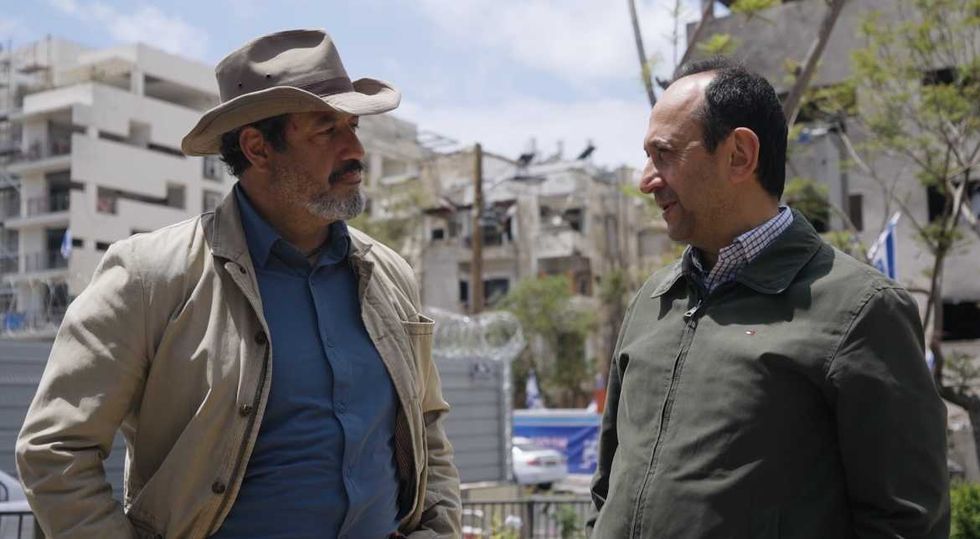 Hugo Balta (l) speaks with Meir Javedanfar (r) thefulcrum.us
At a February bombing site in Tel Aviv, I spoke with Meir Javedanfar—born in Iran and now one of Israel’s leading Middle East commentators. He left Iran in 1987, and his life on both sides of the divide gives him a rare vantage point on this conflict.
In recent weeks, Donald Trump has publicly called for regime change in Iran, urging the Iranian people to “take over” their government following U.S. military strikes. Reporting at the time noted that while the administration initially emphasized removing the regime, some officials later clarified that they were not seeking a “regime change war,” framing their focus instead on preventing Iran from developing a nuclear weapon.
Javedanfar said this shift in messaging is closely watched inside Iran, where many people view such statements with concern. “People thought President Trump was going to help them defeat the (Mojtaba Khamenei) regime, he said. “Many people in Iran are going to feel disillusioned.”
Javedanfar also told me he worries that Trump’s hardline stance toward Iran reverberates most sharply among civilians — in Iran, in Israel, and throughout the wider Middle East.
The scale of the bombardment is staggering. By early March, Iran had launched over 500 ballistic and cruise missiles and more than 2,000 drones since the start of the war, sending millions of Israelis repeatedly underground.
As Tel Aviv watches the latest confrontation in the Strait of Hormuz, these underground worlds remain a stark reminder of the city’s vulnerability — and its capacity to adapt. The war forced Israelis to live beneath their own city, but it also showed how communities hold together when the world above becomes unrecognizable.
The scars of the attacks are still visible. So is the resilience.
- YouTube youtu.be
Hugo Balta is the executive editor of The Fulcrum and the publisher of the Latino News Network.
Coverage of this report was made possible in part with support from Fuente Latina.