




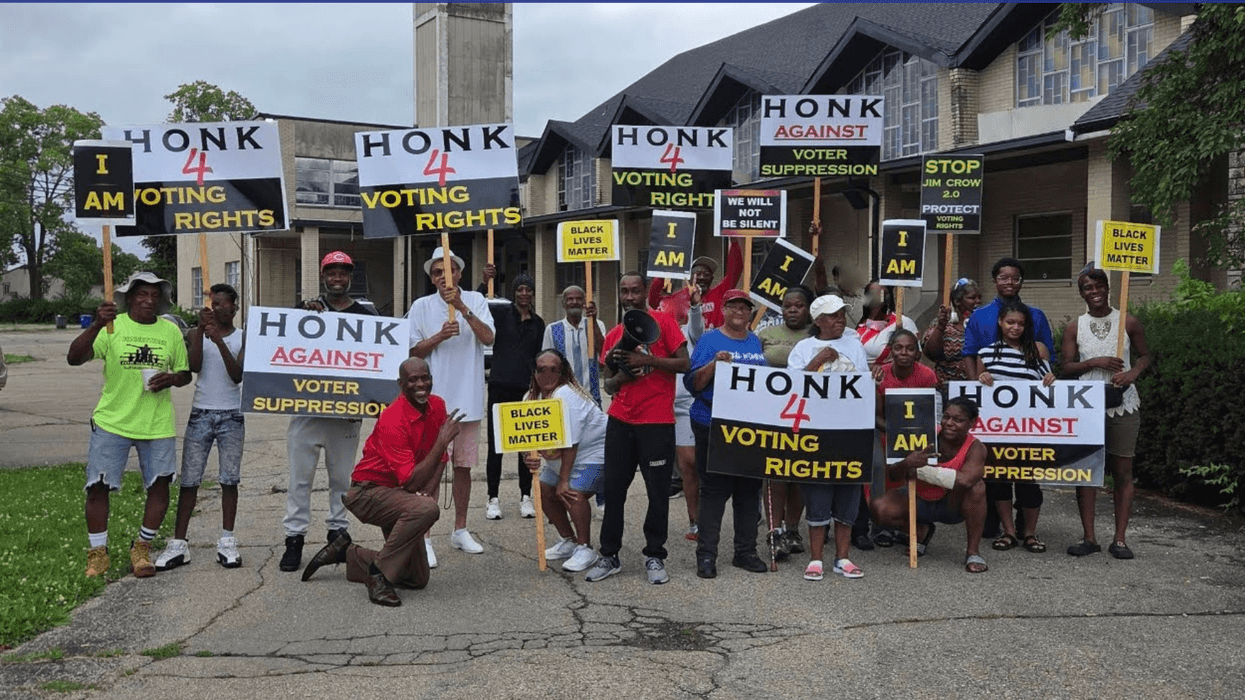
For the past three years, the Kettering Foundation’s Democracy and Community focus area has collaborated with grassroots organizations and community members in Dayton to explore how disenfranchised communities can increase their influence over the decisions that affect their lives. This is a key part of the Democracy and Community research effort that seeks to better understand what it takes to strengthen the movement for inclusive democracy in Dayton and beyond.
One of our key takeaways from these research collaborations has been that to create a more inclusive democracy and strengthen community voices, mutuality, and collective action, we must start with relationships and trust. When communities can strengthen systems and structures of community care and trust, this lays an essential foundation for political, electoral, and social movement activation.
In recent years, communities in Dayton have experimented with efforts such as the adopt-a-precinct campaign in which community members shared with neighbors why they vote. Additionally, we have witnessed the creation of community-created, nonpartisan candidate guides designed to help residents understand differences among candidates for public office, and we’ve seen exciting efforts at neighborhood canvassing related to voting and elections.
Through this work, the Dayton Tenant Union (DTU) identified an important gap: People interested in canvassing, voter engagement, or other forms of civic action often lacked opportunities to develop a deeper understanding of local government, elections, civic history, and the structural forces shaping political participation. In response, Kettering Program Associate for Democracy and Community Destiny Brown has worked with Kettering Dayton Democracy Fellows Larry Hayden (from DTU), and Robbie Brandon, Robert Mackey II, and Jeremy Moody (from Sunlight Village) to develop a civic engagement training. This effort, developed by Dayton residents for Dayton residents, was designed to give community members a stronger foundation for talking with family members and neighbors about civic participation and for engaging more effectively with their neighborhoods, local government, and elections.
Twenty West Dayton residents participated in the six-session training, hosted at Sunlight Village. Participants learned about voting, government, elections, voter suppression, civic history, and practical ways to engage elected officials and advocate for their communities. The training brought together residents with speakers and subject-matter experts, including Sabrina Jordan of Ohio Families Unite Against Police Brutality, representatives from the League of Women Voters of Greater Dayton Area, and Carlos Buford and Myla Cardona-Jones of the Brunner Literacy Center.
The first session invited participants to complete a civic assessment and reflect on their own experiences, perspectives, and relationships to community life. This created a foundation for understanding the role each person can play in an inclusive democracy and reinforced the program’s emphasis on strengthening community voice and collective action.
The second session, “Why Voting Matters,” explored the relationship between government decisions and everyday life. Through a mock demonstration, participants experienced how collective action can amplify individual voices and create public influence. Participants also examined issues such as qualified immunity while discussing how voting, organizing, and other forms of civic participation can shape public policy.
The third session, “How Government Works,” focused on Congress, the legislative process, and government budgets. Participants also engaged in Black history trivia research as homework, expanding their knowledge of historical events and policies that continue to shape contemporary communities, including redlining and the Voting Rights Act.
Later sessions explored voter suppression and the history of voting rights, including literacy tests, poll taxes, grandfather clauses, voter intimidation, gerrymandering, and redistricting. Participants created their own gerrymandered maps, prompting discussion about how political structures can shape whose voices are represented and whose participation is constrained. By connecting historical and contemporary barriers to civic participation, these hands-on, community-based activities helped raise awareness of structural barriers and inequities that undermine community, collective action, and citizen participation.
The League of Women Voters led the session, “Elections and Ballots.” Residents learned what to expect on Election Day, how to understand a ballot, and how to navigate the voting process. A mock election gave participants an opportunity to practice, ask questions, and build confidence in a supportive setting.
The final session focused on moving from civic knowledge to community action. Participants learned how to research candidates, use voter guides, identify reliable sources of information, and recognize disinformation. By this point, participants were increasingly connecting what they had learned about history, government, elections, and structural barriers to opportunities for action in their own communities.
Those who took part left with a deeper understanding of how their voices, relationships, and collective power can influence decisions affecting their lives and their communities. The training demonstrated that democracy isn’t just about what happens on Election Day. It’s also about the ongoing practices of learning, building trust, taking care of each other, participating, organizing, and taking action.
As participant Kayla Tompkins reflected, “The civic class was very informative and inspirational. Being involved gave me hope.”
This article was originally published by the Charles F. Kettering Foundation.
Destiny Brown is a program associate for Democracy and Community at the Charles F. Kettering Foundation.








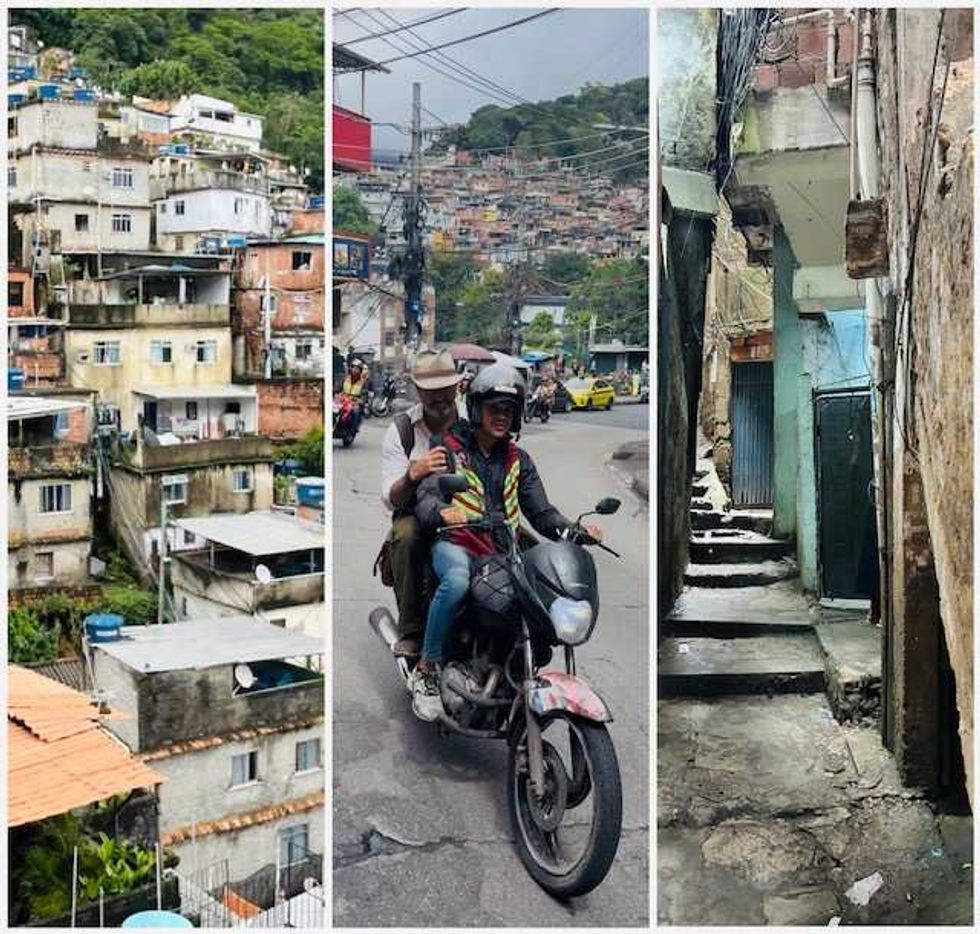 Scenes from Favela Rocinha, Brazil - (R-L) Rows of brick homes, Hugo Balta on a motorcycle taxi, and steep, winding roadsHugo Balta

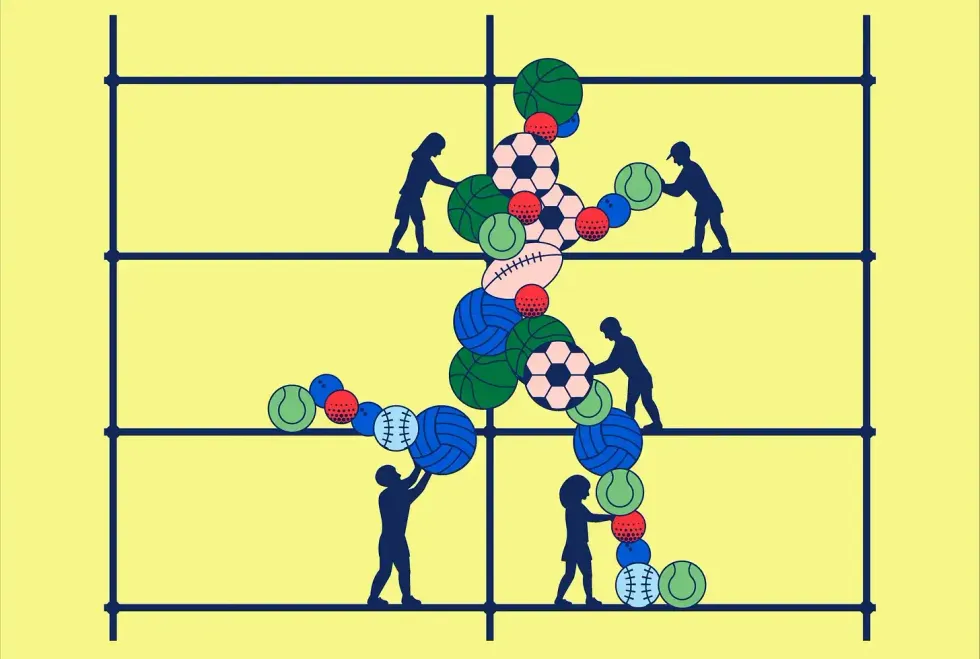 Following our HWF Civic Futures kickoff last week with Eric Liu, our design partners at Public/Official have created a unique visual to capture the “civic scaffolding” spirit of this conversation.
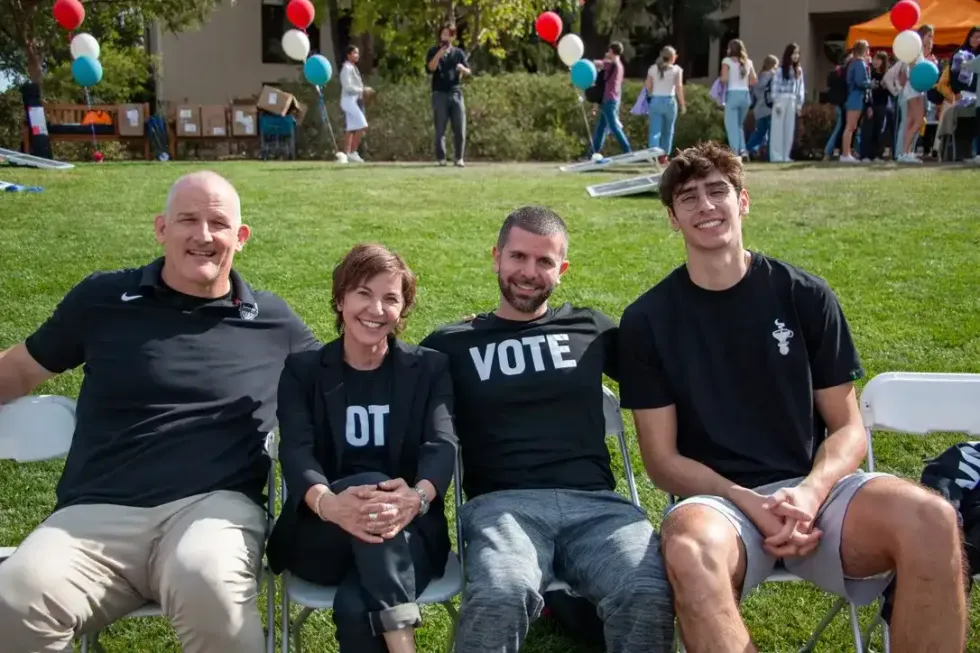 Lisa, Coaches Rev and Matt Elkin, and former Stanford Men’s Basketball star Maxime Raynaud at Stanford’s “All Vote No Play” Democracy Day, 2025