



Chelsea sits as a small but densely populated city just across the Mystic River from Boston; however, its story feels distinct. This year, it was one out of 20 winners of the All-America City award. Chosen for “bringing the ideal of a government of, by, and for the people to life.” It’s known for its deep working-class roots, diversity, and a strong network of community institutions.
Groups such as the Chelsea Opportunity Academy and La Colaborativa stand out in showing how the tree of local civic life is shaped by many seeds of education, mutual aid, and access to opportunity. Chelsea has built a network of institutions that do more than provide services; they create pathways for people to support one another and shape their own futures.
As Doug Linkhart, President of the National Civic League, puts it, “There’s a back-and-forth relationship in Chelsea, where the residents speak up, and the organizations respond, creating trust and a sense of being heard.” This dynamic is at the core of how and why Chelsea continues to evolve in such a leading way 402years after its founding.
Since the early 1990s, La Colaborativa has shown a steady progression of dedication to long-term advocacy, equity, and civic engagement within the greater community of Chelsea, MA. They continue to have a strong focus on the Latino/Latina community specifically but not exclusively.
Over the past thirty-five years, their achievements include organizing tenant councils, founding a youth employment program, and conducting environmental justice advocacy. During the COVID-19 pandemic, they provided food pantries along with emergency support, including distributing diapers, fresh produce, meat, and milk. Cash assistance, unemployment assistance, legal aid, and rental assistance are among the many services it provided during the pandemic and continues to provide today.
At the same time, for eight years now, Chelsea Opportunity Academy (COA) has served as Chelsea Public Schools’ first new alternative high school in recent years, built for students who need a more flexible and supportive path to graduation.
It was founded with grant support from the Barr Foundation’s Engage New England initiative and opened with 50 students, growing to serve those who may be working, supporting families, or struggling in a traditional school setting. There has been a strong focus on creating real-life experiences outside the classroom where skills are fostered in environments such as the wilderness that cannot be taught as effectively well within four walls. There are currently more than 150 students enrolled; at least 570 students have experienced COA’s innovative alternative to traditional schooling.
Ultimately, Chelsea is still defined by the same qualities that have carried it this far: resilience, mutual support, and a strong sense of shared responsibility. “The people of Chelsea have a great community spirit,” Linkhart said. “There are so many people who have stepped up to be leaders and organizations that have made the city successful.” That same spirit continues to define the city, one where progress is driven not from the top down, but from within.
Its schools, nonprofits, and community leaders continue to work together in ways that reflect a deeper civic culture, one where residents are not only being served but are actively shaping the future of the city. As Chelsea looks ahead, its strength remains rooted in the community that has long made it a place where progress grows from the ground up.
Shon Eric Hernandez is a Fulcrum fellow and MDC contributor. He can be reached at shondesil06@gmail.com









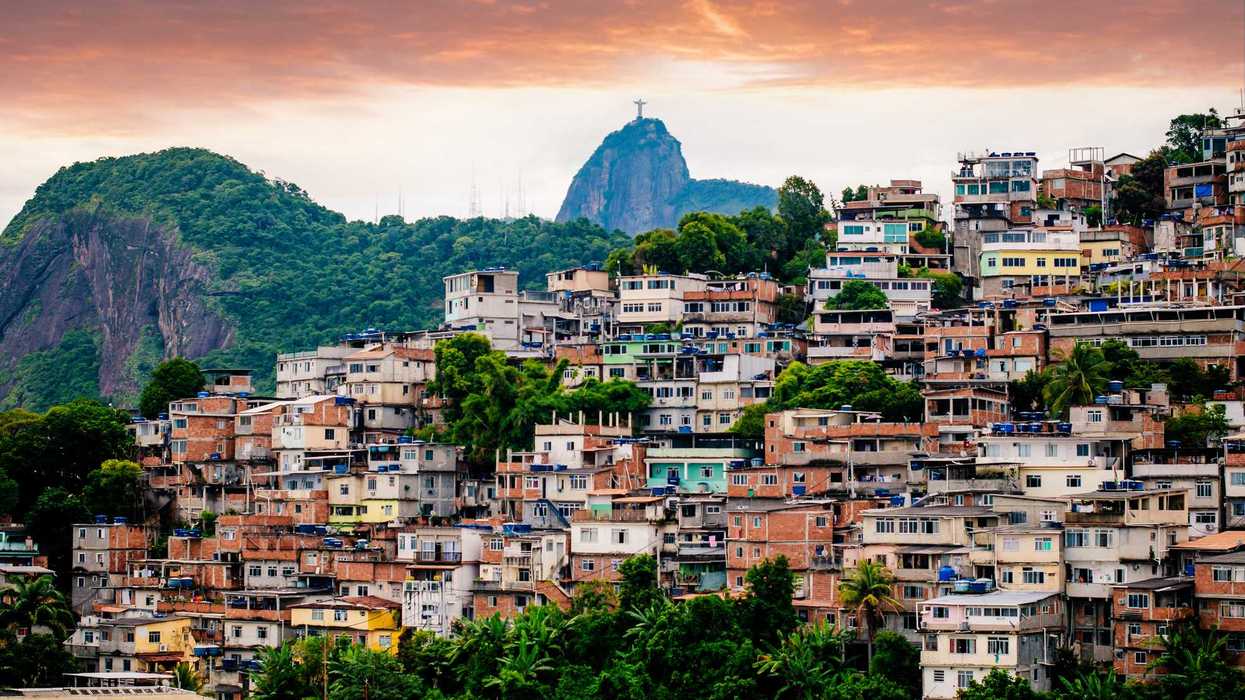
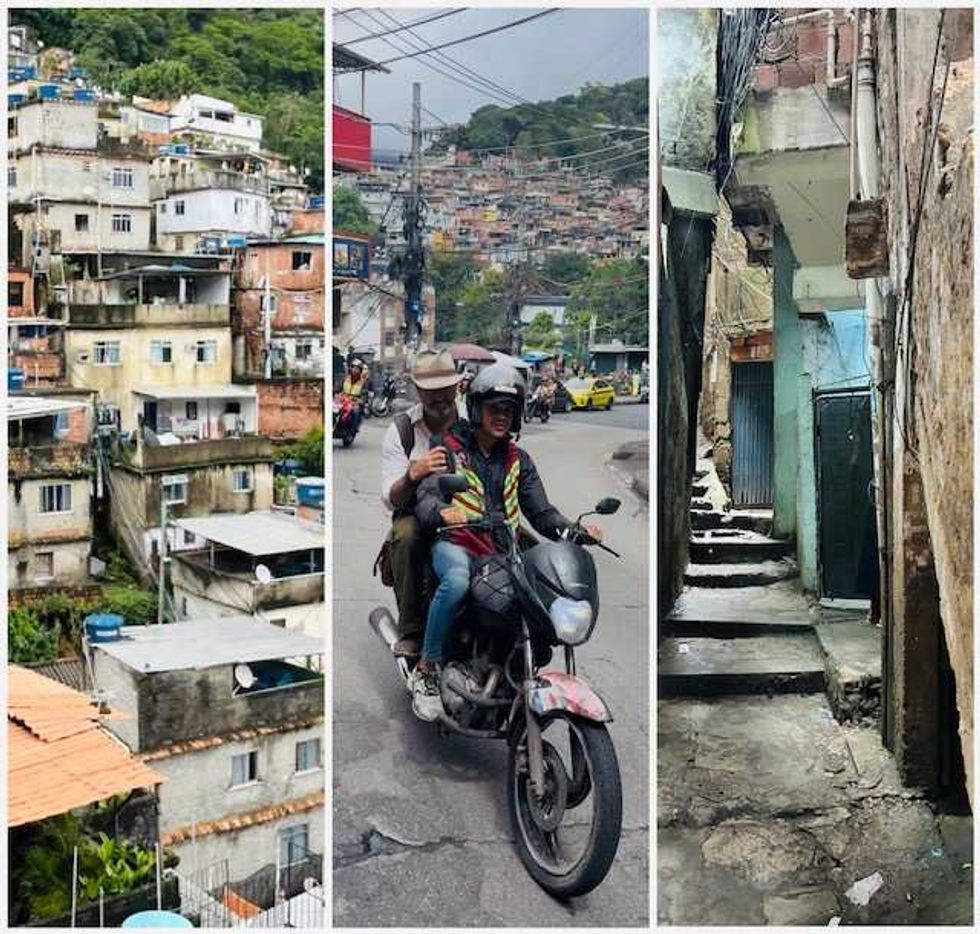 Scenes from Favela Rocinha, Brazil - (R-L) Rows of brick homes, Hugo Balta on a motorcycle taxi, and steep, winding roadsHugo Balta
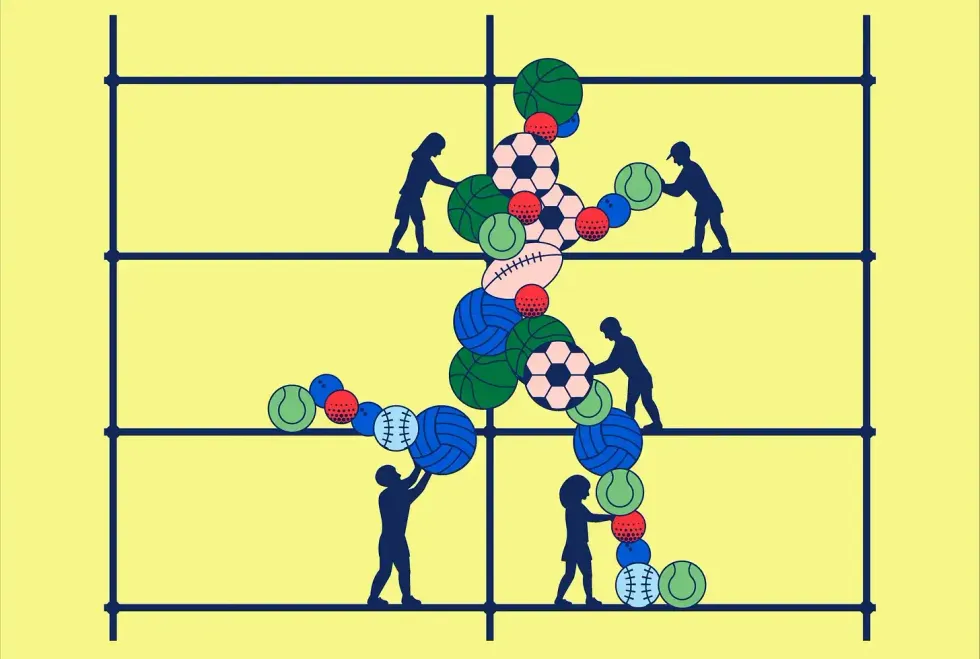 Following our HWF Civic Futures kickoff last week with Eric Liu, our design partners at Public/Official have created a unique visual to capture the “civic scaffolding” spirit of this conversation.
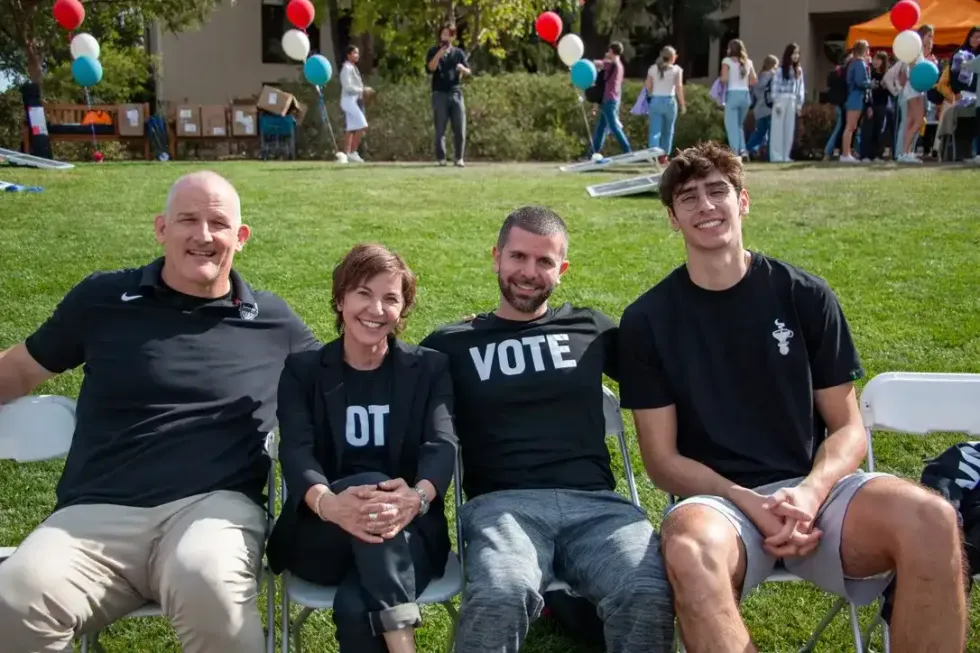 Lisa, Coaches Rev and Matt Elkin, and former Stanford Men’s Basketball star Maxime Raynaud at Stanford’s “All Vote No Play” Democracy Day, 2025