

The 21st-century Supreme Court Justices appointed by presidents who did not win the popular vote have fundamentally reshaped the affordability crisis by dismantling federal regulatory authority, weakening consumer protections, and expanding landlords' and local governments' property rights over renters.
Specifically, five current justices fit this description: Chief Justice John Roberts and Justice Samuel Alito (appointed by George W. Bush following the 2000 election), alongside Justices Neil Gorsuch, Brett Kavanaugh, and Amy Coney Barrett (appointed by Donald Trump following the 2016 election). This conservative supermajority has heavily influenced cost-of-living metrics through historic rulings in administrative, housing, and financial law.
Dismantling the Administrative State (Chevron Deference)
The most sweeping mechanism of this judicial cohort is the systematic stripping of power from federal regulatory bodies, culminating in the historic decision Loper Bright Enterprises v. Raimondo (2024), which officially overturned Chevron deference.
Impact on Housing Policies: Federal agencies like the U.S. Department of Housing and Urban Development (HUD) can no longer rely on judicial deference when interpreting ambiguous lending or housing statutes. This opens the door for real estate developers and apartment managers to challenge long-standing affordable housing quotas, design regulations, and fair housing rules.
Targeting Consumer Safety: Financial watchdogs like the Consumer Financial Protection Bureau (CFPB) now face severe hurdles in capping hidden consumer fees (such as credit card late fees or predatory banking surcharges), making daily necessities more expensive.
Striking Down Tenant Protections and Student Debt Relief
During periods of severe economic distress, these appointees consistently blocked executive branch initiatives designed to ease immediate financial burdens on low- and middle-income families.
Eviction Moratorium Invalidation: In 2021, the conservative majority struck down the CDC’s federal eviction moratorium. This ruling directly exposed millions of behind-on-rent families to displacement during a peak period of pandemic-era inflation and soaring rental costs.
Student Loan Forgiveness Block: In Biden v. Nebraska (2023), the Court invoked the "major questions doctrine"—a legal framework championed by the Trump and Bush appointees—to strike down the administration's $400 billion student debt relief program. By preventing this relief, the Court left millions of borrowers with high monthly debt-to-income ratios, directly limiting their disposable income and ability to afford housing or childcare.
Criminalization of Homelessness and Local Market Distortions
Beyond targeting federal power, these appointees have actively shifted power dynamics in local housing markets.
Enabling Anti-Homelessness Laws: In City of Grants Pass v. Johnson (2024), the conservative majority ruled that local governments do not violate the Eighth Amendment by fining or arresting unhoused individuals for sleeping outside. Legal experts and housing advocates point out that prioritizing punitive law enforcement over affordable housing infrastructure worsens cyclical poverty and does nothing to reduce underlying housing costs.
Deterring Rent Control: While the Court has not flatly banned municipal rent stabilization laws nationwide, its recent rulings on property rights have encouraged corporate landlords to challenge local rent-control measures in lower federal courts, creating instability in municipalities trying to cap skyrocketing rents.
SCOTUS appointees are the Tip of the Iceberg of the problems with Non-Popular Vote Presidents, which are a function of the winner-take-all (WTA) Electoral College regime, that can be remedied, without a constitutional amendment, by the National Popular Vote Interstate Compact (NPVIC).
The NPVIC is an agreement among U.S. states and the District of Columbia to award all their electoral votes to the presidential ticket that wins the overall popular vote in all 50 states and the District of Columbia. It is considered a pragmatic, state-based initiative because it aims to ensure the winner of the national popular vote wins the presidency, operating within the existing Electoral College framework by utilizing states' constitutional authority to appoint electors. The NPVIC has been adopted by 18 states and Washington, D.C., representing 222 electoral votes. It needs 48 more electoral votes to reach the 270-vote threshold required to go into effect. Member states enact legislation that legally binds them to award their electors to the winner of the national popular vote, regardless of whether that candidate won the majority in their specific state.
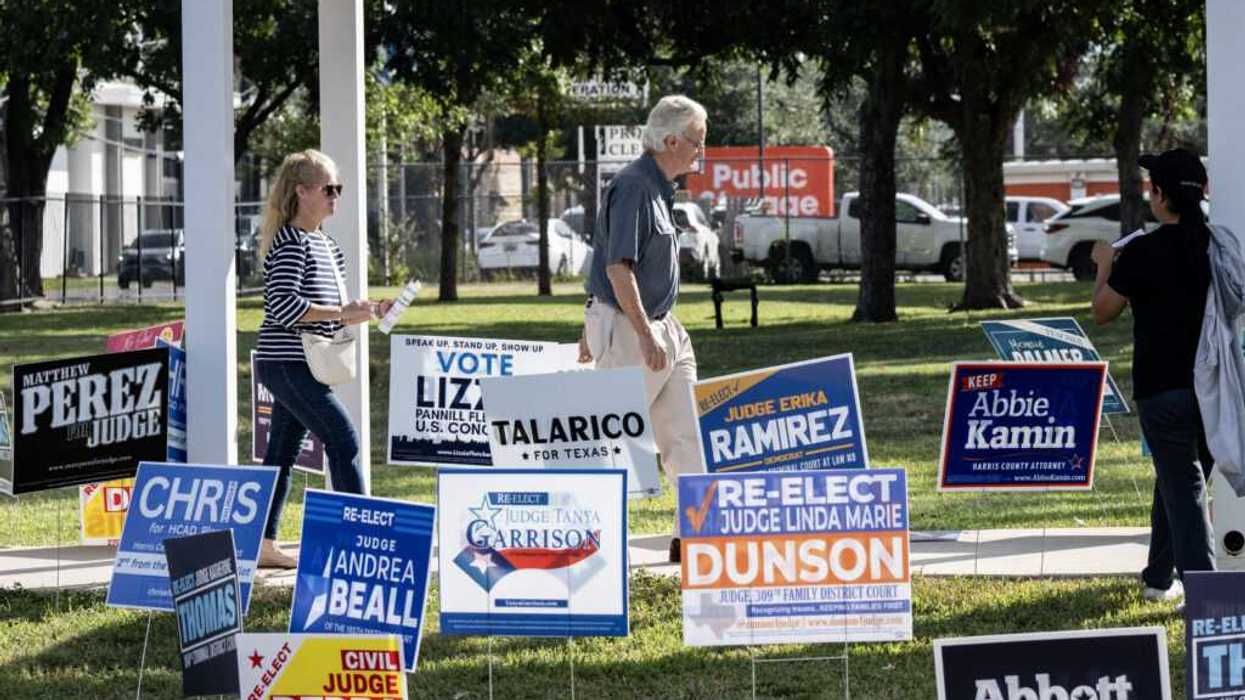
November 3, 2026, opportunity: elect governors and state legislatures, regardless of their party affiliation, that will adopt the NPVIC, a viable pathway to reform, especially in the following states:
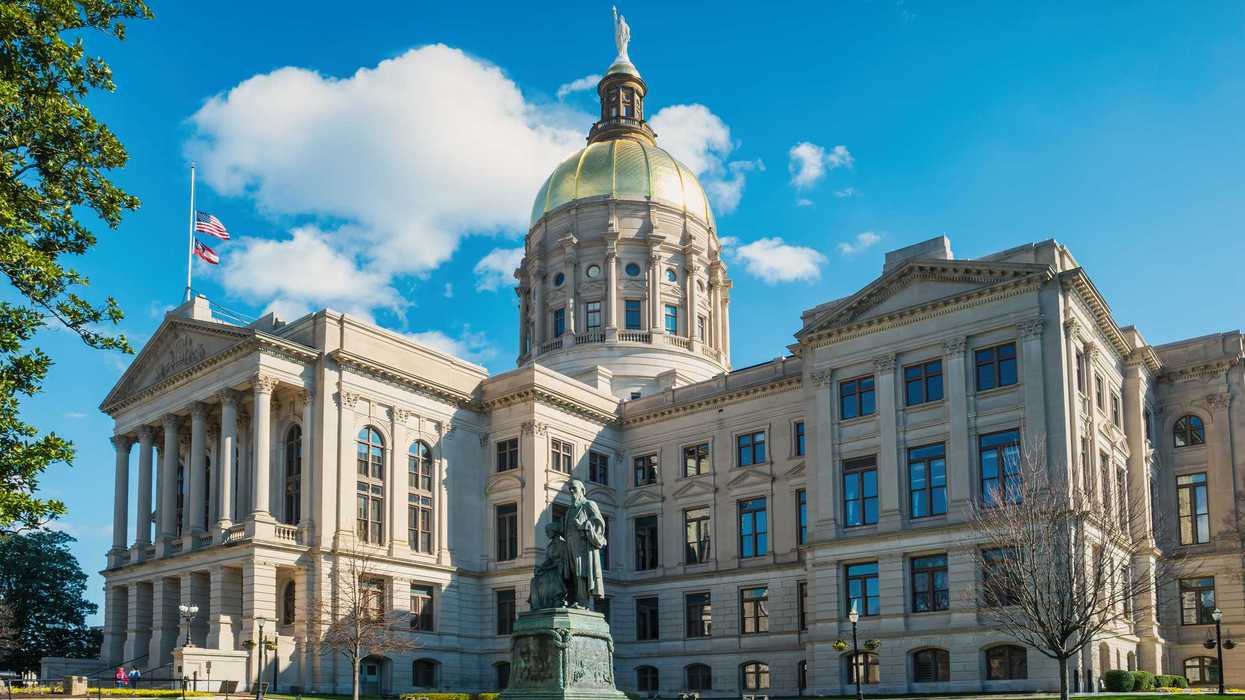
Nevada, Michigan, Georgia, Pennsylvania, North Carolina, Wisconsin, Arizona.
Hugh J. Campbell, Jr., CPA, is a Governance, Risk & Compliance (GRC) professional and a student of W. Edwards Deming, the American statistician often credited as the catalyst for the Japanese economic miracle after WWII.