


Remember “affordability” mania?
The time was 2025. A young, charismatic democratic socialist candidate for New York City mayor named Zohran Mamdani became a viral sensation. His secret? “Affordability.”
Ask him about almost anything and he’d turn the conversation to affordability. When a reporter asked Mamdani to respond to President Trump’s claim that he was the better-looking politician, Mamdani responded, “My focus is on the cost-of-living crisis, bro.” Queried about whether Hamas, the terrorist organization, should disarm, he began with “I believe that any future here in New York City is one that we have to make sure that’s affordable for all.”
Mamdani won the election, and pretty much everyone agreed that “affordability” was the key that unlocked City Hall.
“Affordability” was “the mantra that carried” Mamdani to victory, proclaimed Vox. Democratic National Committee Chair Ken Martin, House Minority Leader Hakeem Jeffries, Sen. Elizabeth Warren and political strategists like David Axelrod, James Carville and Waleed Shahid all agreed. As Shahid put it, “Zohran cracked the code so many Democrats are searching for: laser-focus on affordability … this is a playbook.”
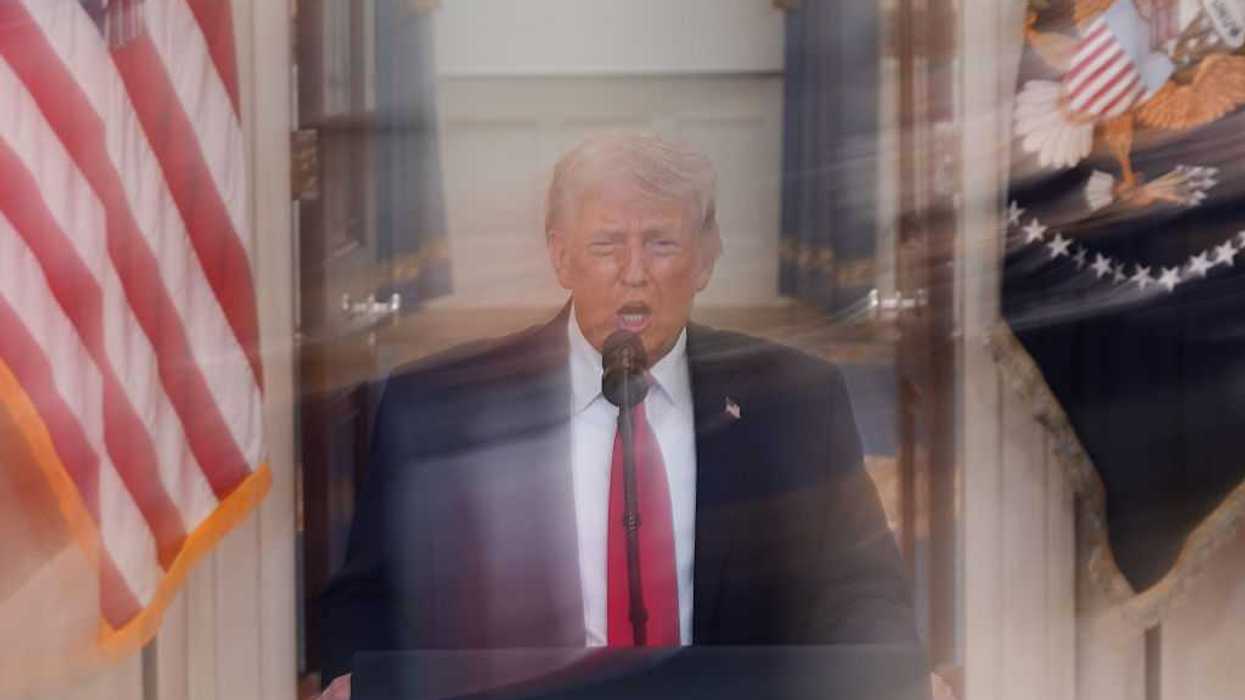
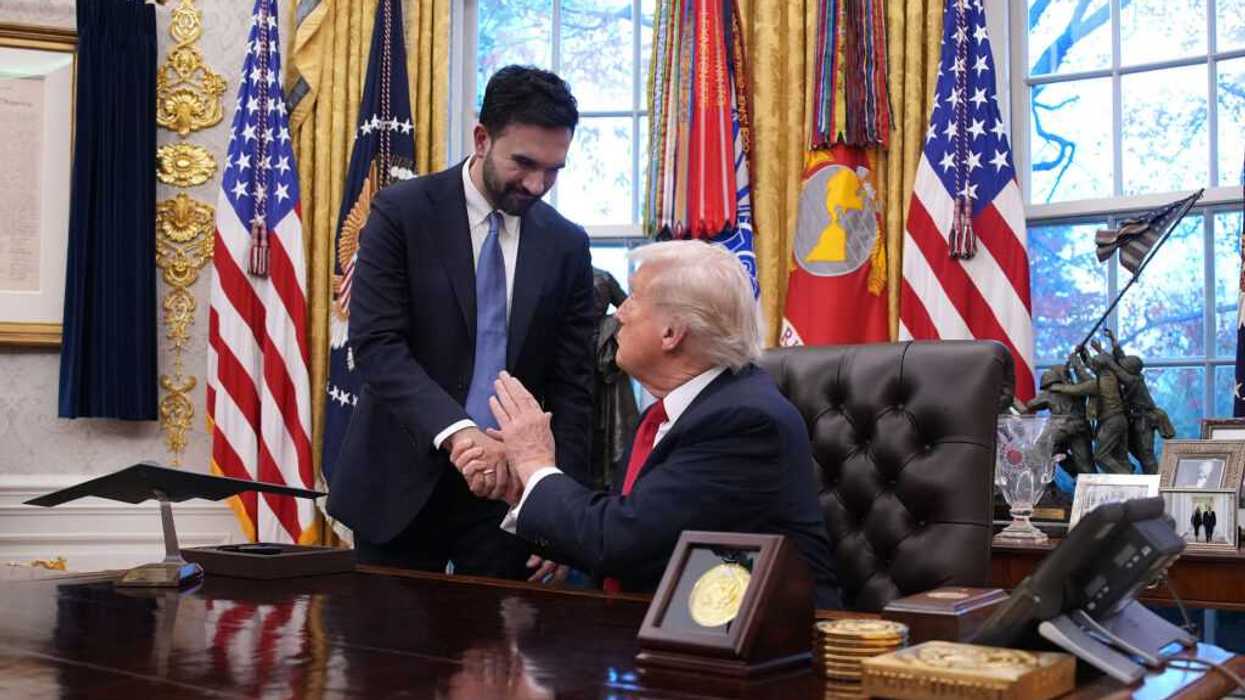
All this annoyed Trump, who’d campaigned on lowering prices in 2024. Affordability was a “con job by the Democrats,” he told reporters. “Affordability is a lie when used by the Dems. … We are the Party of Affordability!” he declared on Truth Social.
One of Mamdani’s first priorities as mayor was to impose a partial rent freeze on more than a million apartments, about 40% of NYC’s rental stock. That was temporary good news for people in those apartments, but good luck finding an economist who doesn’t think this will make housing less affordable over the long term.
More recently, Mamdani endorsed a plan to require Amazon and other companies to stop using third-party contractors to deliver packages to New Yorkers. It’s a naked sop to the Teamsters, who’ve long wanted unionized drivers to have a monopoly on deliveries.
If passed, the Delivery Protection Act will create some jobs for drivers, while killing more jobs for gig workers. More important, it would surely make deliveries slower and more expensive. The only study estimating the costs — sponsored by its opponents — found that it would add $664 in delivery fees per household annually.
Take that with a grain of salt if you like, but it’s telling that the affordability-obsessed Mamdani administration didn’t even bother to study the question of how this plan would affect affordability. If they’re so laser-focused on the issue, you’d think this would be the first question they’d ask. Mamdani hasn’t even mentioned improving affordability when touting the plan. It’s almost as though Trump was right about affordability being a con job.
Speaking of Trump, let’s take a gander at what he’s done of late. For starters, his tariffs — by design — make goods more expensive. We don’t need to belabor that, but to pick just one example, his recent 50% tariff hike on Canadian lumber, set to go into effect this week, will make housing construction — a key component of affordability — more expensive, adding more than $10,000 to the cost of building the average home.
Trump’s immigration crackdown has made food costs rise, according to his own Department of Labor.
And of course there’s the Iran war. Even Trump admits it’s causing gas prices to go up. We hear less about how the closure of the Strait of Hormuz is also pushing up the costs for fertilizer, plastics and jet fuel, among other things.
There are defenses for Trump’s immigration and Iran policies (his blunderbuss approach to tariffs is simply indefensible). There are also defenses of Mamdani’s plan to make home deliveries more expensive (his rent freeze is economically indefensible). But, it needs to be said, none of those defenses have anything to do with affordability.
You might think my point is that our political leaders are lying hypocrites when they say their top or only priority is affordability. I won’t argue against the claim, but that’s not my point.
Rather it’s that populist appeals are always simplistic. They blame sinister forces for deliberately standing in the way of simple fixes that are good for everybody, save perhaps for the evil elites, special interests or millionaires and billionaires conspiring against the common good.
The reality is that populist promises of easy fixes are easy to make, but governing is hard and complicated. Elected officials have to balance any number of priorities and considerations — good, bad and ugly — that undermine simplistic slogans. The problem with populist pandering is that it always leads to disappointment with leaders who fail to deliver, which only invites more populist ire and more pandering.
Jonah Goldberg is editor-in-chief of The Dispatch and the host of The Remnant podcast. His Twitter handle is @JonahDispatch.