

Skip to content
Search

Latest Stories

Follow Us:
Top Stories

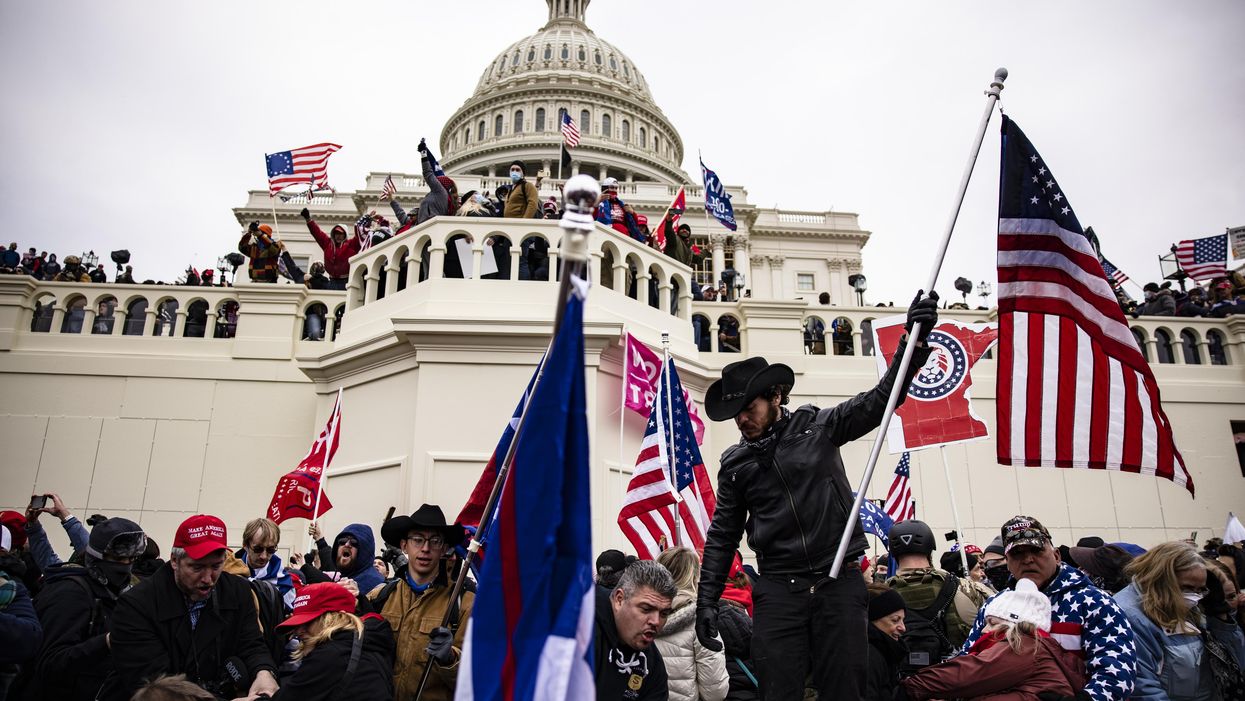
​Images of the day a president's mob sought to defeat democracy

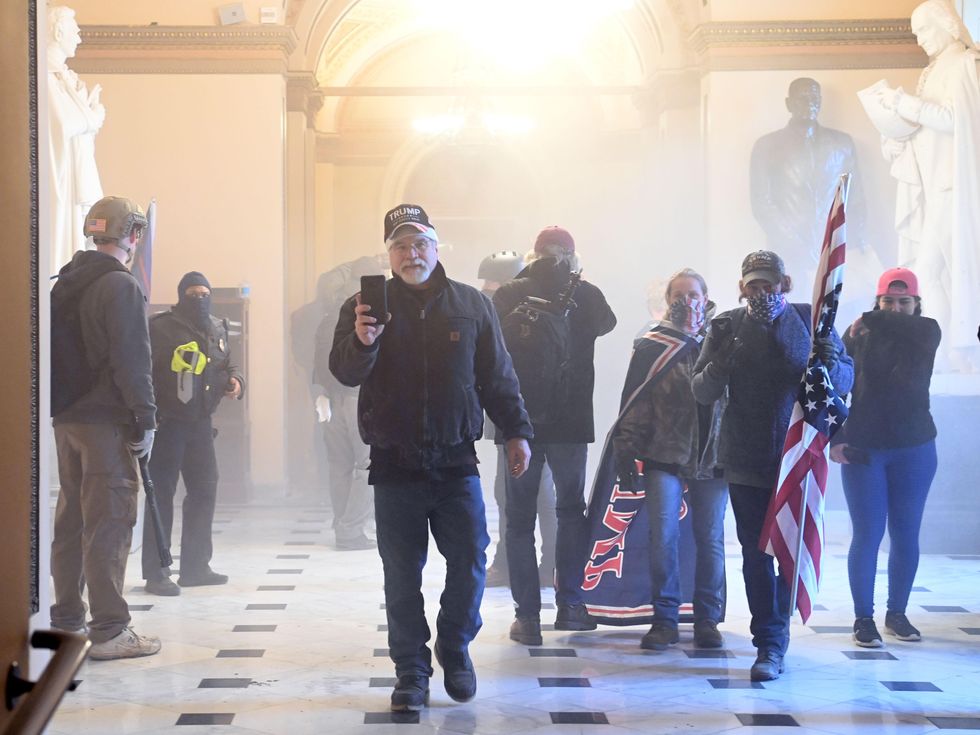
rioters at Capitol
Samuel Corum/Getty Images

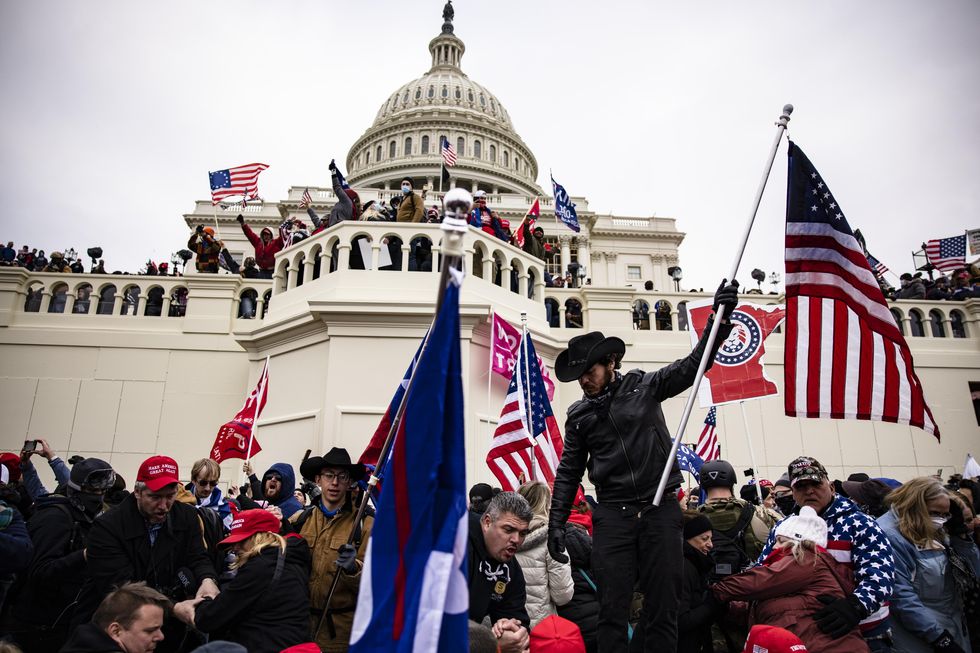
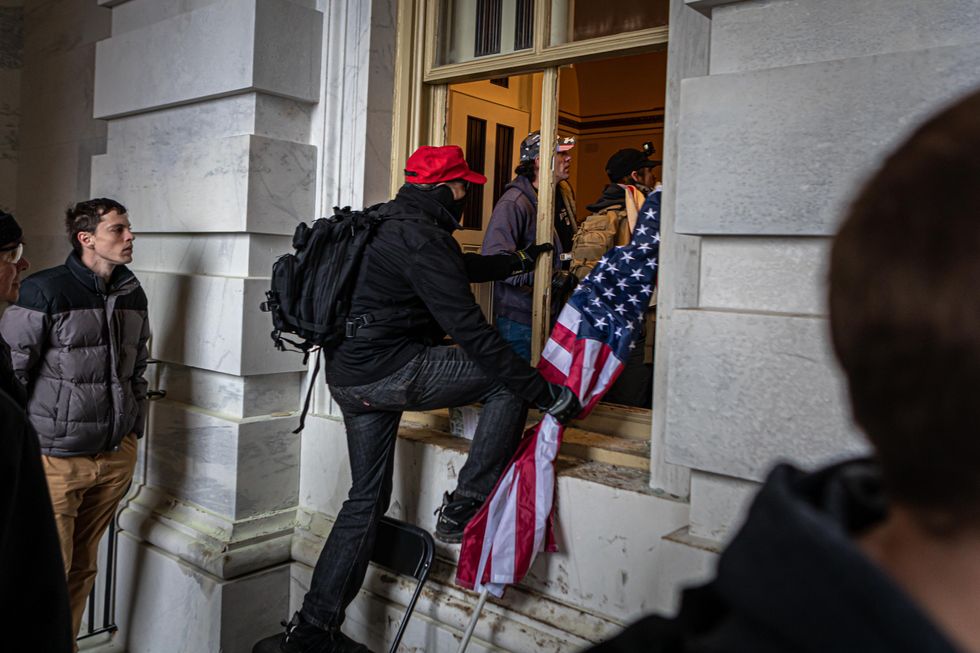
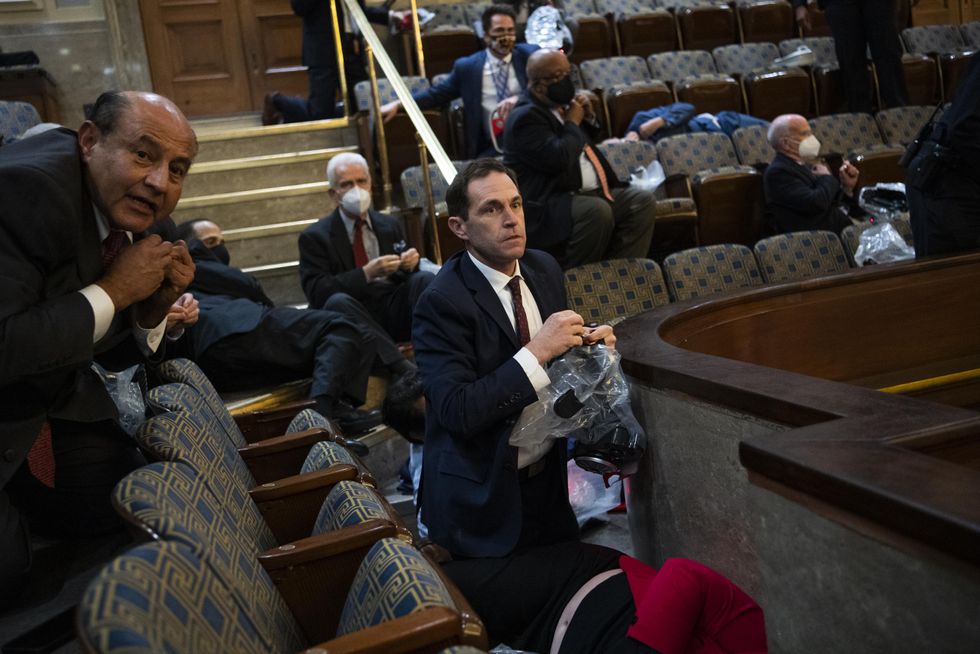
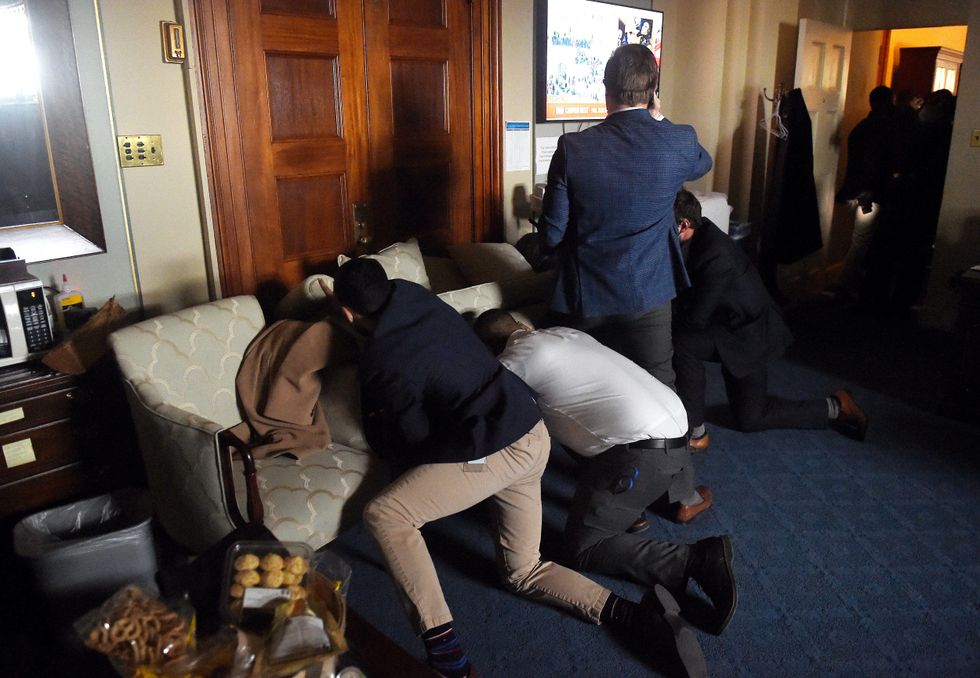
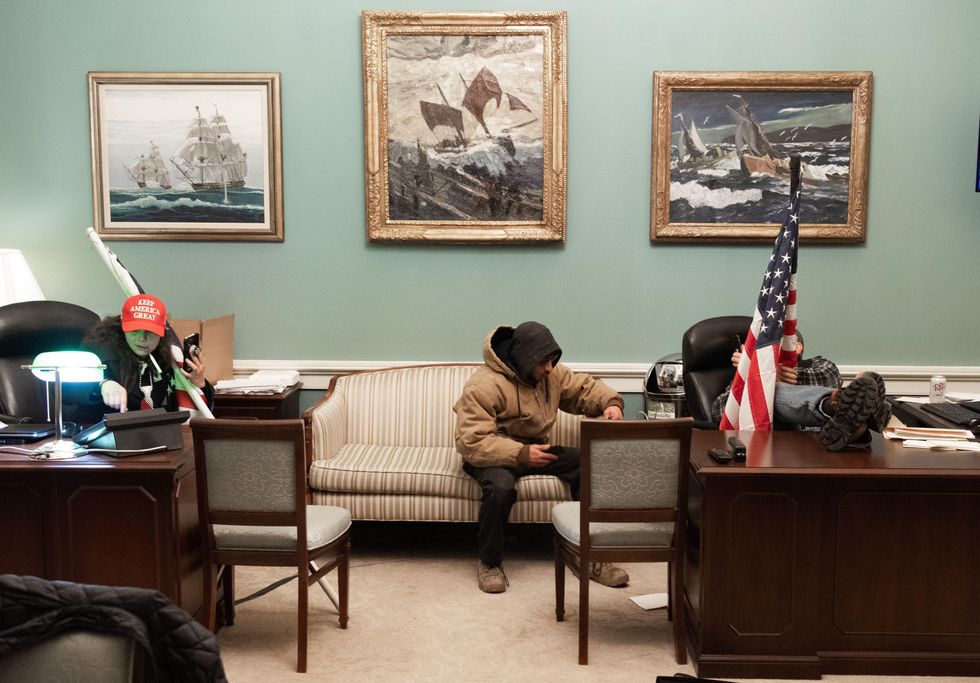
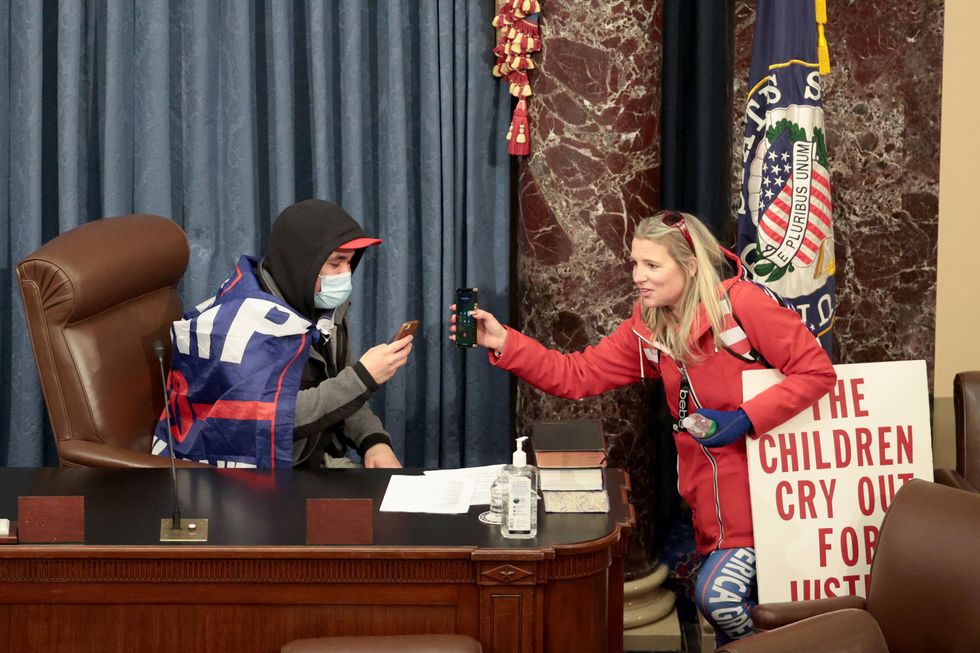
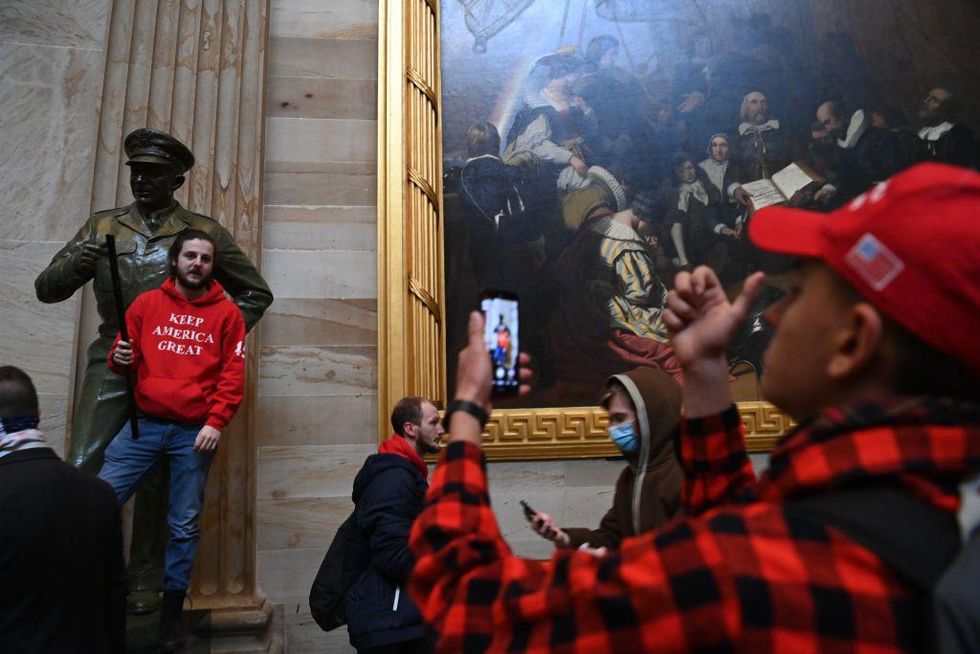
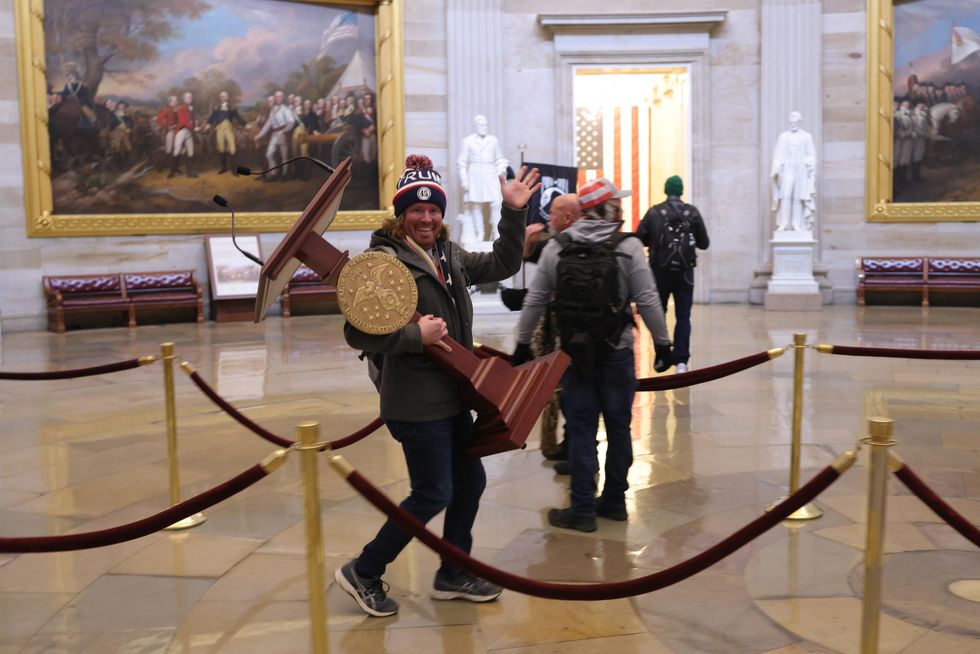
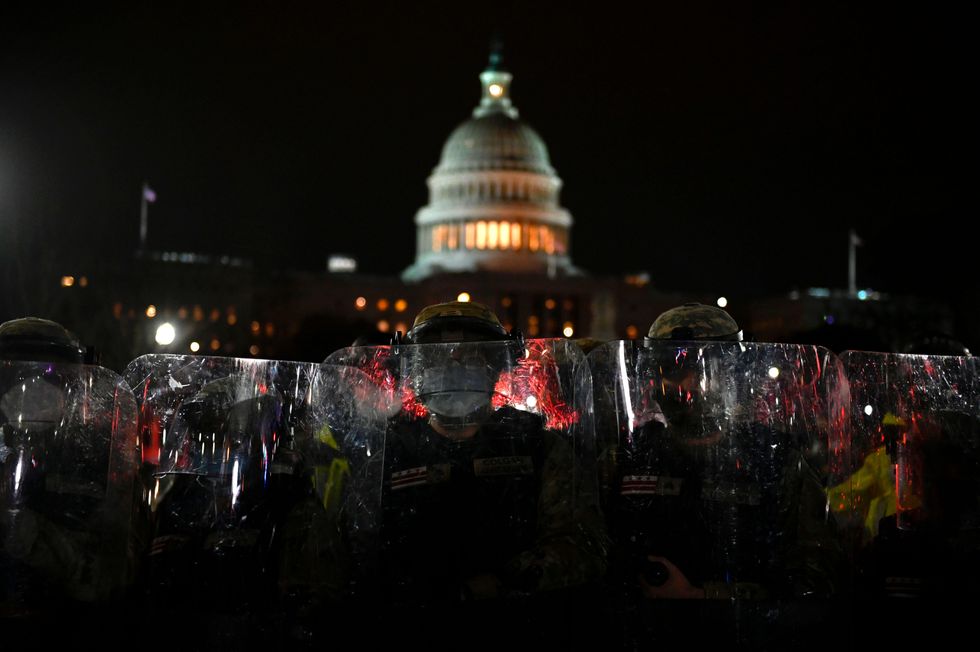
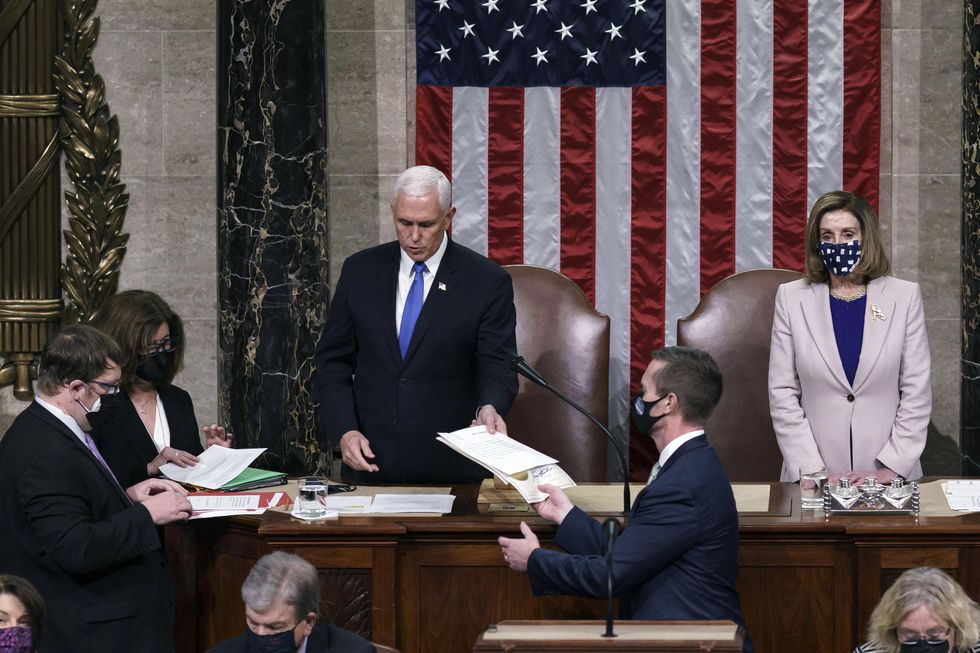
American democracy has been pushed to the precipice: A mob urged on by a defeated president rampaged through the Capitol as the whole world watched, before the unparalleled insurgency was put down and Congress reconvened to affirm early Thursday that a different president had without question been elected.

That summary hardly does justice to the shocking, heart-stopping images of the vandalism and violence fueling what amounted to an attempted coup — sedition incited by the most powerful person in the nation, the one most responsible for preserving and protecting the Constitution. Four years after an inaugural address in which he vowed that "American carnage stops right here," the very spot where President Trump stood was overwhelmed Wednesday with rioters wreaking carnage in his name.

There is no shortage of dogged reporting and smart analysis available elsewhere; the news is moving fast and our team is small. And pictures tell the story in ways words cannot convey. For those paying attention to Trump's steadily intensifying assault on the norms of our republic, his encouragement of the climatic occupation of the Capitol is little surprise. But for those worried about the lasting depth of our democracy's challenges, the memories captured in these photographs must never be forgotten.
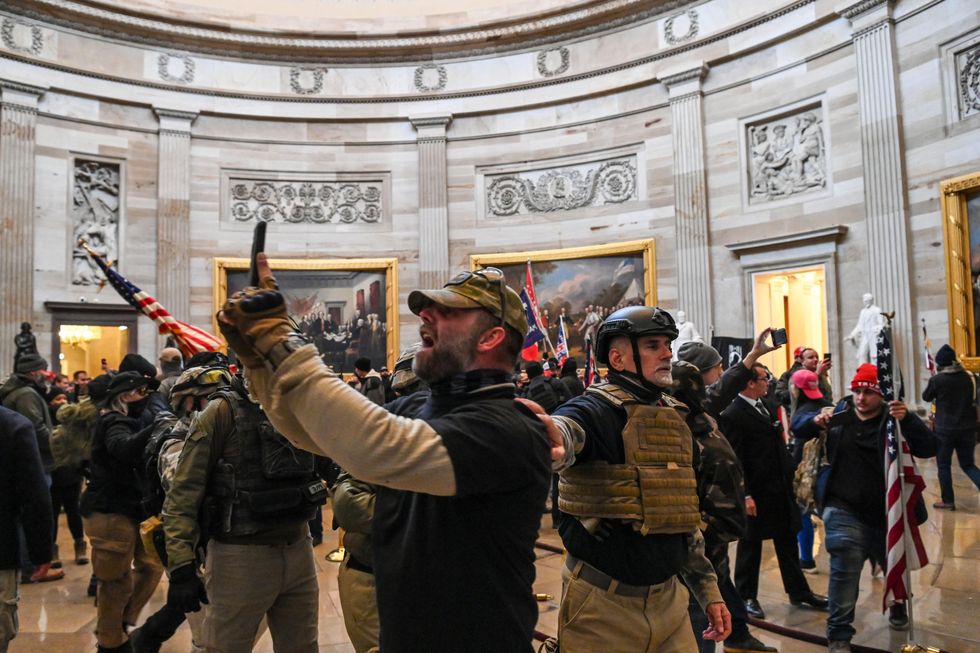
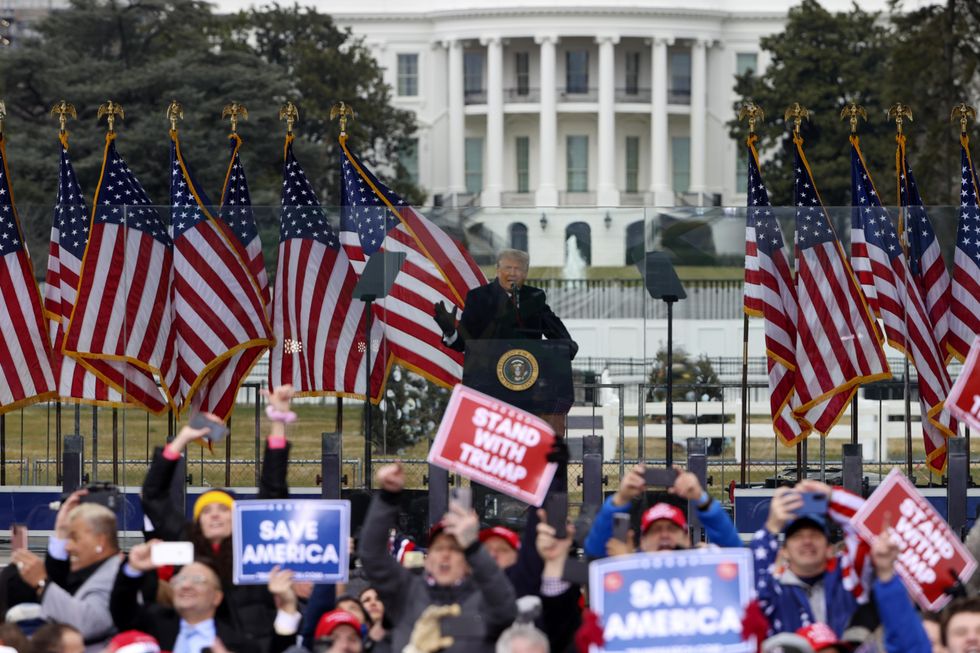
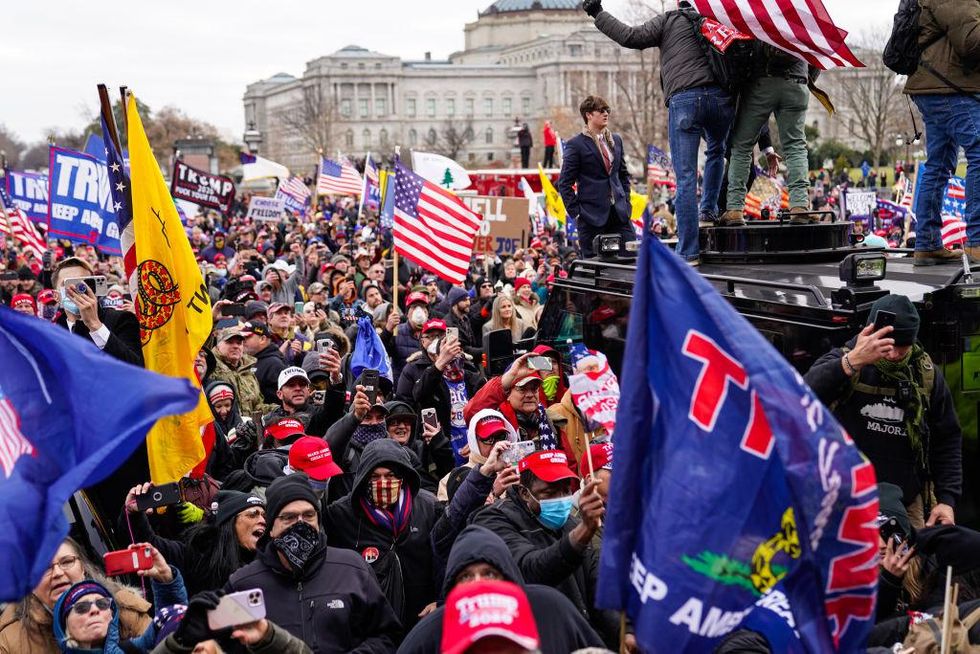
Pro-Trump rioters fill the Capitol Rotunda. (Saul Loeb/Getty Images)


Read More

Bill of Rights
Happy 230th birthday, Bill of Rights
leezsnow/Getty Images

The Enduring Illusion of Article the first

This is the first of three parts exploring “Article the First,” the forgotten proposal in the original Bill of Rights. For 237 years, a single, inverted word has created a “semantic illusion,” leading historians and policymakers to misread the founders' intended guarantee of a growing House as a ceiling. This series uncovers the error, tracks its consequences, and explores why reclaiming the founders’ original vision is the path to meaningful representation reform.

Part 1 — The Inverted Word

Keep ReadingShow less
Lawyers Must Defend the Rule of Law, as the Founders Intended
We the People billboard
Photo by Larry Alger on Unsplash

Lawyers Must Defend the Rule of Law, as the Founders Intended

The Declaration of Independence is an explanation for why the colonists wanted their own country, but it's mostly an indictment: a 27-count charging document against King George III for running a lawless government. “He has obstructed the Administration of Justice.” “He has made Judges dependent on his Will alone.” “He has erected a multitude of New Offices, and sent hither swarms of Officers to harass our people.”

It shouldn't be a surprise that so many of the 56 signers of the Declaration were lawyers. Lawyers swear an oath to the truth, to good faith, and to ethical conduct. In this year of the Declaration's 250th anniversary, it's important to remind lawyers of their oaths and their duty to defend against lawless, unethical behavior. At a time when it seems that more lawyers than ever are breaking faith with their oaths, the Declaration provides a model for how lawyers should respond.

Keep ReadingShow less
50501 Movement – Thomas Paine’s Political Philosophy in the 21st Century

circa 1770: The English-born American revolutionary philosopher Thomas Paine, (1737 - 1809), who wrote and published 'The Rights of Man', (1791 - 1792), in England. In it he expressed his support for the French Revolution and called for the overthrow of the British monarchy.

(Photo by Hulton Archive/Getty Images)

50501 Movement – Thomas Paine’s Political Philosophy in the 21st Century

The 50501 Movement can be viewed as a 21st-century manifestation of the anti-authoritarian, pro-egalitarian framework that Thomas Paine championed in Common Sense. Both movements share a core belief in challenging entrenched power and mobilizing the collective voice of everyday people to defend democracy. By utilizing decentralized, nationwide grassroots mobilization to challenge executive overreach and billionaire consolidation, the 50501 movement directly echoes Paine’s anti-authoritarianism, his belief in collective civic power, and his demand that power remains in the hands of the people.

The 50501 Movement mirrors the spirit of Paine’s Common Sense through three primary parallels:

Keep ReadingShow less
The Great American Grumpfest

Children watch a July Fourth Parade along the Walkway of Heroes and Independence Avenue on July 04, 2026 in Tappan, New York.

(Photo by Michael M. Santiago/Getty Images)

The Great American Grumpfest

Our nation’s 250th birthday party didn’t feel especially patriotic and wasn’t as much fun as the 200th anniversary was.

President Trump, who did his best to co-opt our holiday for his personal aggrandizement, was a major reason. The party he threw in Washington, D.C., was crankier than uplifting, and less about celebrating our shared past and a promising future than about reminding us how far we have strayed from our founders’ plan to create a republic that future Americans would keep in good working order.

Keep ReadingShow less