

Skip to content
Search

Latest Stories

Follow Us:
Top Stories

Time to engage the biggest electoral bloc: Americans who are not voters

Opinion

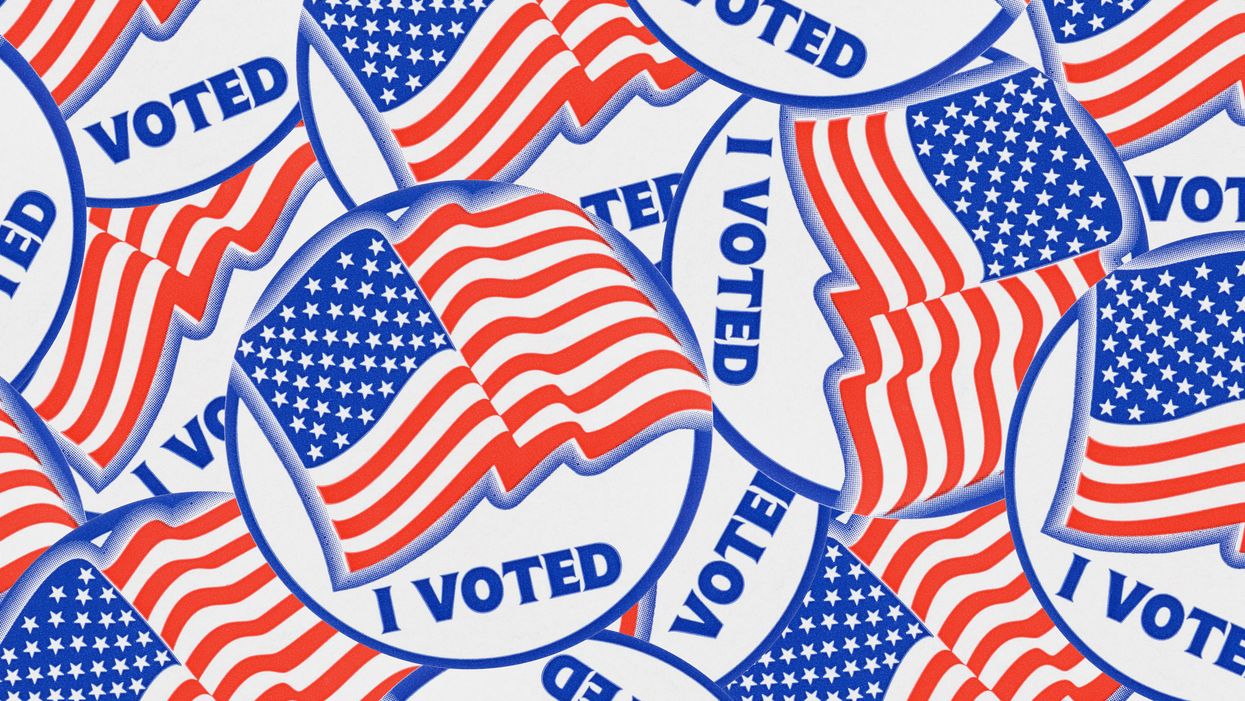
"I Voted" stickers
SKrow/Getty Images
Fisher is deputy director of Unite America, which works to enact and helps finance political reform efforts and candidates "who put people over party." (It is a donor to The Fulcrum.) This piece was originally published by Independent Voter News.

Had "Did Not Vote" been a candidate for president in 2016, they would have won handedly. With 41.3 percent of the vote, this block of the electorate significantly outpaced the share of all voters who chose Hillary Clinton (28.5 percent) or Donald Trump (27.3 percent).

Despite the best efforts of both parties to turn out citizens to the polls, voter apathy remains a well-documented reality of American politics. It's an especially alarming reality when compared to our peers. Of the members of the Organization for Economic Cooperation and Development, which represents the world's 32 richest and most developed countries, the United States ranks 26th in voter turnout by eligible citizens.

American nonvoters are the subject of recently released research, The 100 Million Project, commissioned by the Knight Foundation and the centerpiece for a Tuesday online forum on civic engagement sponsored by the Brennan Center for Justice.

Informed by a survey of 4,000 persistent non-voters nationwide and 8,000 persistent non-voters in 10 battleground states, the research is an invaluable contribution to our understanding of why many Americans don't exercise their civic duty.

The methodology used is unique in today's political industry. Almost always, pollsters terminate public opinion surveys as soon as respondents indicate they are unlikely to, or will not, vote in the next election. The result is an entire swath of the electorate whose attitudes and preferences go under analyzed and untold.

There are many reasons citizens don't vote, according to the research.

First and foremost, non-voters report a scarcity of candidates who truly motivate and inspire them to participate.

Second, they lack faith in the system; 48 percent of non-voters do not believe the results of elections represent the will of the people, and they are more likely than regular voters to believe election results are not reported accurately.

Third, non-voters are less likely to believe the actions of the president and other elected officials have an impact on their life.

And finally, news is viewed 25 percent less often by non-voters compared to voters, suggesting they are less informed.

There also remain simple reasons that dictate why voters don't participate, including high barriers to entry in our antiquated electoral systems.

We can help engage non-voters by making it easier to cast a ballot. Proactively mailing every voter a ballot — which is what will happen in just five states this year — could boost participation by up to 9 percent, according to new research. And the gains are equal across party affiliation and most likely to benefit constituencies that tend to vote less frequently — including young people, minorities and the poor.

To overcome the top reason why voters don't vote — a dearth of options they actually believe in — we should consider reforms that could lead to a multiparty democracy. Lee Drutman's recent book, "Breaking the Two-Party Doom Loop," argues that a combination of ranked-choice voting and multimember districts would open our system up to new competition, and likely give more Americans more reason to vote.

But perhaps non-voters will change behavior on their own. Surprisingly, 71 percent of the non-voters surveyed say they plan to vote in this year's presidential election, with 78 percent of those respondents saying they were absolutely certain. This seems to be because 57 percent believe the 2020 contest is more important than previous elections and only 33 percent believe the country is on the right track.

Of course, the political science literature is littered with consensus that the fact voters say they're going to vote is a terrible indicator for if they actually will.

Candidates, political consultants and organizations who often consume themselves with only engaging the most likely to vote should consider whether — by engaging America's largest political constituency — they take the lead in creating a more representative and functional government.

Visit IVN.us for more coverage from Independent Voter News.


Read More

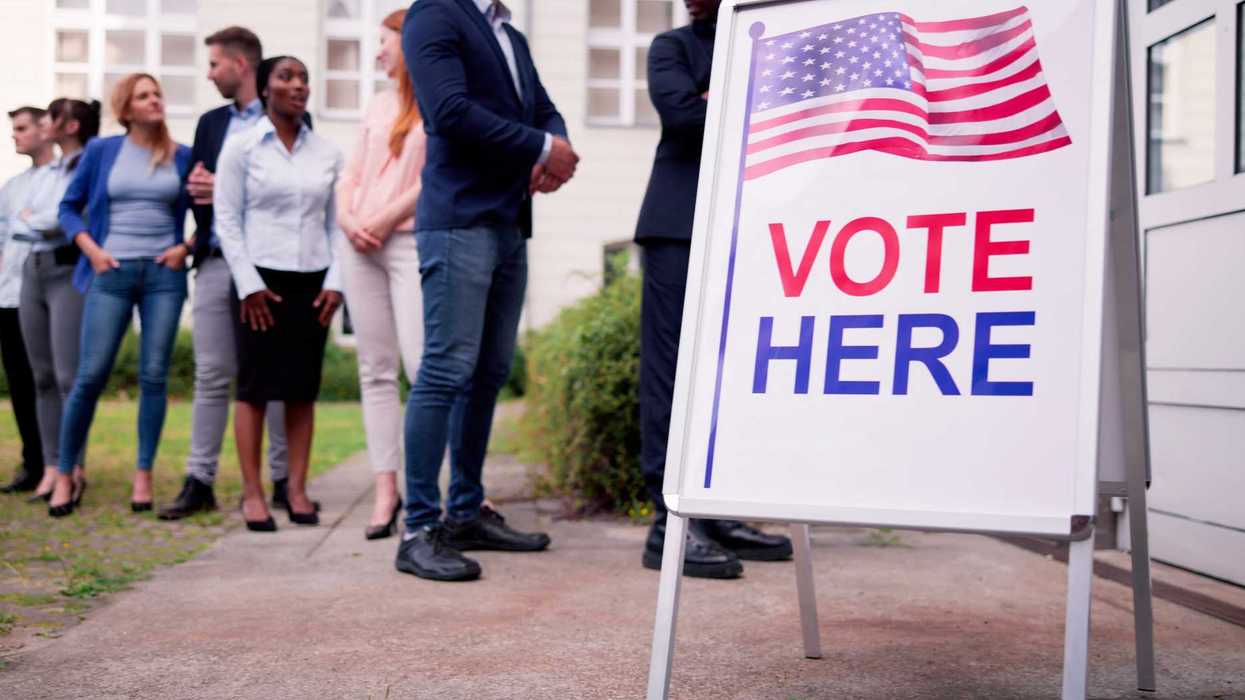
With the focus on the voting posters, the people in the background of the photo sign up to vote.

Should the U.S. nationalize elections? A constitutional analysis of federalism, the Elections Clause, and the risks of centralized control over voting systems.

Getty Images, SDI Productions

Why Nationalizing Elections Threatens America’s Federalist Design

The Federalism Question: Why Nationalizing Elections Deserves Skepticism

The renewed push to nationalize American elections, presented as a necessary reform to ensure uniformity and fairness, deserves the same skepticism our founders directed toward concentrated federal power. The proposal, though well-intentioned, misunderstands both the constitutional architecture of our republic and the practical wisdom in decentralized governance.

The Constitutional Framework Matters

The Constitution grants states explicit authority over the "Times, Places and Manner" of holding elections, with Congress retaining only the power to "make or alter such Regulations." This was not an oversight by the framers; it was intentional design. The Tenth Amendment reinforces this principle: powers not delegated to the federal government remain with the states and the people. Advocates for nationalization often cite the Elections Clause as justification, but constitutional permission is not constitutional wisdom.

Keep ReadingShow less
Postal Service Changes Mean Texas Voters Shouldn’t Wait To Mail Voter Registrations and Ballots

A voter registration drive in Corpus Christi, Texas, on Oct. 5, 2024. The deadline to register to vote for Texas' March 3 primary election is Feb. 2, 2026. Changes to USPS policies may affect whether a voter registration application is processed on time if it's not postmarked by the deadline.

Gabriel Cárdenas for Votebeat

Postal Service Changes Mean Texas Voters Shouldn’t Wait To Mail Voter Registrations and Ballots

Texans seeking to register to vote or cast a ballot by mail may not want to wait until the last minute, thanks to new guidance from the U.S. Postal Service.

The USPS last month advised that it may not postmark a piece of mail on the same day that it takes possession of it. Postmarks are applied once mail reaches a processing facility, it said, which may not be the same day it’s dropped in a mailbox, for example.

Keep ReadingShow less
Post office trucks parked in a lot.

Changes to USPS postmarking, ranked choice voting fights, costly runoffs, and gerrymandering reveal growing cracks in U.S. election systems.

Photo by Sam LaRussa on Unsplash.

2026 Will See an Increase in Rejected Mail-In Ballots - Here's Why

While the media has kept people’s focus on the Epstein files, Venezuela, or a potential invasion of Greenland, the United States Postal Service adopted a new rule that will have a broad impact on Americans – especially in an election year in which millions of people will vote by mail.

The rule went into effect on Christmas Eve and has largely flown under the radar, with the exception of some local coverage, a report from PBS News, and Independent Voter News. It states that items mailed through USPS will no longer be postmarked on the day it is received.

Keep ReadingShow less
People voting at voting booths.

A little-known interstate compact could change how the U.S. elects presidents by 2028, replacing the Electoral College with the national popular vote.

Getty Images, VIEW press

The Quiet Campaign That Could Rewrite the 2028 Election

Most Americans are unaware, but a quiet campaign in states across the country is moving toward one of the biggest changes in presidential elections since the nation was founded.

A movement called the National Popular Vote Interstate Compact (NPVIC) is happening mostly out of public view and could soon change how the United States picks its president, possibly as early as 2028.

Keep ReadingShow less