Skip to content
Search

Latest Stories

Top Stories

Podcast: migration a way to escape government barriers inside and out
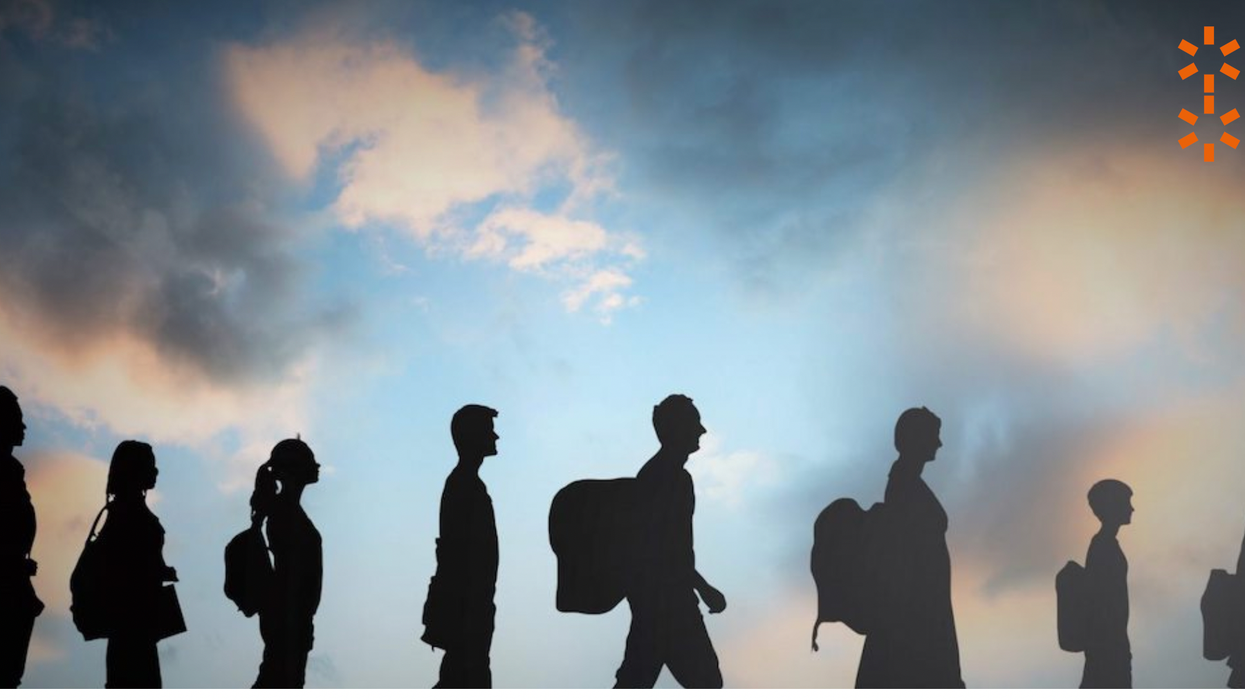
Podcast: migration a way to escape government barriers inside and out
Ilya Somin, Professor of Law at George Mason University, and the author of Free to Move: Foot Voting, Migration, and Political Freedom, joins host T.J. O’Hara on Deconstructed to explore migration between cities, states, countries, and even within the private sector to escape government barriers, overreach, and oppression. Professor Somin is a broadly published author and political commentator whose work has been featured by virtually every major media outlet both in print and on the air. His new book dissects migration at every level and the value it can bring.

Listen now


Read More

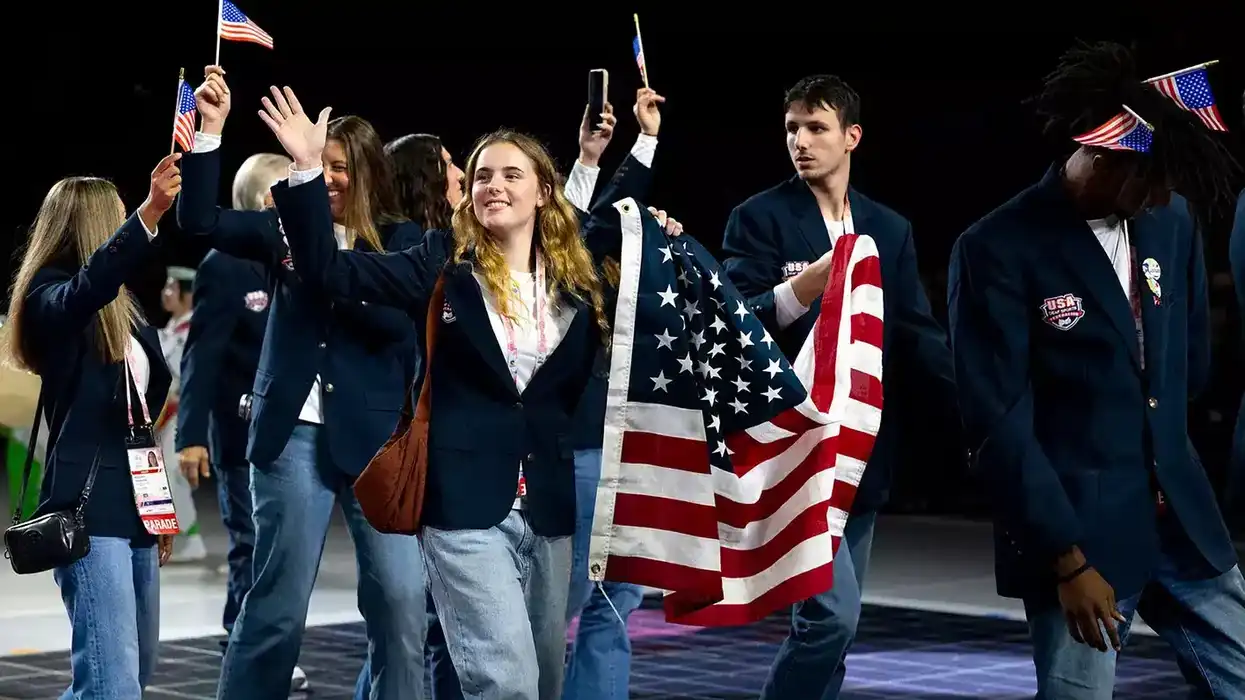
​U.S. Deaf athletes celebrated at the Opening Ceremony of the 25th Summer Deaflympics

U.S. Deaf athletes celebrated at the Opening Ceremony of the 25th Summer Deaflympics on November 15, 2025, in Tokyo, Japan.

(Hugh Carey, USA Deaf Sports Federation)

The USOPC Ought to Reassess the Ted Stevens Act

Last month was National Deaf Awareness Month.

It is a time to raise awareness of Deaf culture and language and to advocate for the rights and inclusion of Deaf and Hard of Hearing individuals.

Keep ReadingShow less
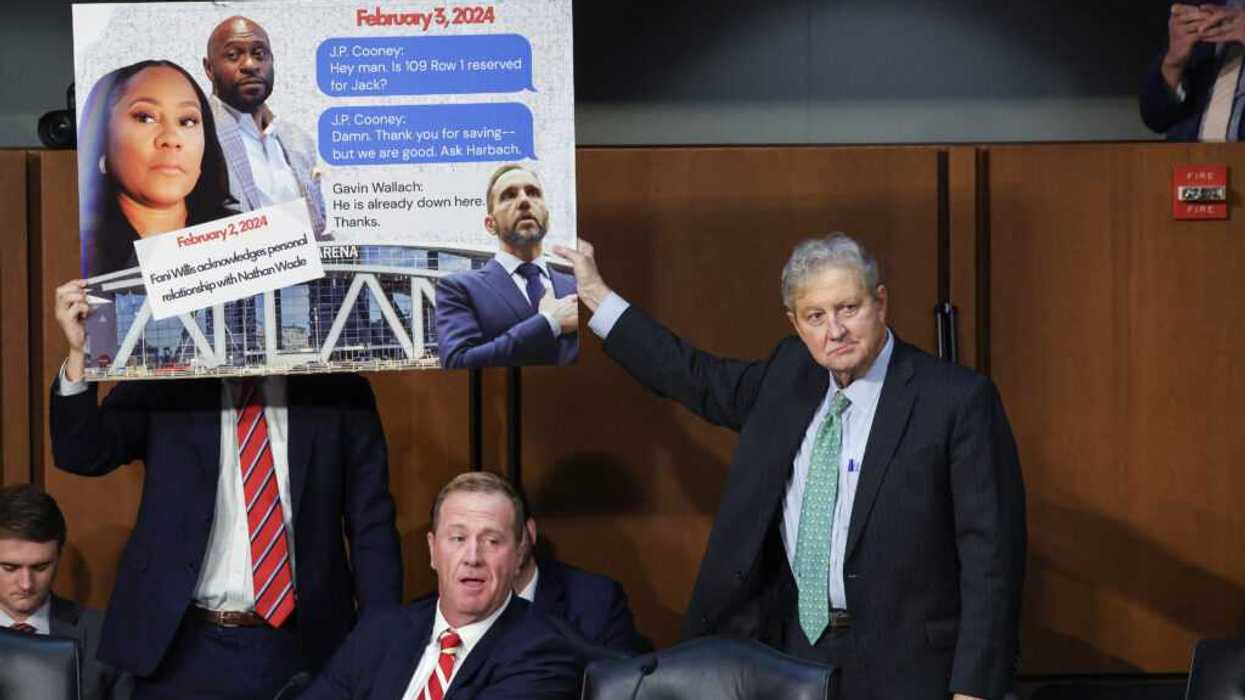
John Kennedy display a sign

John Kennedy display a sign accusing former Special Counsel Jack Smith of meeting with Fulton County, Georgia, District Attorney Fani Willis during a hearing before the Senate Judiciary Committee in the Hart Senate Office Building on Sept. 29, 2026, in Washington, D.C. The committee is holding the hearing to examine Smith’ s probe into Donald Trump.

(Getty Images)

Schmitt’s smoking gun backfires on him

Tuesday was supposed to be a big day for Missouri Sen. Eric Schmitt, a little-known first-term junior Senator whose main claim to fame thus far was the 25 lawsuits he filed against President Joe Biden’s administration in a span of 20 months while Missouri’s attorney general.

But congressional hearings have long been a place not to do actual legislating but to make a name for oneself, and Schmitt was going to take his opportunity on Tuesday, when he got to question former Special Counsel Jack Smith in the Senate Judiciary Committee.

Keep ReadingShow less
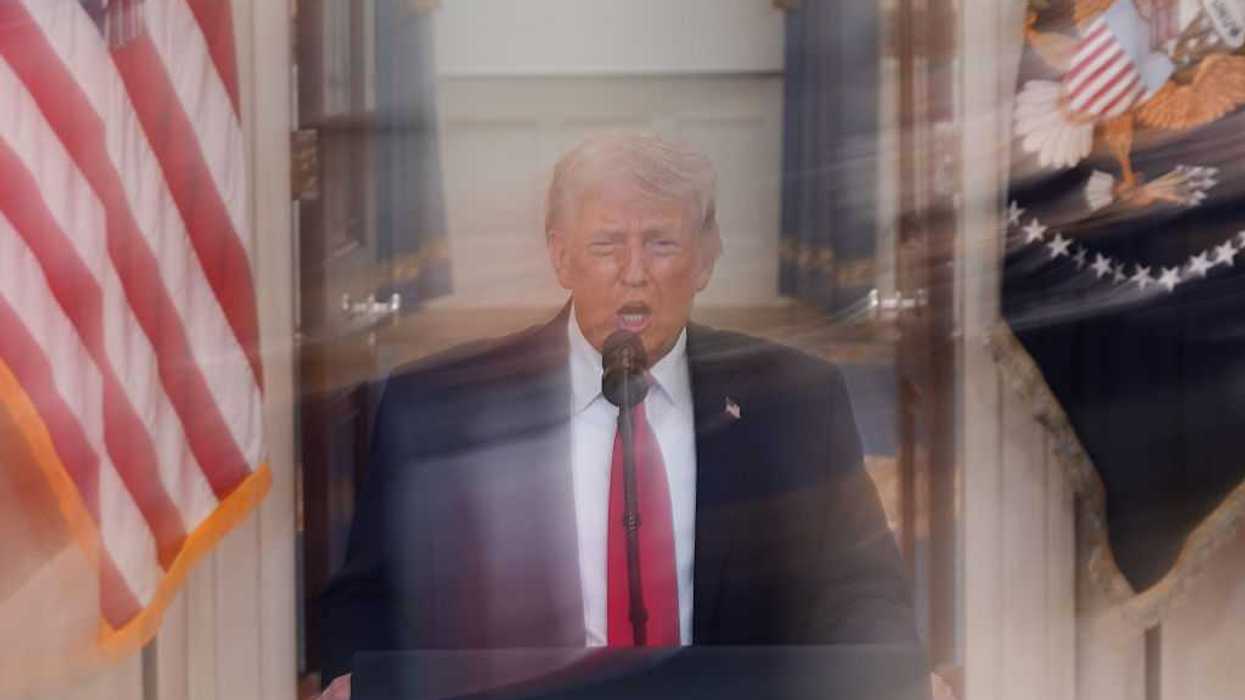
 U.S. President Donald Trump speaks from the Cross Hall of the White House on April 1, 2026 in Washington, DC.

U.S. President Donald Trump speaks from the Cross Hall of the White House on April 1, 2026 in Washington, DC.

Pool/Getty Images

How Presidential Primetime Addresses Shape Public Trust in Democratic Institutions

A question still being studied is the effects on public trust when the head of the Executive casts doubt on the institutions that run elections, enforce laws, and decide legal disputes. The President of the United States is arguably the most powerful man in the world. He is the commander in chief of a nation #1 in nominal gross domestic product as well as #1 in military power, budget, and spending as of 2026. The actions he takes spew ripple effects across the world and follow many generations. A way you can measure the executive's power can also be measured in how much influence his speeches have on the markets, opinions of the masses, news outlets, lawmakers, social media reactions, etc. His framing of an issue can shape the next day’s political conversation.

These conversations become extremely dangerous/consequential when discussing a principle as embedded in our country as Democracy. In his July primetime speech, Trump continued to pedal the claims about election security and argued for stricter voting rules. He continued to portray the country as facing a moment of corruption and uncertainty, followed by presenting himself as the one prepared to restore order. The address continued with repeated claims about his loss in the 2020 election that have not been supported by the evidence compiled over years of investigation by many parties. Professional reviews, audits, and courts have yet to find significant evidence of foul play substantial enough to influence the outcome of that election.

Keep ReadingShow less
unrecognizable businessman giving speech to professional audience

Brain science explains why voters reward charisma over results — and why the leaders who "fix" the most get credit for the least. A behavioral look at elections.

alvaro gonzalez/Getty Images

The Résumé Should Outvote the Smile

There's an old joke about a couple who finally solved years of arguing over decisions. "Since you're the man of the house," the wife said, "you handle the big things -- our stance on foreign wars, who we send to the Senate. I'll take care of the small stuff: groceries, the mortgage, where we live, what we eat." The husband agreed happily, certain he had won the better half of the deal. A few years later he realized the trade had gone entirely the other way. He held forth on geopolitics at dinner parties while his wife quietly ran every detail that actually touched his life: what he ate, where he lived, how his money was spent. What looked like ultimate authority was, in practice, near-total abdication over the things that shaped his days.

Voters make the same trade, and pay for it the same way. We keep hiring leaders for the qualities we would want in a spouse -- warmth, charm, a commanding voice, the sense that they see us -- instead of the qualities we would want in a mechanic: someone who can find what is broken and fix it before the whole system fails. We evaluate candidates the way we choose intimate partners, not the way we hire people to run complex, high-stakes systems.

Keep ReadingShow less