


Skip to content
Search

Latest Stories

Follow Us:
Top Stories

Video: Infrastructure past, present and future

Infrastructure: past, present, and future
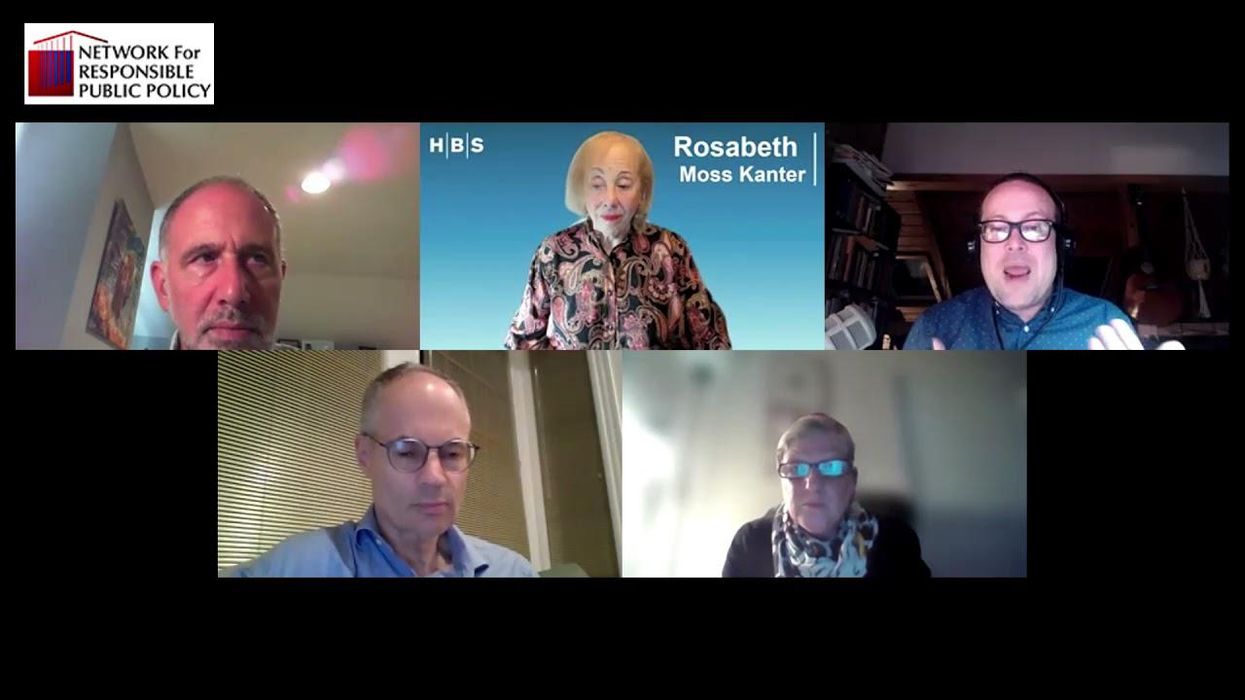
Infrastructure has been the bedrock to America’s development and progress. Roads to highways, dams, bridges, electric grids, railways and then airports and now Internet and more. Can we learn from history, assess current needs, understand the economics and have a vision for our future? The team from the Network for Responsible Public Policy discusses infrastructure’s past, present and future.


Read More

Woman struggling to pull blue donkey with rope

How can the Democratic Party regain public trust? Ronald Hirsch argues for a renewed mission centered on equality, opportunity, fiscal responsibility, and American democracy.

Klaus Vedfelt / Getty Images

Can the Democratic Party Still Lead?

During the 20th century and for the first part of the 21st, the Democratic Party certainly led the nation in advancing the cause of equality and the ability of people to pursue their right to life, liberty, and happiness. At the same time, they led the nation by increasing its military might and advancing its power around the world to protect the human rights of others.

The American worker would likely still be toiling for low wages in industrial hell-holes were it not for the laws that Democratic-led Congresses passed to increase the rights of workers vis-a-vis employers and the rights of unions. Black individuals and other people of color would still be burdened by widespread discrimination—official and otherwise—were it not for the laws that Democratic-led Congresses passed to protect their rights as American citizens. This is not to say that we have achieved equality, but we have made much progress.

Keep ReadingShow less
As Cruelty Normalizes, America’s Authoritarian Drift Deepens

Josh Hokit on April 11, 2026 in Miami, Florida.

(Photo by Carmen Mandato/Getty Images)

As Cruelty Normalizes, America’s Authoritarian Drift Deepens

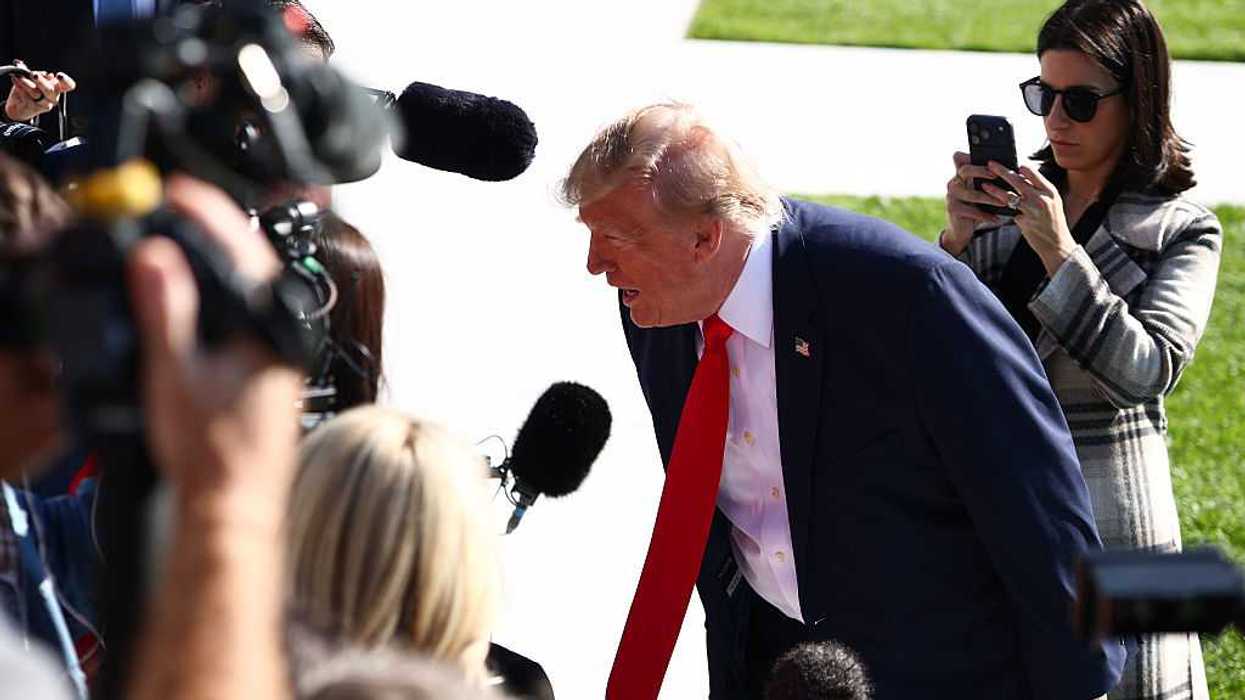
It happened in a moment so small that many viewers may have missed it. After a UFC fight, athlete Josh Hokit used his victory speech not to celebrate his win but to demean former First Lady Michelle Obama, repeating a long‑running racist and sexist trope by calling her a man. Standing beside him, the President of the United States did not correct him. He did not defend a woman who served this country with dignity. He did not reject the bigotry embedded in the remark. Instead, he offered a smirk — a half‑smile of approval that traveled farther than any microphone could carry.

That smirk mattered. It was a signal. And millions recognized it for exactly what it was.

Keep ReadingShow less
The Roots We Planted: How U.S. Foreign Policy Shaped the Immigration Crisis

Supporters of Nicolas Maduro burn a United States flag during a gathering near Miraflores palace after explosions and low-flying aircraft were heard in the early hours on January 03, 2026 in Caracas, Venezuela.

(Photo by Jesus Vargas/Getty Images)

The Roots We Planted: How U.S. Foreign Policy Shaped the Immigration Crisis

“Right now, we have more workers than at any time in the history of our country…And people want to come in, and in some cases, they want to take advantage of that, and that’s okay,” President Donald Trump said in a 2018 statement. “And we want them to come in, but they have to come in through merit.”

These narratives paint a vivid picture of America’s struggle with immigration: a "city on a hill" slowly becoming overrun by foreign nationals, purportedly due to open-border policies. The rhetoric suggests the United States suffers from its own success, attracting immigrants who arrive in search of "government handouts" or to evade criminal charges.

Keep ReadingShow less
Money in politics
money in politics
erhui1979/Getty Images

Rekindling The Founders’ Hopes

America was born out of rebellion against oligarchy.

When a majority of citizens disagree with economic elites and/or with organized interests, they generally lose.

Keep ReadingShow less