
Amid the political and military standoff among the United States, Israel, and Iran, it is civilians — the people with no say in these decisions — who bear the fear, disruption, and uncertainty of every strike and escalation. This week, The Fulcrum’s executive editor, Hugo Balta, reports from Israel with a single aim: to humanize the war by focusing not on the spectacle of Operation Epic Fury, but on the ordinary lives being reshaped by it.
Jerusalem’s Old City — long treated as a symbolic red line by regional actors — is now squarely within the trajectory of the War of Redemption, exposing the limits of deterrence and the growing entanglement of local communities in a broader geopolitical confrontation.
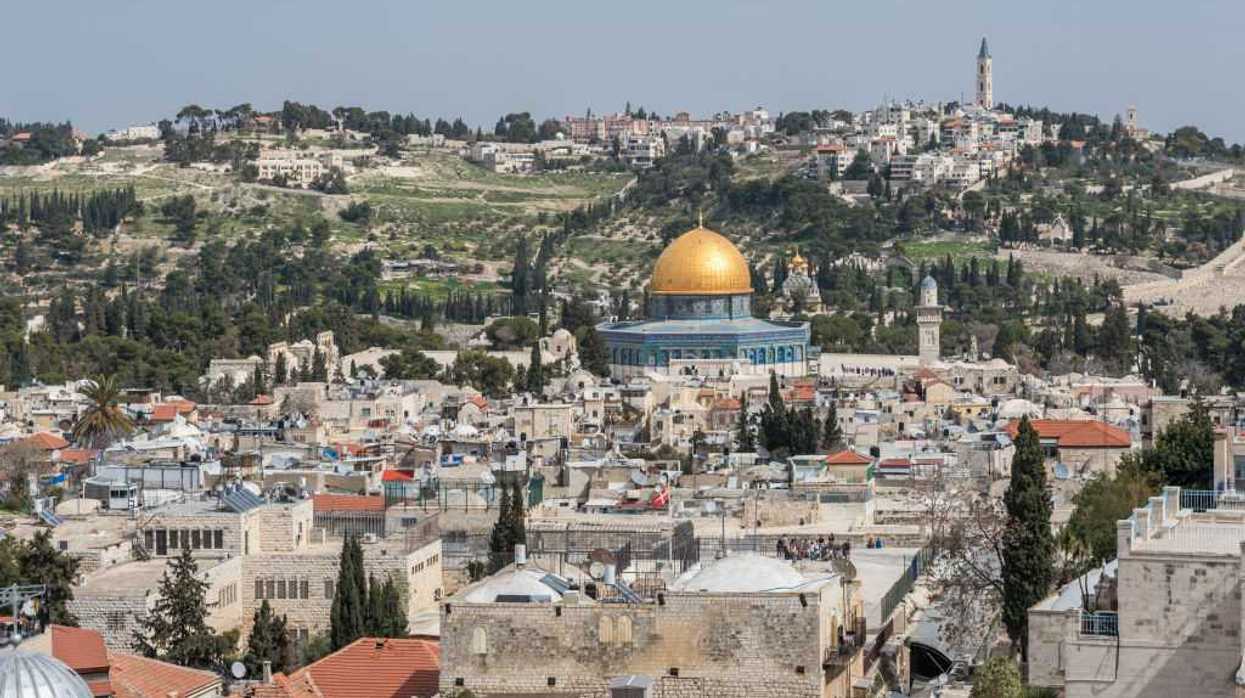
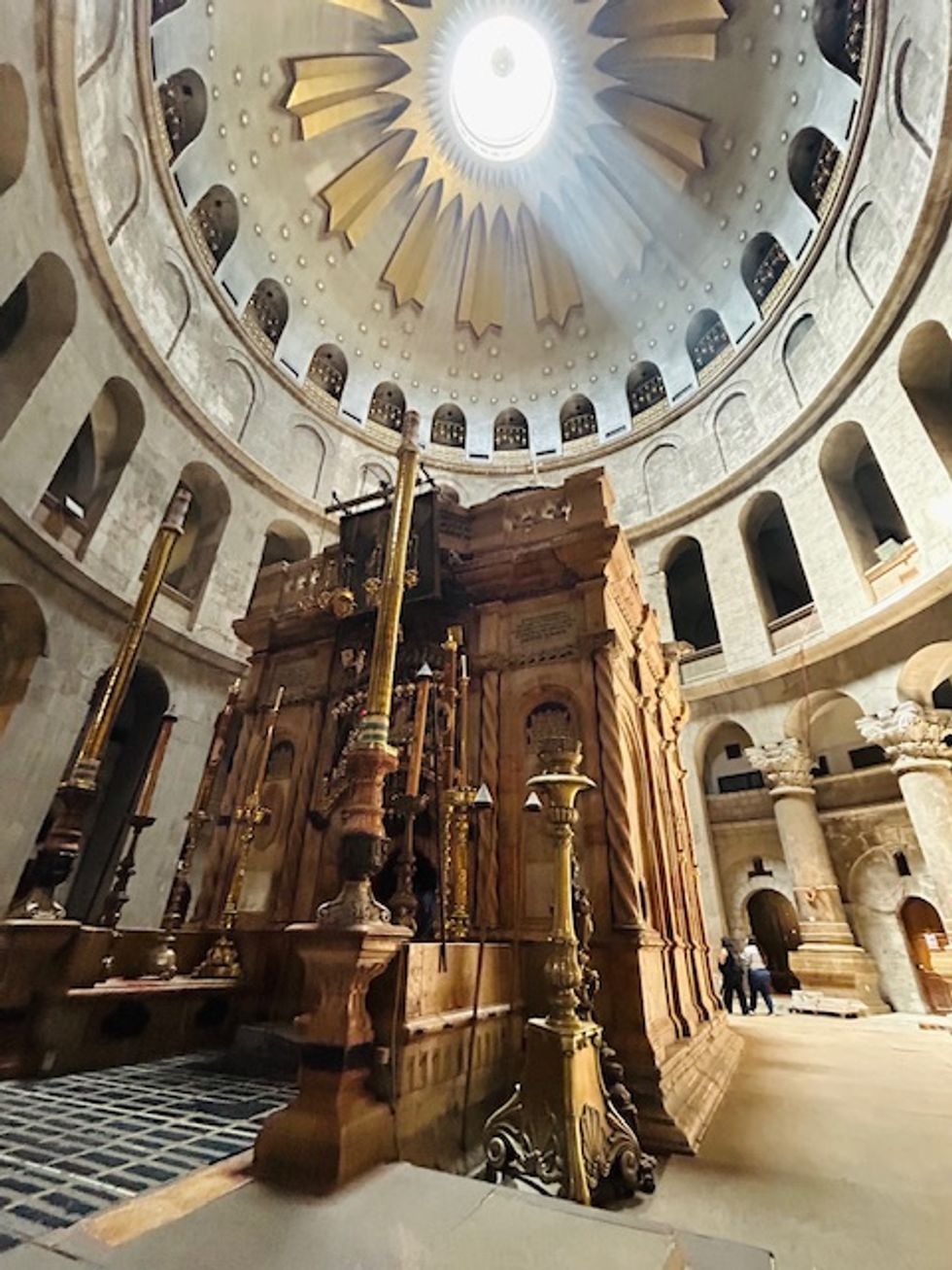
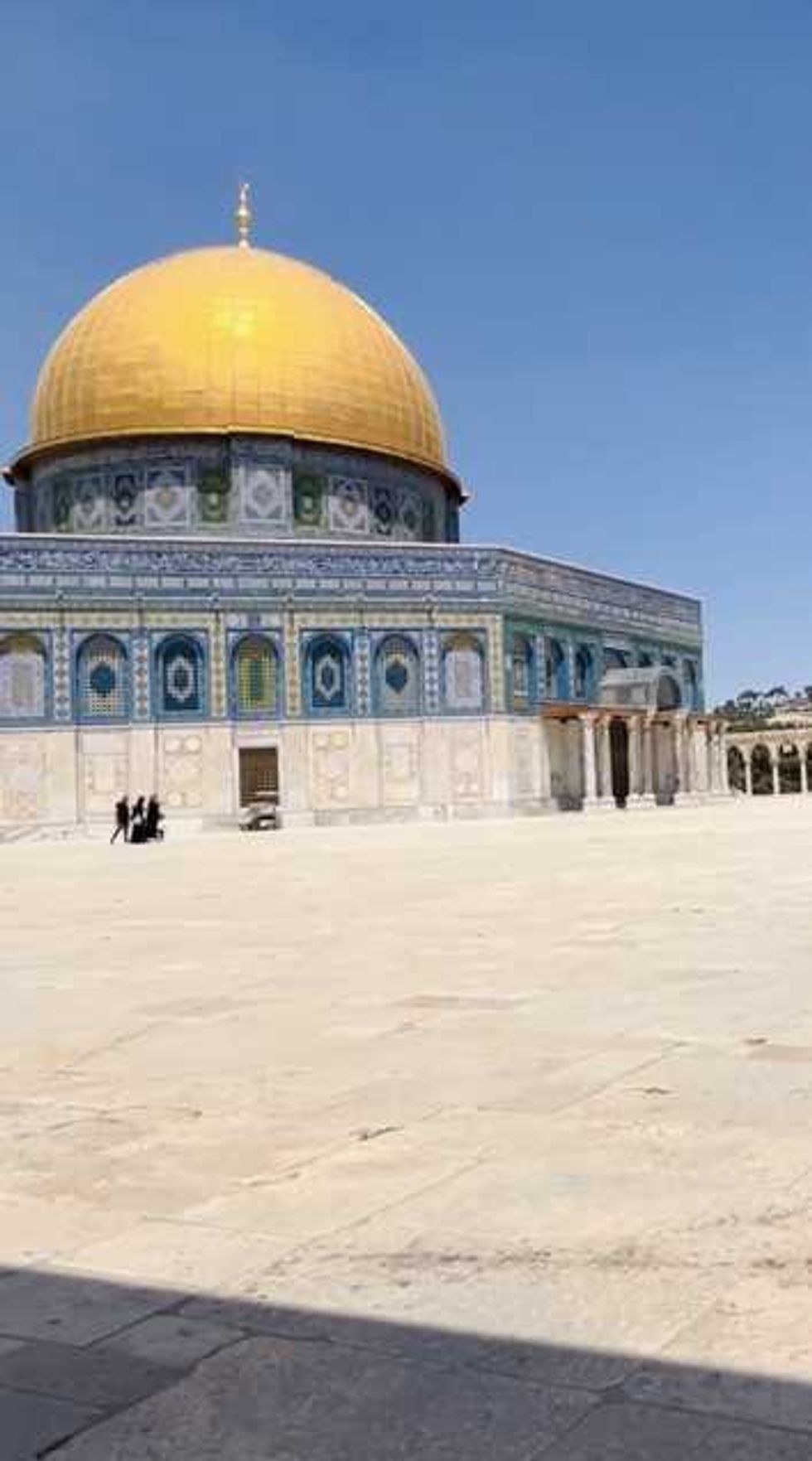
During my recent visit to the Old City, the impact of the conflict was immediately visible. The usual flow of pilgrims and tourists around the Western Wall, the Dome of the Rock, and the Church of the Holy Sepulcher had been replaced by near‑silence. Local guides described the atmosphere as a city holding its breath, a sentiment that proved prescient.
On March 20, an intercepted Iranian ballistic missile broke apart over the Old City, scattering debris across all four quarters. The strike — the first time Iranian missile fragments had fallen inside the walls — marked a significant escalation. Analysts say the incident demonstrated Iran’s willingness to test Israel’s air‑defense saturation point and to challenge the symbolic core of Israeli sovereignty. Israeli officials, meanwhile, framed the attack as evidence of Iran’s expanding regional reach and the need for sustained military pressure.
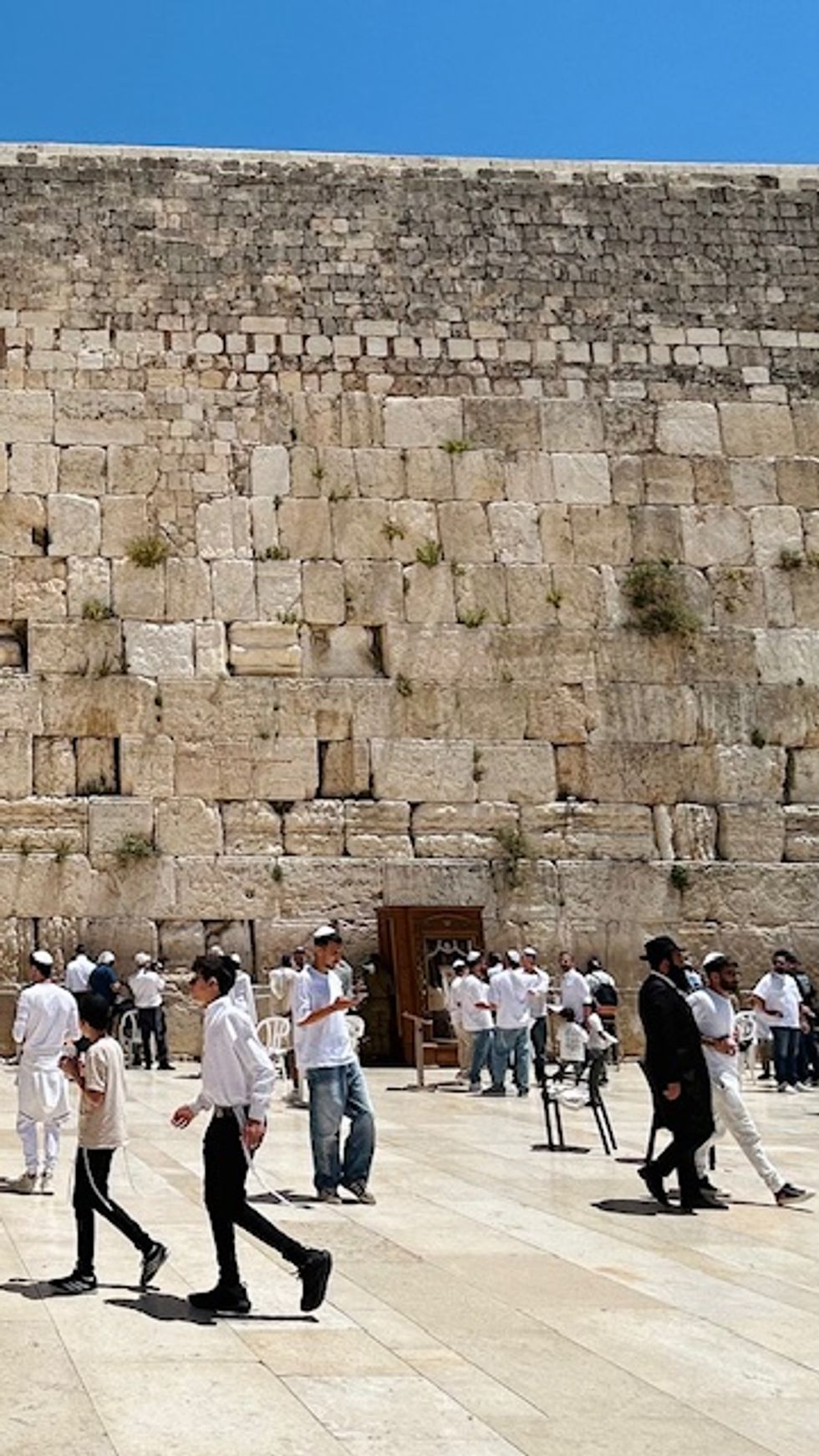
The Western Wall
Local Impact Reflects Broader Strategic Shifts
In the Muslim Quarter, the collapse of tourism — from 4.4 million visitors in 2019 to 330,000 in 2024 — has accelerated an economic crisis that predates the current war. The 37‑day closure of the Al‑Aqsa Mosque compound, imposed under security regulations, and severe Ramadan access restrictions fueled perceptions that the conflict was reinforcing long‑standing political marginalization. Regional analysts note that these measures have become a rallying point for Iran‑aligned actors, who frame the closures as evidence of Israeli overreach.
In the Jewish Quarter, residents described air‑raid sirens as routine. Even as many support the state’s defense efforts, a fierce internal debate has erupted over Prime Minister Benjamin Netanyahu for not standing up to American pressure, particularly regarding a Lebanon cease-fire. Yet the dominant narrative is one of national resilience in the face of what many view as a uniquely dangerous adversary.
The Christian Quarter has experienced both physical and social fallout. The closure of the Church of the Holy Sepulcher during Holy Week — unprecedented in modern memory — followed damage from falling missile debris and heightened security concerns. Church leaders from the Latin, Greek Orthodox, and Armenian communities issued coordinated statements warning of “expanding wreckage” and a deteriorating environment for Christian institutions.
These concerns intensified after Israeli prosecutors indicted a Jewish man accused of assaulting a Christian nun near the Via Dolorosa. Authorities described the incident as religiously motivated. Christian leaders welcomed the indictment but warned that such attacks are becoming more frequent, contributing to a sense of shrinking space for Christian life in the city.
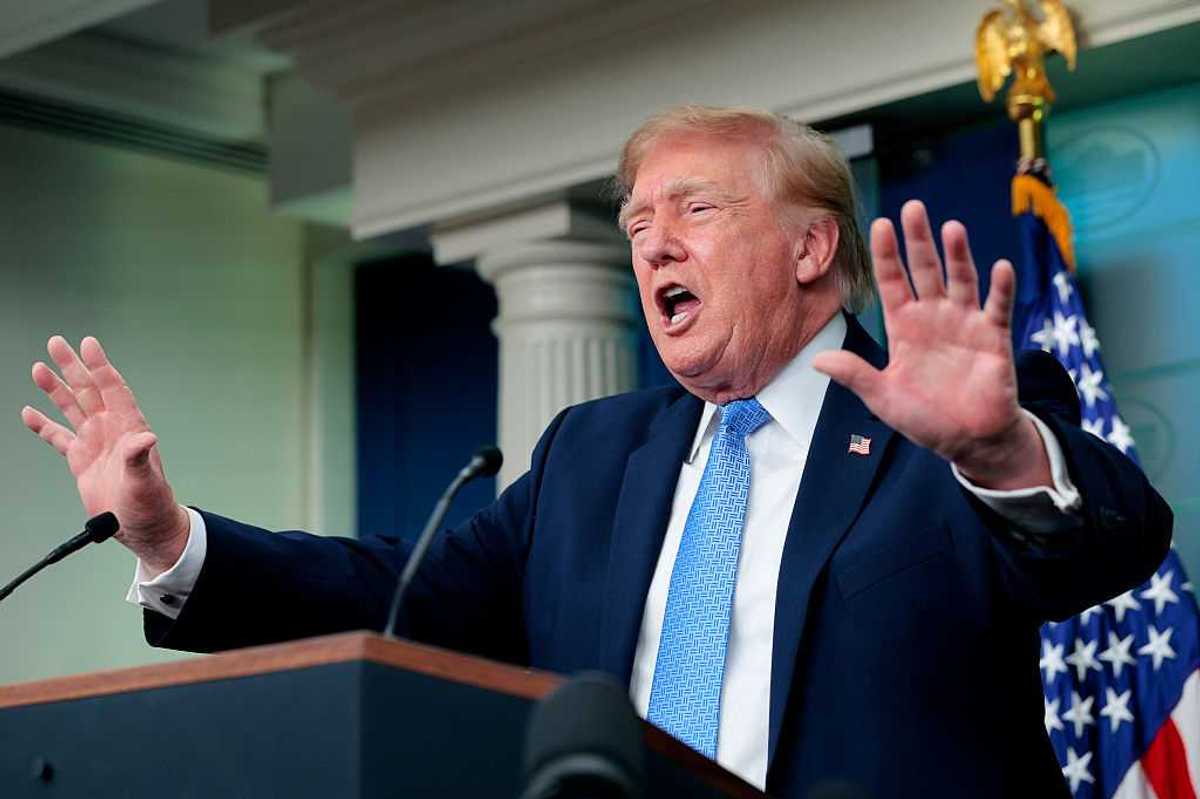
The Vatican also entered the debate. In early April, Pope Leo issued a forceful call for an immediate cease-fire, criticizing both Iran’s missile campaign and Israel’s military response for inflicting disproportionate harm on civilians. The Pontiff's remarks drew sharp rebukes from President Donald Trump and Israeli officials, as well as dismissive commentary from Iranian state media. Diplomats say the Pope’s intervention underscores growing international concern about the conflict’s humanitarian and symbolic implications.
In the Armenian Quarter, residents face a dual threat: Iranian missile fire from above and intensifying pressure from radical settler groups on the ground. Ongoing disputes over land deals have heightened fears of displacement, with some community members describing the situation as ethnic cleansing under the cover of war. In response, Armenians have begun organizing community‑based security patrols — a sign of diminishing confidence in state protection.
Walking through the Old City, I saw four distinct communities living side by side in a fragile but unmistakable harmony, a reality that stood in stark contrast to the widespread conflict often portrayed in mainstream media. "The problem is the establishment. They create the problem," said Monica Rabotnicoff Stolarz, Jerusalem resident. "People want to live in peace. People want the stores to be open, filled with tourists. They want to prosper," said the veteran tour guide.
- YouTube youtu.be
Economic and Cultural Risks Mount
Across all four quarters, small businesses — the backbone of the Old City’s economy — are expected to close in record numbers this year. Traders say state compensation covers only a fraction of their losses. Policy analysts warn that prolonged instability, combined with the temporary closure of major religious sites, risks accelerating cultural erosion and undermining the city’s multi‑faith character.
Jerusalem’s Old City is now a frontline not only of military confrontation but of competing geopolitical narratives. Iran portrays the missile strikes as part of a broader campaign to challenge Israeli and Western influence. Israel frames its response as a necessary defense against an expanding Iranian network stretching from Lebanon to Yemen. International actors — from the Vatican to Gulf states — are increasingly vocal, each interpreting the conflict through their own strategic lens.
"From the outside (of Jerusalem), things look different," said Rabotnicoff Stolarz. "The media generally publishes whatever sells. What sells is conflict—it is blood. But living here, inside the Old City, there is a great deal of harmony."
What is clear on the ground is that the Old City’s residents are bearing the brunt of decisions made far beyond its walls. As the conflict continues, the question is no longer whether Jerusalem will be affected, but how deeply the geopolitical struggle will reshape the city’s religious, economic, and cultural landscape.
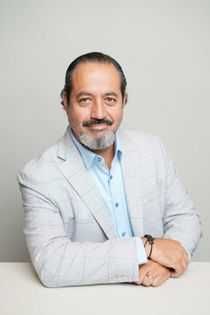
Hugo Balta is the executive editor of The Fulcrum and the publisher of the Latino News Network.
Coverage of this report was made possible in part with support from Fuente Latina.



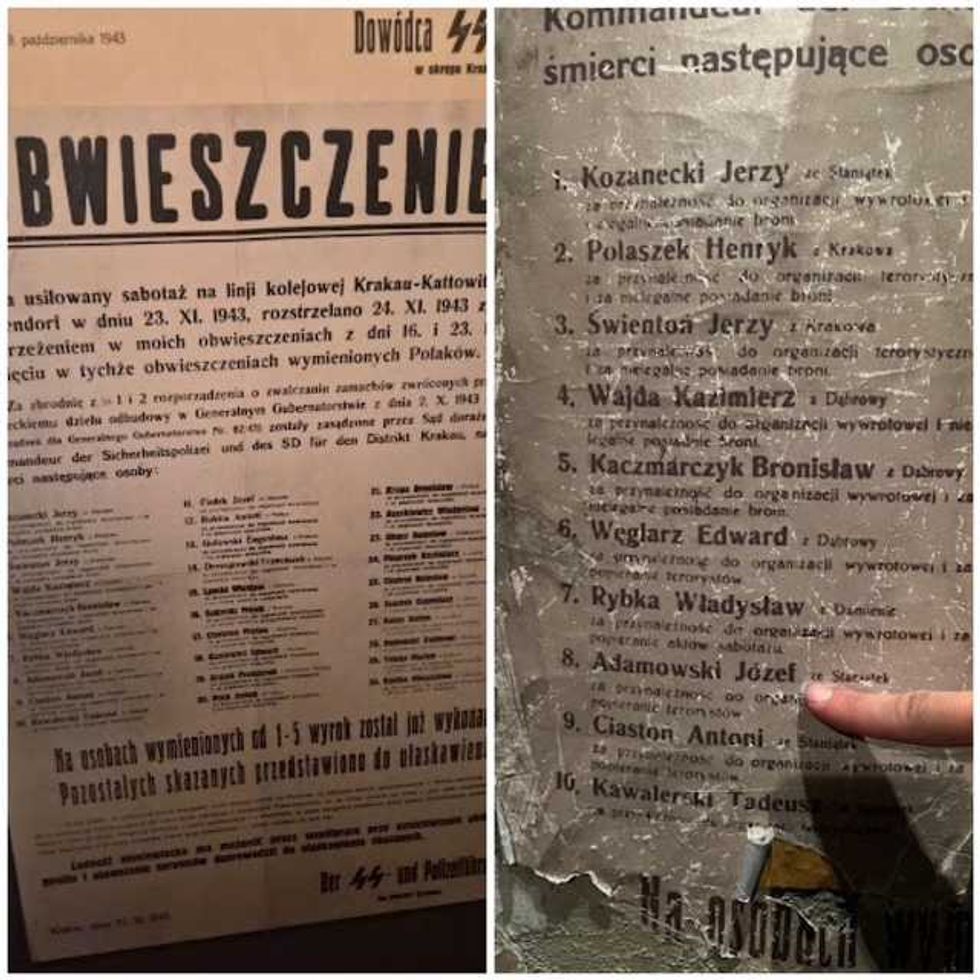 His name, Jozef Adamowaski, can be found next to the number 8, on the second floor, right after the Underground Uprising in Poland and right before entering Schindler’s office throughout the
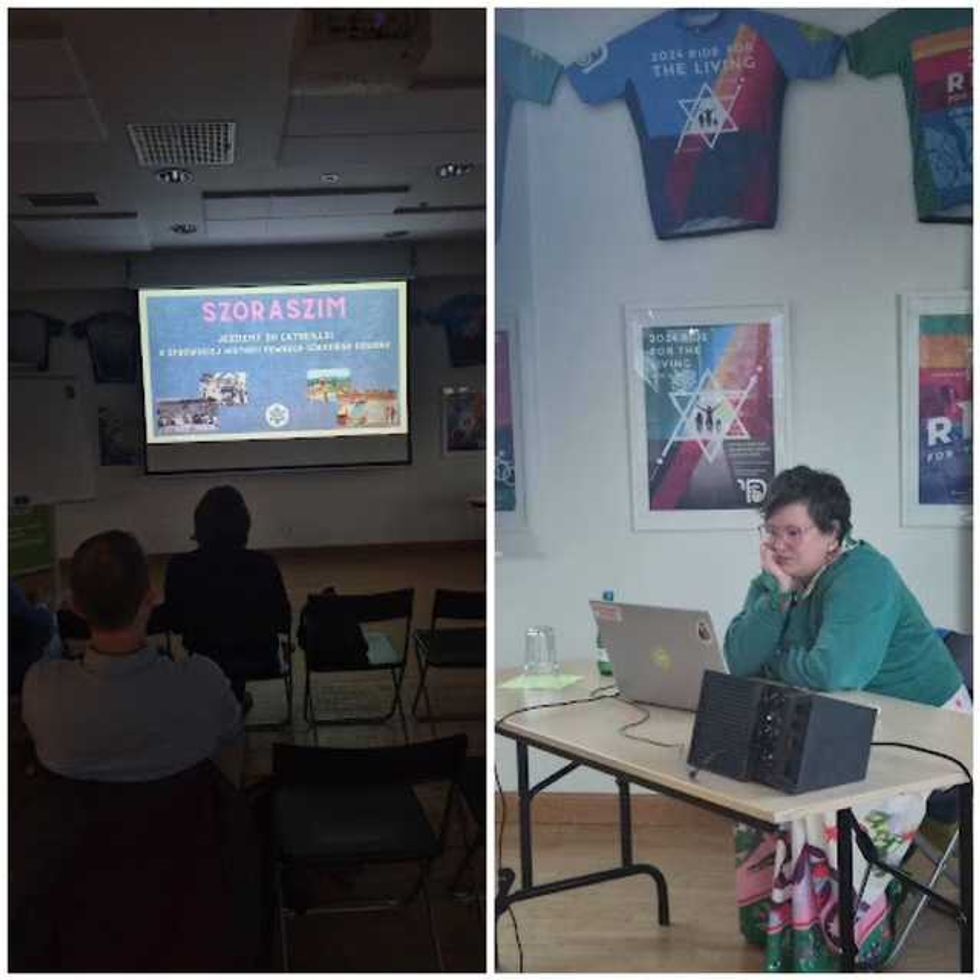 Olga’s lectures on transporting the audience to the Catskill Mountains, which for much of the 20th century were one of the most important destinations for Jewish leisure and social life in the United States. Credit: Jessica A. Valencia